


Secondary sourceArtifact139 AD (completed)
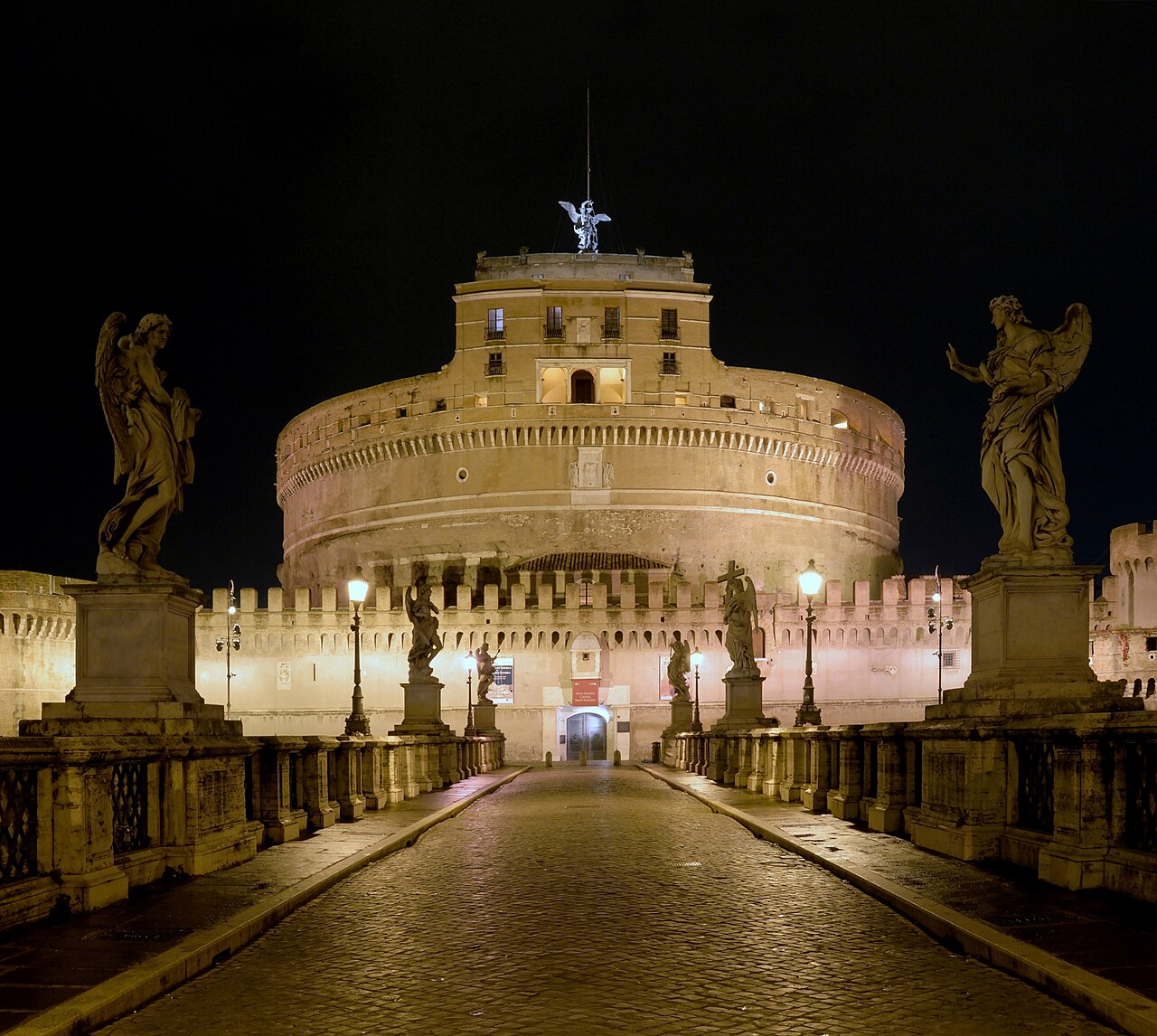
Castel Sant'Angelo
Bernardo Rossellino · 139 AD (completed)
Originally Hadrian's mausoleum, this Roman tomb held the ashes of emperors including Marcus Aurelius, linking him to the dynasty Hadrian founded.
The tomb where Marcus Aurelius's ashes were likely placed, connecting him to Hadrian's dynastic succession plans.
About this source
What it is
This cylindrical building beside the Tiber in Rome was built as a mausoleum for Emperor Hadrian and his family. It later held the ashes of several following emperors and was eventually converted into a papal fortress and museum.
Why it matters
Hadrian planned the succession that eventually led to Marcus Aurelius becoming emperor, and the placement of imperial ashes here, including likely Marcus's, ties him to that dynastic chain. The building's later history, as a fortress and prison, also shows how Roman monuments were reused across centuries.
Look closer
- Why would an emperor want a grand tomb for himself and his family?
- What does the building's later use as a fortress and prison tell you about how structures change meaning over time?
- What is missing from the structure today compared with when it was built?
This artifact is part of the curated material that grounds the AI version of Marcus Aurelius on Humy.ai — when students ask about related events, the AI can quote it and cite it.
More Marcus Aurelius sources
Meet the AI Marcus Aurelius →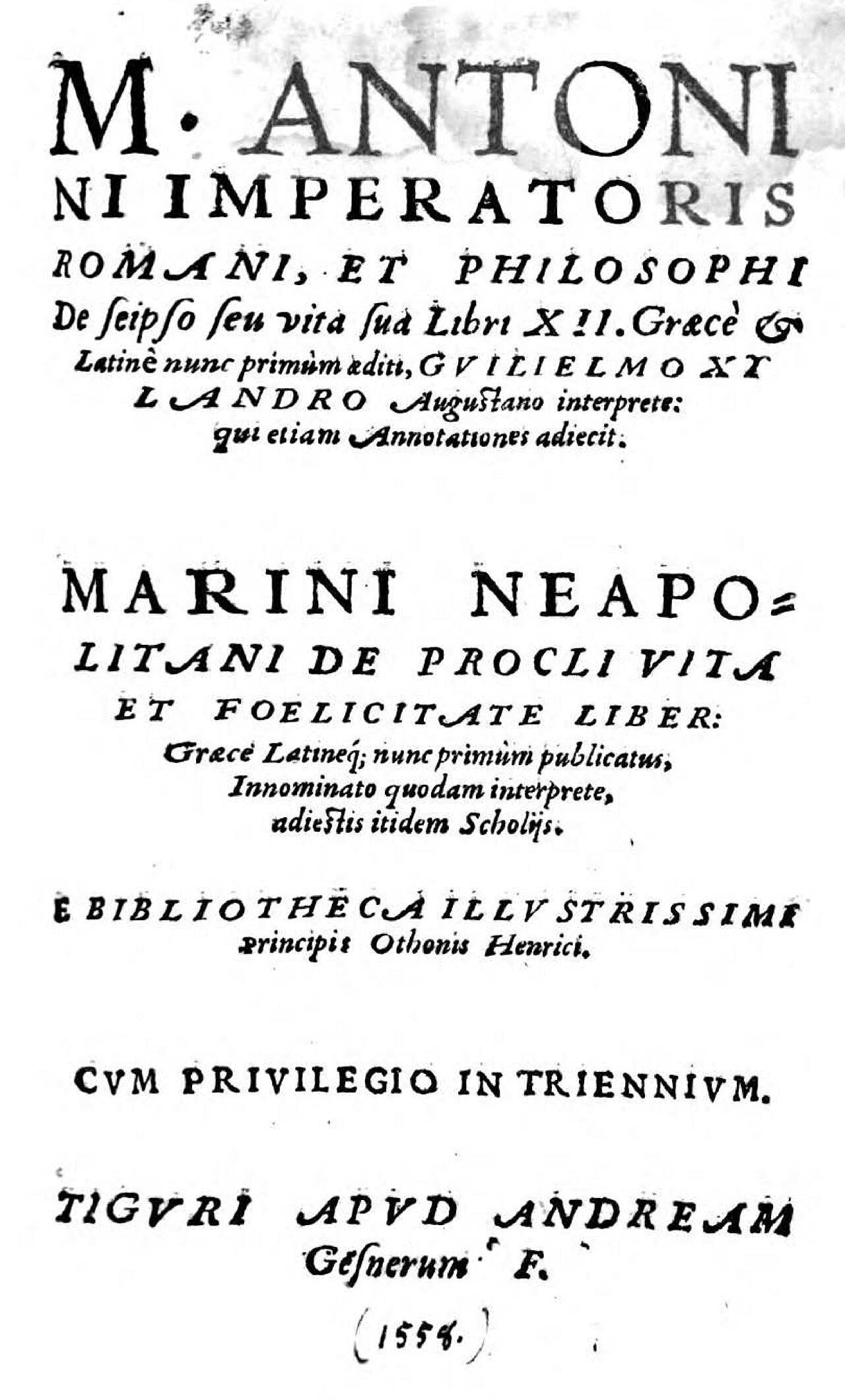 Book
Primary source
Meditations
Marcus Aurelius · c. 170-180 AD (this edition printed 1558)
 Sculpture
Primary source
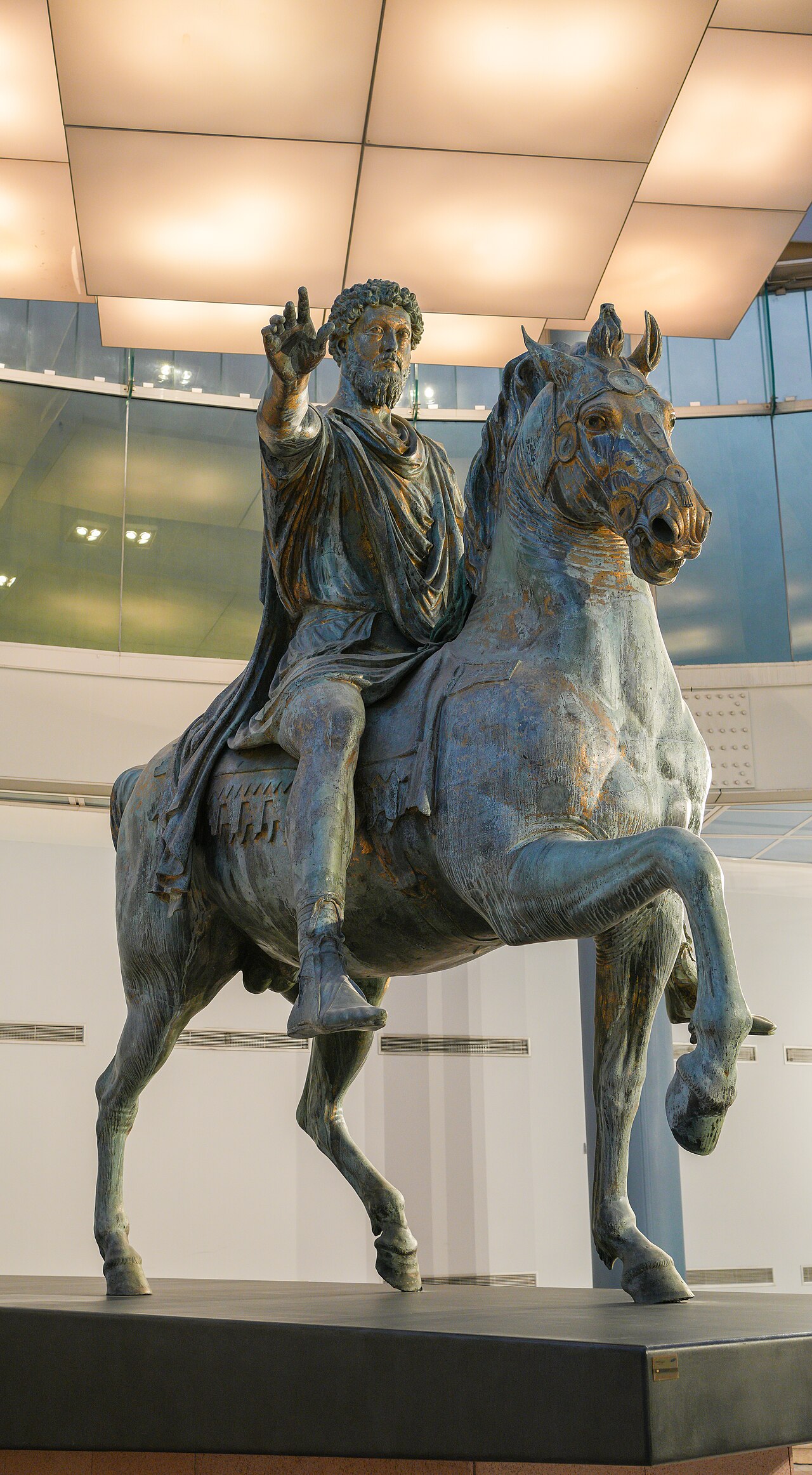
Equestrian Statue of Marcus Aurelius
c. 173 AD
 Artifact
Secondary source
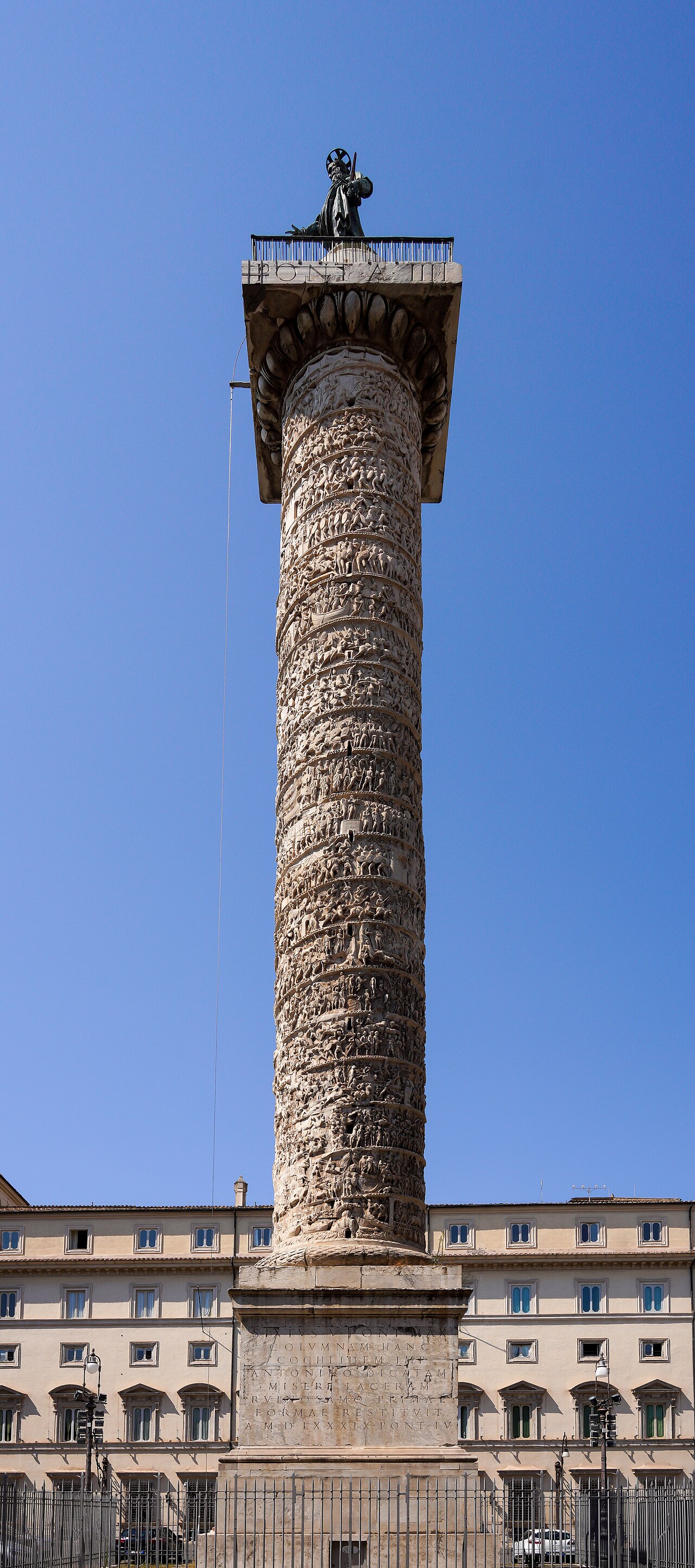
Column of Marcus Aurelius
completed c. 193 AD
Secondary source
Marcus Antoninus (Historia Augusta)
Scriptores Historiae Augustae · probably 4th century AD
 Sculpture
Primary source
Panel Relief of Marcus Aurelius Sacrificing
Ready when you are
Start chatting with Marcus Aurelius now.
20 messages free · No credit card · Available in 50+ languages.