


Secondary sourceArtifact
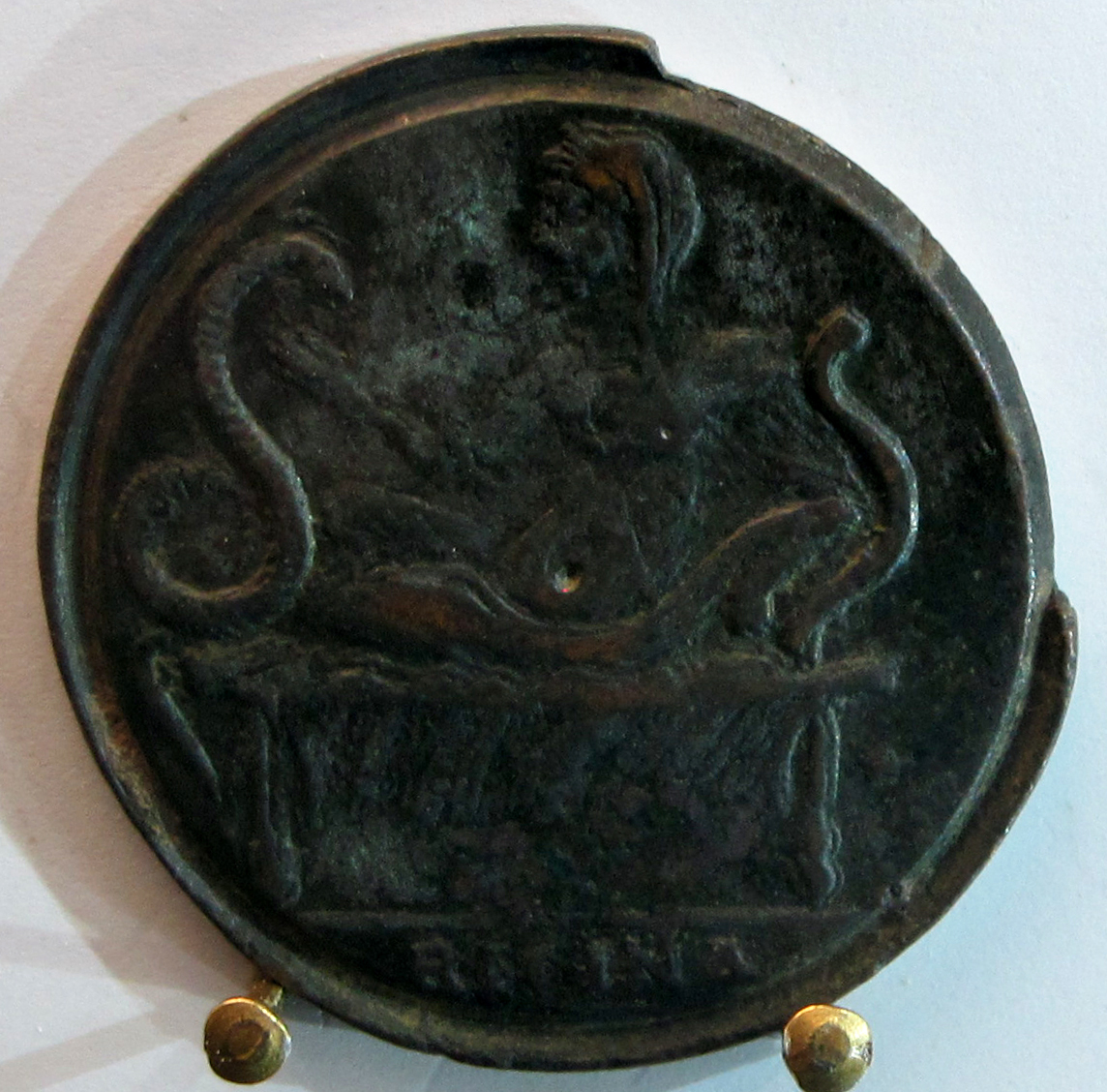
Contorniate medallion showing Marcus Aurelius and Olympias
A bronze medallion, called a contorniate, that shows a reclining figure with serpents and a dolphin-like form. It is a later object that reused the emperor's image.
Shows that Marcus Aurelius's image was reused on later medals in antiquity, long after his reign.
About this source
What it is
This is a photograph of a circular bronze medallion with a dark green-brown patina. Raised relief shows a reclining figure on a couch, a large serpent coiled on each side, and a dolphin-like form in the center. The medallion has a short inscription on its lower edge and two brass mounts at the bottom. The photo was uploaded to Wikimedia Commons by sailko in February 2013. The title on the file names Marcus Aurelius and the Macedonian queen Olympias, who is shown with the serpent. The image is a photograph of the object, not the object itself.
Why it matters
Contorniate medals were made in later antiquity. They often showed emperors, past rulers and mythological scenes. The curator's note describes this one as a later medal that shows how the emperor's image was reused in antiquity. Its makers did not need the emperor to be alive; his name and face were recognizable enough to sell the object. The medal therefore tells us about the later Roman world and the way people remembered Marcus Aurelius.
Look closer
- What figures and animals are shown, and how do they relate to the name on the medal?
- Why would a later maker choose to put an earlier emperor on a medal?
- What is missing from the photo, such as the medal's exact date, its maker, or its size?
This artifact is part of the curated material that grounds the AI version of Marcus Aurelius on Humy.ai — when students ask about related events, the AI can quote it and cite it.
More Marcus Aurelius sources
Meet the AI Marcus Aurelius →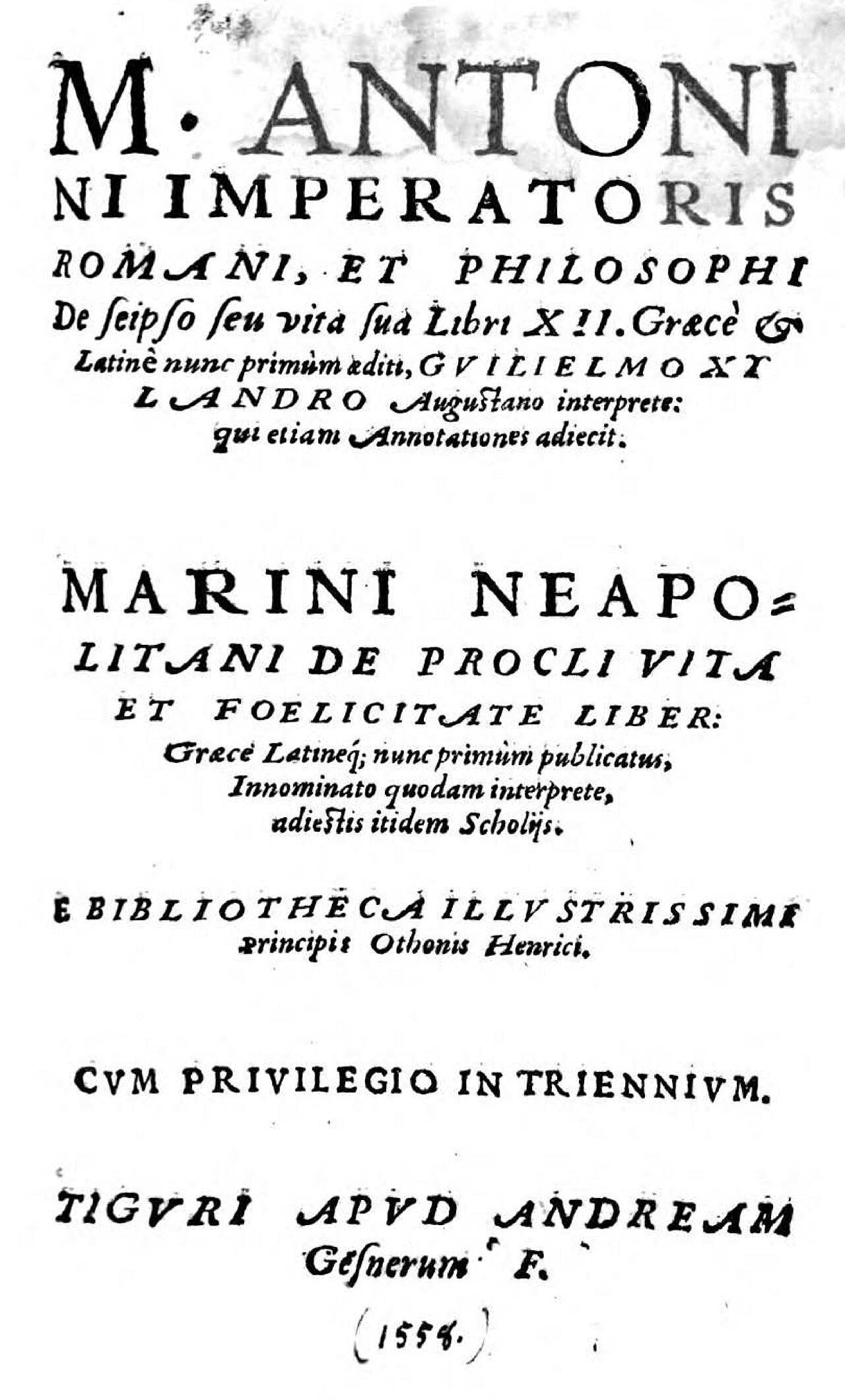 Book
Primary source
Meditations
Marcus Aurelius · c. 170-180 AD (this edition printed 1558)
 Sculpture
Primary source
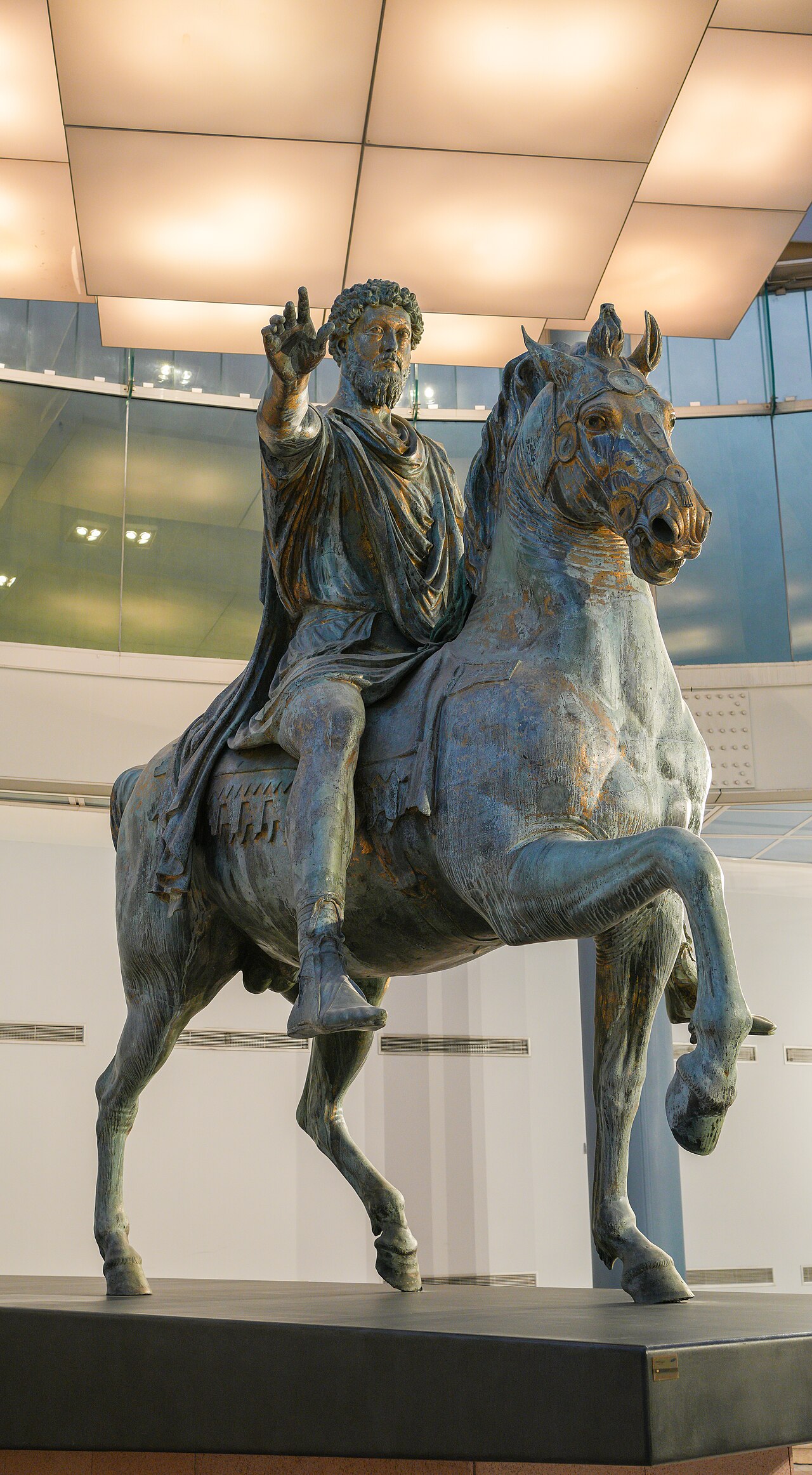
Equestrian Statue of Marcus Aurelius
c. 173 AD
 Artifact
Secondary source
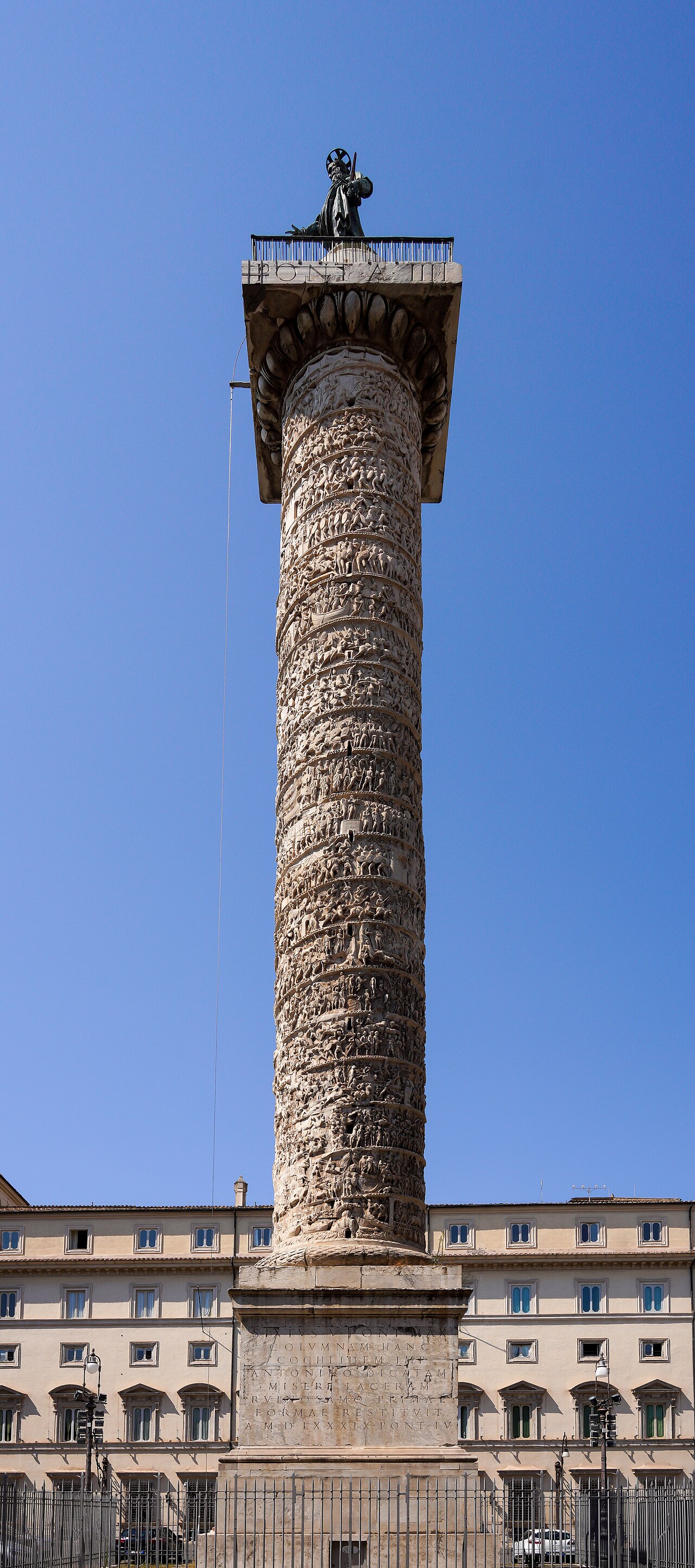
Column of Marcus Aurelius
completed c. 193 AD
Secondary source
Marcus Antoninus (Historia Augusta)
Scriptores Historiae Augustae · probably 4th century AD
 Sculpture
Primary source
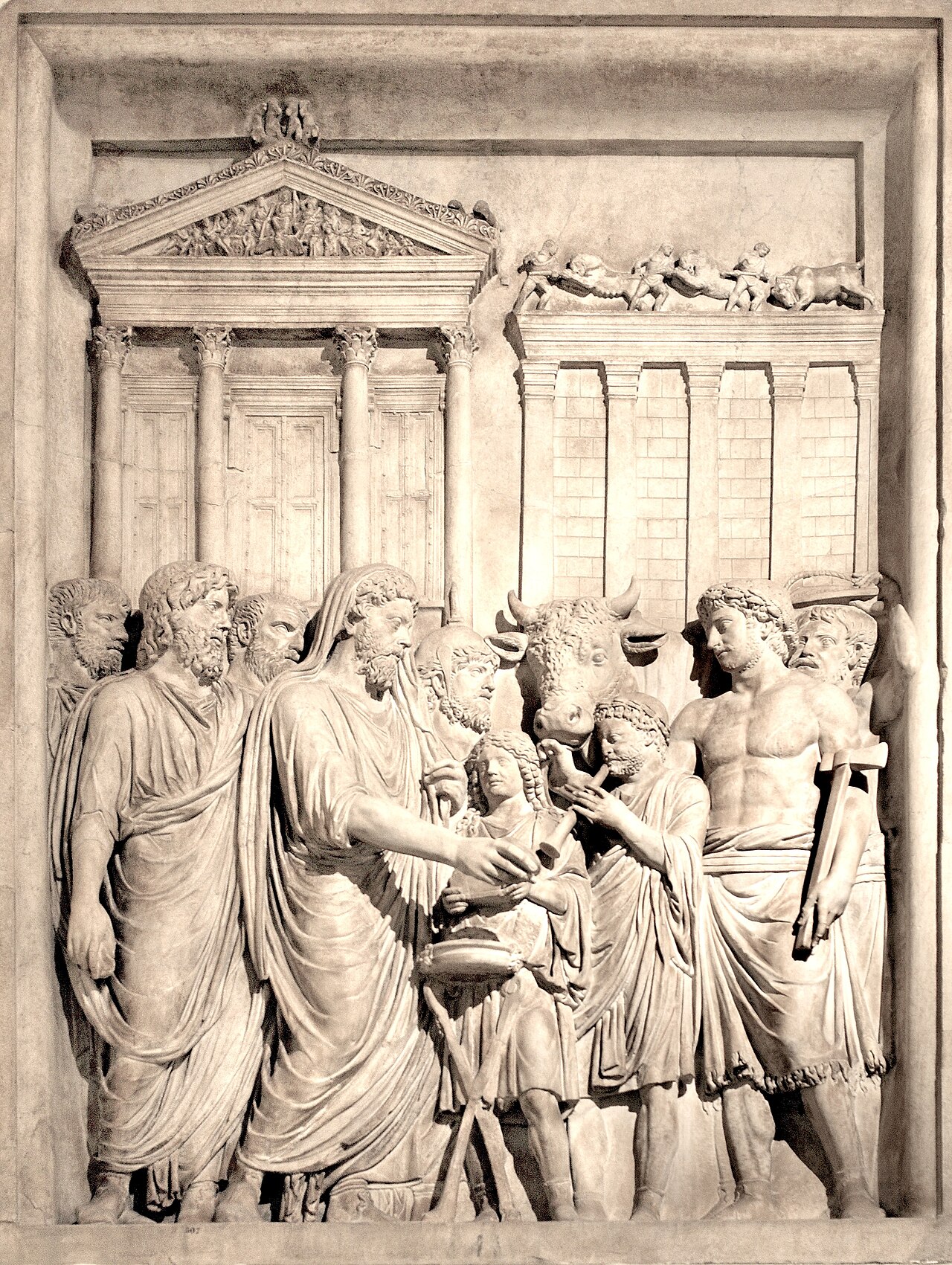
Panel Relief of Marcus Aurelius Sacrificing
Ready when you are
Start chatting with Marcus Aurelius now.
20 messages free · No credit card · Available in 50+ languages.