


Secondary sourceArtifact3rd century AD
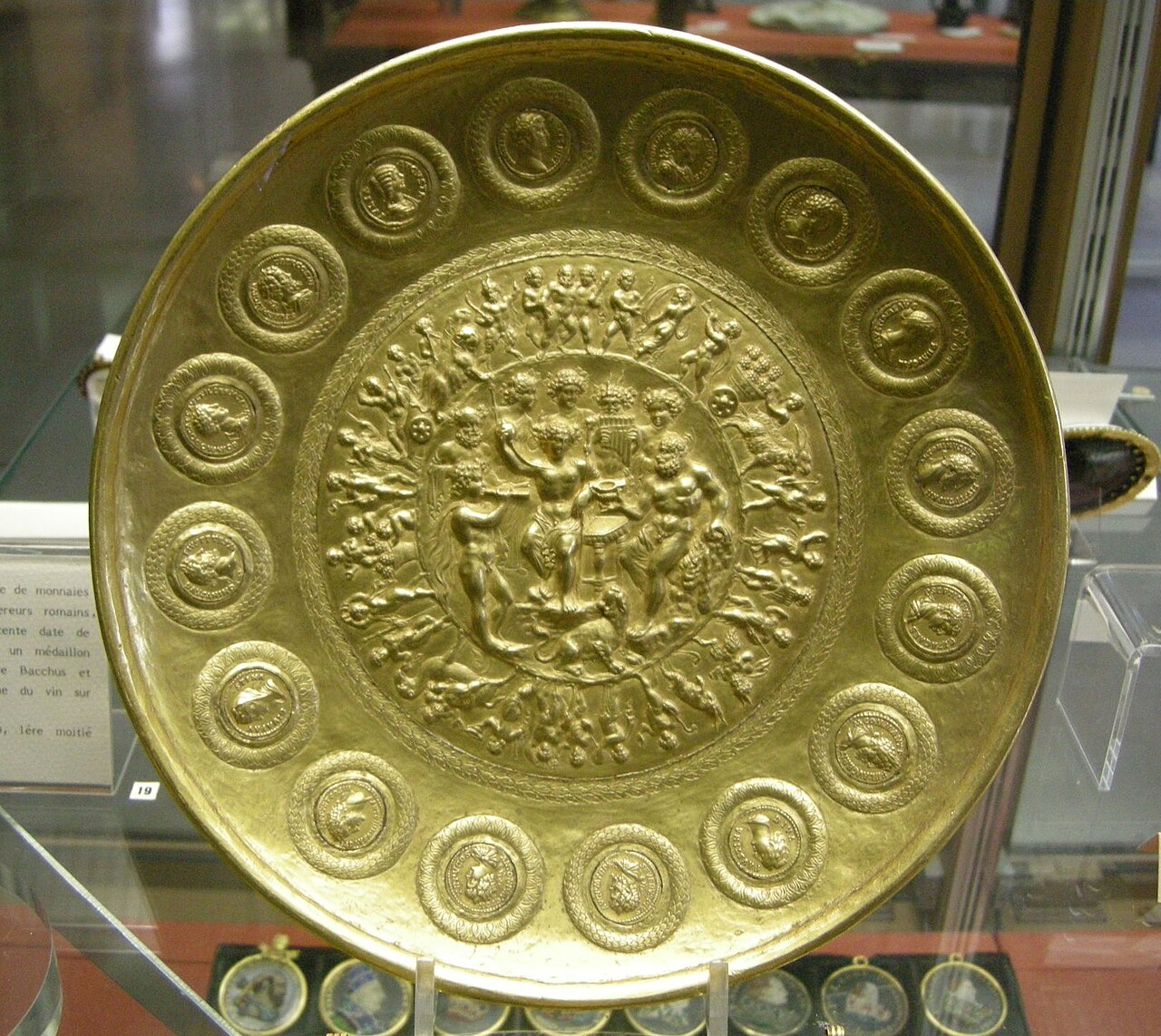
Rennes Patera
3rd century AD
A gold ceremonial dish set with coin portraits of Roman emperors including Marcus Aurelius's dynasty, showing how imperial images were displayed and treasured.
This gold dish includes coin portraits from Marcus Aurelius's dynasty, showing how his image was preserved and displayed after his reign.
About this source
What it is
The Rennes Patera is a gold libation dish from the third century AD, now held at the BnF Museum in Paris. Its rim is decorated with medallions made from gold coins, including ones from the Antonine and Severan emperors, and its center shows a mythological scene.
Why it matters
This object shows how portraits of emperors like Marcus Aurelius, originally made for coins, were valued and reused as prestige objects long after they were minted. It reflects how imperial images circulated widely and were displayed as symbols of status and loyalty.
Look closer
- Why might someone set imperial coins into a decorative object rather than spend them?
- What does the central mythological scene add to the meaning of the object?
- What does this tell us about how Roman emperors' images outlived their own reigns?
This artifact is part of the curated material that grounds the AI version of Marcus Aurelius on Humy.ai — when students ask about related events, the AI can quote it and cite it.
More Marcus Aurelius sources
Meet the AI Marcus Aurelius →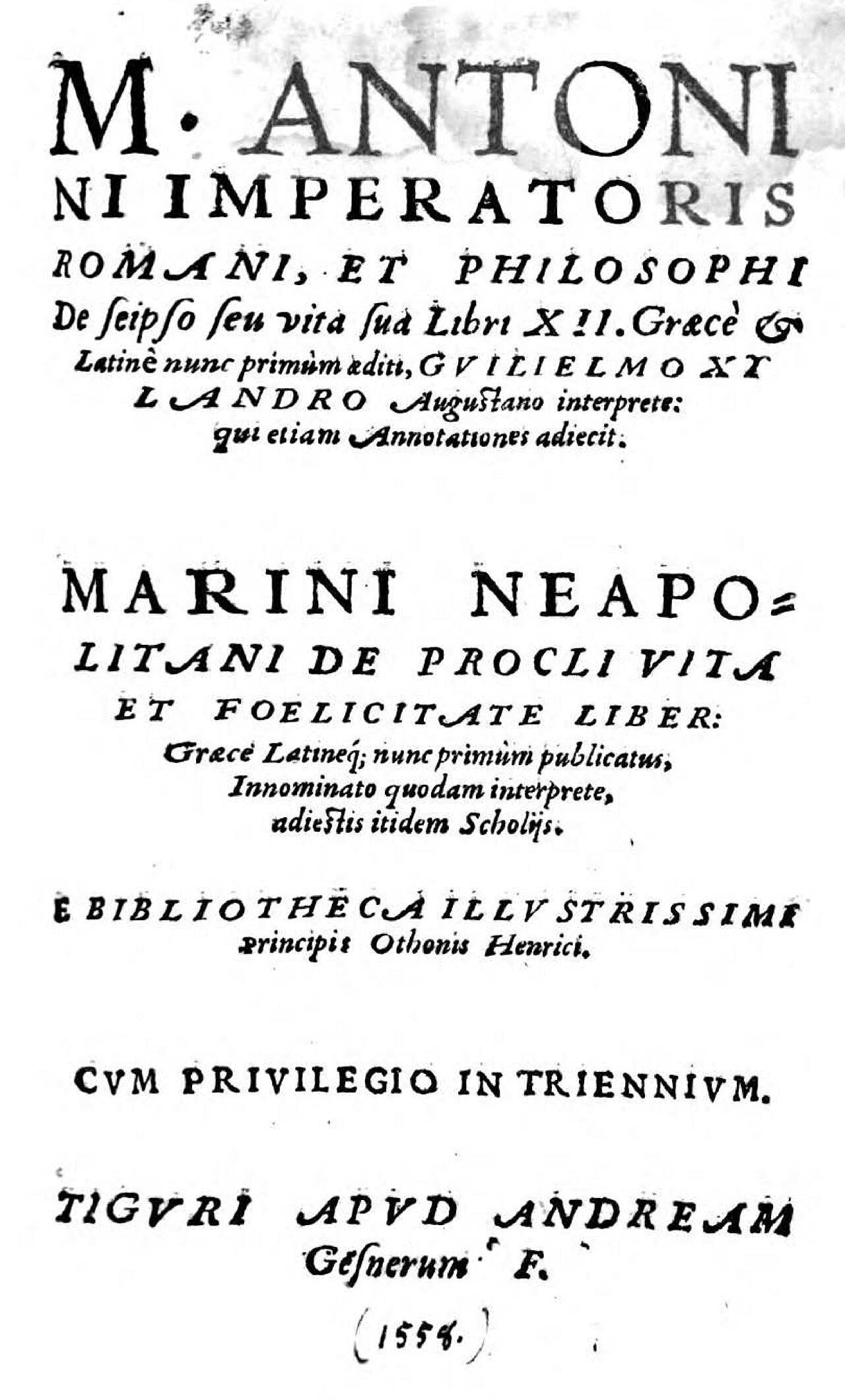 Book
Primary source
Meditations
Marcus Aurelius · c. 170-180 AD (this edition printed 1558)
 Sculpture
Primary source
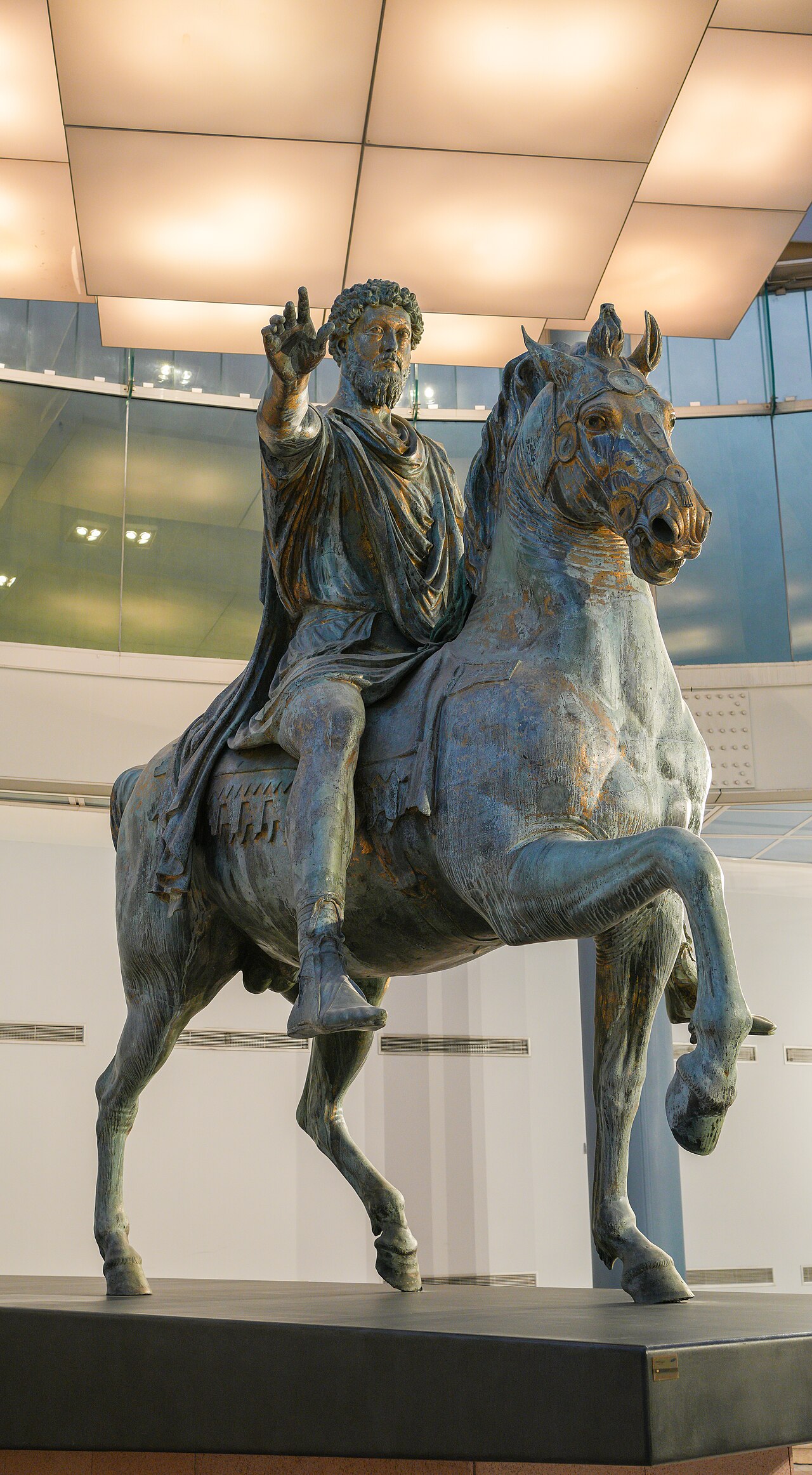
Equestrian Statue of Marcus Aurelius
c. 173 AD
 Artifact
Secondary source
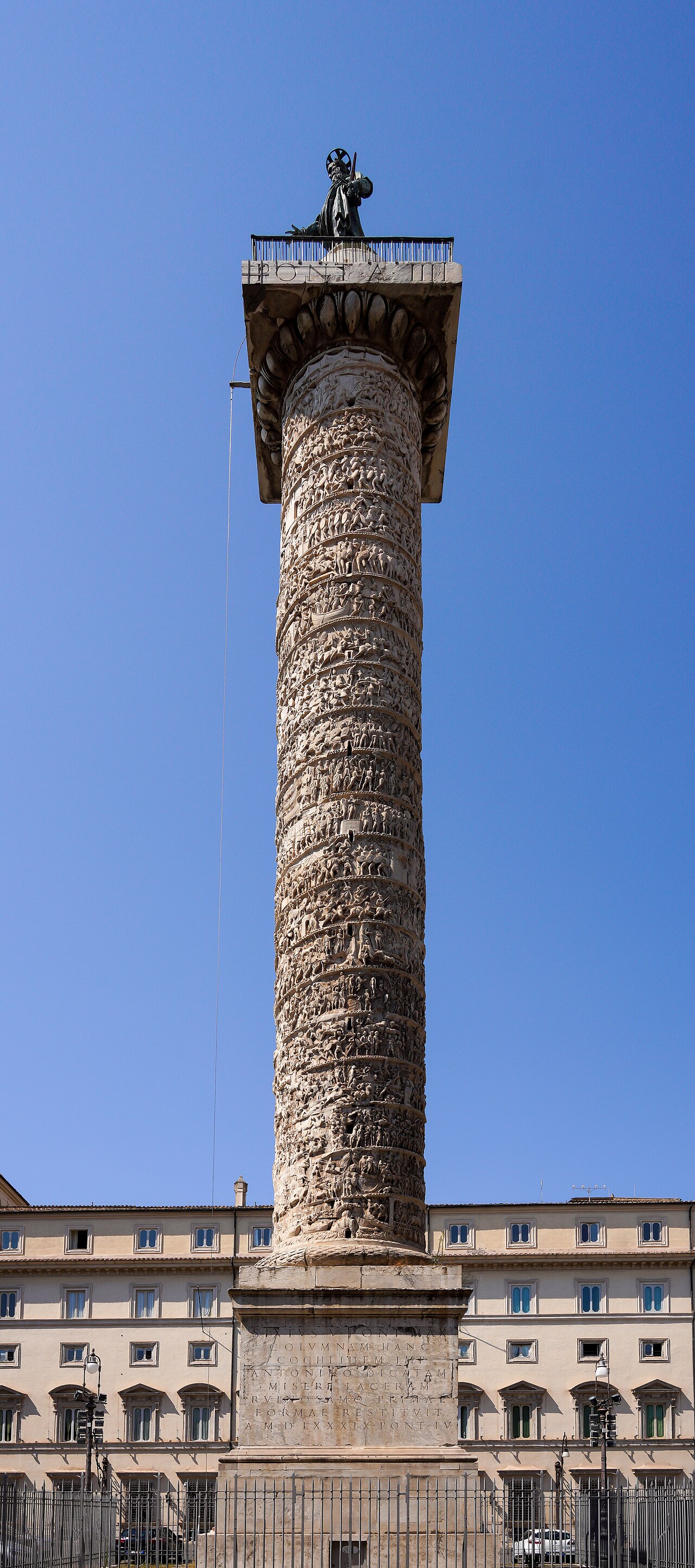
Column of Marcus Aurelius
completed c. 193 AD
Secondary source
Marcus Antoninus (Historia Augusta)
Scriptores Historiae Augustae · probably 4th century AD
 Sculpture
Primary source
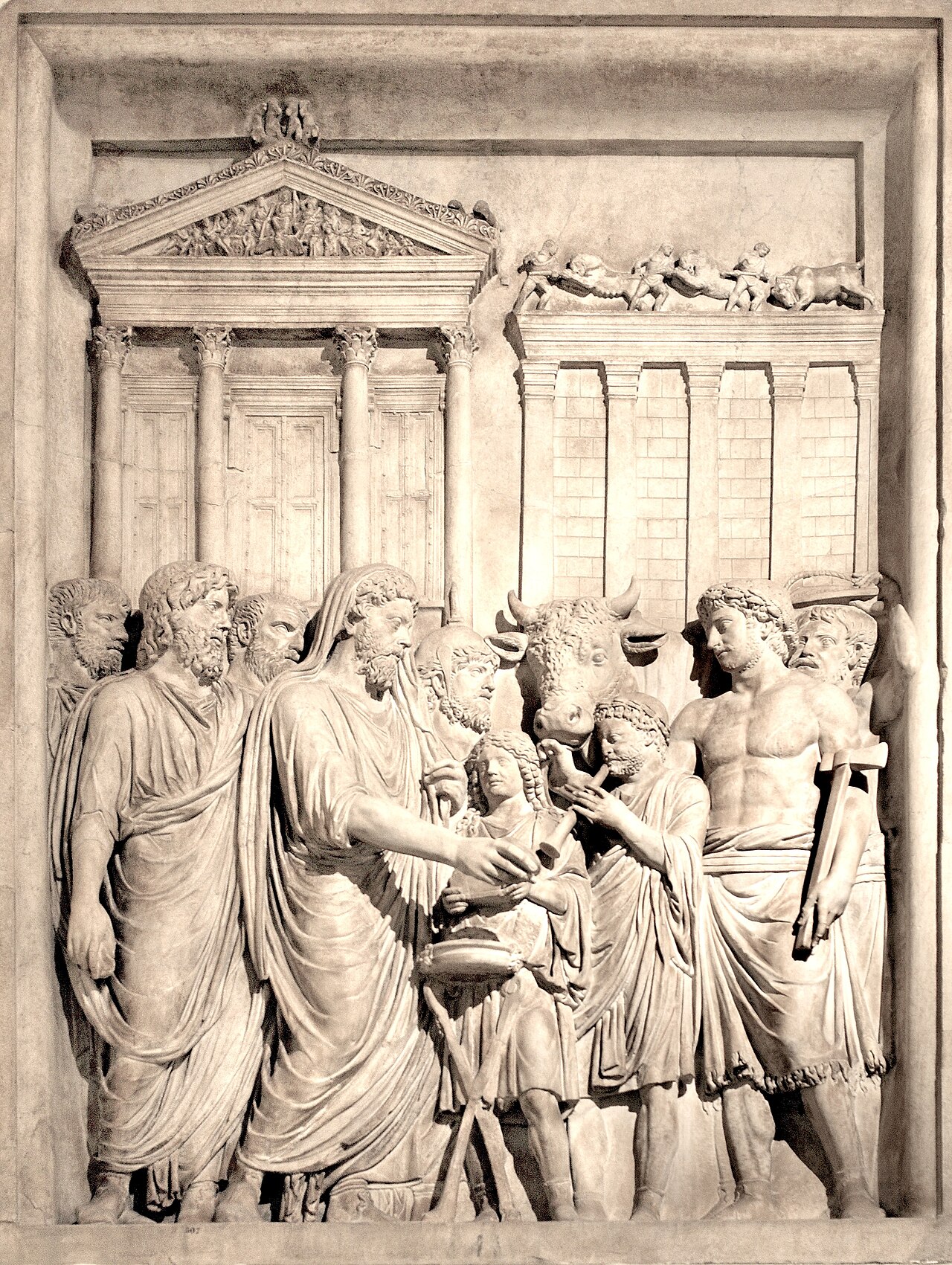
Panel Relief of Marcus Aurelius Sacrificing
Ready when you are
Start chatting with Marcus Aurelius now.
20 messages free · No credit card · Available in 50+ languages.