


Secondary sourceSculpturelate 16th century
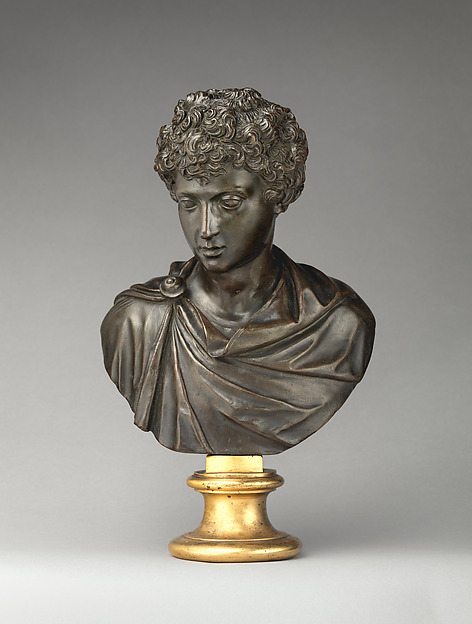
Bust of Marcus Aurelius
late 16th century
A Renaissance bronze bust of Marcus Aurelius, made in the late sixteenth century, long after his death. It shows how later artists imagined the emperor.
Shows how a Renaissance sculptor imagined Marcus Aurelius centuries after his death.
About this source
What it is
This is a bronze bust of Marcus Aurelius, dated to the late sixteenth century and held by The Metropolitan Museum of Art in New York. It was a gift of Ogden Mills in 1927. The bust has a bronze, brass base, and it is shown on a gilded wooden base. The image shows a young man with curly hair, draped in a cloak fastened at the shoulder, with downcast eyes. The sculptor is not named in the record.
Why it matters
Renaissance artists and collectors were fascinated by Roman emperors and often made new busts based on ancient models and their own ideas. This bust is not a likeness made during Marcus Aurelius's life. It shows how people in a later age wanted to picture him, as a thoughtful and dignified ruler.
Look closer
- What does the cloak and the downcast gaze suggest about the person shown?
- Why might a Renaissance collector want a bronze bust of an ancient emperor?
- How could we tell whether this bust is based on a real ancient portrait or on imagination?
This sculpture is part of the curated material that grounds the AI version of Marcus Aurelius on Humy.ai — when students ask about related events, the AI can quote it and cite it.
More Marcus Aurelius sources
Meet the AI Marcus Aurelius →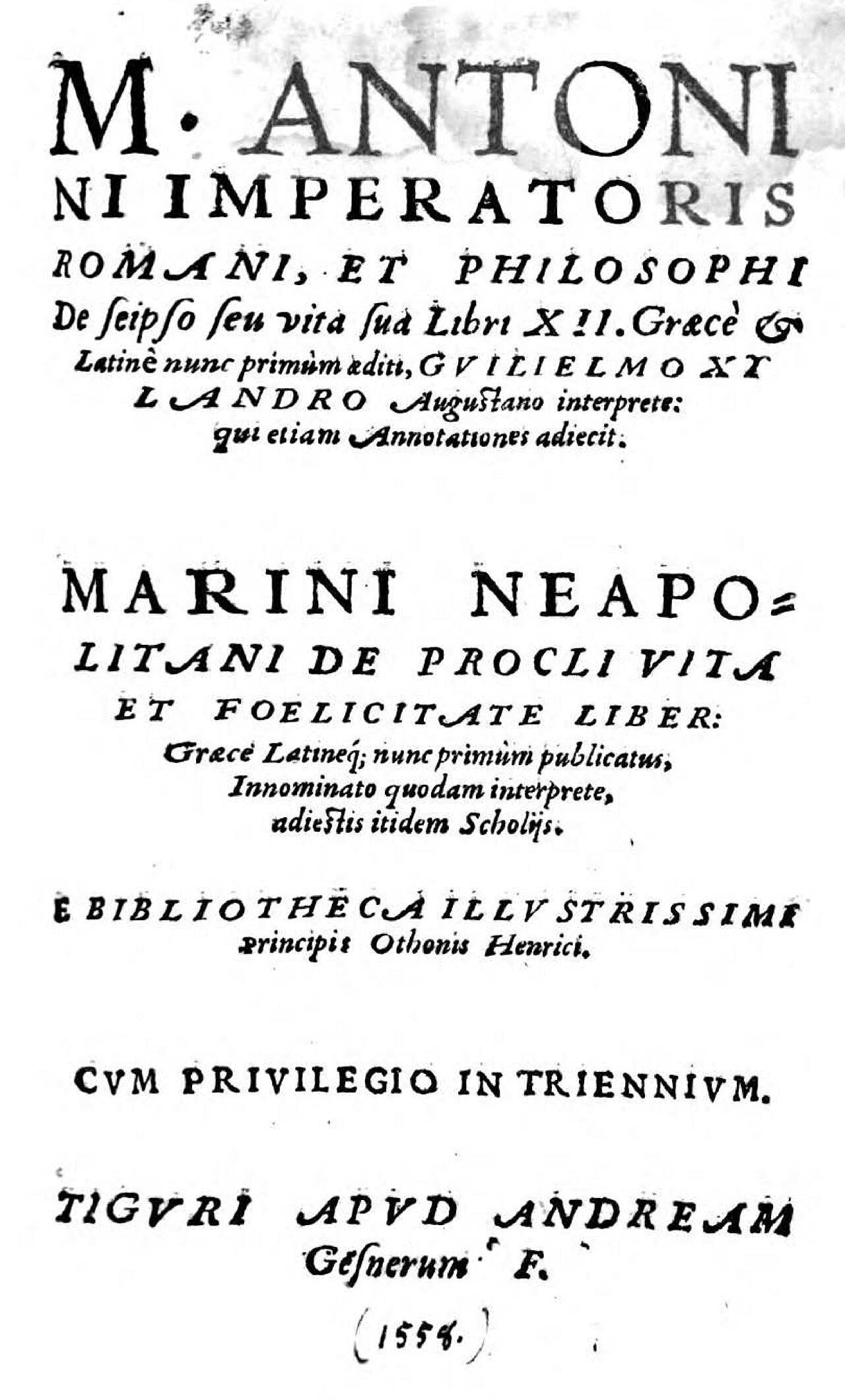 Book
Primary source
Meditations
Marcus Aurelius · c. 170-180 AD (this edition printed 1558)
 Sculpture
Primary source
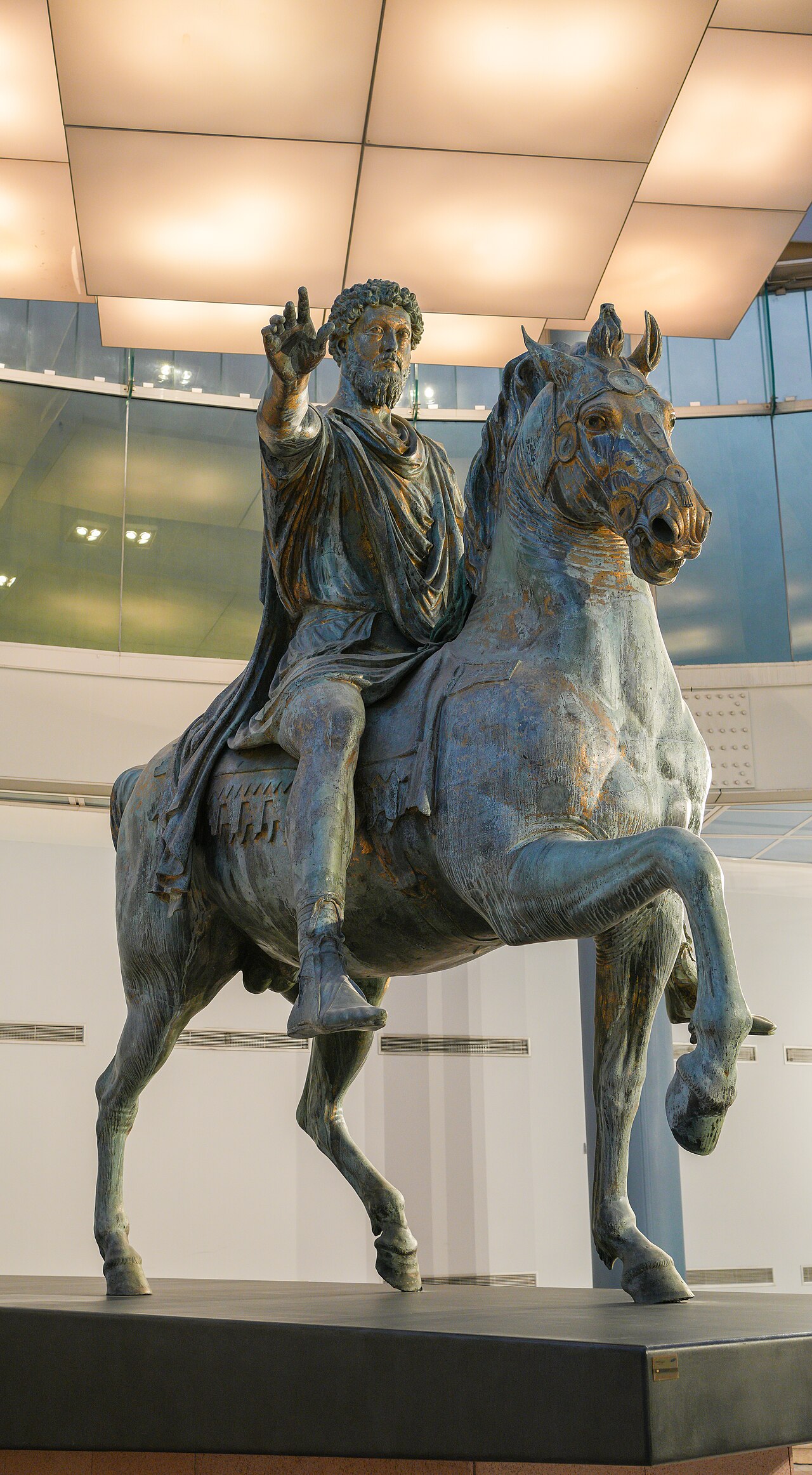
Equestrian Statue of Marcus Aurelius
c. 173 AD
 Artifact
Secondary source
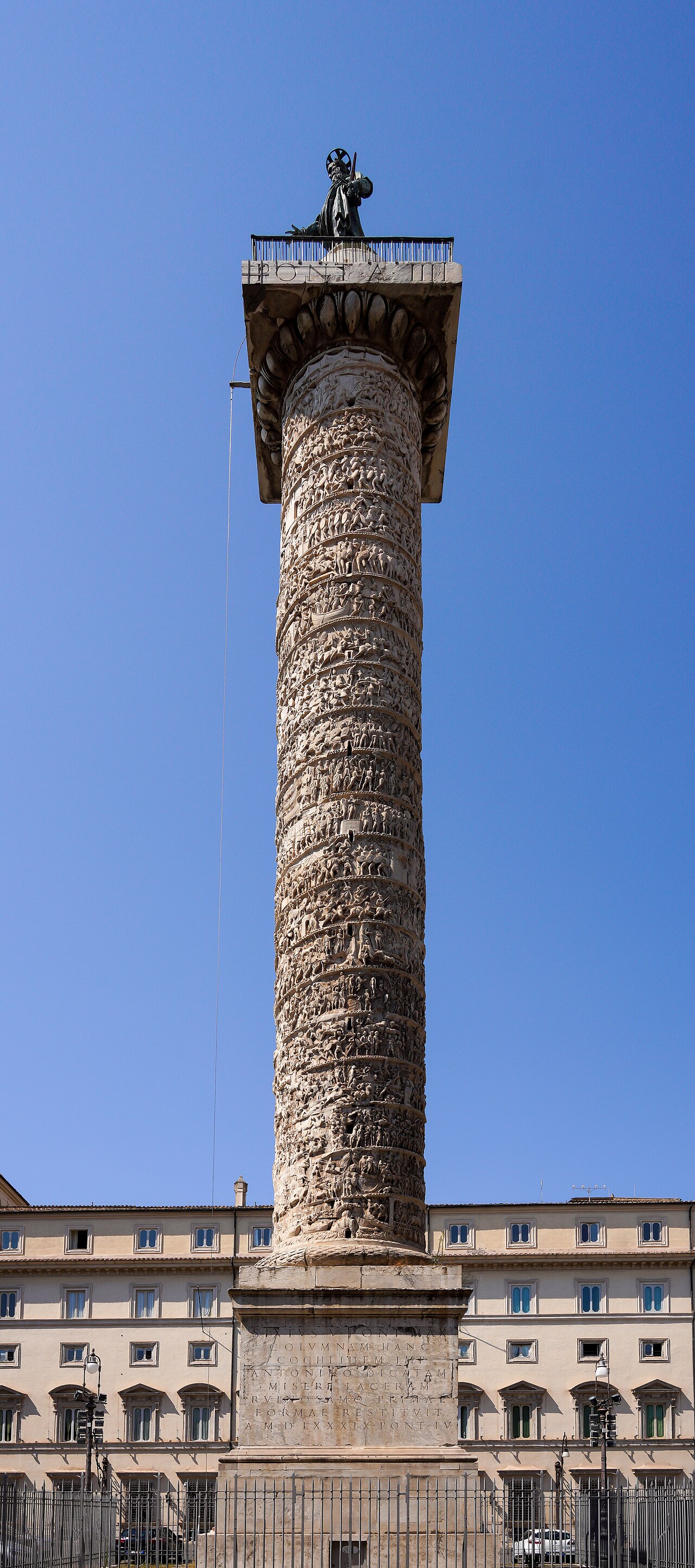
Column of Marcus Aurelius
completed c. 193 AD
Secondary source
Marcus Antoninus (Historia Augusta)
Scriptores Historiae Augustae · probably 4th century AD
 Sculpture
Primary source
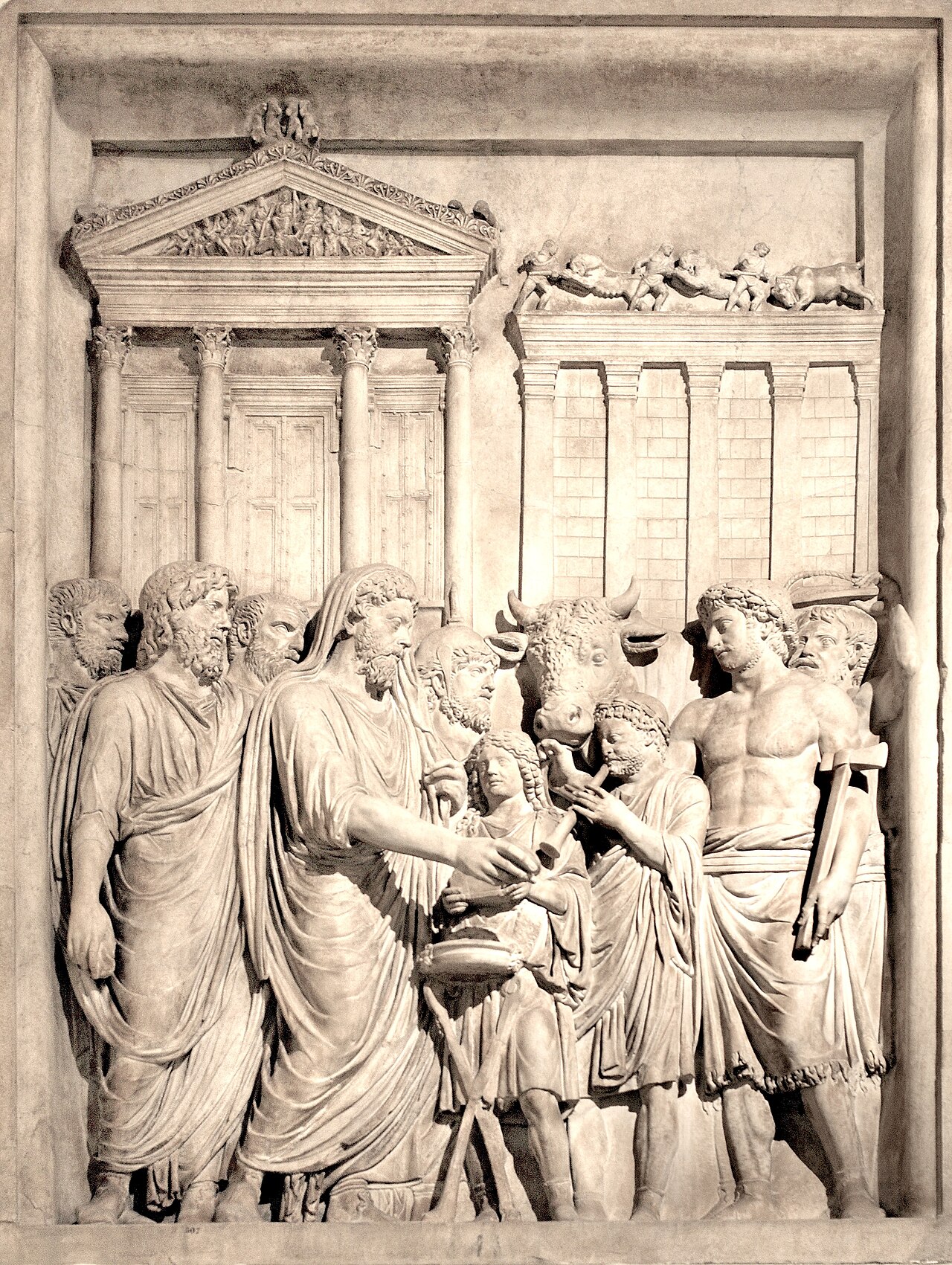
Panel Relief of Marcus Aurelius Sacrificing
Ready when you are
Start chatting with Marcus Aurelius now.
20 messages free · No credit card · Available in 50+ languages.