


Primary sourceSculpture
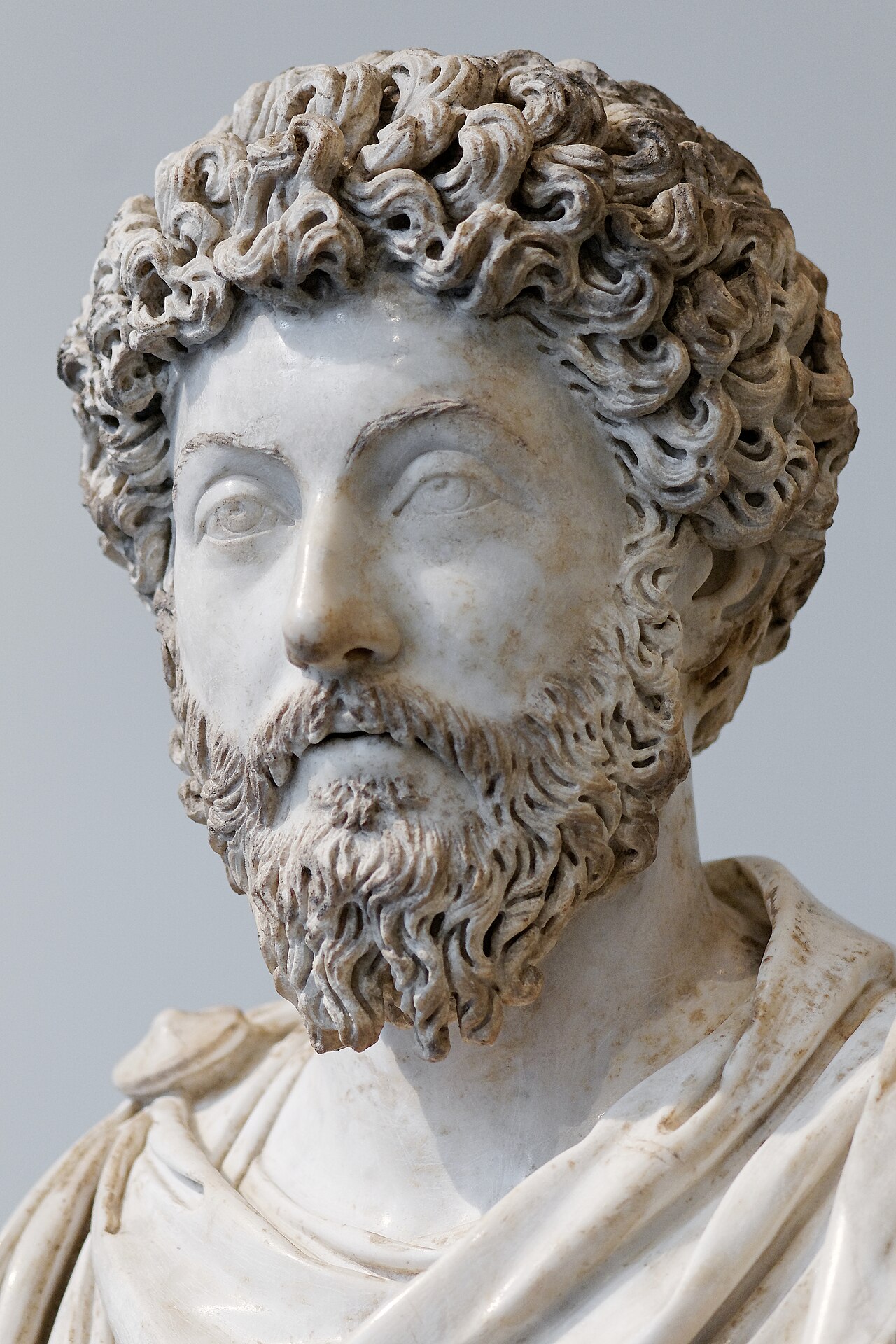
Portrait of Marcus Aurelius
A marble bust of the mature, bearded Marcus Aurelius, one of the most reproduced images of him as reigning philosopher-emperor.
A famous mature portrait of Marcus Aurelius, widely used to represent him as the philosopher-emperor.
About this source
What it is
This marble bust shows Marcus Aurelius as a mature man with a full, carefully carved beard. It is a Roman artwork of the Antonine period, discovered near Rome in 1674, and is now held in the Louvre.
Why it matters
This portrait type is one of the most widely reproduced images of Marcus Aurelius, shaping how later generations have pictured him as the reigning "philosopher-emperor." It shows how Roman imperial portraiture combined realistic detail, like the carefully drilled beard and expressive eyes, with an idealized image of wisdom and authority.
Look closer
- What details in the carving — like the eyes or beard — give this bust a sense of personality?
- Why might this particular image have become so associated with the idea of a "philosopher-emperor"?
- What was likely left out or idealized in order to present the emperor this way?
This sculpture is part of the curated material that grounds the AI version of Marcus Aurelius on Humy.ai — when students ask about related events, the AI can quote it and cite it.
More Marcus Aurelius sources
Meet the AI Marcus Aurelius →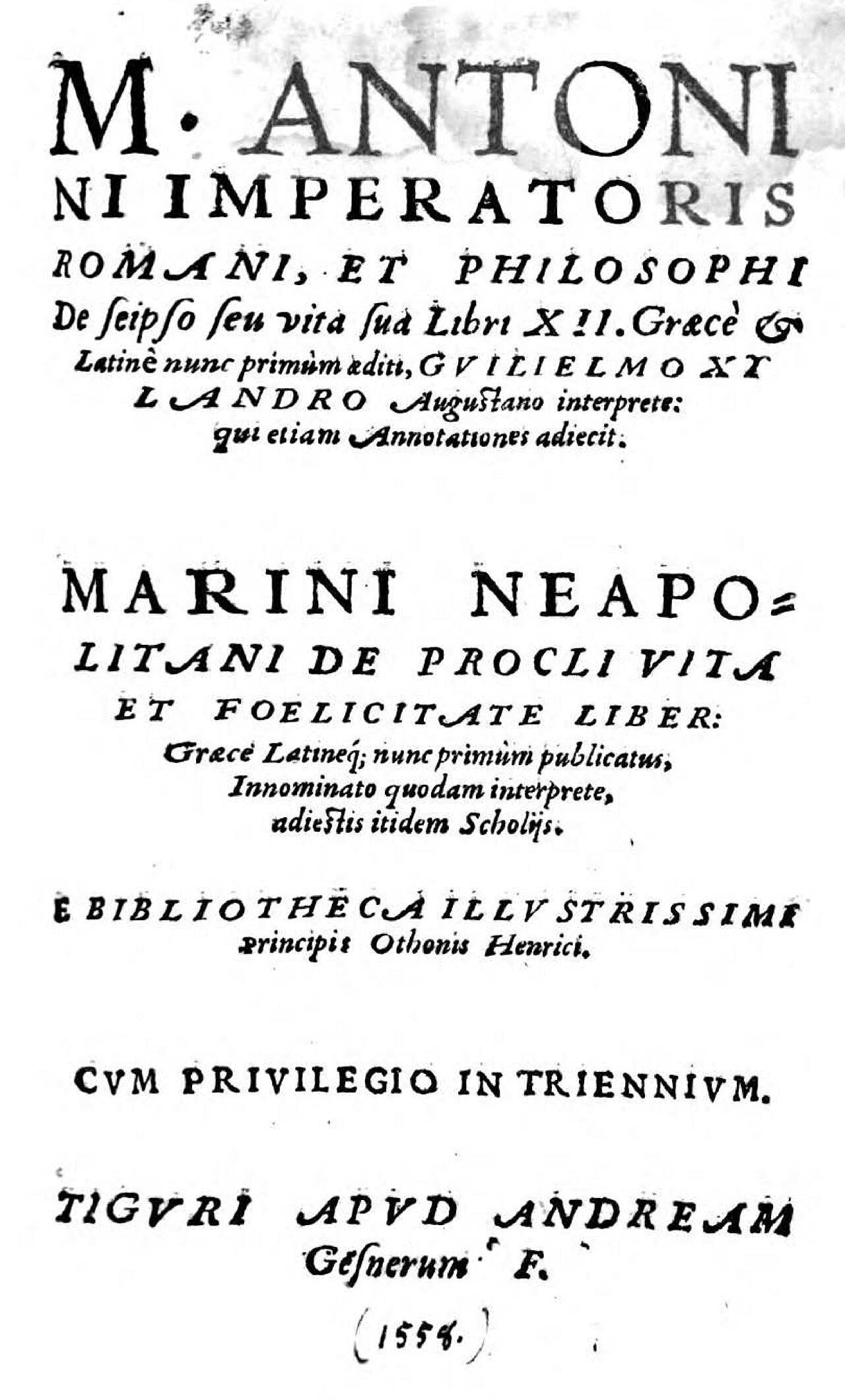 Book
Primary source
Meditations
Marcus Aurelius · c. 170-180 AD (this edition printed 1558)
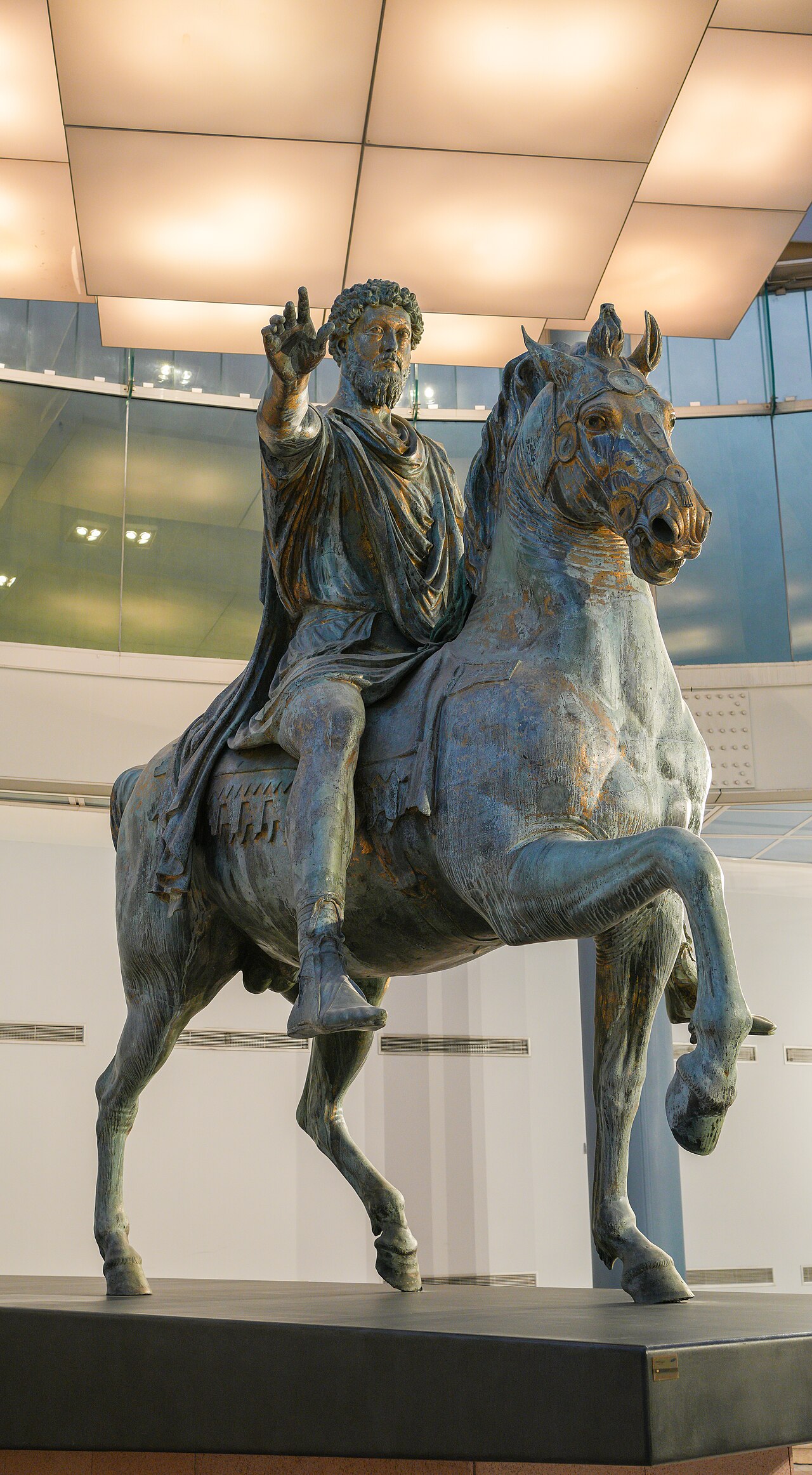 Sculpture
Primary source
Equestrian Statue of Marcus Aurelius
c. 173 AD
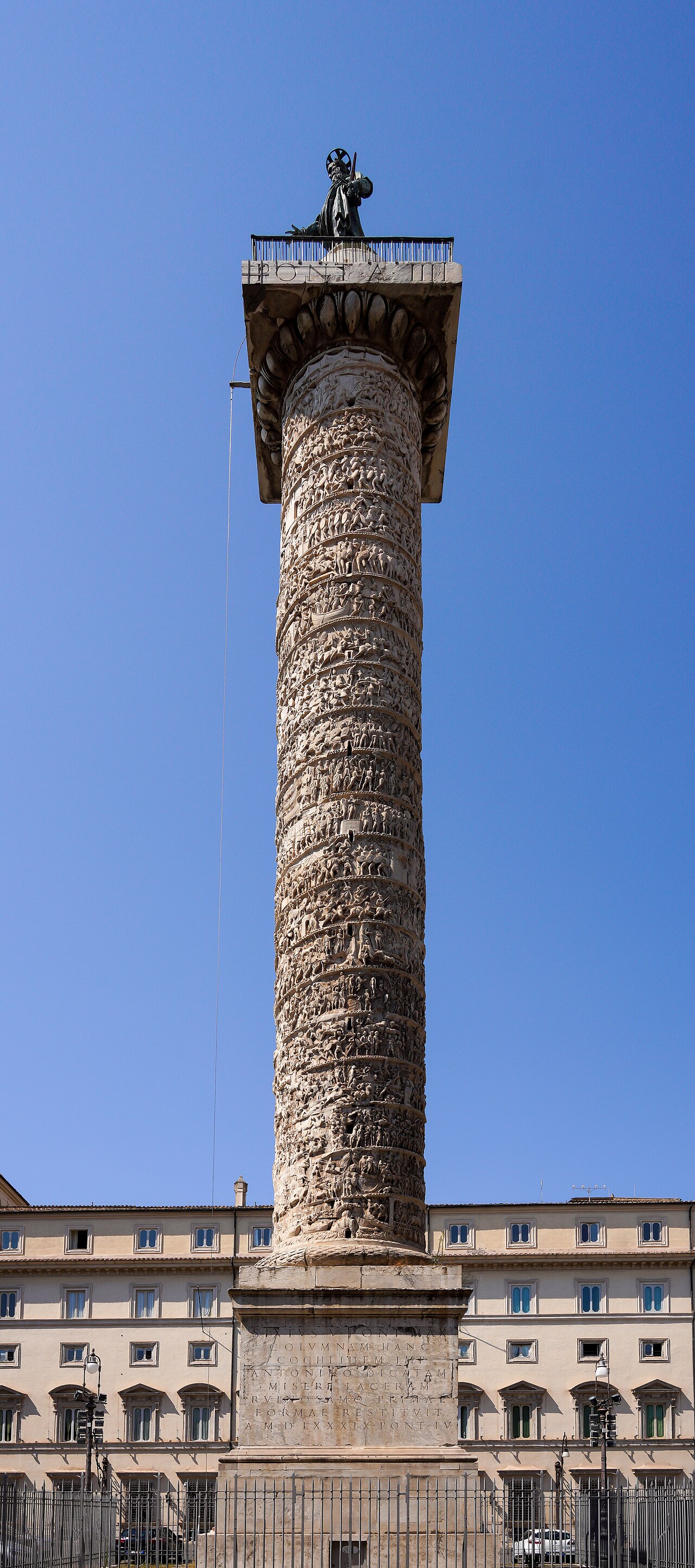 Artifact
Secondary source
Column of Marcus Aurelius
completed c. 193 AD
Secondary source
Marcus Antoninus (Historia Augusta)
Scriptores Historiae Augustae · probably 4th century AD
 Sculpture
Primary source
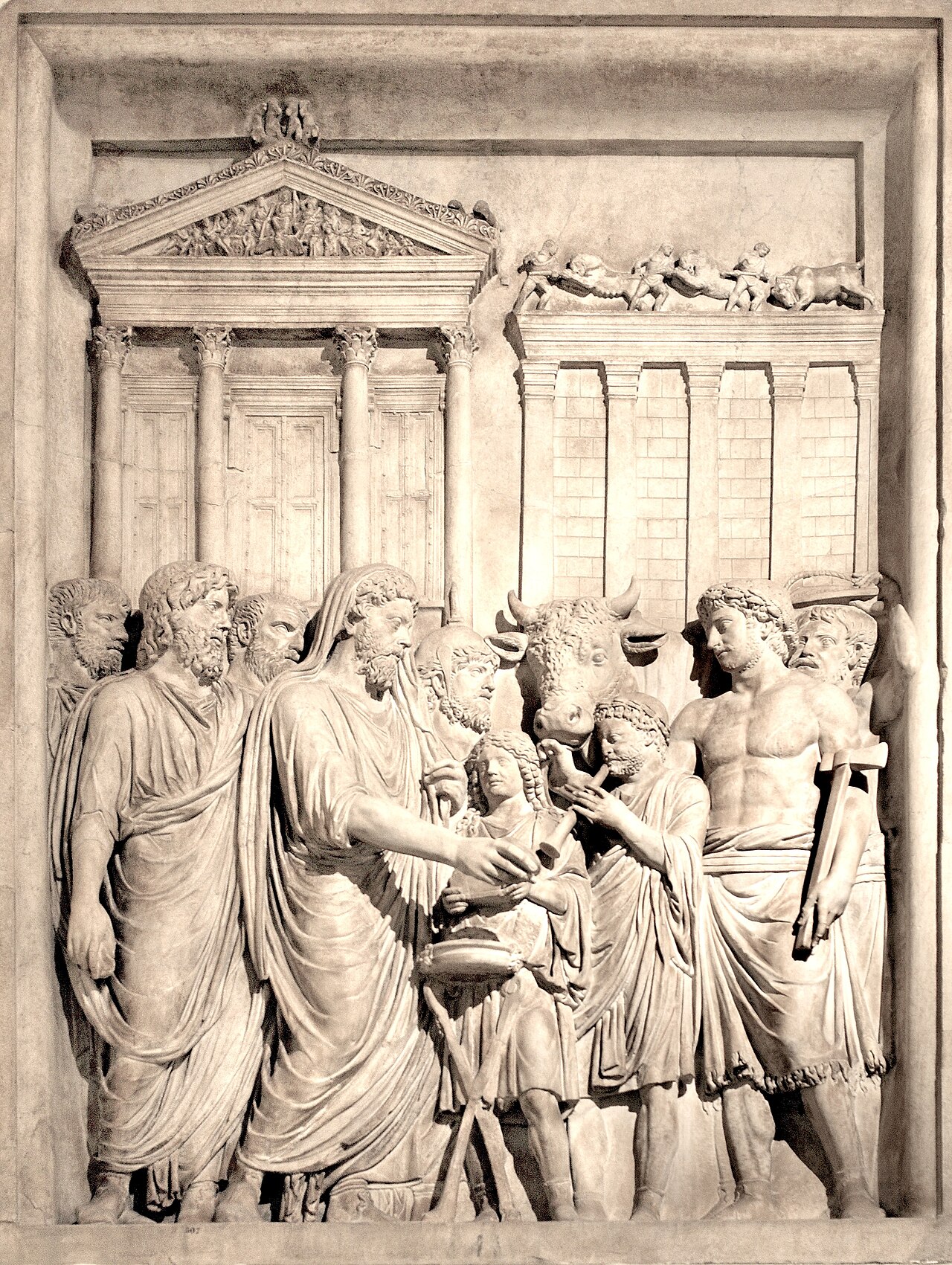
Panel Relief of Marcus Aurelius Sacrificing
Ready when you are
Start chatting with Marcus Aurelius now.
20 messages free · No credit card · Available in 50+ languages.