


Secondary sourceSculpture
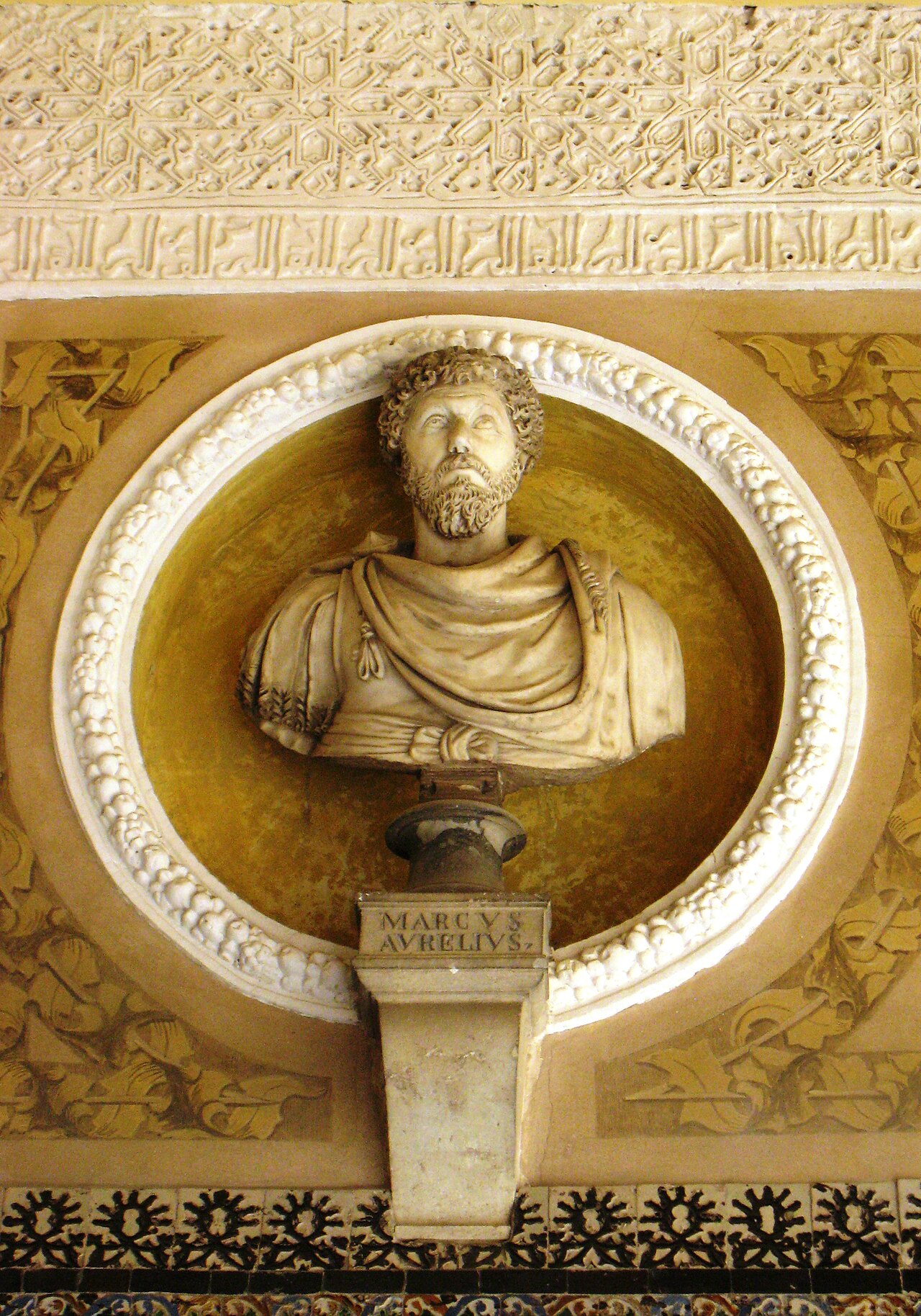
Bust of Marcus Aurelius, Casa de Pilatos
OceanJupiter
A photograph of a marble bust of Marcus Aurelius displayed in the central courtyard of the Casa de Pilatos palace in Seville.
A later display of a bust of Marcus Aurelius, showing how his portrait is kept and presented in modern collections.
About this source
What it is
This is a photograph taken by OceanJupiter on 27 April 2014 and shared on Wikimedia Commons. It shows a white marble bust of a bearded man with curly hair and a draped cloak. The bust sits in a circular niche framed by white bead molding on an ornate tiled wall. A plinth below reads MARCVS AVRELIVS. The photo shows a modern display in a palace courtyard in Seville, so the bust is not shown in its original setting.
Why it matters
Many European palaces and collections include Roman busts, often displayed to show learning and taste. The bust here shows how Marcus Aurelius was remembered and presented long after his reign. Students can see how a figure from the ancient world is turned into a decorative display.
Look closer
- What does the setting of the niche and tiles suggest about how the bust is valued?
- What does the plinth label tell you, and how would you check whether the bust is an ancient original?
- How might a display in a palace change the meaning of a Roman portrait?
This sculpture is part of the curated material that grounds the AI version of Marcus Aurelius on Humy.ai — when students ask about related events, the AI can quote it and cite it.
More Marcus Aurelius sources
Meet the AI Marcus Aurelius →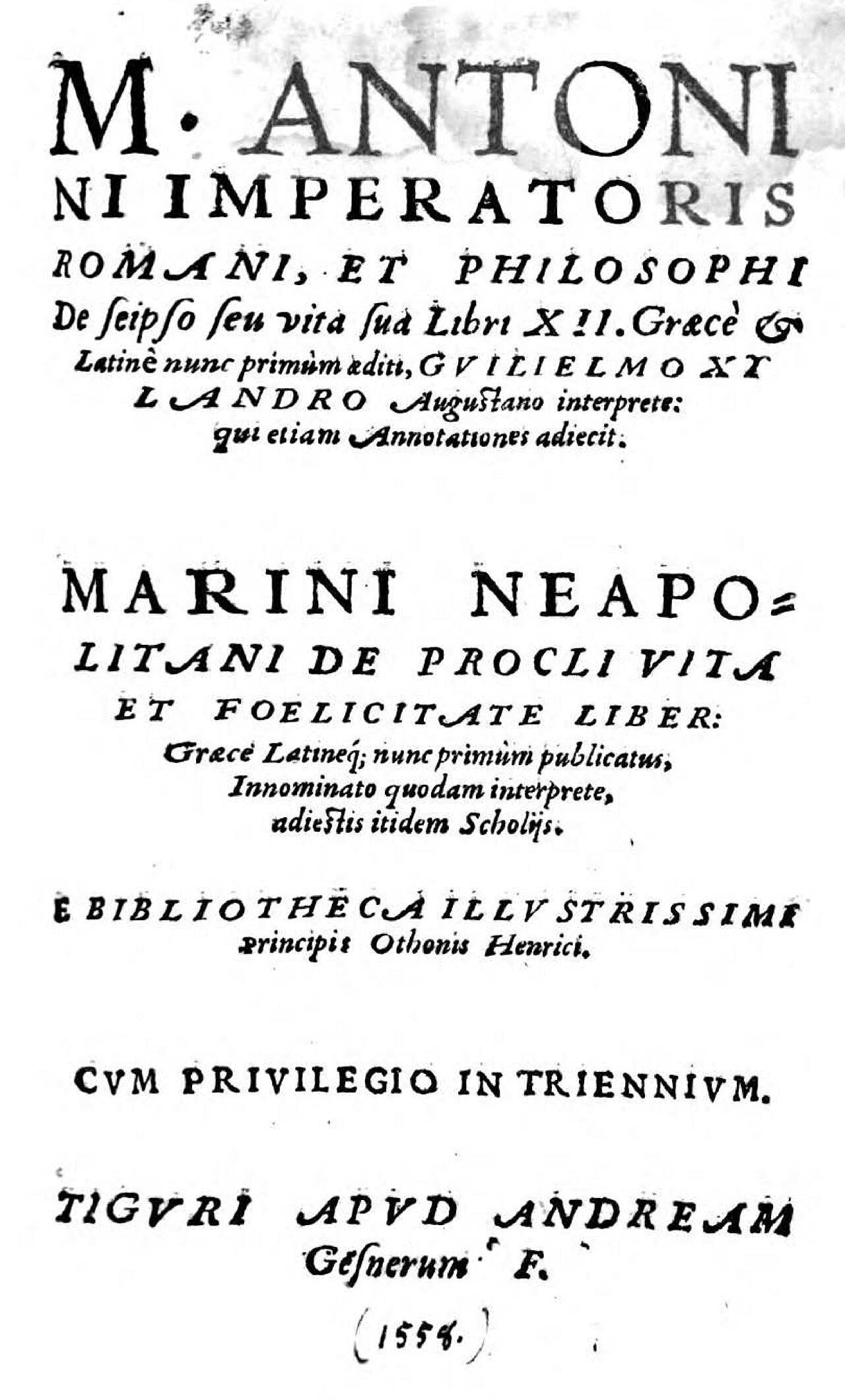 Book
Primary source
Meditations
Marcus Aurelius · c. 170-180 AD (this edition printed 1558)
 Sculpture
Primary source
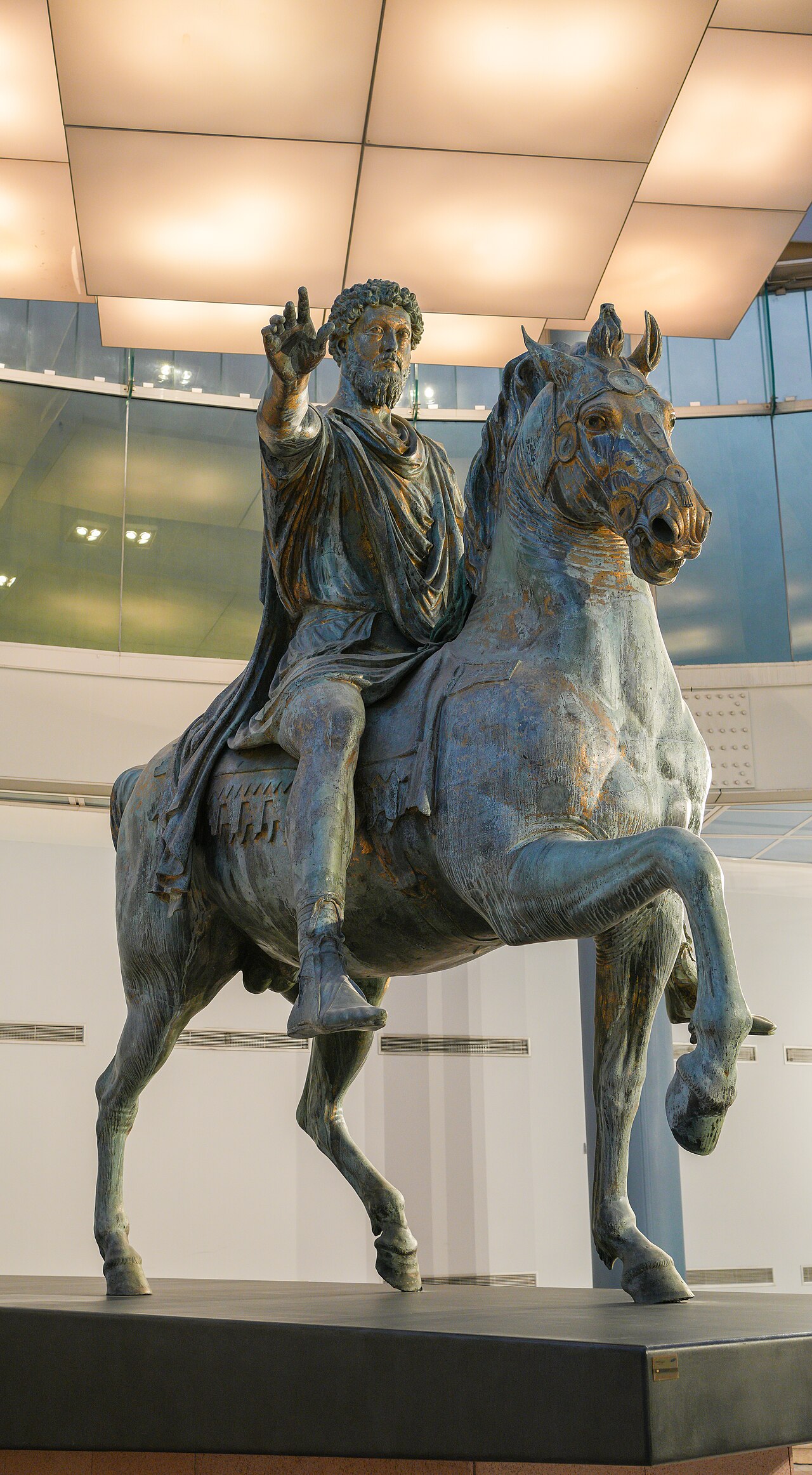
Equestrian Statue of Marcus Aurelius
c. 173 AD
 Artifact
Secondary source
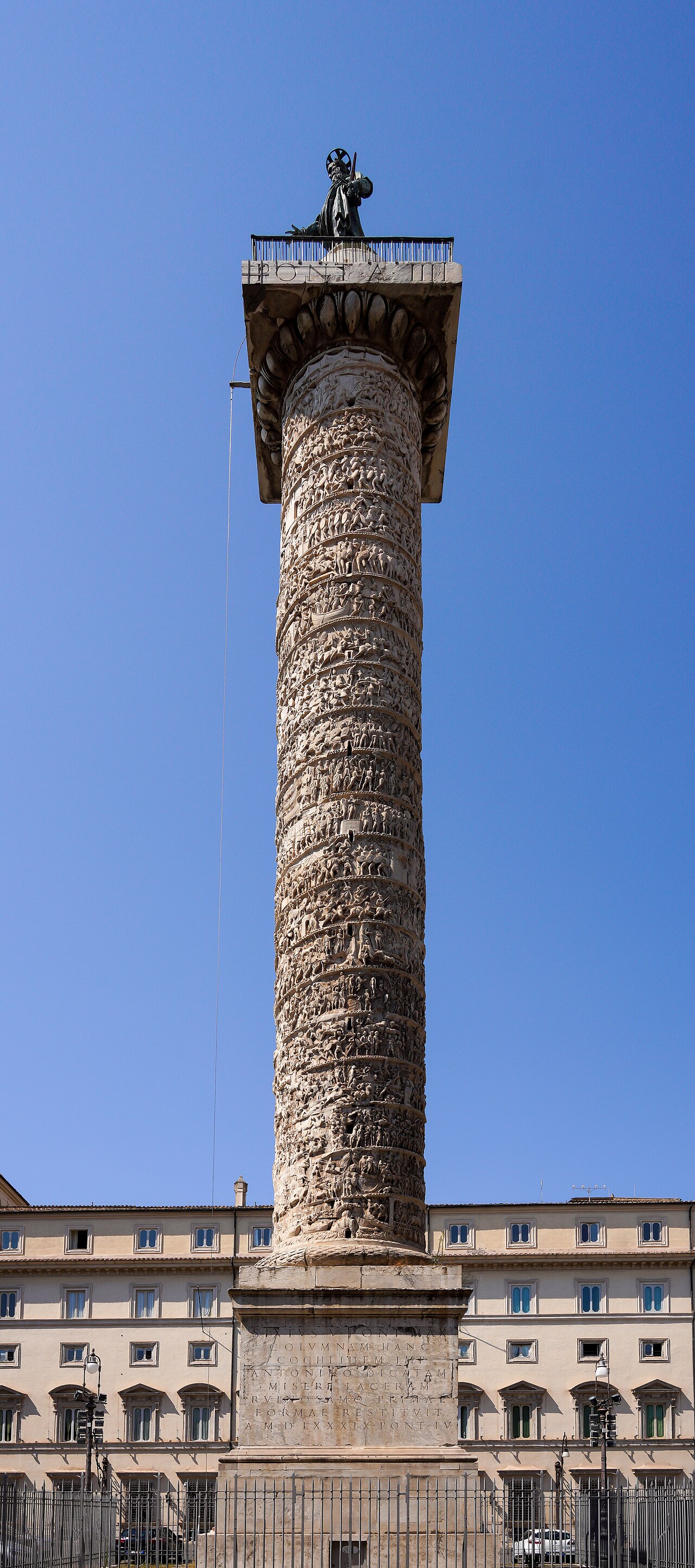
Column of Marcus Aurelius
completed c. 193 AD
Secondary source
Marcus Antoninus (Historia Augusta)
Scriptores Historiae Augustae · probably 4th century AD
 Sculpture
Primary source
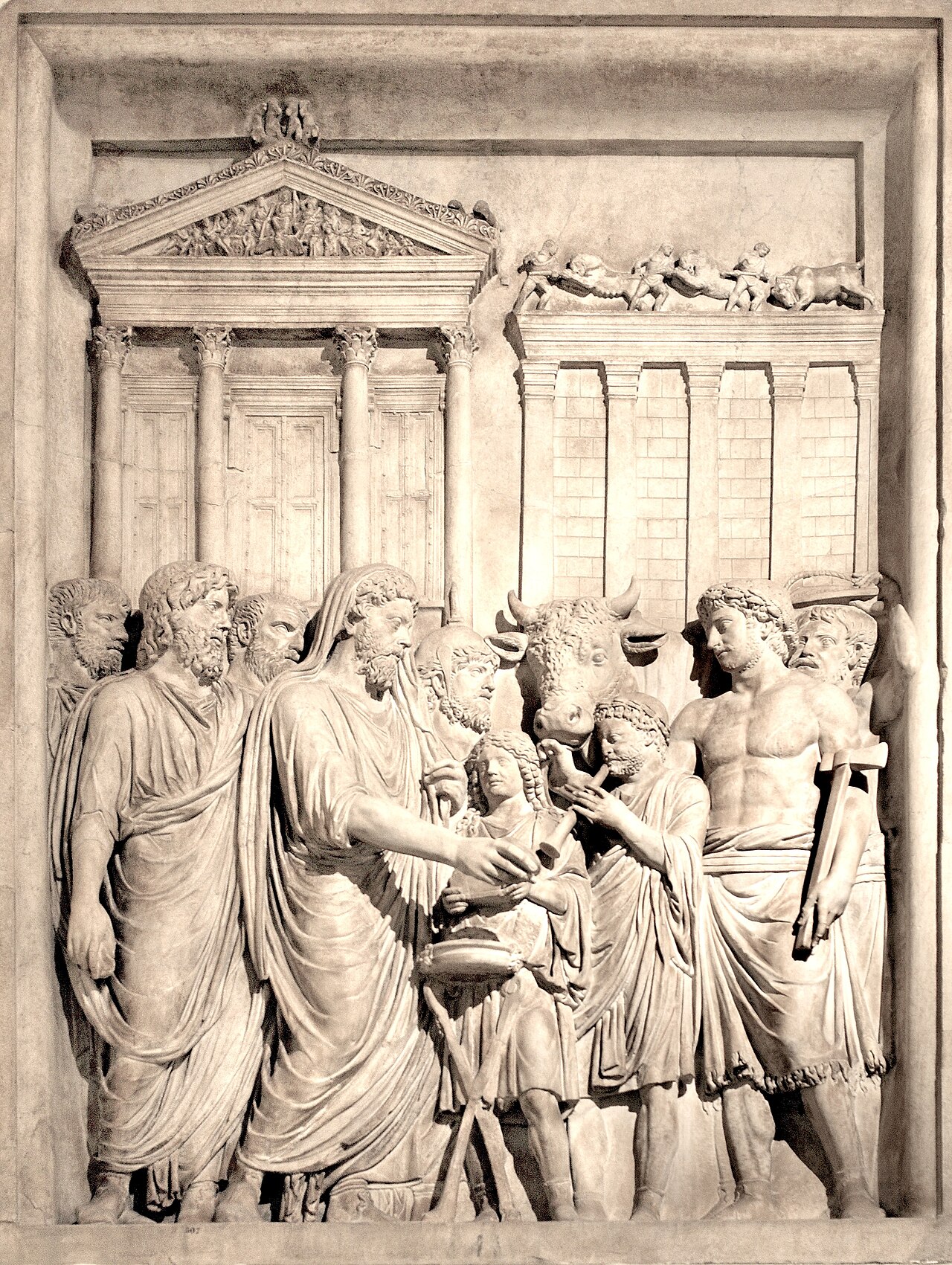
Panel Relief of Marcus Aurelius Sacrificing
Ready when you are
Start chatting with Marcus Aurelius now.
20 messages free · No credit card · Available in 50+ languages.