


Primary sourceSculpture180
Portonaccio Sarcophagus
180
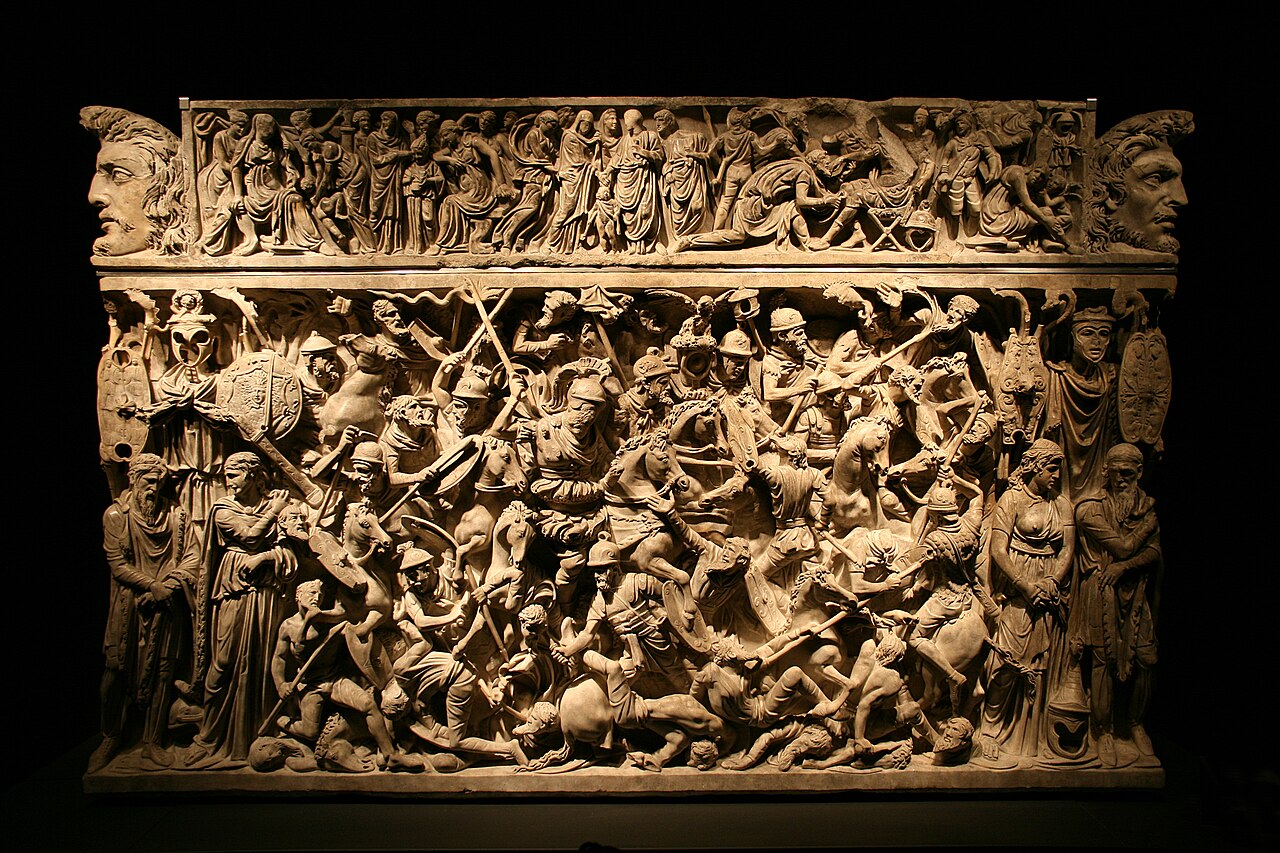
A richly carved Roman sarcophagus showing battle between Romans and Germanic warriors, likely made for a general who served in Marcus Aurelius's frontier wars.
Made during the wars Marcus Aurelius led against Germanic and Sarmatian peoples, this sarcophagus reflects the military conflicts that shaped his later reign.
About this source
What it is
This marble sarcophagus, dated to around 180 AD, was found in the Portonaccio area of Rome and is now in the Museo Nazionale Romano. It was probably made for a Roman general who died during the German-Sarmatic campaign of Marcus Aurelius's Marcomannic Wars. An inscription names the general it was built for.
Why it matters
The crowded, violent battle scenes reflect the long frontier wars that dominated the later reign of Marcus Aurelius, who spent years campaigning against Germanic and Sarmatian peoples. The sarcophagus shows how Roman elites used funerary art to celebrate military victory, and its unfinished face suggests it may have been carved before a buyer was found.
Look closer
- Why do you think the central general's face was left unfinished?
- How are the Romans and the barbarian warriors shown differently in size and expression?
- What does this sarcophagus leave out about the people the Romans were fighting?
This sculpture is part of the curated material that grounds the AI version of Marcus Aurelius on Humy.ai — when students ask about related events, the AI can quote it and cite it.
More Marcus Aurelius sources
Meet the AI Marcus Aurelius →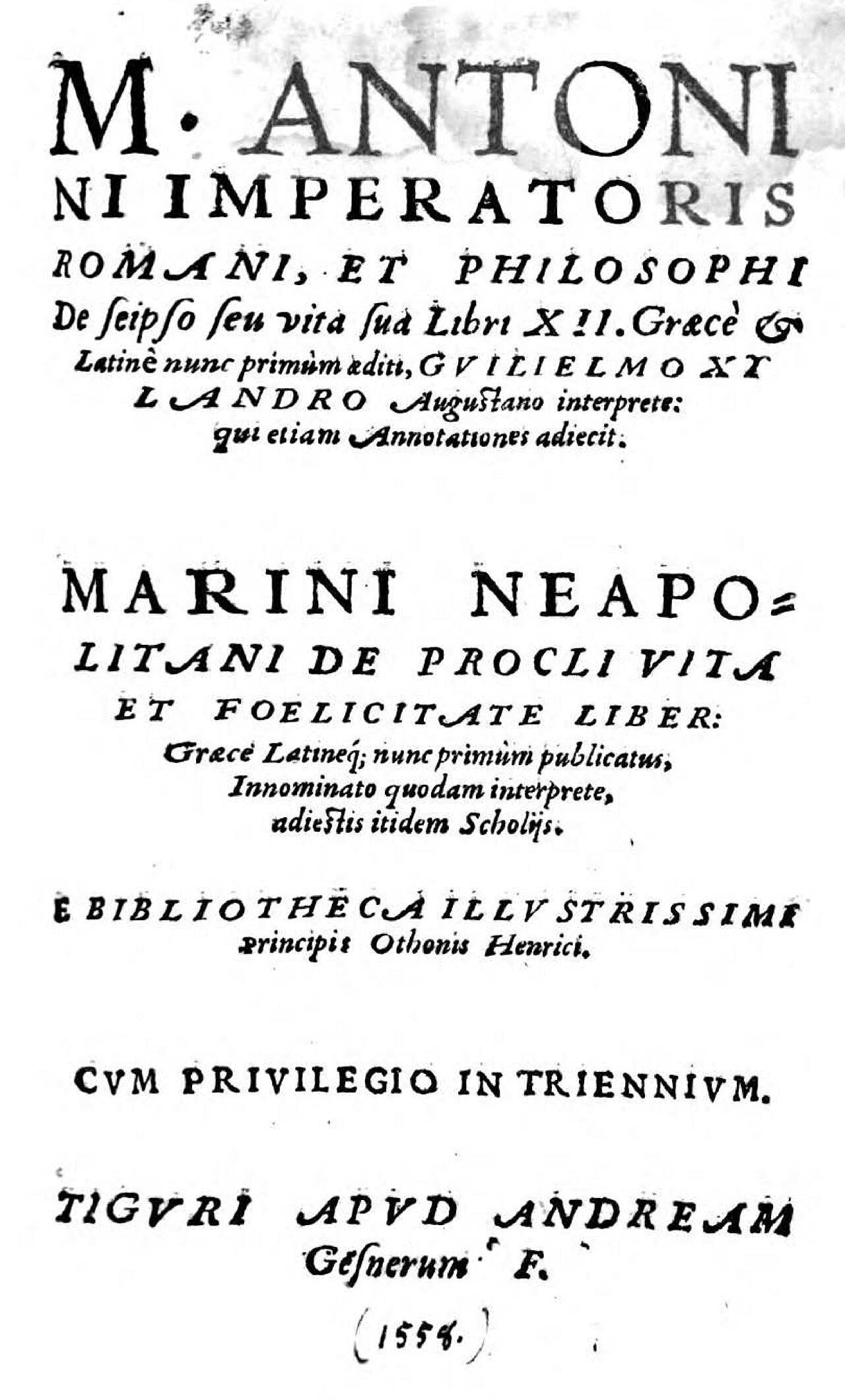 Book
Primary source
Meditations
Marcus Aurelius · c. 170-180 AD (this edition printed 1558)
 Sculpture
Primary source
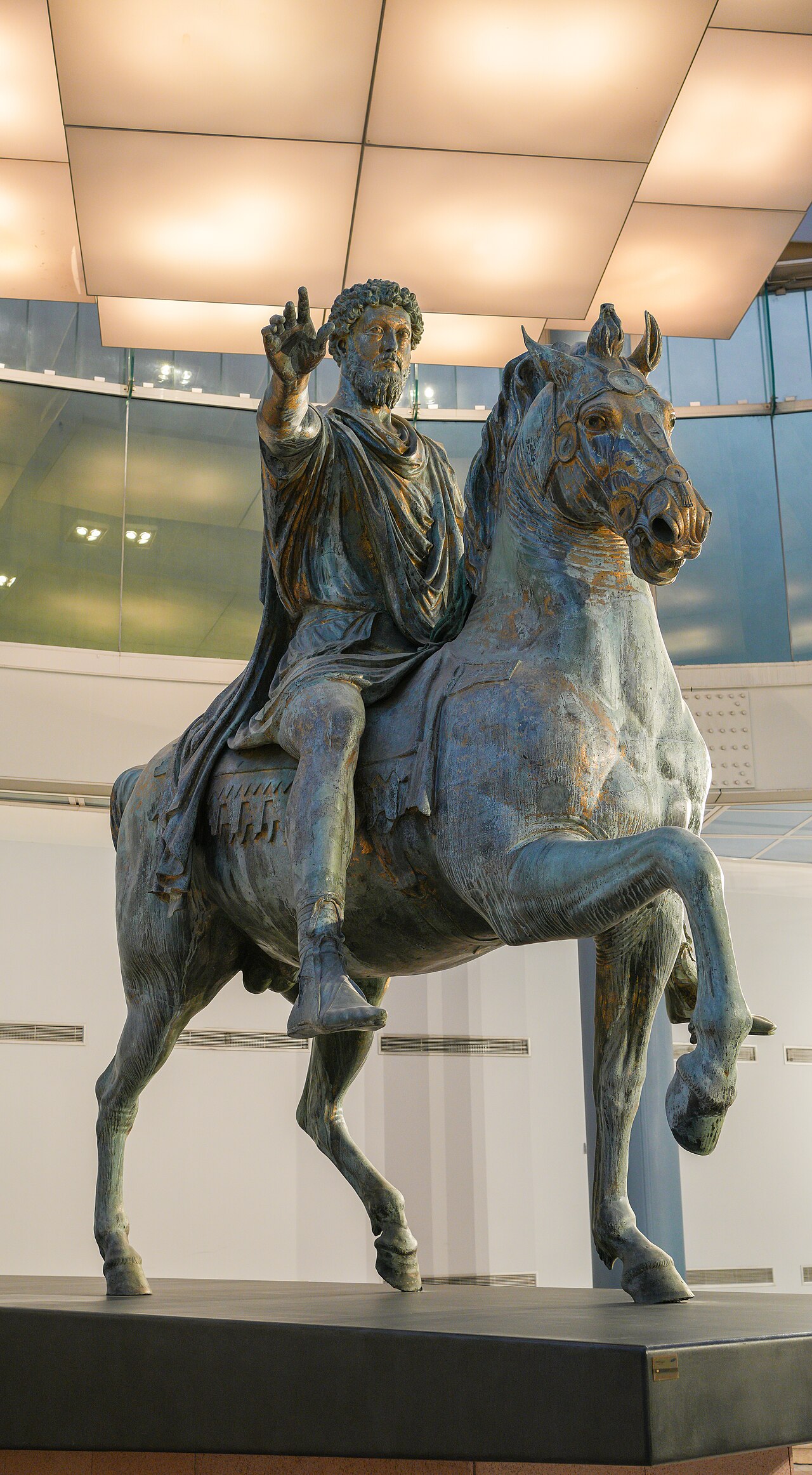
Equestrian Statue of Marcus Aurelius
c. 173 AD
 Artifact
Secondary source
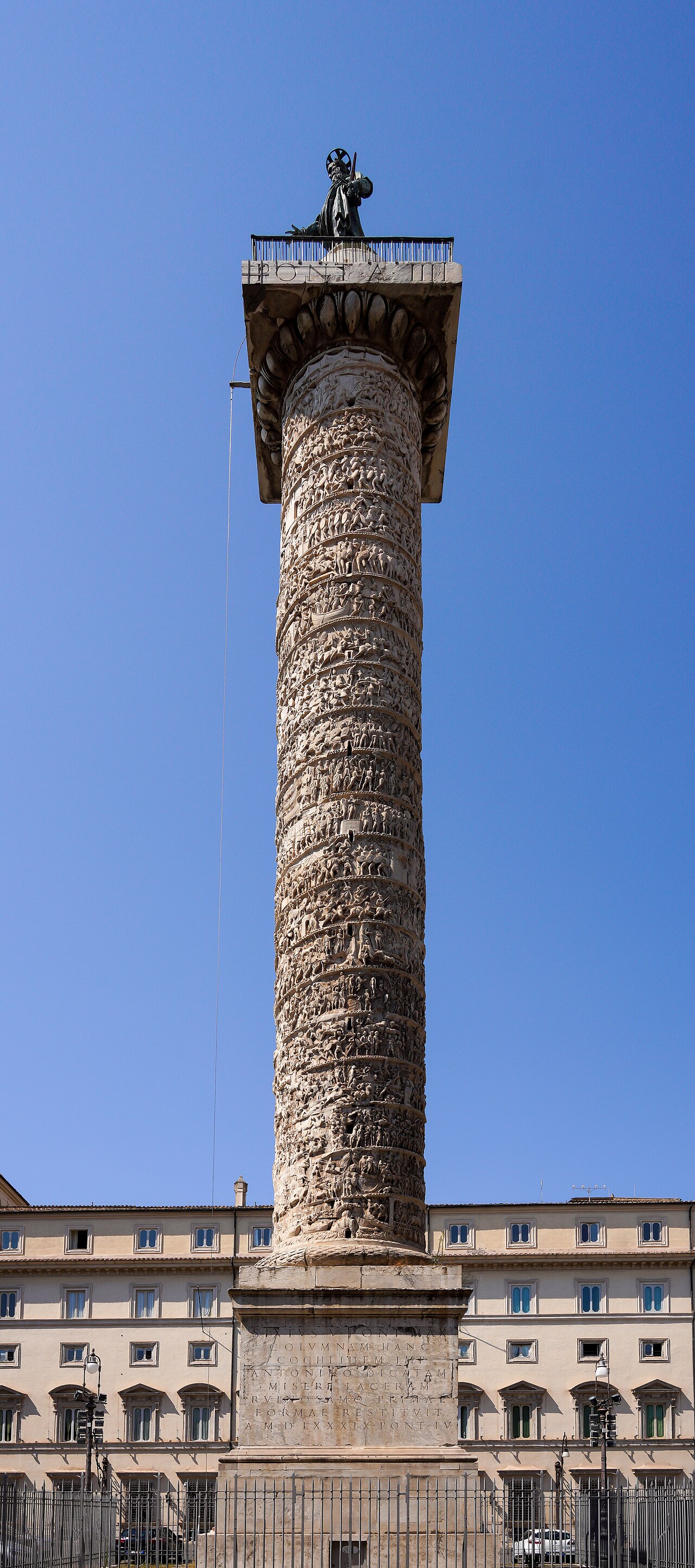
Column of Marcus Aurelius
completed c. 193 AD
Secondary source
Marcus Antoninus (Historia Augusta)
Scriptores Historiae Augustae · probably 4th century AD
 Sculpture
Primary source
Panel Relief of Marcus Aurelius Sacrificing
Ready when you are
Start chatting with Marcus Aurelius now.
20 messages free · No credit card · Available in 50+ languages.