


Secondary sourceArtifactlate 16th-early 17th century
Cameo of Marcus Aurelius
late 16th-early 17th century
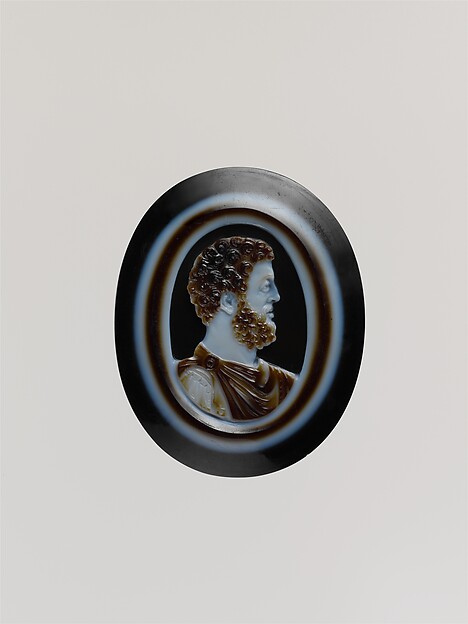
A carved sardonyx cameo showing Marcus Aurelius in profile, made in the late sixteenth or early seventeenth century, probably long after his death.
Shows how a later carver imagined Marcus Aurelius as a classical profile on a prized stone.
About this source
What it is
This is an oval cameo carved from sardonyx, a stone with white and brown layers. It is dated to the late sixteenth to early seventeenth century and is held by The Metropolitan Museum of Art. It came from The Milton Weil Collection, given in 1938. The image shows a bearded man with curly hair in profile facing right, wearing a draped garment on his shoulder. The carver is not named in the record.
Why it matters
Carved gems and cameos were prized by collectors who wanted to own images of famous figures from the ancient world. This cameo was probably made centuries after Marcus Aurelius died, so it shows a later artistic view of him. It reflects the fashion for classical portraits in early modern Europe.
Look closer
- What does the stone's layered color add to the carving, and why might a carver choose it?
- Who would have owned or worn a small object like this, and what does that suggest about its value?
- What can a small carved gem tell us about Marcus Aurelius, and what can it not tell us?
This artifact is part of the curated material that grounds the AI version of Marcus Aurelius on Humy.ai — when students ask about related events, the AI can quote it and cite it.
More Marcus Aurelius sources
Meet the AI Marcus Aurelius →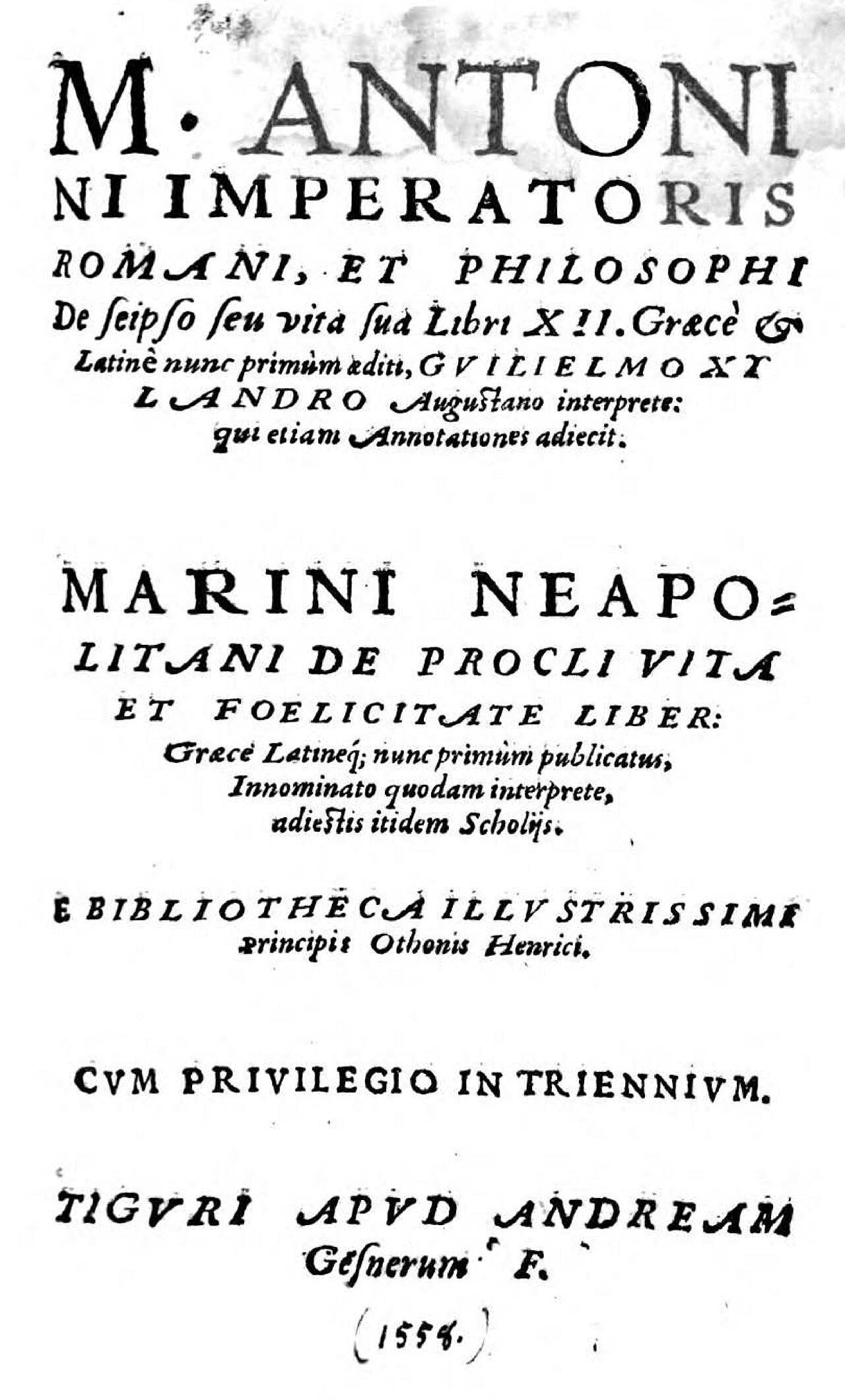 Book
Primary source
Meditations
Marcus Aurelius · c. 170-180 AD (this edition printed 1558)
 Sculpture
Primary source
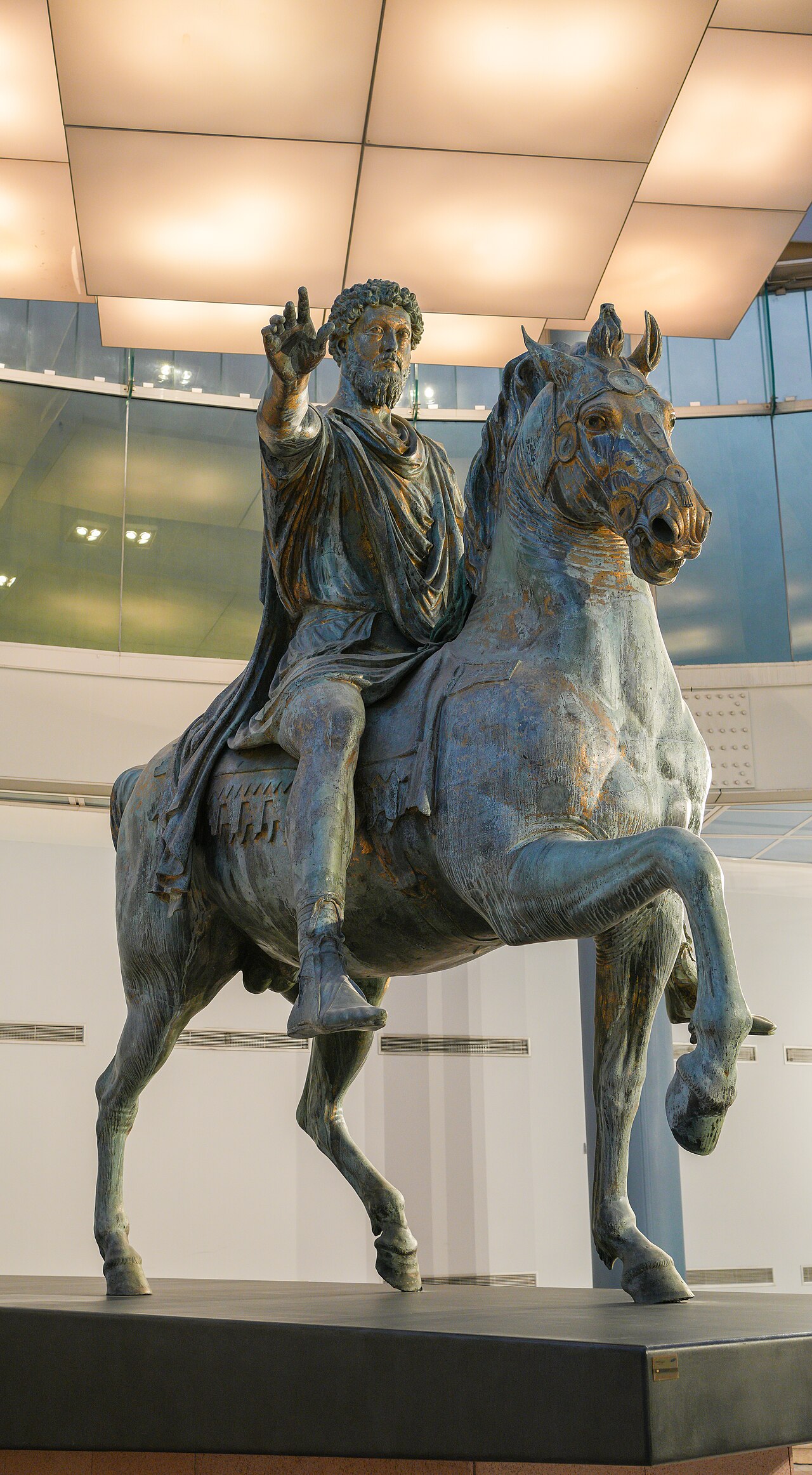
Equestrian Statue of Marcus Aurelius
c. 173 AD
 Artifact
Secondary source
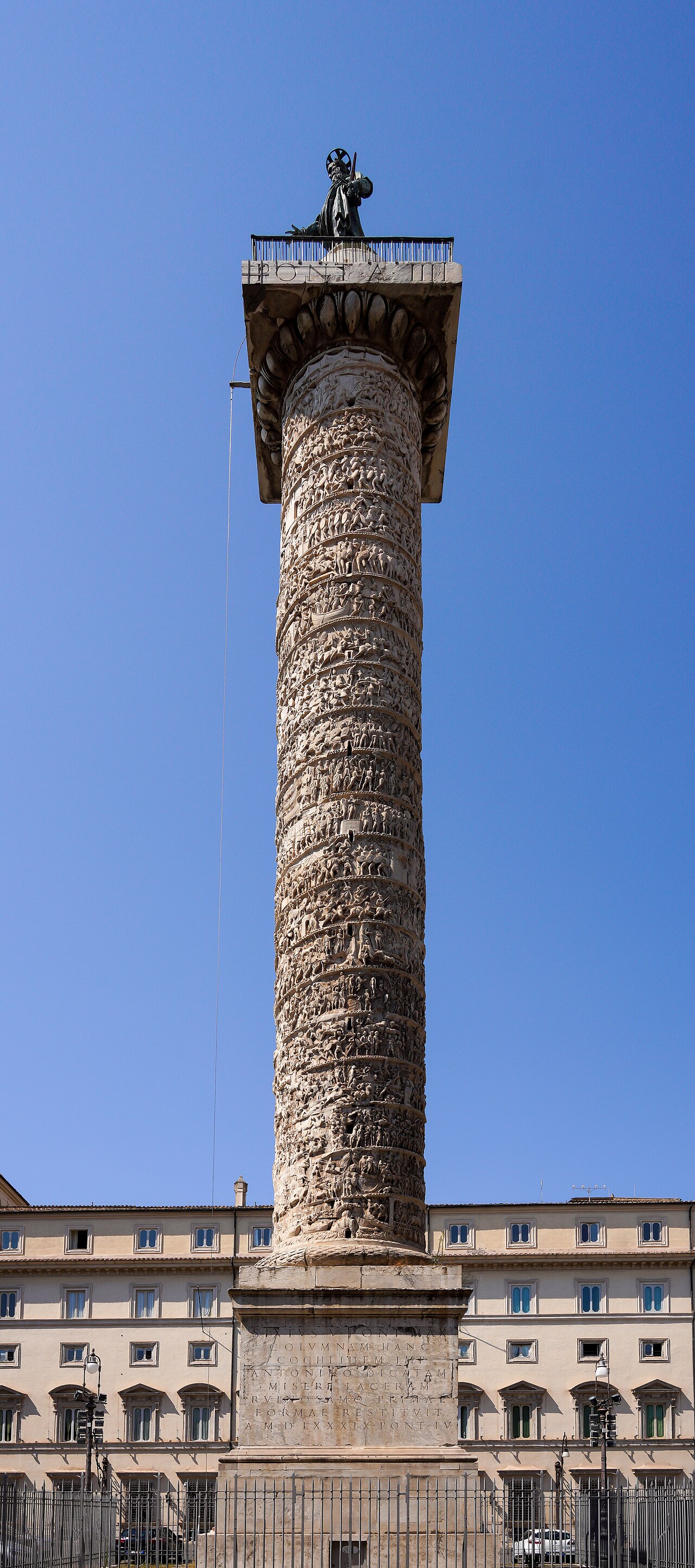
Column of Marcus Aurelius
completed c. 193 AD
Secondary source
Marcus Antoninus (Historia Augusta)
Scriptores Historiae Augustae · probably 4th century AD
 Sculpture
Primary source
Panel Relief of Marcus Aurelius Sacrificing
Ready when you are
Start chatting with Marcus Aurelius now.
20 messages free · No credit card · Available in 50+ languages.