


Primary sourceSculpture192 AD
Commodus as Hercules
192 AD
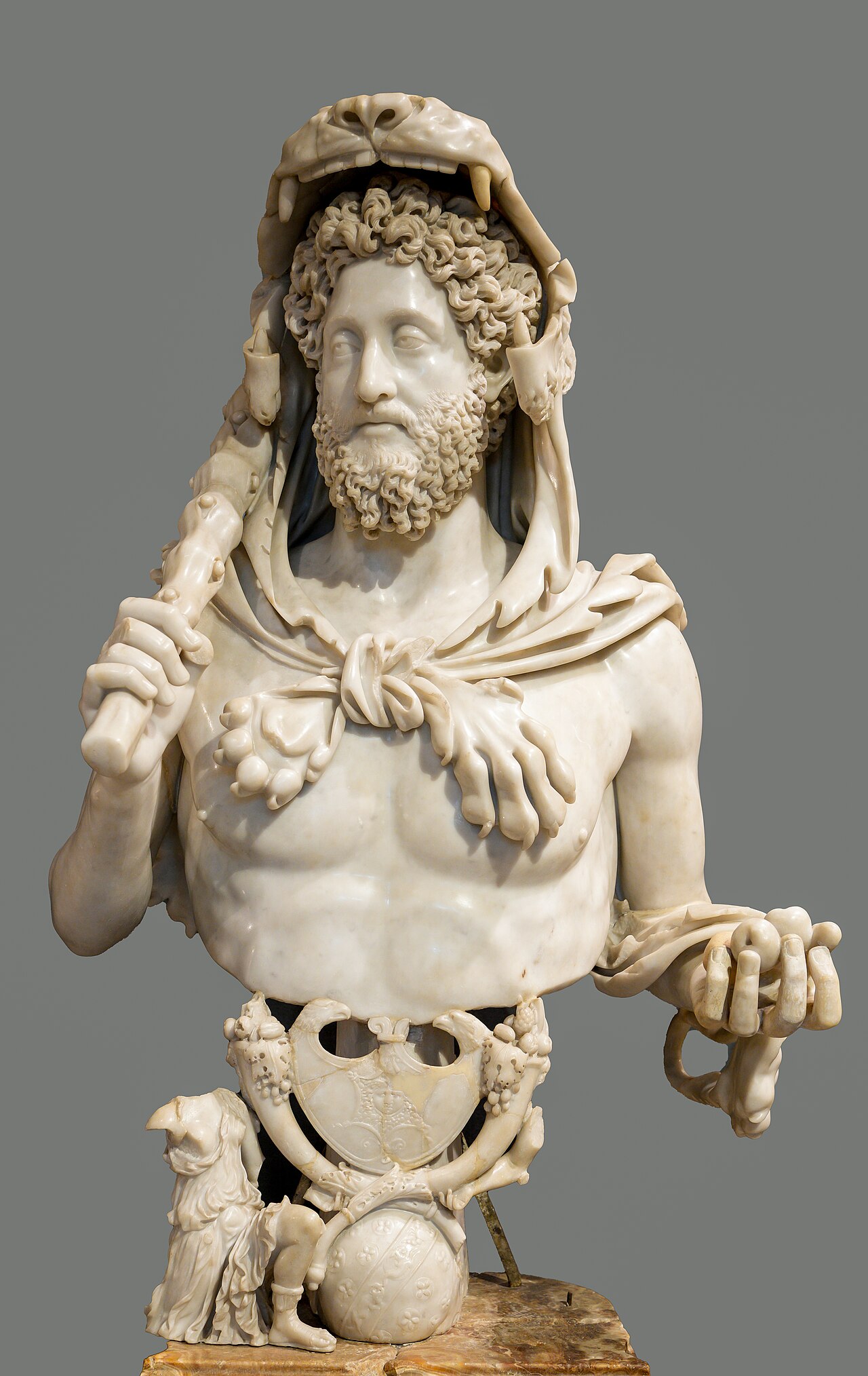
A marble bust of Marcus Aurelius's son Commodus posed as the hero Hercules, showing the emperor who succeeded him.
This bust of Commodus, Marcus Aurelius's son and successor, shows the dramatic change in style between father and heir.
About this source
What it is
This marble bust, made around early 192 AD, shows Commodus, son and successor of Marcus Aurelius, dressed as the mythological hero Hercules, wearing a lion-skin headdress and holding a club. It is held at the Capitoline Museums in Rome and was found in 1874.
Why it matters
Commodus associated himself closely with Hercules during his reign, and this bust is one of the most famous examples of Roman imperial self-image. It marks a dramatic contrast with his father Marcus Aurelius, a philosopher-emperor, and has been read by some scholars as flattering and by others as subtly mocking its subject.
Look closer
- What symbols has the sculptor used to link Commodus with Hercules, and why might that message matter?
- Some experts think this portrait might be ironic rather than purely flattering — what details might support that idea?
- How does this image of an emperor compare with portraits of Marcus Aurelius himself?
This sculpture is part of the curated material that grounds the AI version of Marcus Aurelius on Humy.ai — when students ask about related events, the AI can quote it and cite it.
More Marcus Aurelius sources
Meet the AI Marcus Aurelius →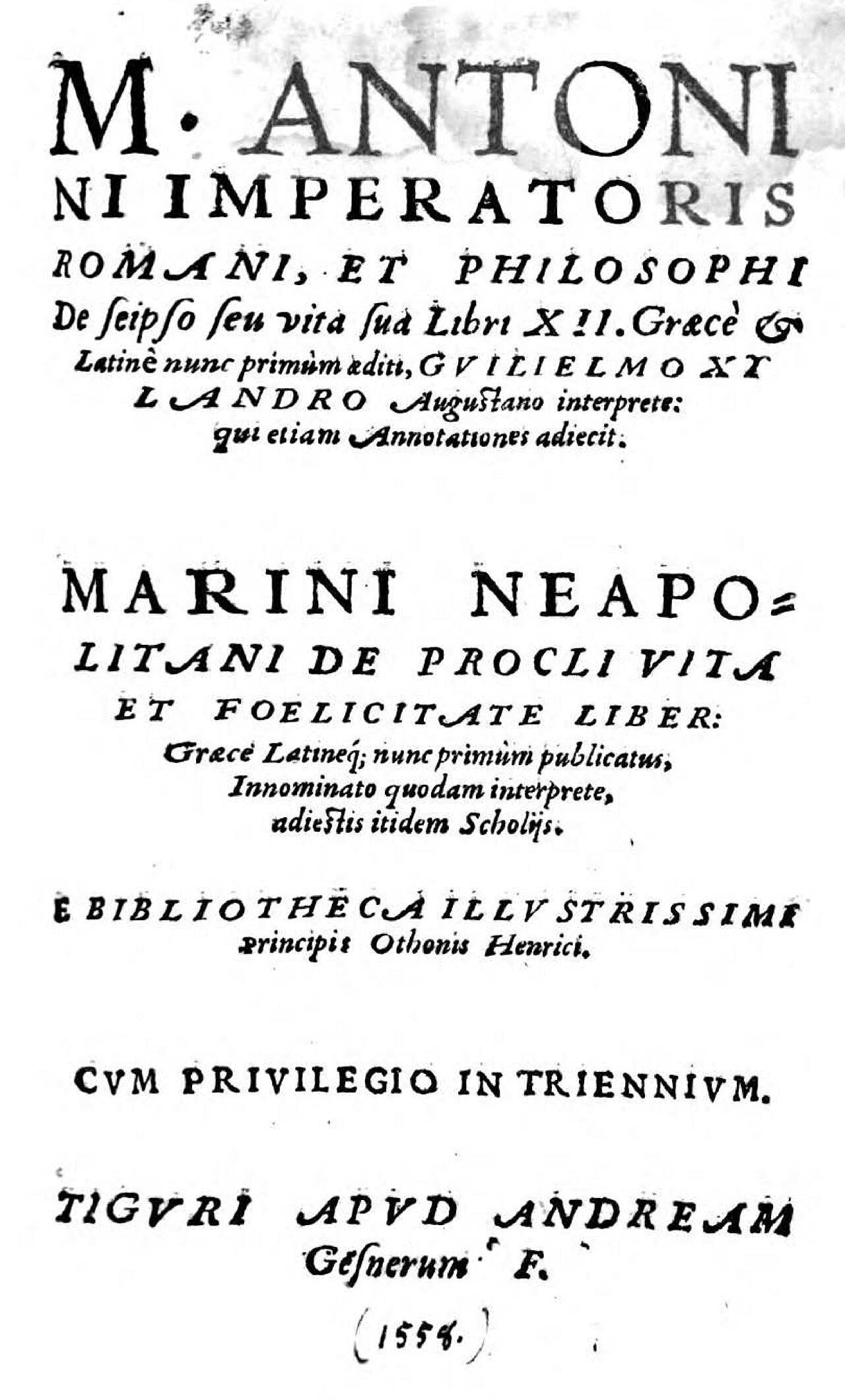 Book
Primary source
Meditations
Marcus Aurelius · c. 170-180 AD (this edition printed 1558)
 Sculpture
Primary source
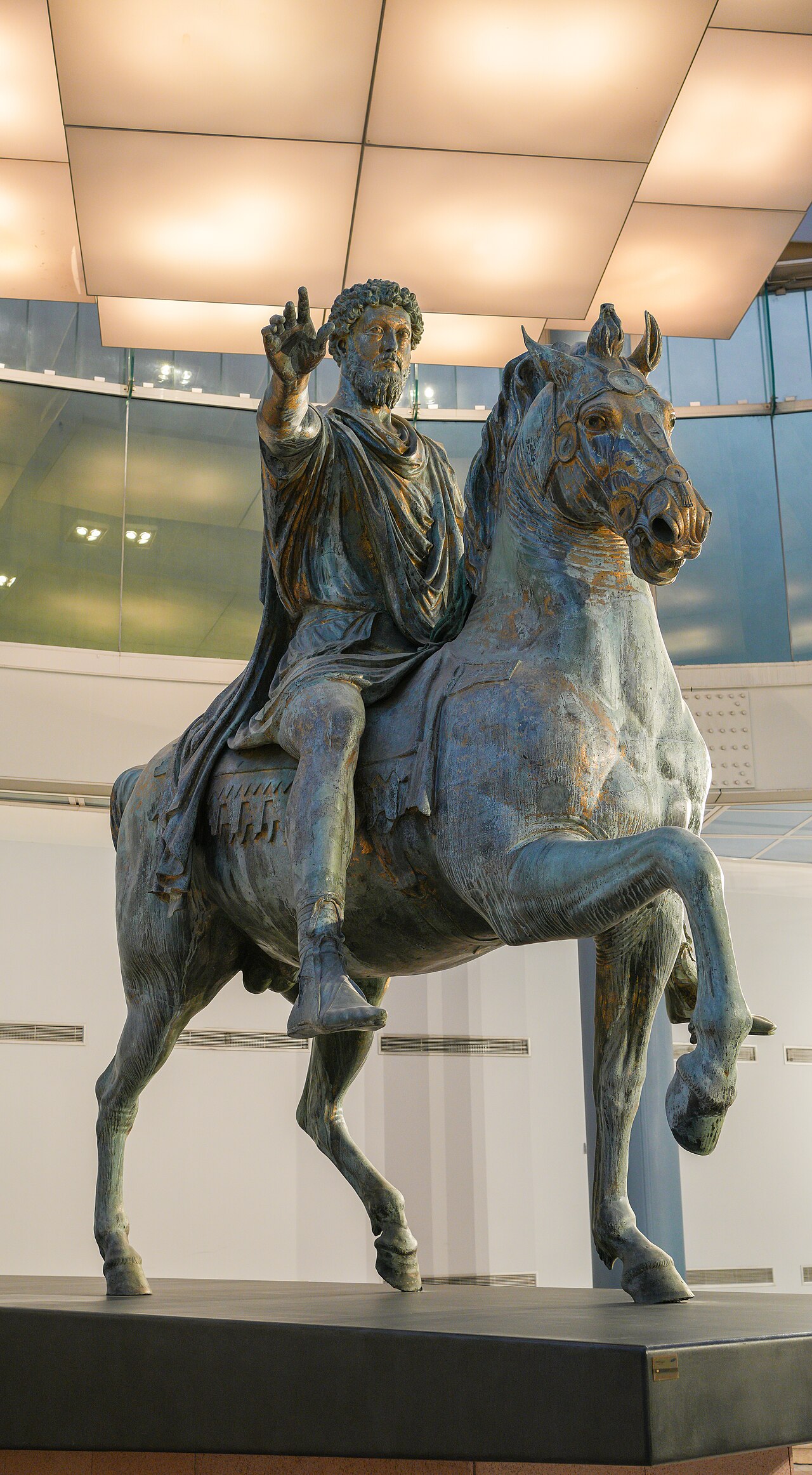
Equestrian Statue of Marcus Aurelius
c. 173 AD
 Artifact
Secondary source
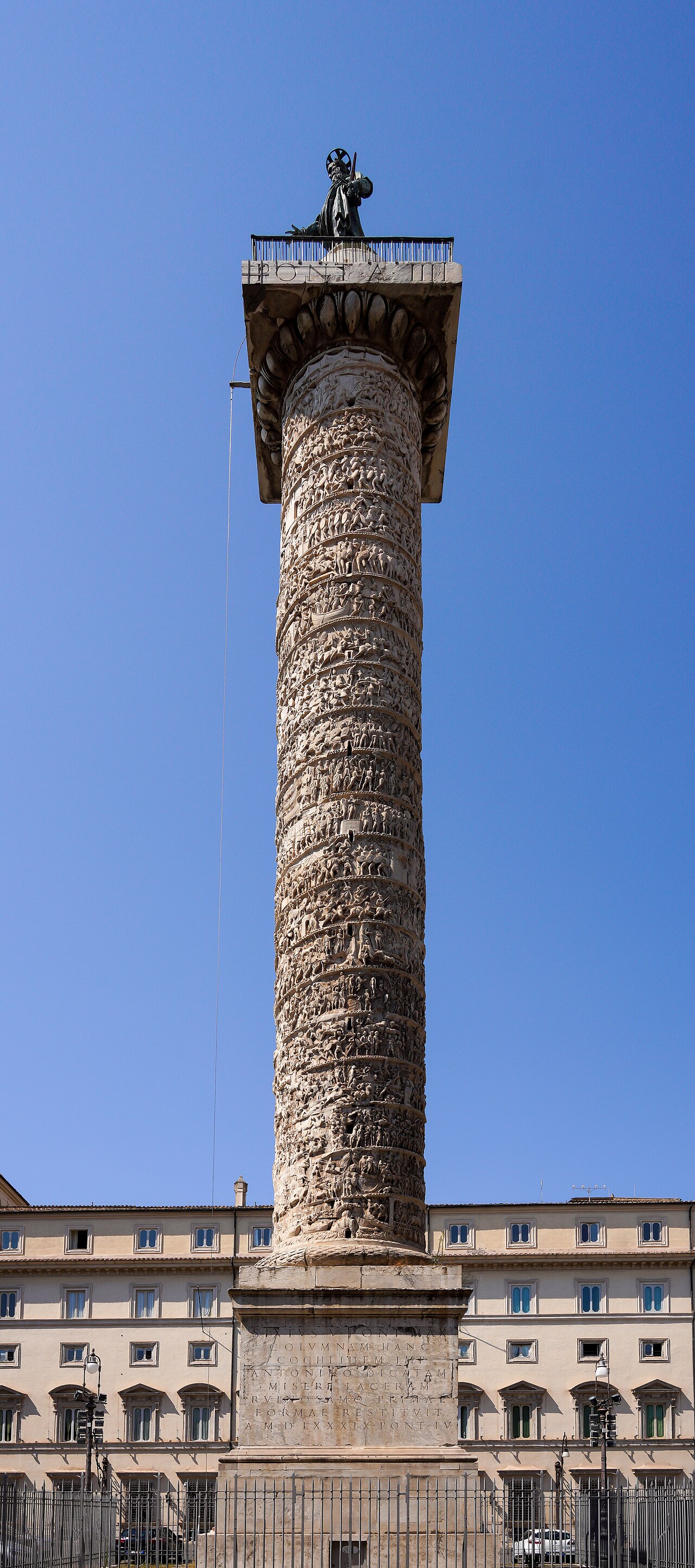
Column of Marcus Aurelius
completed c. 193 AD
Secondary source
Marcus Antoninus (Historia Augusta)
Scriptores Historiae Augustae · probably 4th century AD
 Sculpture
Primary source
Panel Relief of Marcus Aurelius Sacrificing
Ready when you are
Start chatting with Marcus Aurelius now.
20 messages free · No credit card · Available in 50+ languages.