


Primary sourceDocument1964
Escobedo v. Illinois
Arthur Goldberg · 1964
A 1964 Supreme Court ruling on the right to counsel during police interrogation, whose confusion led directly to the Miranda v. Arizona case.
This earlier ruling's unclear standard on counsel during interrogation prompted the Court to take up Miranda's case.
About this source
What it is
This is the 1964 Supreme Court decision Escobedo v. Illinois, written by Justice Arthur Goldberg, which held that criminal suspects have a right to counsel during police interrogation under the Sixth Amendment.
Why it matters
The confusion this ruling created about when and how suspects could demand a lawyer is why the Supreme Court took up Ernesto Miranda's case two years later. Miranda v. Arizona effectively replaced this decision's reasoning, grounding the right to warnings in the Fifth Amendment instead. The case shows how legal doctrine evolved step by step rather than appearing all at once.
Look closer
- Why did the police in this case refuse to let Escobedo speak with his attorney?
- What problems with this ruling might have made the Supreme Court want to revisit the issue in Miranda's case?
- How does one court case build on, or correct, an earlier one?
This document is part of the curated material that grounds the AI version of Ernesto Miranda on Humy.ai — when students ask about related events, the AI can quote it and cite it.
More Ernesto Miranda sources
Meet the AI Ernesto Miranda →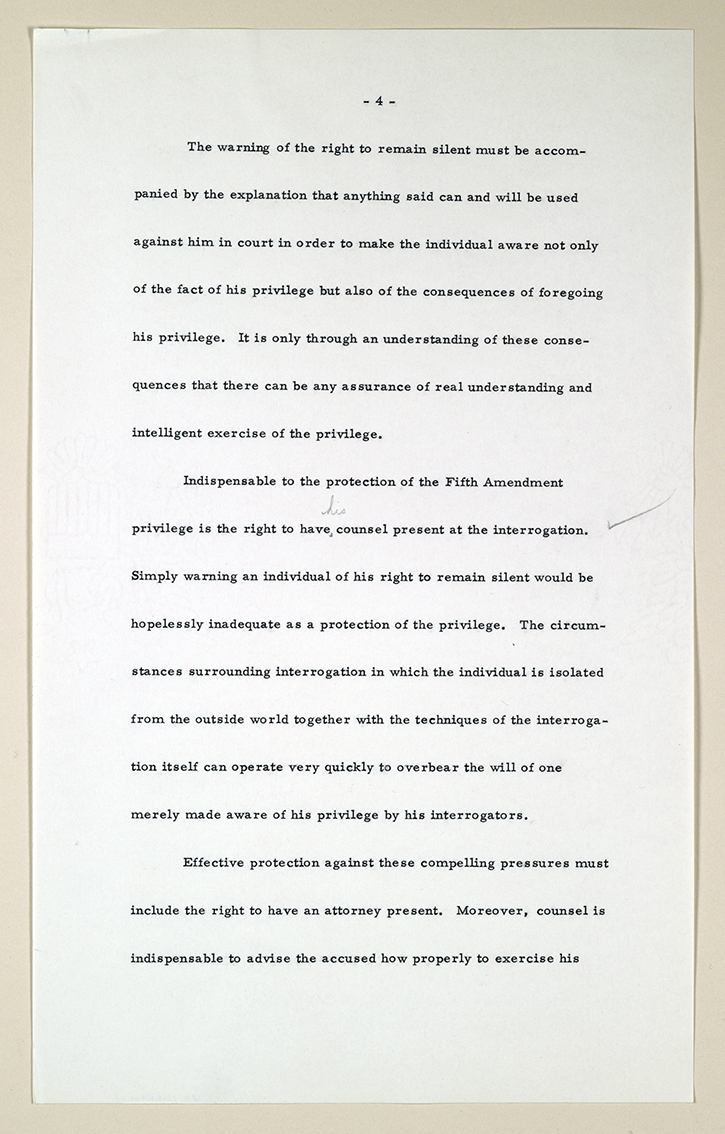 Document
Primary source
Miranda v. Arizona
Earl Warren · 13 June 1966
 Photograph
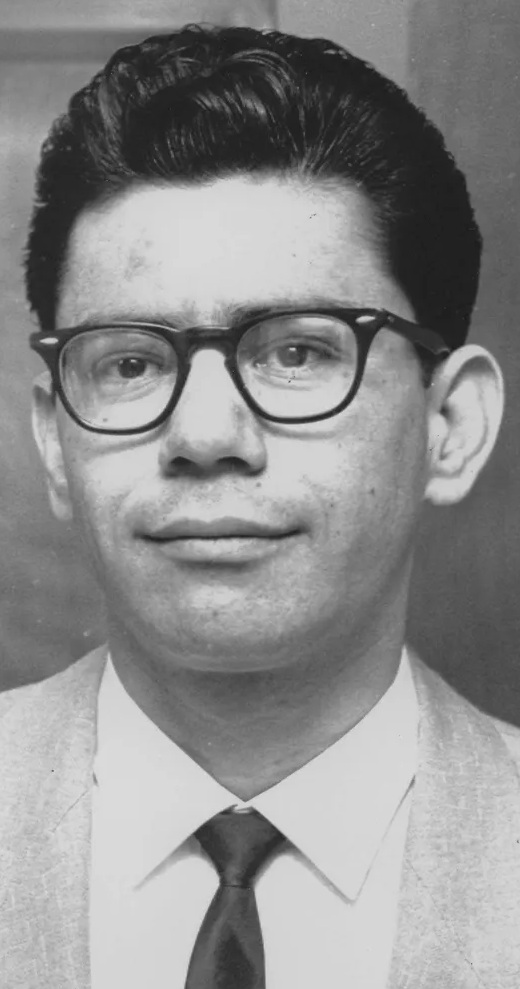
Primary source
Portrait of Ernesto Miranda
1967
Primary source
Dissenting Opinions in Miranda v. Arizona
John Marshall Harlan II; Byron White · 13 June 1966
Primary source
Harris v. New York
Supreme Court of the United States · 24 February 1971
 Document
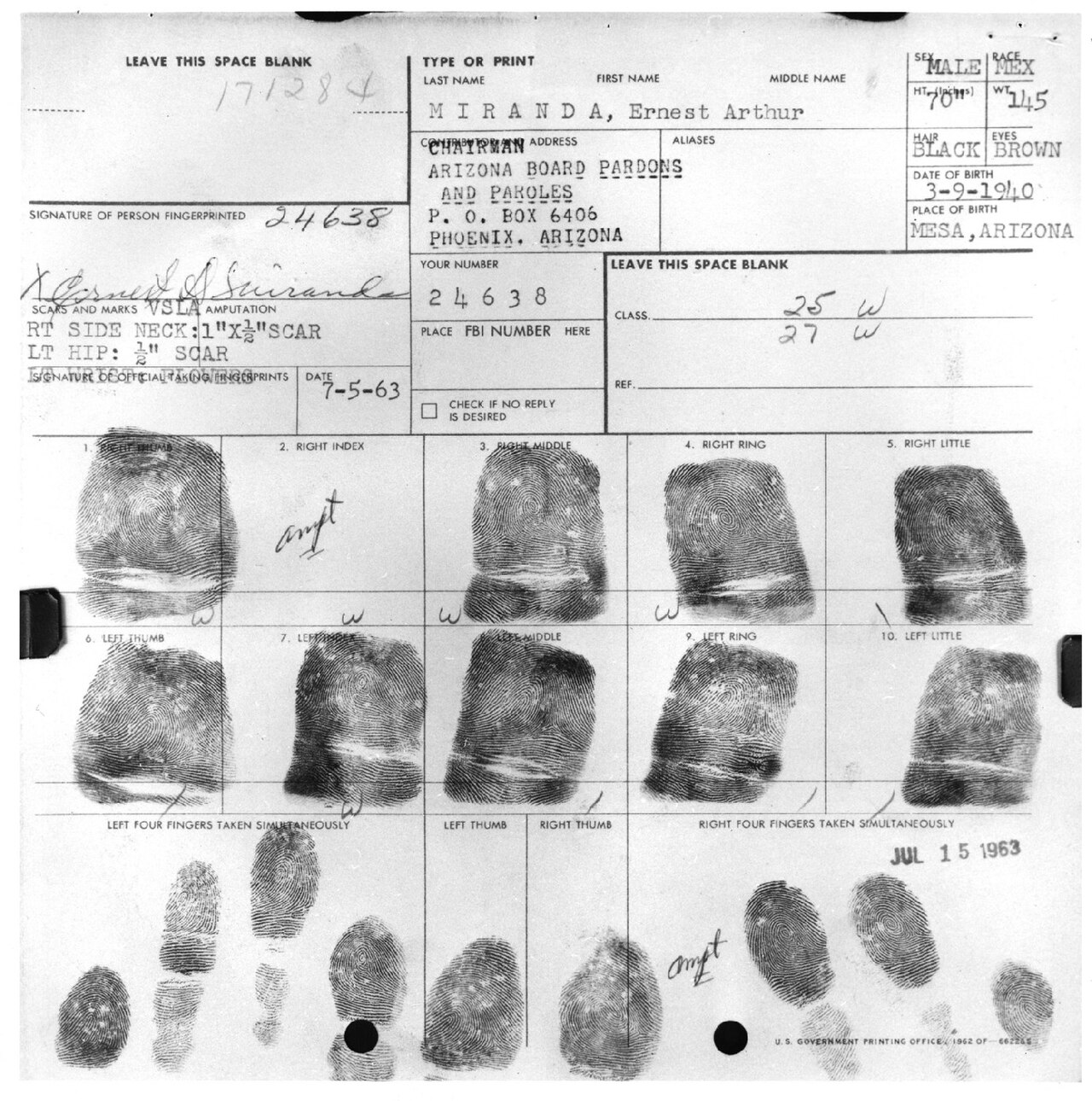
Primary source
Ernesto Miranda Fingerprints
Arizona Board Pardons and Paroles · 15 July 1963
Ready when you are
Start chatting with Ernesto Miranda now.
20 messages free · No credit card · Available in 50+ languages.