


Primary sourceDocumentc. 1831
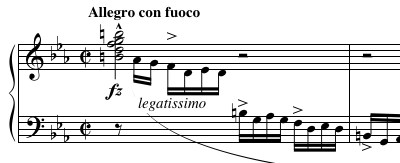
Étude Op. 10, No. 12 "Revolutionary"
Frédéric Chopin · c. 1831
A virtuoso piano étude by Chopin, traditionally linked to his grief over the failed 1830–31 Polish uprising.
A piano étude composed by Chopin, traditionally tied to his anguish over the crushed Polish uprising.
About this source
What it is
This solo piano étude in C minor was written by Frédéric Chopin around 1831, the last piece in his first set of Études, Op. 10, dedicated to his friend Franz Liszt. The autographed edition is kept in the Nydahl Collection in Stockholm.
Why it matters
Popular legend connects the piece to the failure of the November Uprising against Russian rule in Chopin's native Poland, giving it the nickname 'Revolutionary.' Beyond technical mastery of runs, octaves and arpeggios, the étude reveals how Chopin, living abroad, channelled strong feelings about his homeland into music that goes far beyond a simple technical exercise.
Look closer
- What does the fast, dramatic music suggest about the emotion behind it?
- Why might a legend about a piece of music become attached to it over time, true or not?
- How does turning a technical étude into an emotional statement change how we hear it?
This document is part of the curated material that grounds the AI version of Frederic Chopin on Humy.ai — when students ask about related events, the AI can quote it and cite it.
More Frederic Chopin sources
Browse all 94 →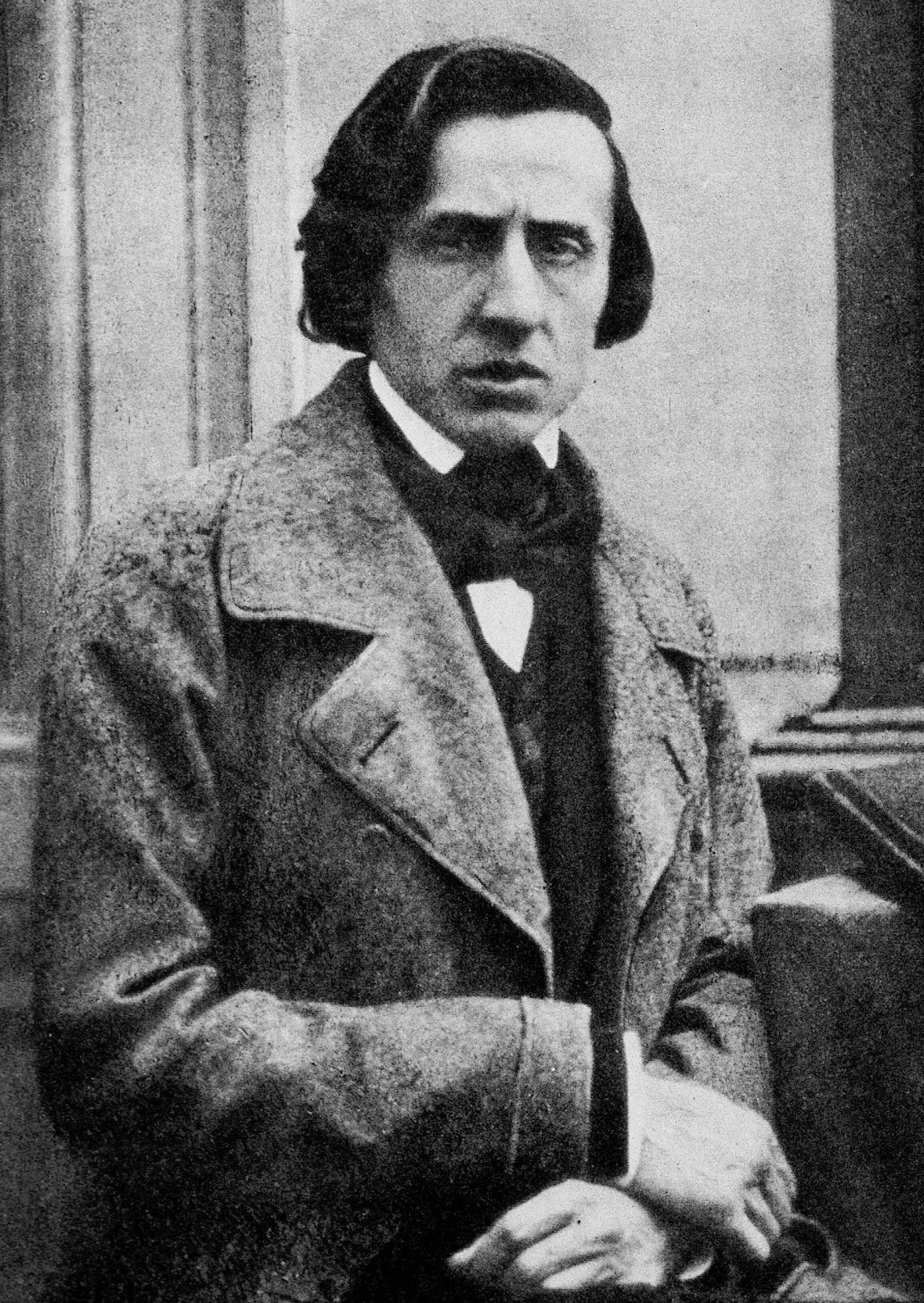 Photograph
Primary source
Portrait of Frédéric Chopin
Louis-Auguste Bisson · 1849
 Painting
Primary source
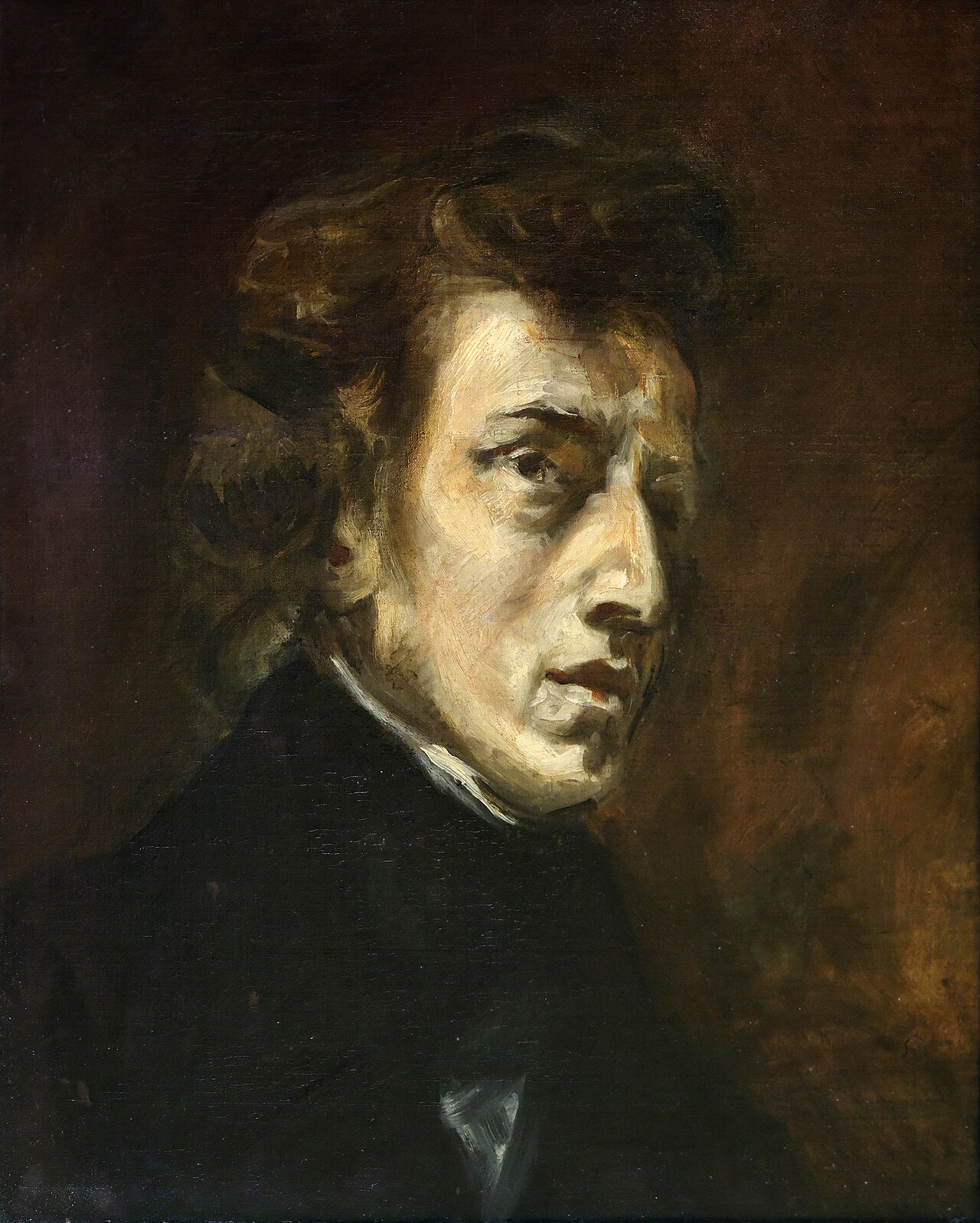
Frédéric Chopin
Eugène Delacroix · 1838
 Document
Primary source
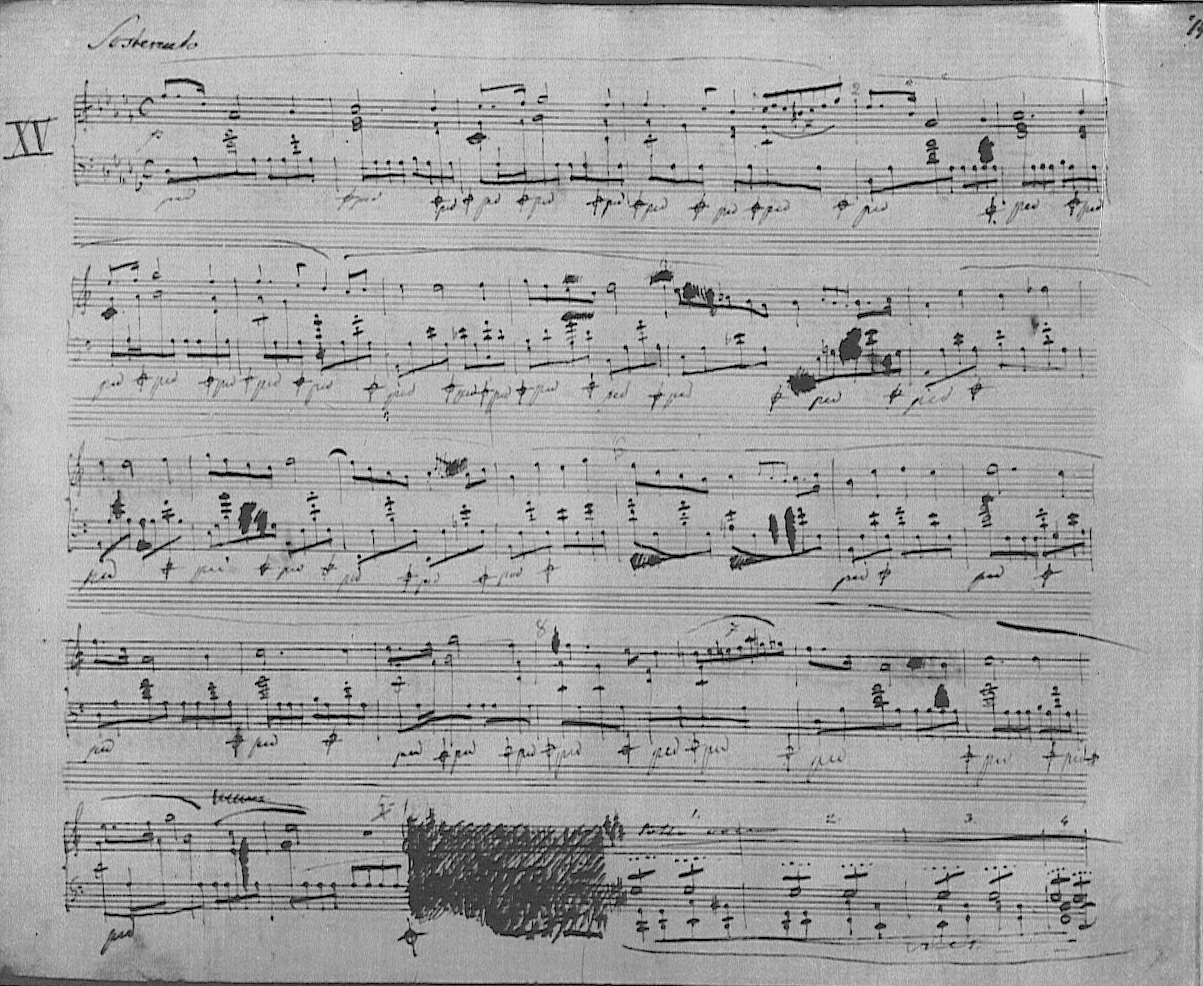
Prelude No. 15 in D-flat major "Raindrop", Op. 28
Frédéric Chopin · 1838
 Document
Primary source
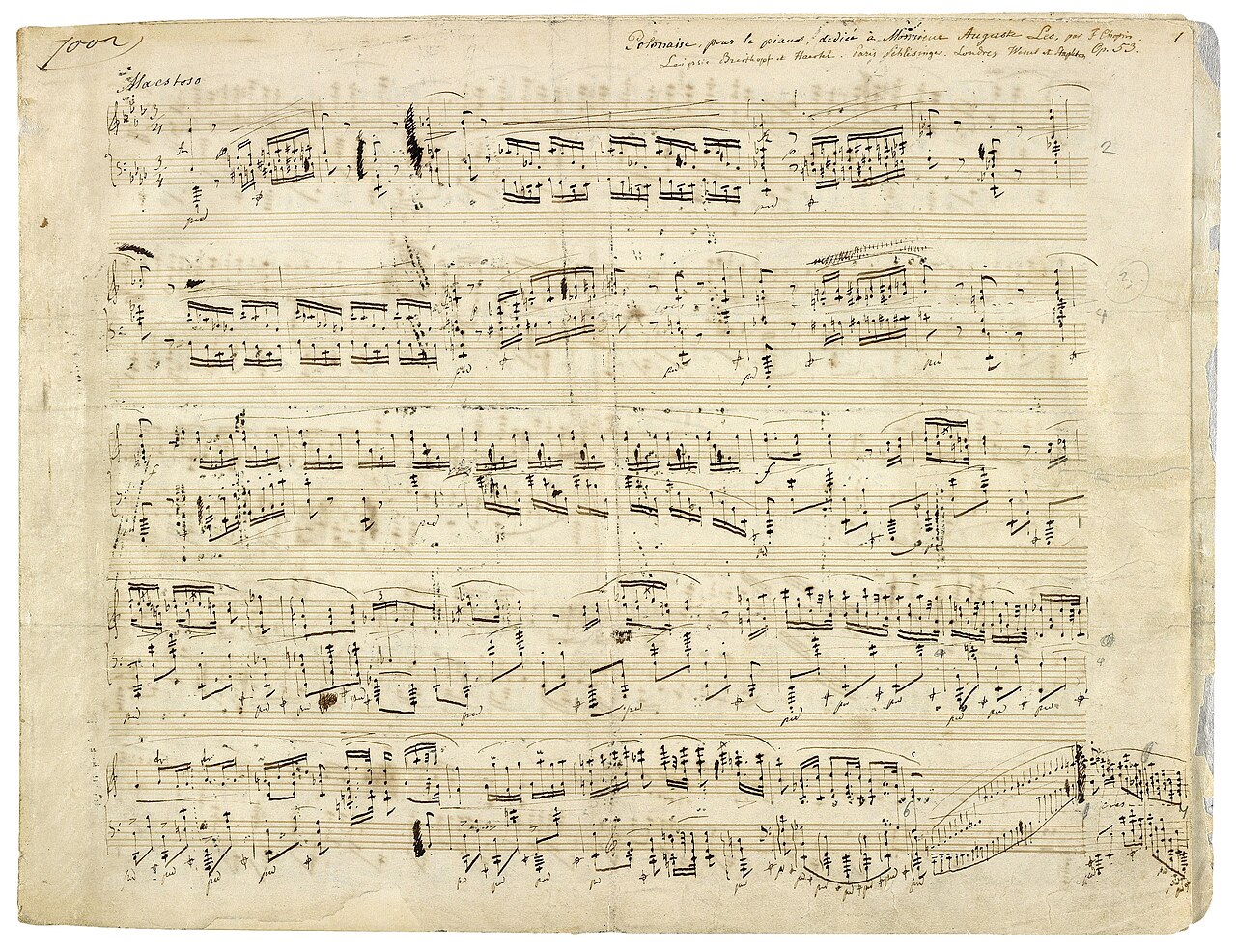
Polonaise in A-flat major "Heroic", Op. 53
Frédéric Chopin · 1842
Free account
Read every Frederic Chopin source
Sign up free →
Ready when you are
Start chatting with Frederic Chopin now.
20 messages free · No credit card · Available in 50+ languages.