


Primary sourceDocument1838
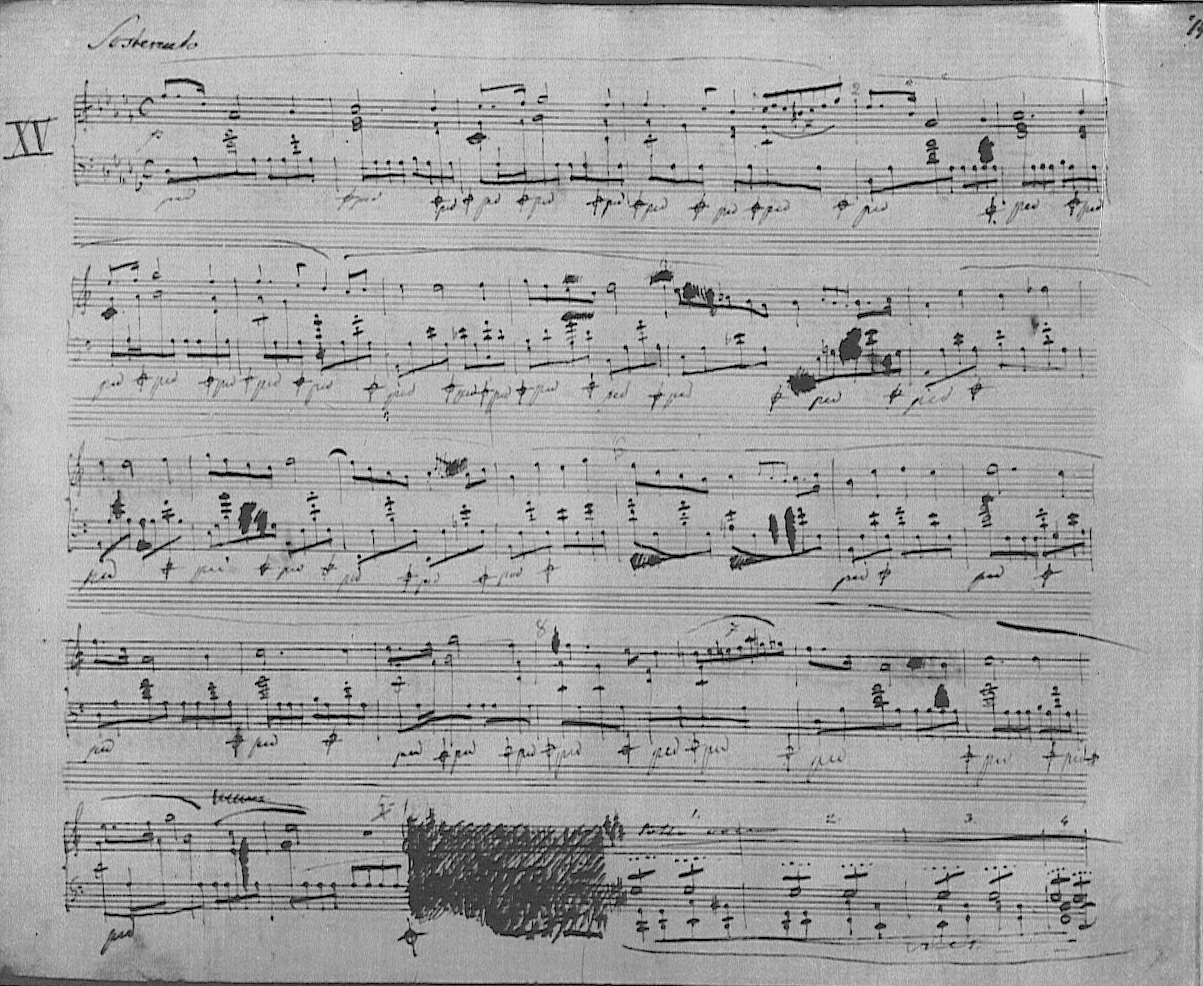
Prelude No. 15 in D-flat major "Raindrop", Op. 28
Frédéric Chopin · 1838
One of Chopin's 24 preludes, composed during his 1838 stay in Mallorca with George Sand, nicknamed for its repeating note.
A prelude composed by Chopin during his winter with George Sand, who recorded his reaction to it.
About this source
What it is
This piano prelude in D-flat major is part of Chopin's set of 24 Preludes, Op. 28, partly written in 1838 during his stay with George Sand at a monastery in Valldemossa, Mallorca. Its famous repeating note has led to its nickname, the 'Raindrop' prelude.
Why it matters
George Sand, Chopin's companion, described in her memoir an evening when she found him distraught, believing he had dreamed of drowning while rain fell outside. Chopin himself denied the music was meant to imitate raindrops, insisting his music transformed nature into musical thought rather than copying sounds directly, showing how legends can grow around a composer's intentions.
Look closer
- Why might listeners want to hear a story like 'raindrops' in music that has no words?
- What does Chopin's own objection tell us about how he saw his art?
- What can the scratched-out measures on the manuscript tell us about his working process?
This document is part of the curated material that grounds the AI version of Frederic Chopin on Humy.ai — when students ask about related events, the AI can quote it and cite it.
More Frederic Chopin sources
Browse all 94 →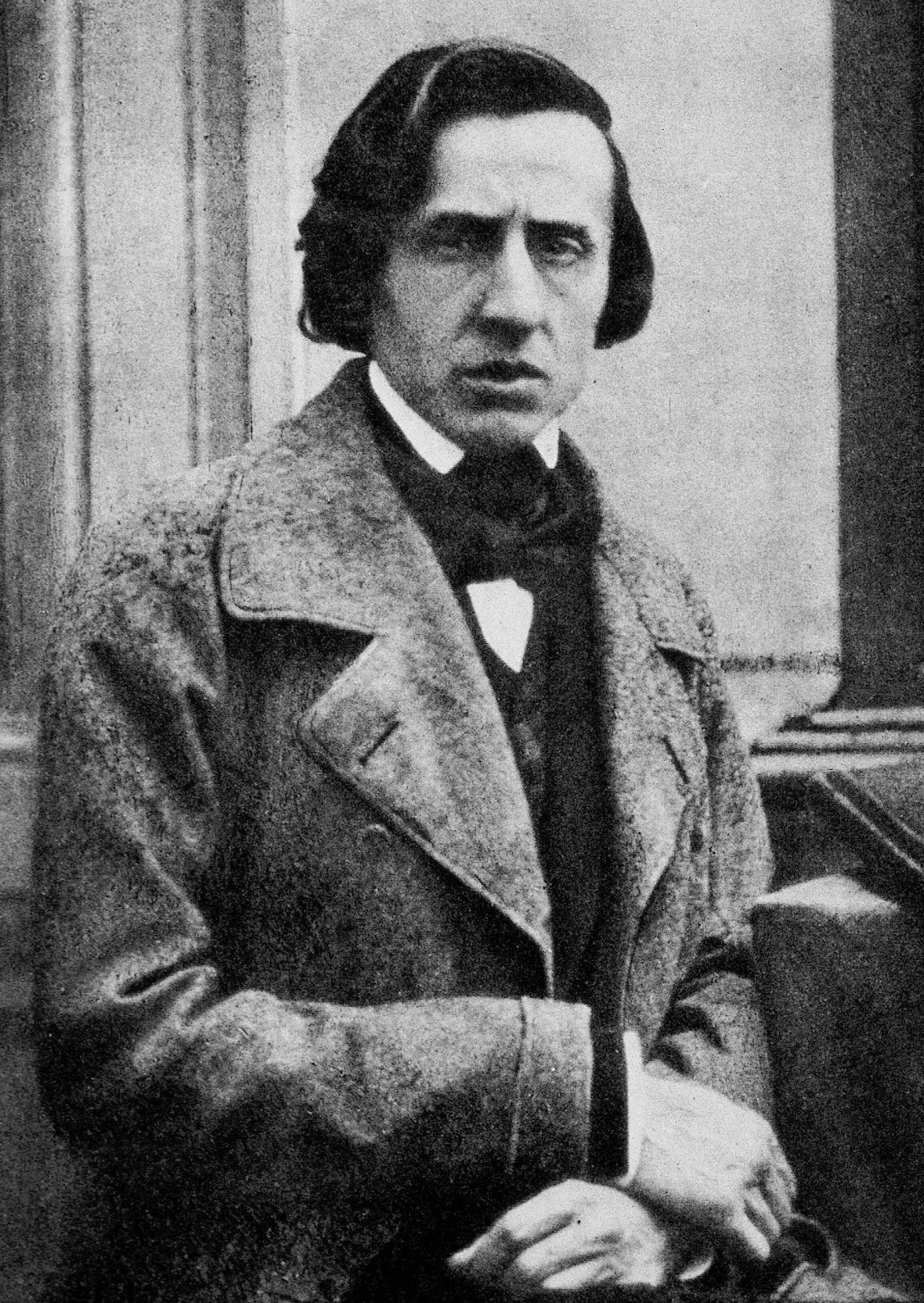 Photograph
Primary source
Portrait of Frédéric Chopin
Louis-Auguste Bisson · 1849
 Painting
Primary source
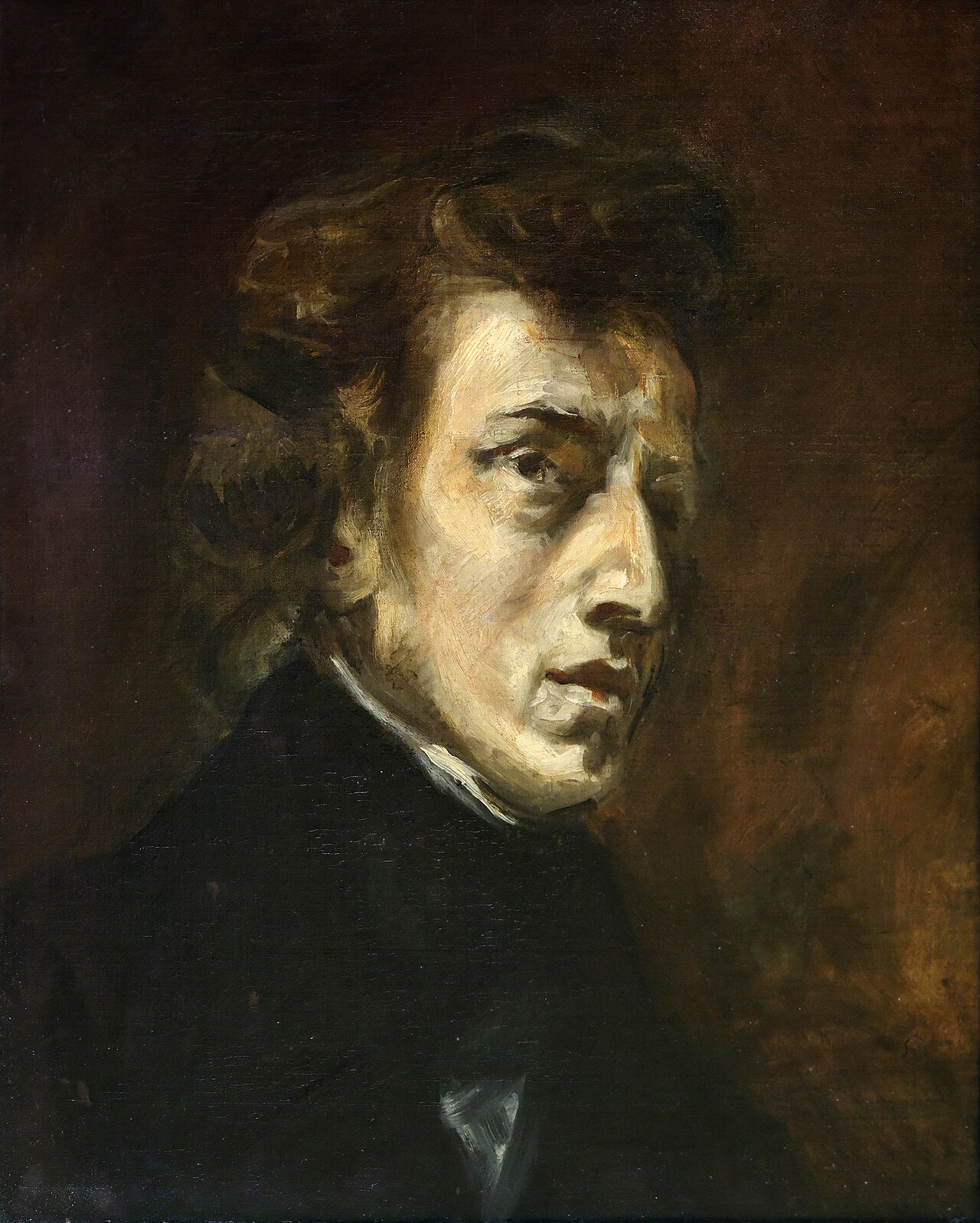
Frédéric Chopin
Eugène Delacroix · 1838
 Document
Primary source
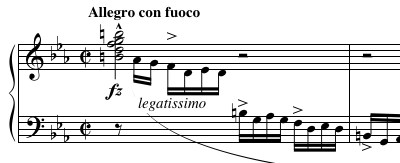
Étude Op. 10, No. 12 "Revolutionary"
Frédéric Chopin · c. 1831
 Document
Primary source
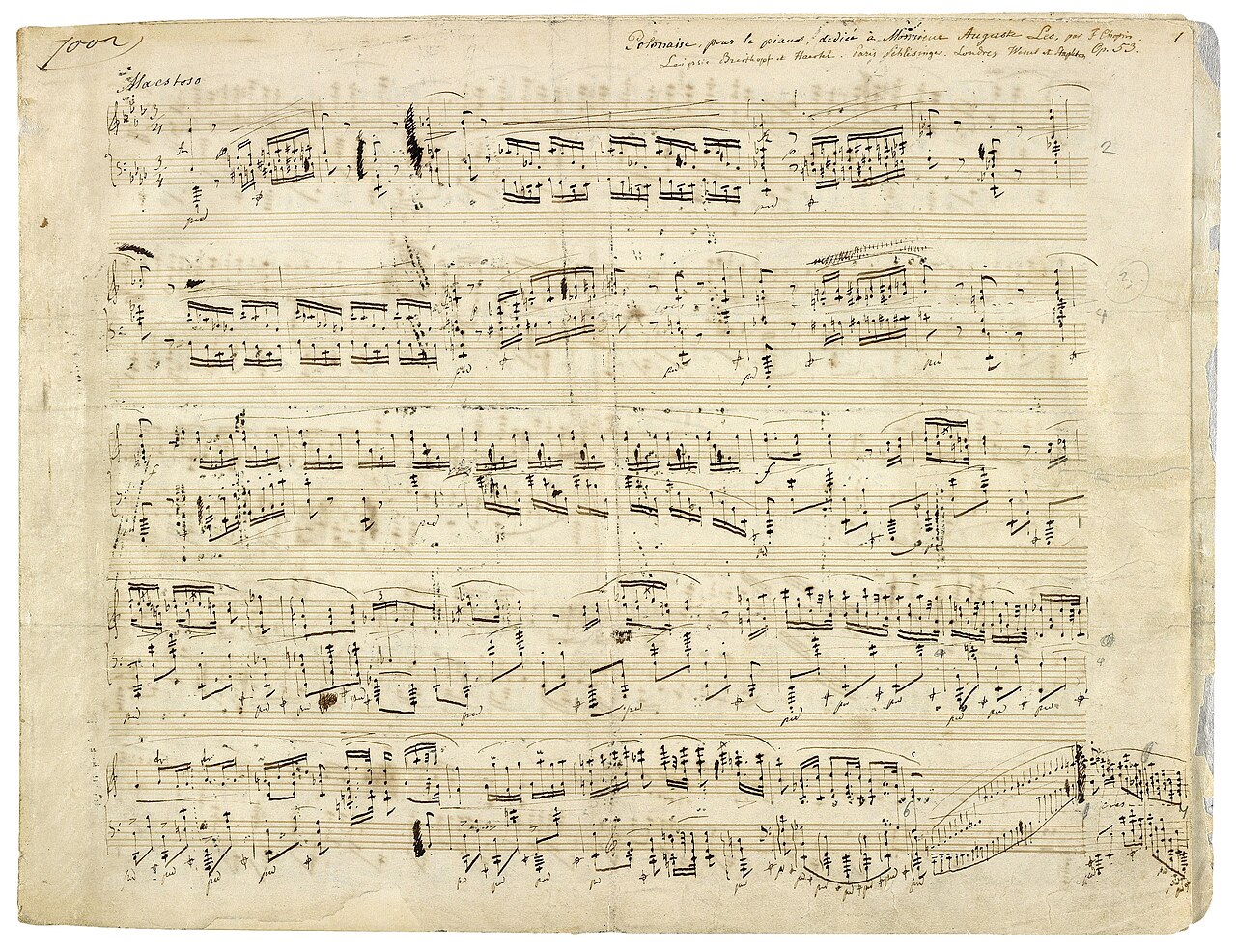
Polonaise in A-flat major "Heroic", Op. 53
Frédéric Chopin · 1842
Free account
Read every Frederic Chopin source
Sign up free →
Ready when you are
Start chatting with Frederic Chopin now.
20 messages free · No credit card · Available in 50+ languages.