


Primary sourceDocument1926
Extra-galactic Nebulae
Edwin Hubble · 1926
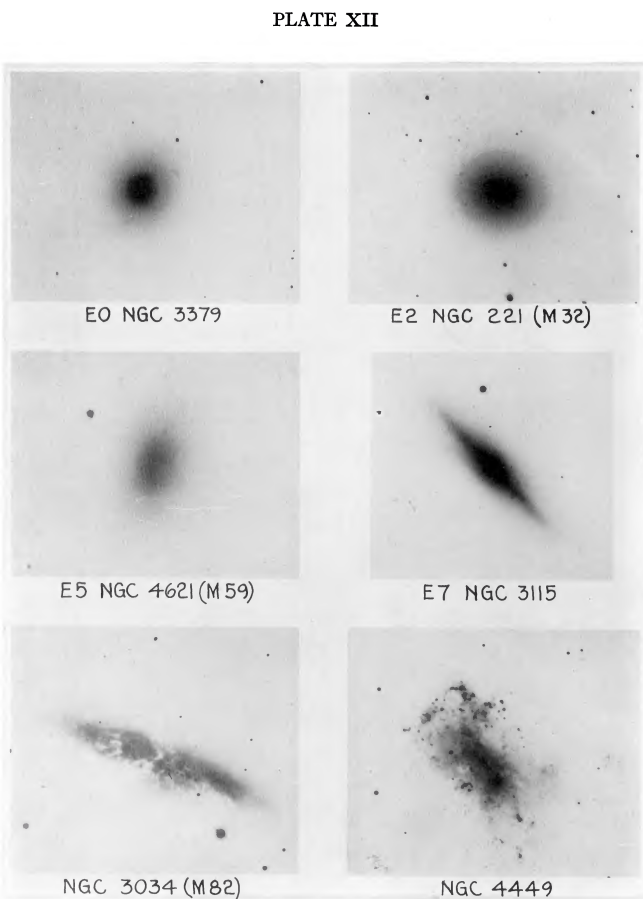
Hubble's 1926 paper introducing his system for classifying galaxies into ellipticals, spirals and barred spirals.
Hubble authored this paper, which introduced the galaxy classification system that bears his name.
About this source
What it is
This 1926 paper by Edwin Hubble, published in the Astrophysical Journal, presents a statistical study of 400 galaxies (called 'extra-galactic nebulae' at the time) and proposes a system for classifying them by shape.
Why it matters
Hubble's classification divided galaxies into ellipticals, spirals and irregulars based on their photographic appearance. This system, later called the Hubble sequence, became a basic tool for studying how galaxies are organized and is still used by astronomers today.
Look closer
- Looking at the six galaxy photographs in the plate, what differences in shape can you spot between the labeled types?
- Why might classifying galaxies by their visual appearance have been a useful first step for astronomers?
- What percentage of galaxies did Hubble find did not fit neatly into his sequence, and why might that matter?
This document is part of the curated material that grounds the AI version of Edwin Hubble on Humy.ai — when students ask about related events, the AI can quote it and cite it.
More Edwin Hubble sources
Meet the AI Edwin Hubble →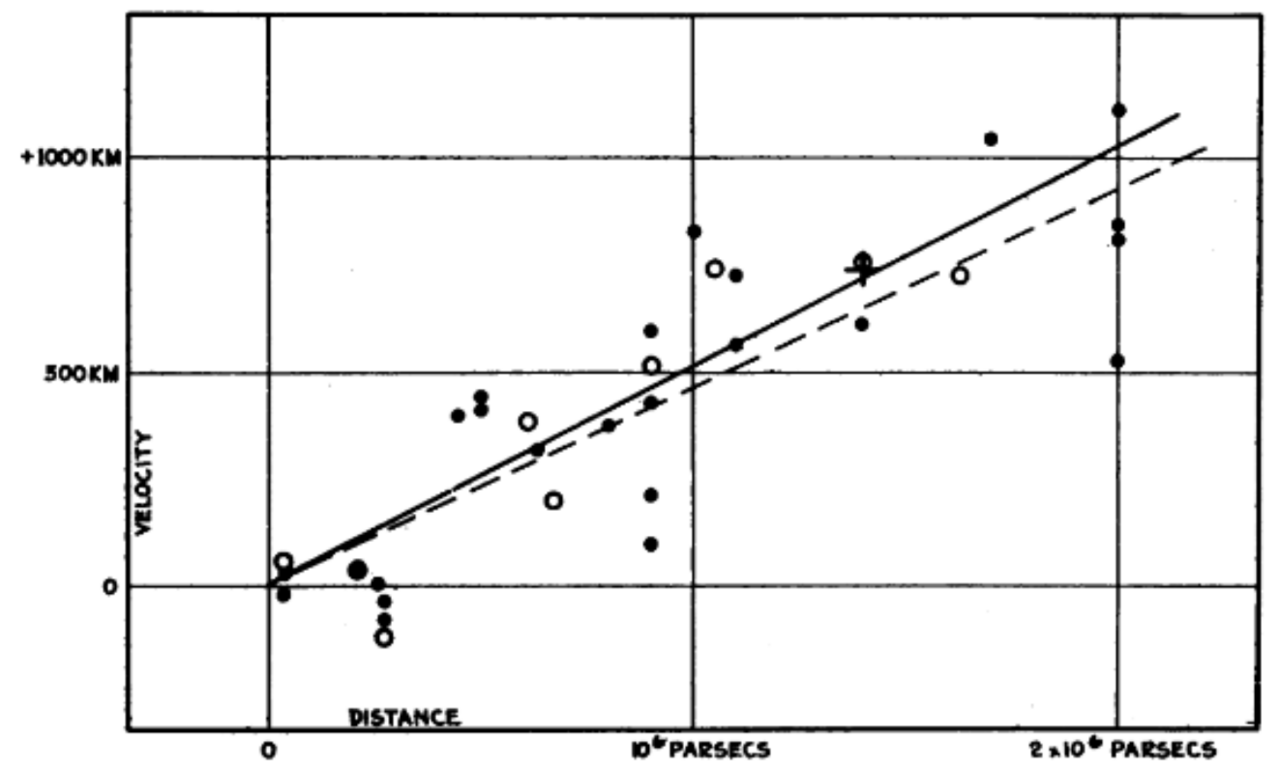 Document
Primary source
A Relation between Distance and Radial Velocity among Extra-Galactic Nebulae
Edwin Hubble · 1929
 Document
Primary source
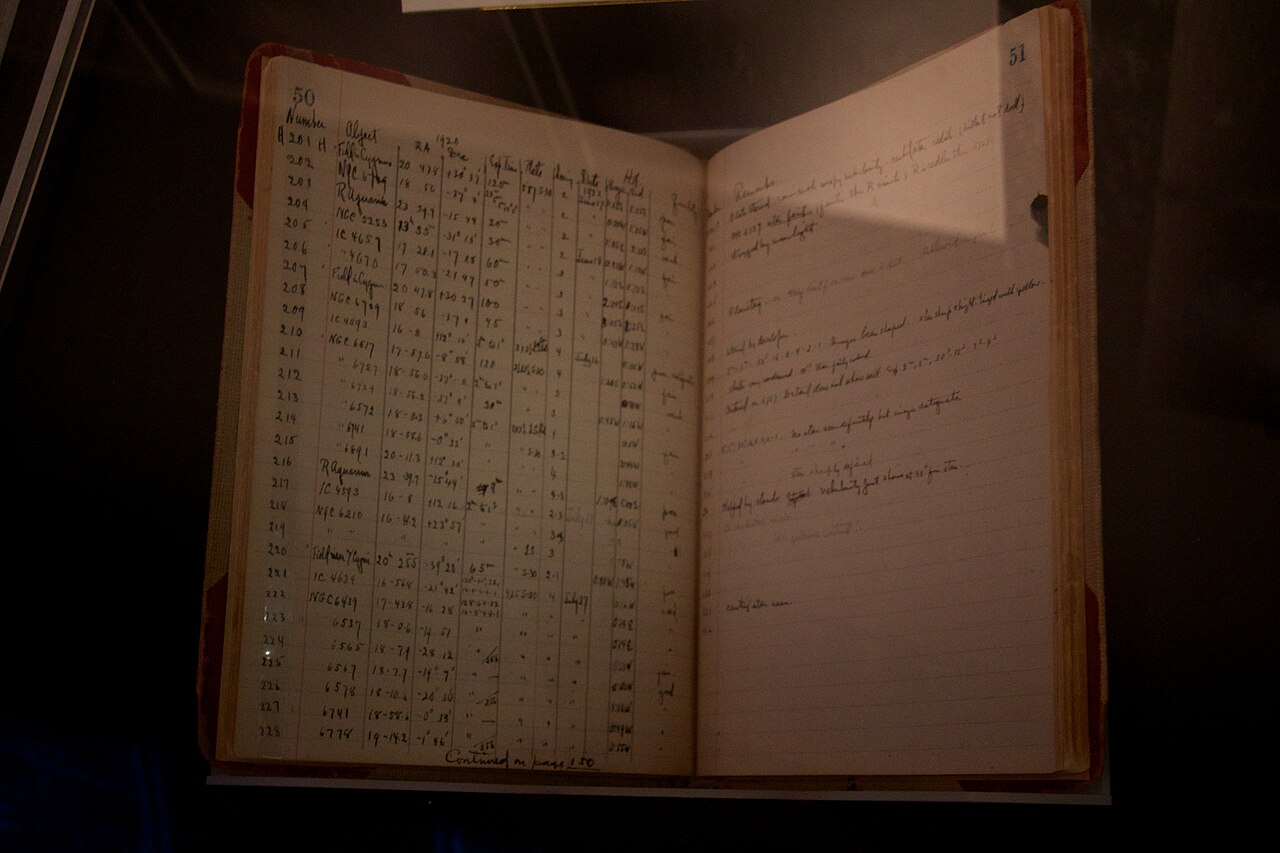
Edwin Hubble's Logbook for the 100-inch Telescope
Edwin Hubble · 1923
 Document
Primary source
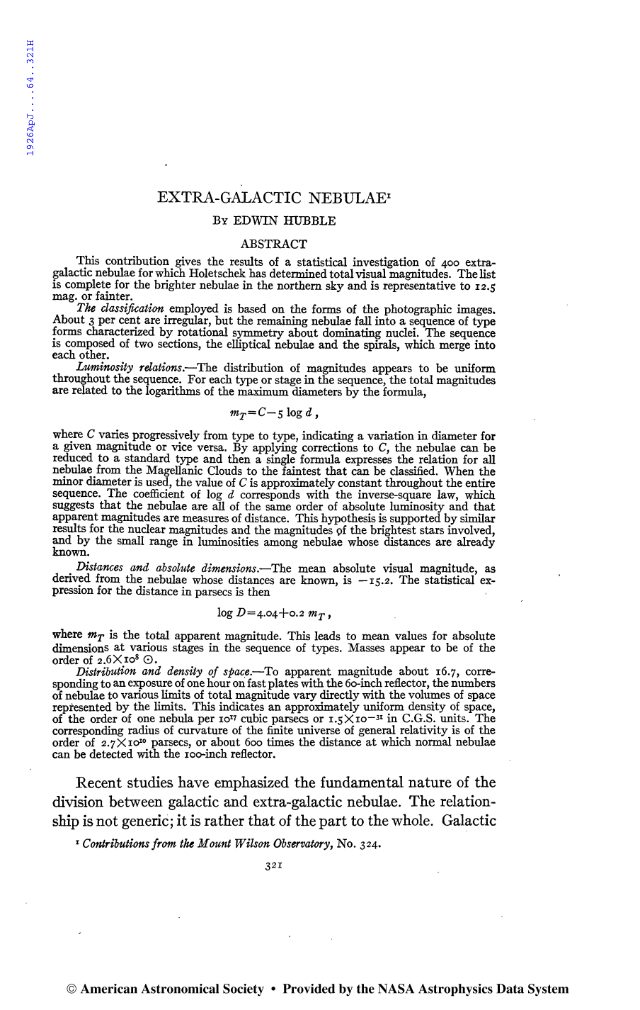
Extragalactic Nebulae
Edwin Hubble · December 1926
 Photograph
Primary source
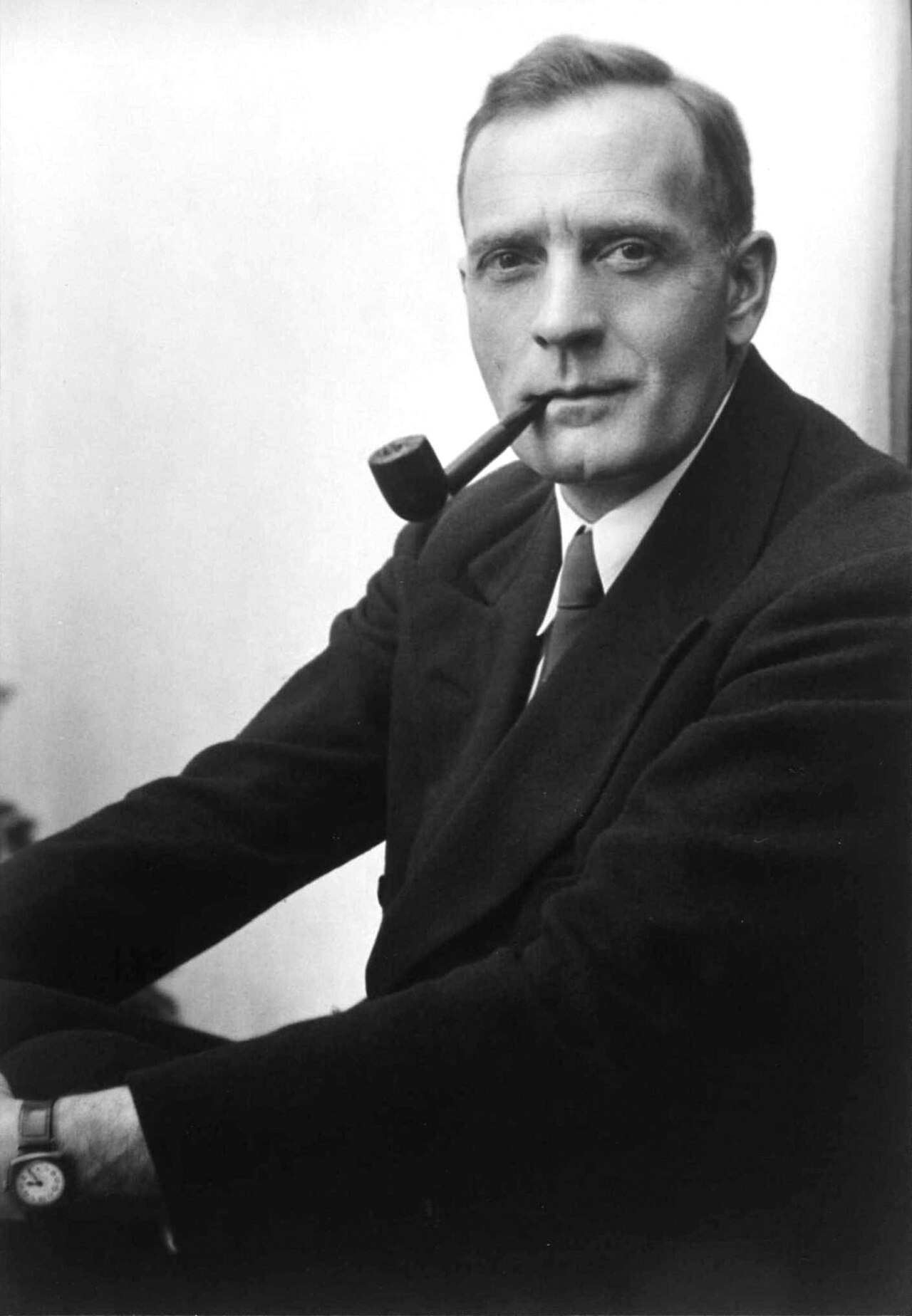
Studio Portrait of Edwin Powell Hubble
Johan Hagemeyer · 1931
 Photograph
Primary source
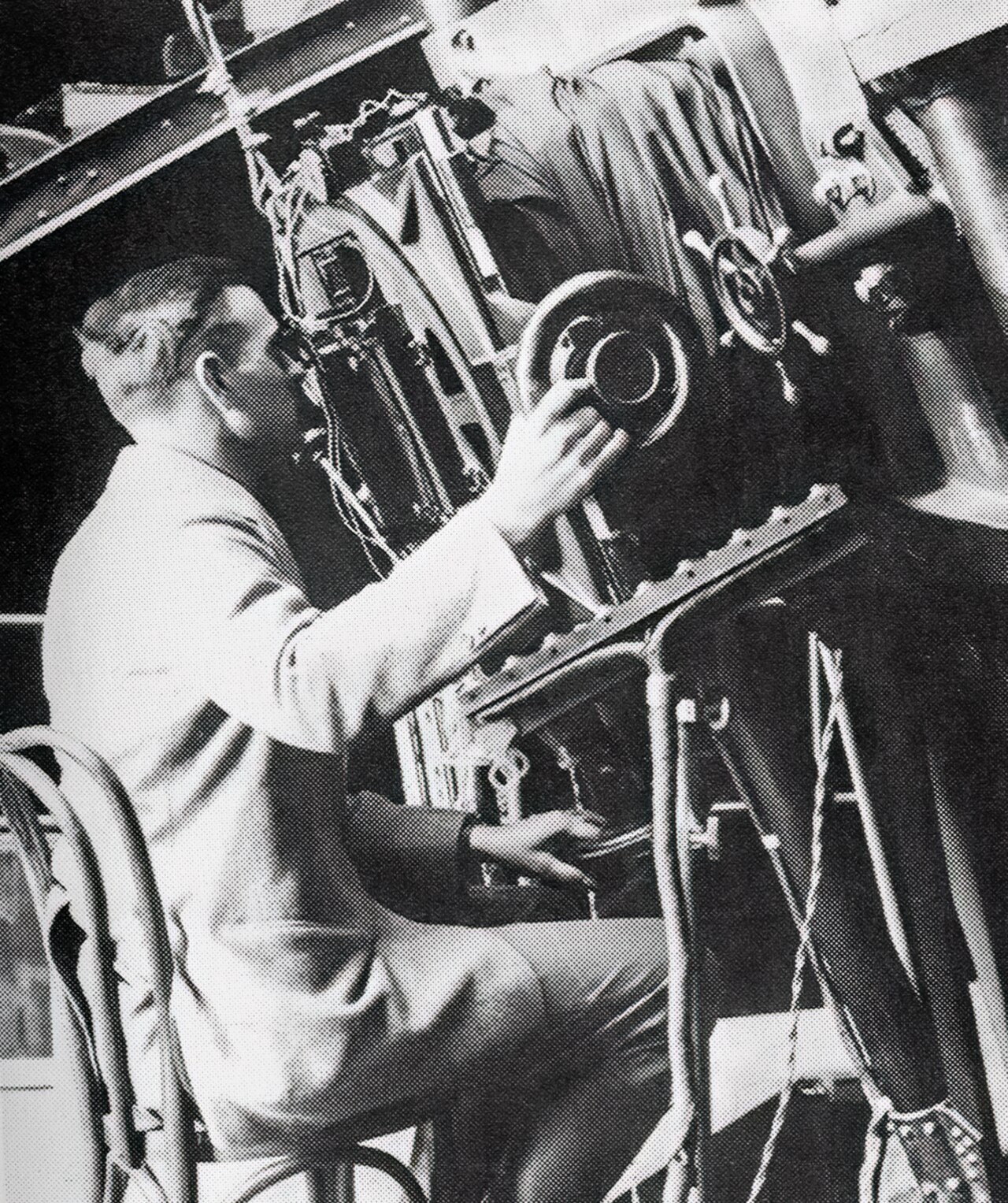
Hubble at the 100-inch Telescope
International Gemini Observatory/NOIRLab/NSF/AURA
Ready when you are
Start chatting with Edwin Hubble now.
20 messages free · No credit card · Available in 50+ languages.