


Primary sourceBook1524
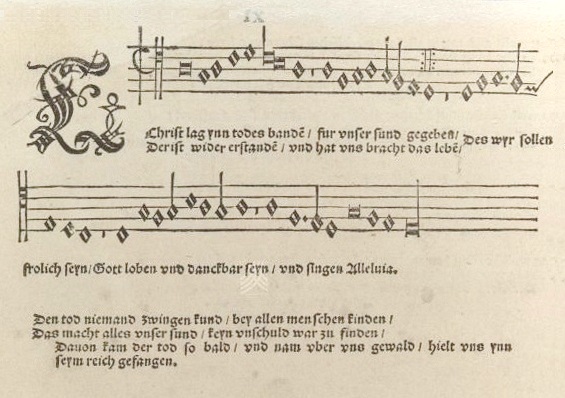
Eyn geystlich Gesangk Buchleyn
Johann Walter · 1524
The first Wittenberg hymnal, published in 1524 by Johann Walter with a preface by Martin Luther, containing 24 of his hymns.
Luther wrote 24 of the hymns in this book and its preface, part of his effort to bring congregational singing into worship.
About this source
What it is
Eyn geystlich Gesangk Buchleyn ("A spiritual song booklet") is the first German hymnal for choir, published in Wittenberg in 1524 by Johann Walter, who worked together with Martin Luther. It contains 32 sacred songs, 24 of them written by Luther, arranged for three to five voices with the melody in the tenor. Luther wrote the preface for the part books.
Why it matters
This hymnal is considered the root of all Protestant church music. It shows how Luther wanted ordinary people, not just priests, to take an active part in worship by singing in German. His preface explains that he wanted music, especially, to serve God rather than be abandoned, revealing his view that the Reformation should keep and use the arts rather than reject them.
Look closer
- Why might Luther have thought singing in German, rather than Latin, mattered for ordinary worshippers?
- What does his preface suggest about his attitude toward music and the arts in general?
- What do you think is lost or gained when sacred texts are set to music people can sing themselves?
This book is part of the curated material that grounds the AI version of Martin Luther on Humy.ai — when students ask about related events, the AI can quote it and cite it.
More Martin Luther sources
Meet the AI Martin Luther →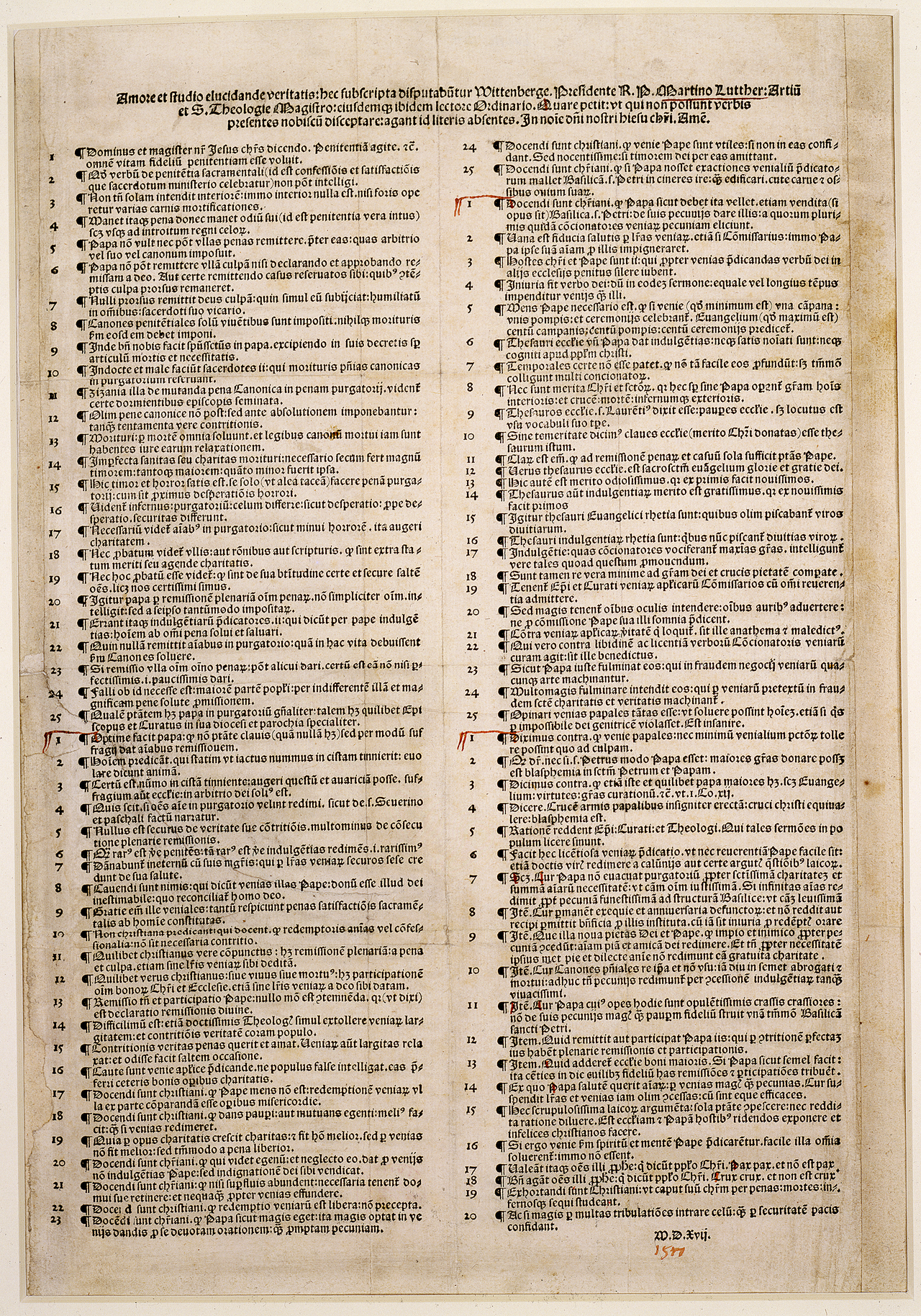 Document
Primary source
Ninety-five Theses
Martin Luther · 1517
 Painting
Secondary source
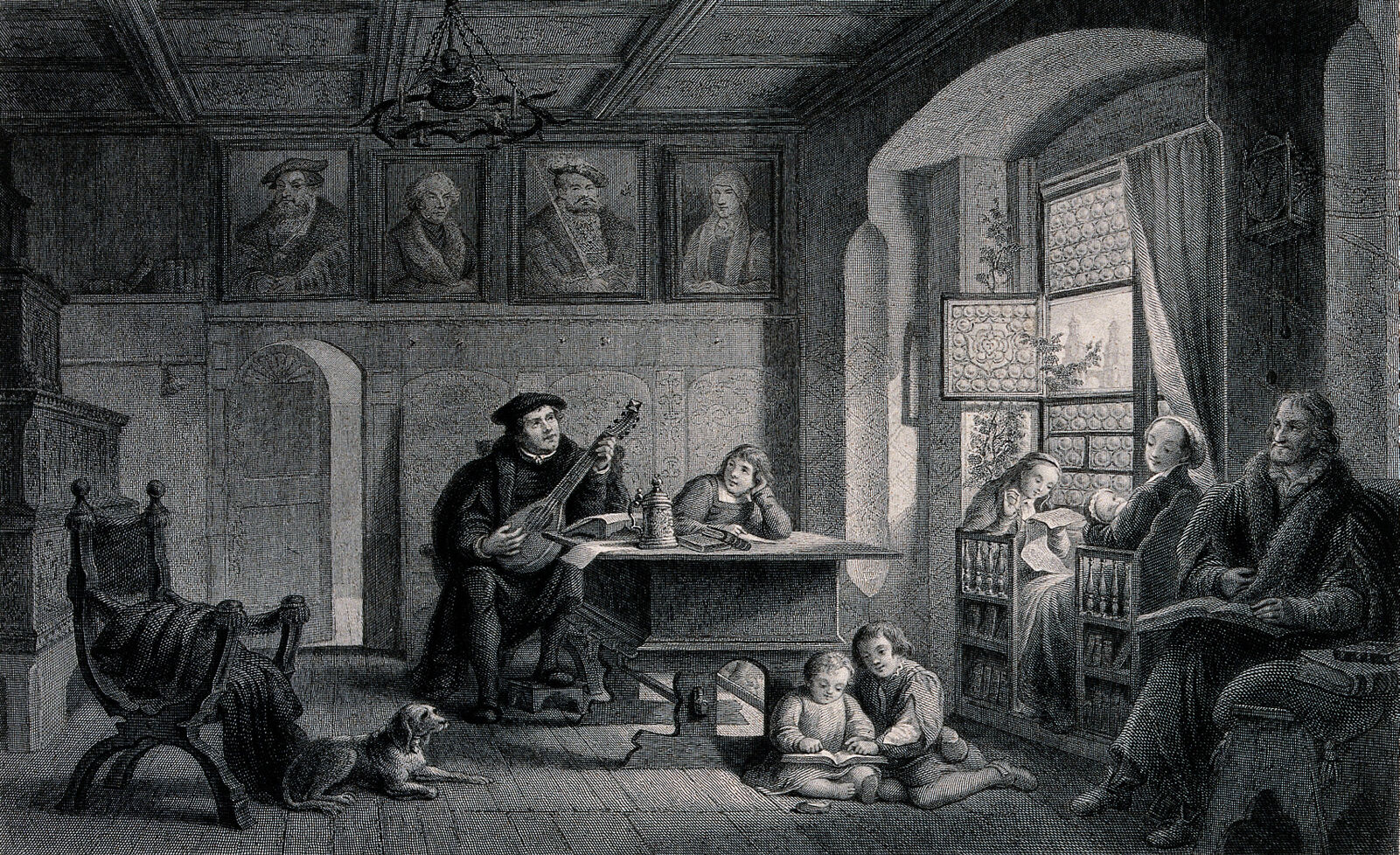
Domestic Life of Martin Luther at Wittenberg
Pierre-Antoine Labouchère (design); J. D. Nargeot (engraving) · 1800-1899
 Painting
Primary source
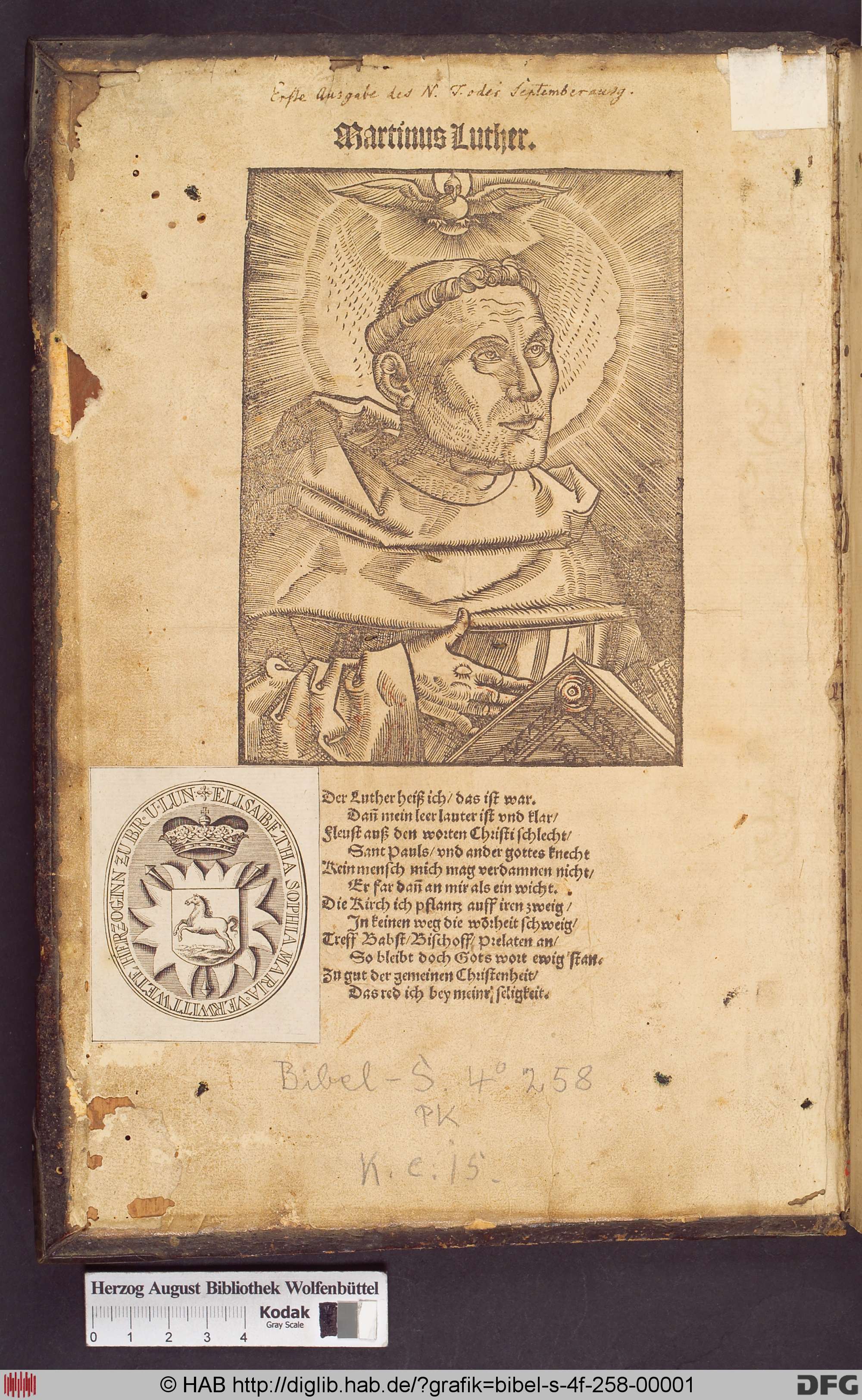
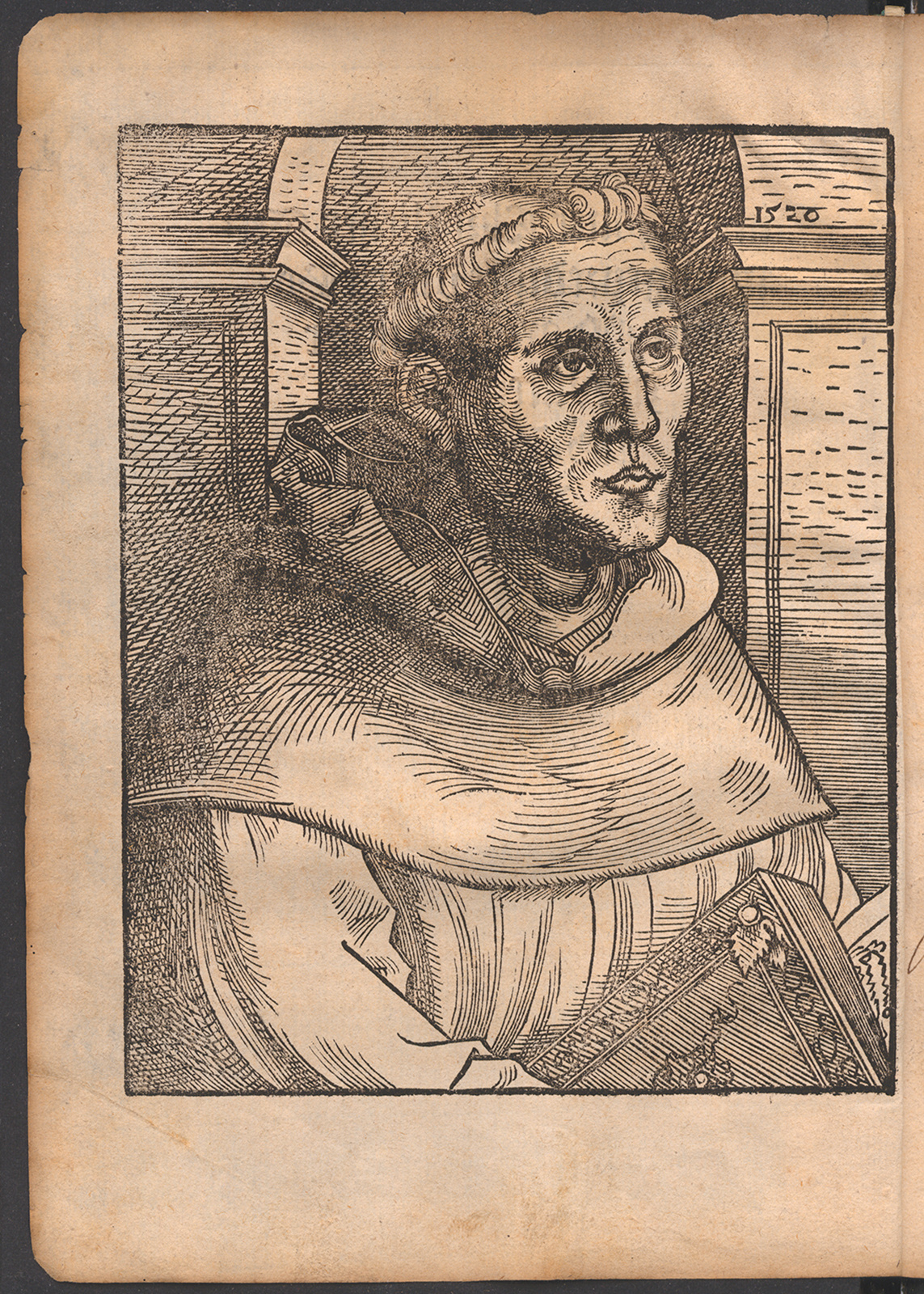
Martinus Luther Woodcut Portrait
Unbekannt (Formschneider)
 Painting
Primary source
Woodcut Portrait of Luther in Sermon Pamphlet
1523
 Book
Secondary source
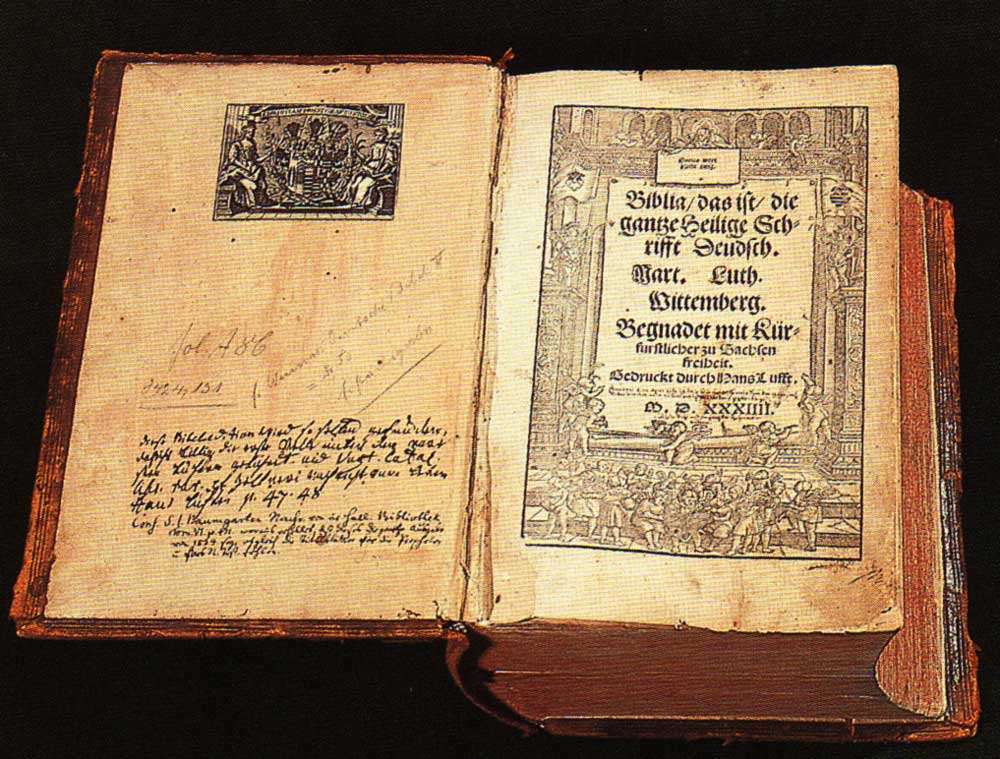
Luther Bible
Martin Luther · 1534
Ready when you are
Start chatting with Martin Luther now.
20 messages free · No credit card · Available in 50+ languages.