


Primary sourceBook1862; this edition 1877
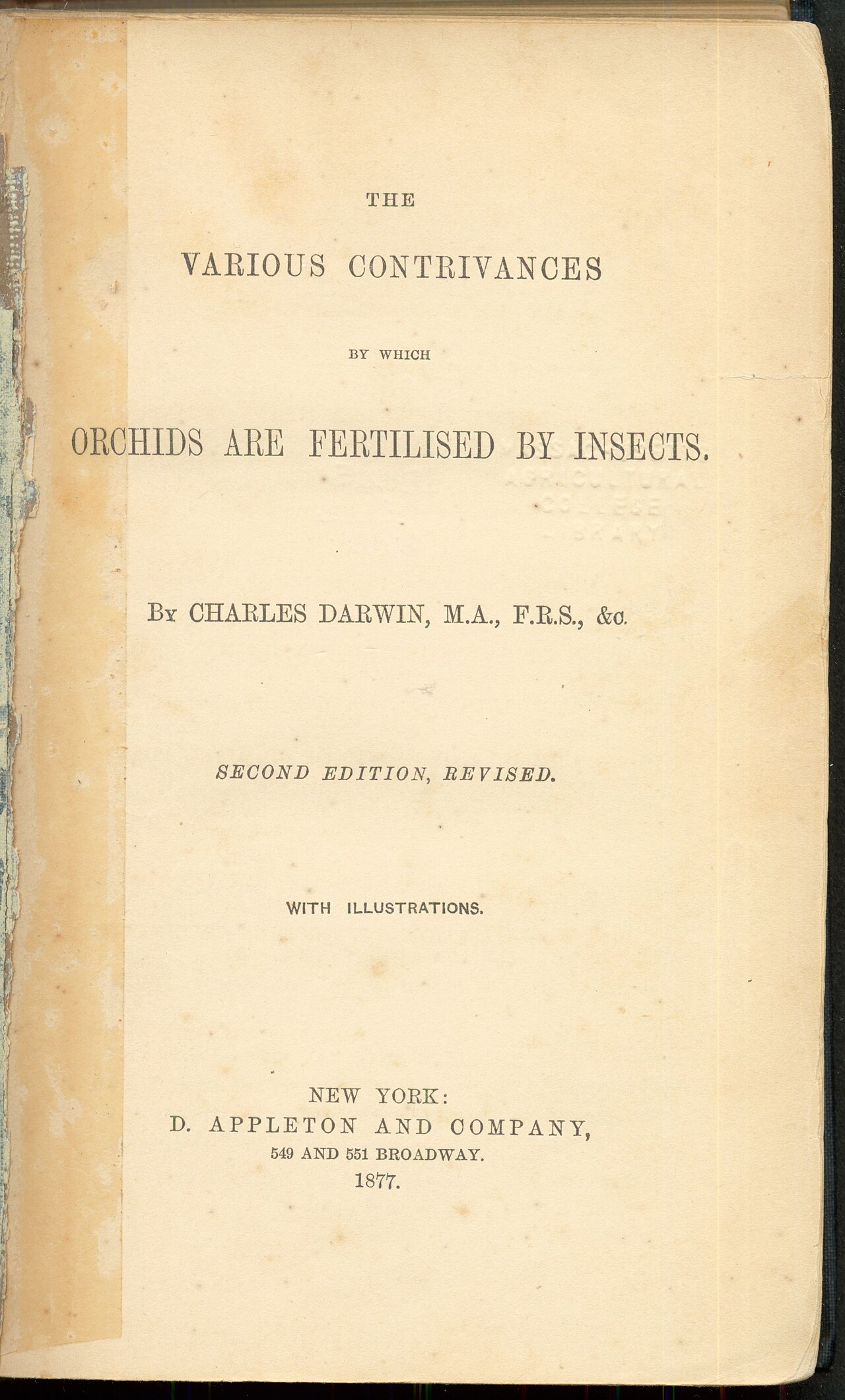
Fertilisation of Orchids
Charles Darwin · 1862; this edition 1877
Darwin's 1862 book on how orchids and insects evolved together, his first detailed demonstration of natural selection at work.
Darwin wrote this book, using orchids to test and demonstrate his theory of natural selection through coevolution.
About this source
What it is
This book, written by Charles Darwin and published on 15 May 1862, has the full title On the Various Contrivances by Which British and Foreign Orchids Are Fertilised by Insects, and On the Good Effects of Intercrossing. It grew out of Darwin's hobby of observing orchids near his home at Down House.
Why it matters
This was Darwin's first book after On the Origin of Species, and it used detailed observation of orchid flowers to show how plants and insects had shaped each other through evolution. It helped convince readers that intricate, beautiful natural forms could arise without a designer, and it launched new fields of study into pollination and plant-insect relationships.
Look closer
- What does Darwin's choice of orchids, a popular hobby flower at the time, tell you about how he gathered evidence?
- Why might careful observation of a single flower type help support a much bigger scientific theory?
- What questions does the book leave unanswered about other plants and insects?
This book is part of the curated material that grounds the AI version of Charles Darwin on Humy.ai — when students ask about related events, the AI can quote it and cite it.
More Charles Darwin sources
Meet the AI Charles Darwin →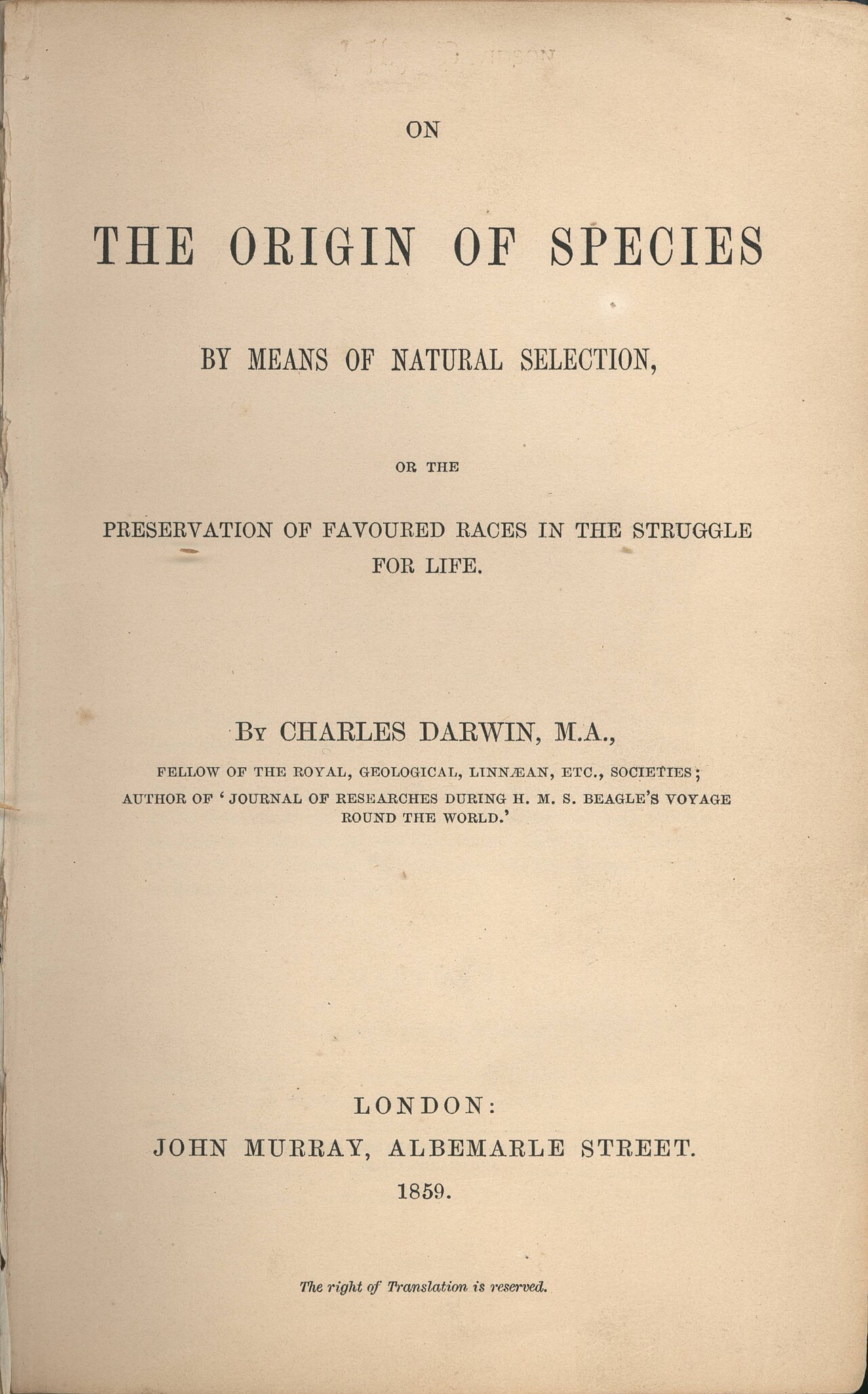 Book
Primary source
On the Origin of Species
Charles Darwin · 1859
 Diary entry
Primary source
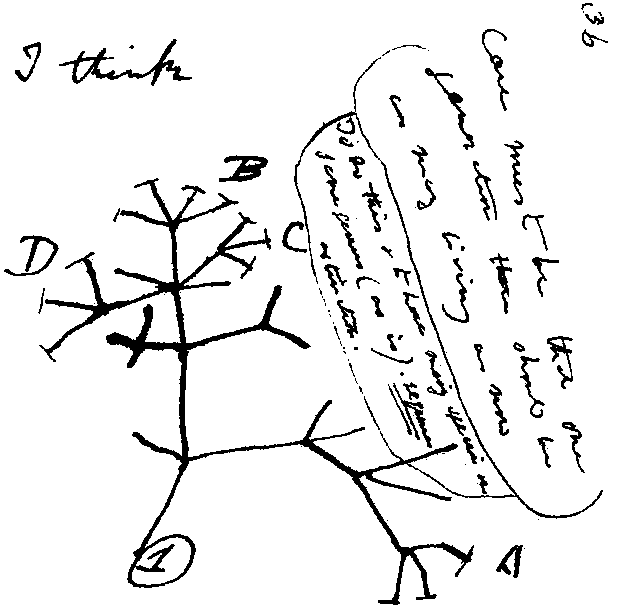
Notebook B 'I think' Tree of Life Sketch
Charles Darwin · c. July 1837
 Document
Primary source
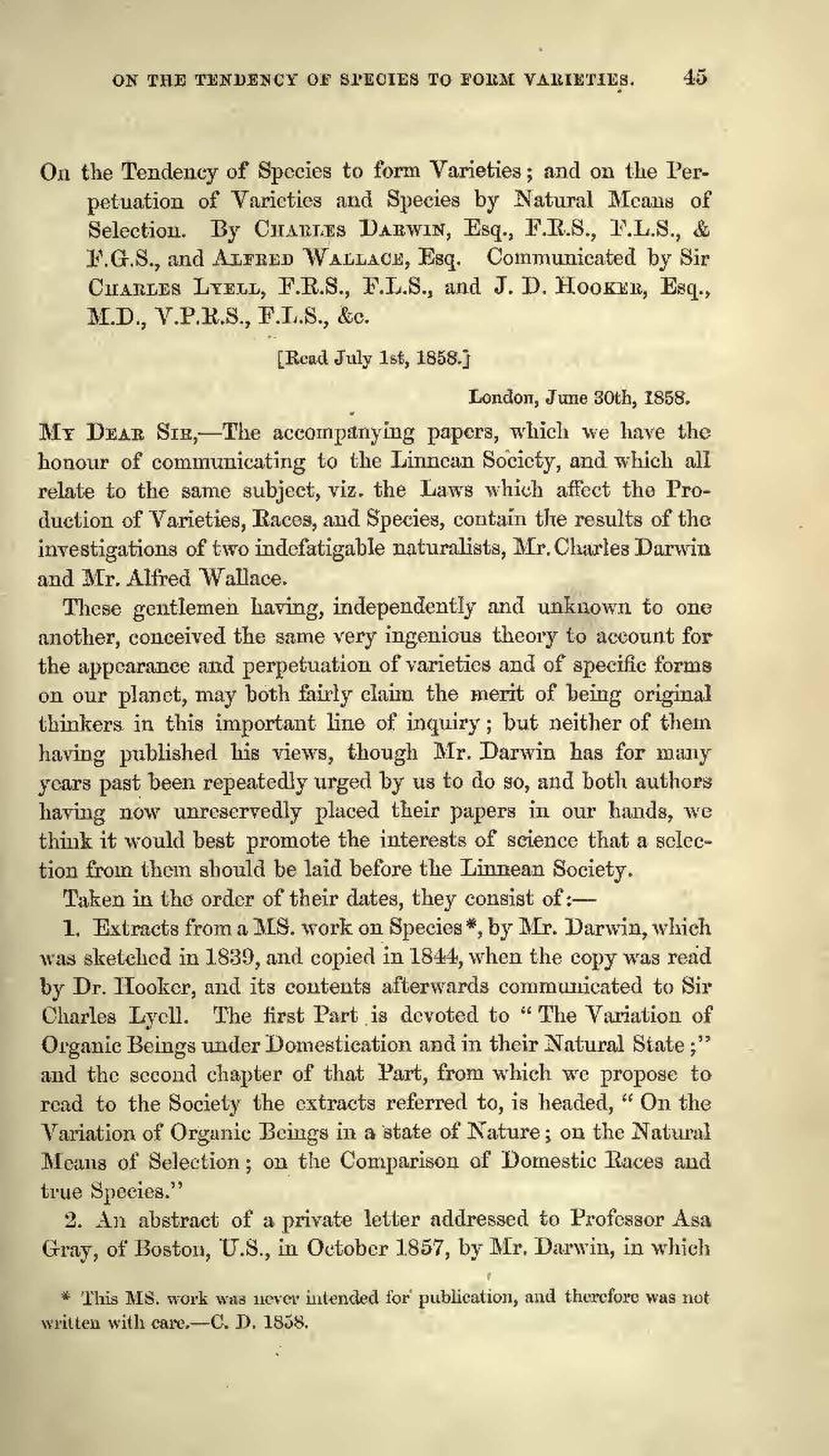
On the Tendency of Species to Form Varieties
Charles Darwin / Alfred Russel Wallace · 1858
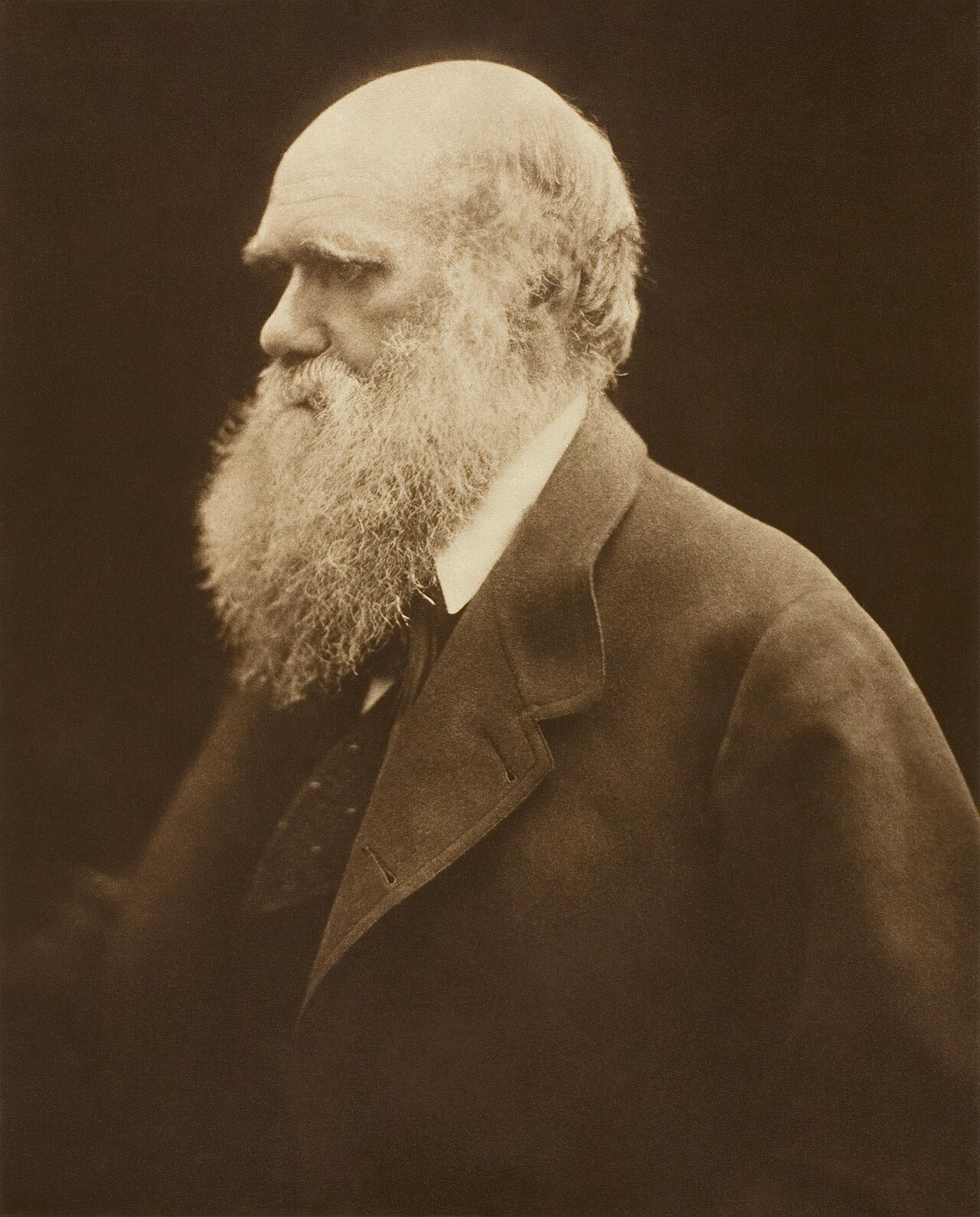 Photograph
Primary source
Charles Darwin by Julia Margaret Cameron
Julia Margaret Cameron · c. 1868
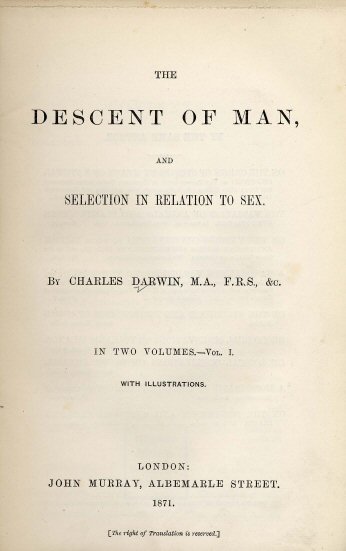 Book
Primary source
The Descent of Man, and Selection in Relation to Sex
Charles Darwin · 1871
Ready when you are
Start chatting with Charles Darwin now.
20 messages free · No credit card · Available in 50+ languages.