


Primary sourcePainting1919
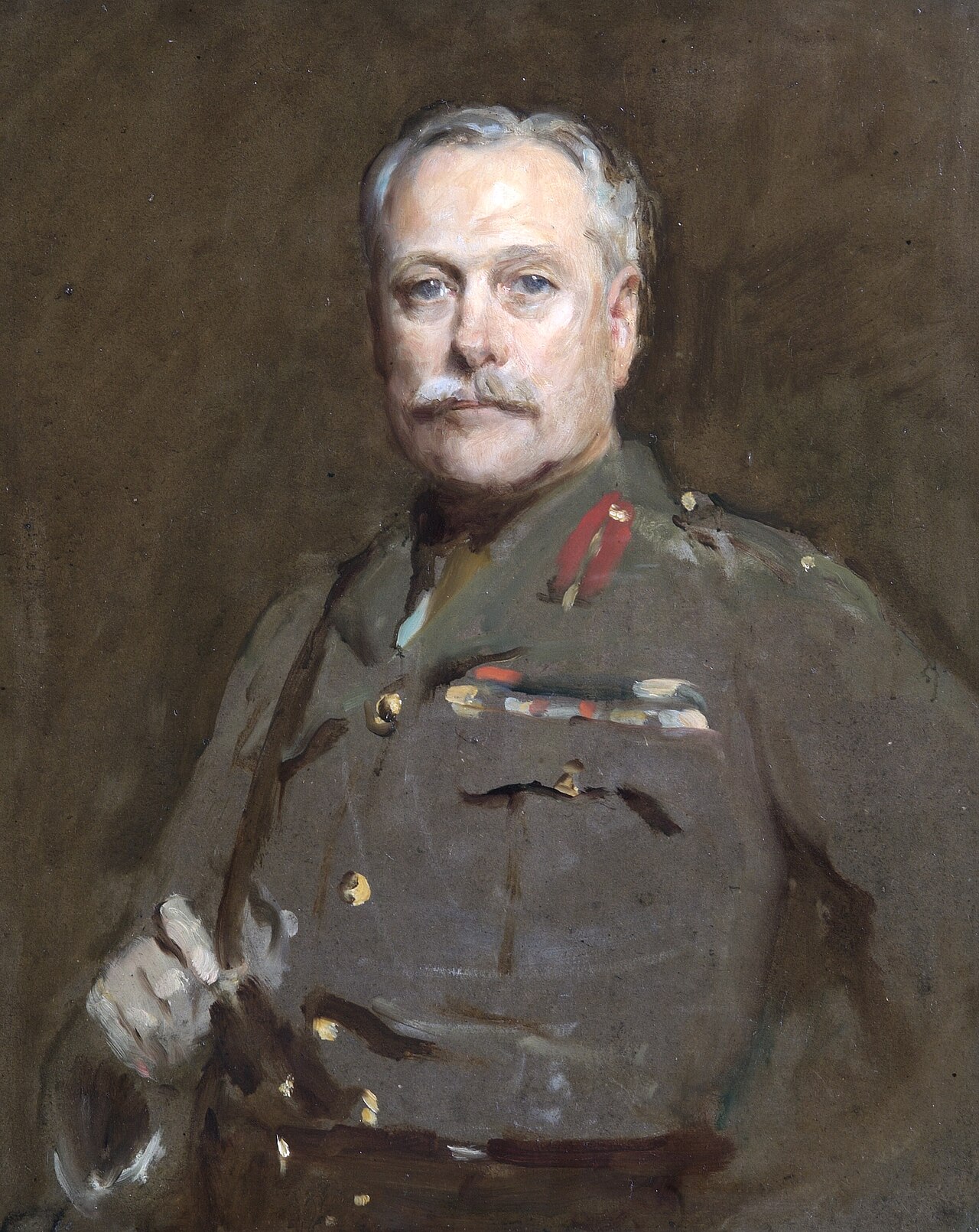
Field Marshal Earl Haig (1861–1928)
Solomon Joseph Solomon · 1919
A 1919 oil portrait of Haig in uniform, painted at the height of his reputation after the war's end.
An official portrait of Haig himself, made at the height of his postwar reputation.
About this source
What it is
An oil painting by Solomon Joseph Solomon, completed in 1919 and held by the Imperial War Museums. It shows a half-length portrait of Douglas Haig in military uniform, looking directly at the viewer.
Why it matters
Painted just after the First World War ended, this portrait captures Haig as he was publicly seen at the peak of his standing as the victorious commander-in-chief. Such official portraits helped shape how military leaders were remembered by the public and by institutions like the Imperial War Museums.
Look closer
- What does Haig's pose and expression suggest the painter wanted viewers to feel about him?
- Why might a museum commission a formal portrait like this soon after a war?
- What does the portrait leave out about Haig's wartime decisions?
This painting is part of the curated material that grounds the AI version of Field Marshal Douglas Haig on Humy.ai — when students ask about related events, the AI can quote it and cite it.
More Field Marshal Douglas Haig sources
Meet the AI Field Marshal Douglas Haig →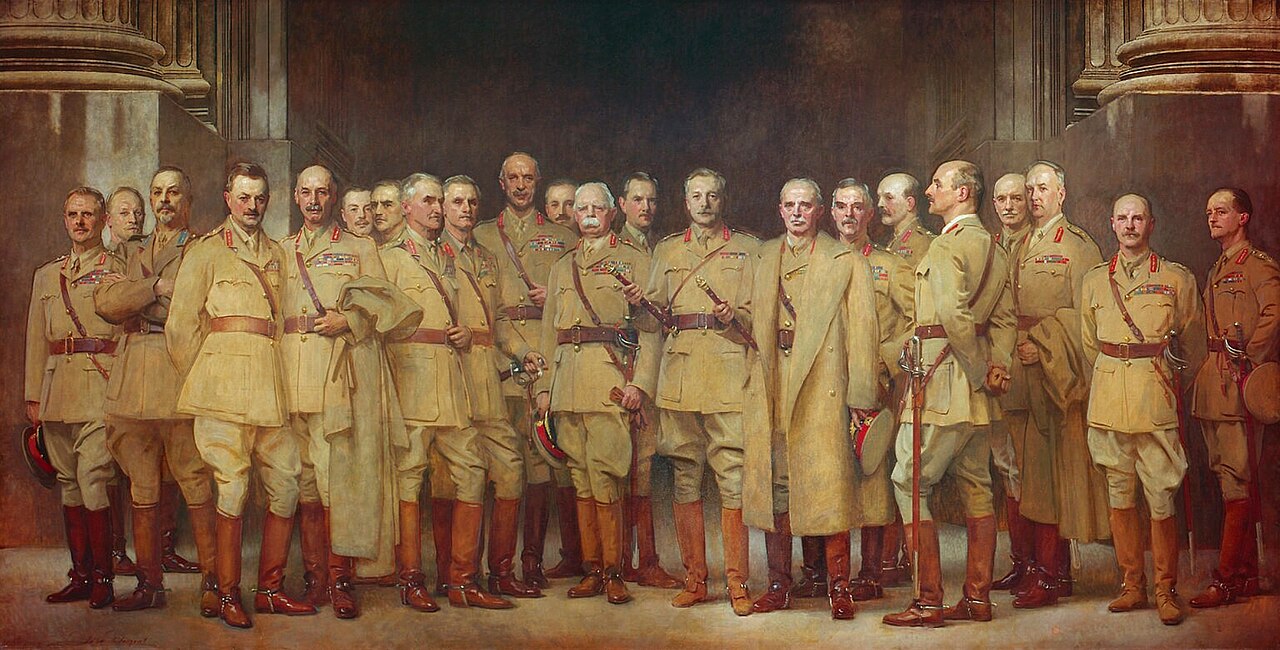 Painting
Primary source
General Officers of World War I
John Singer Sargent · 1922
 Document
Primary source
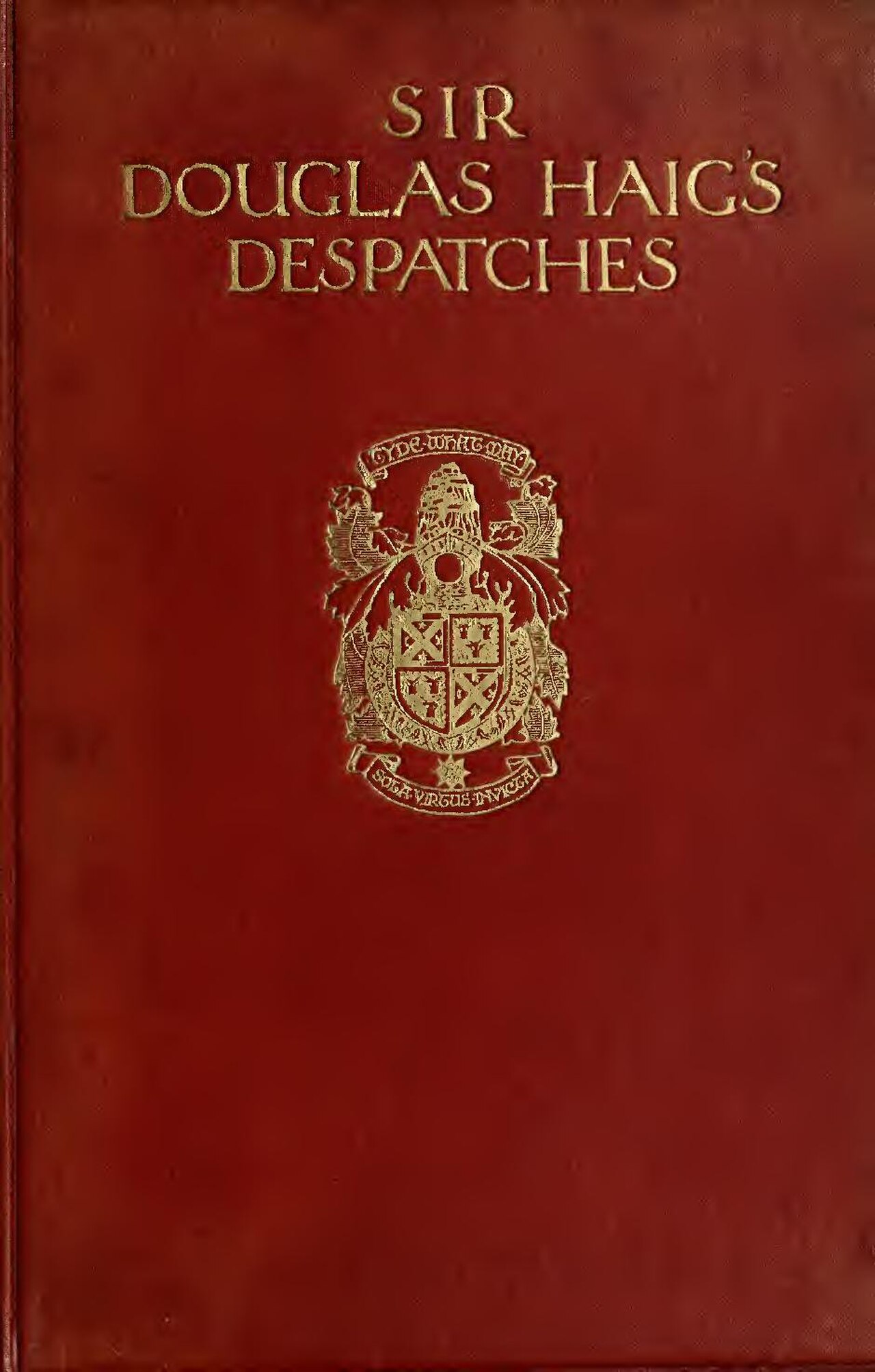
Final Despatch of Sir Douglas Haig
Douglas Haig · 21 March 1919
 Painting
Primary source
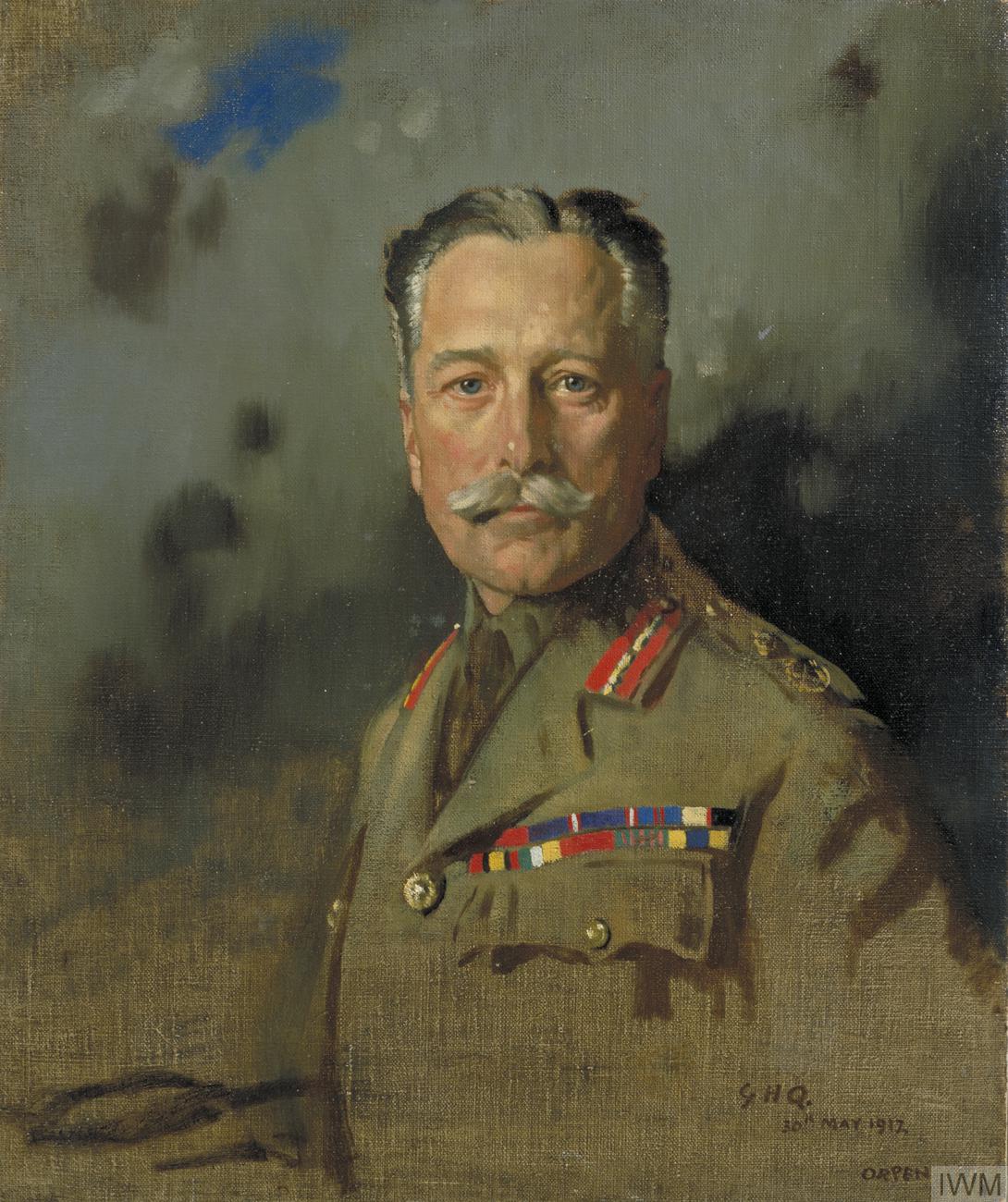
Field-Marshal Sir Douglas Haig, Commander-in-Chief, France
William Orpen · 1917
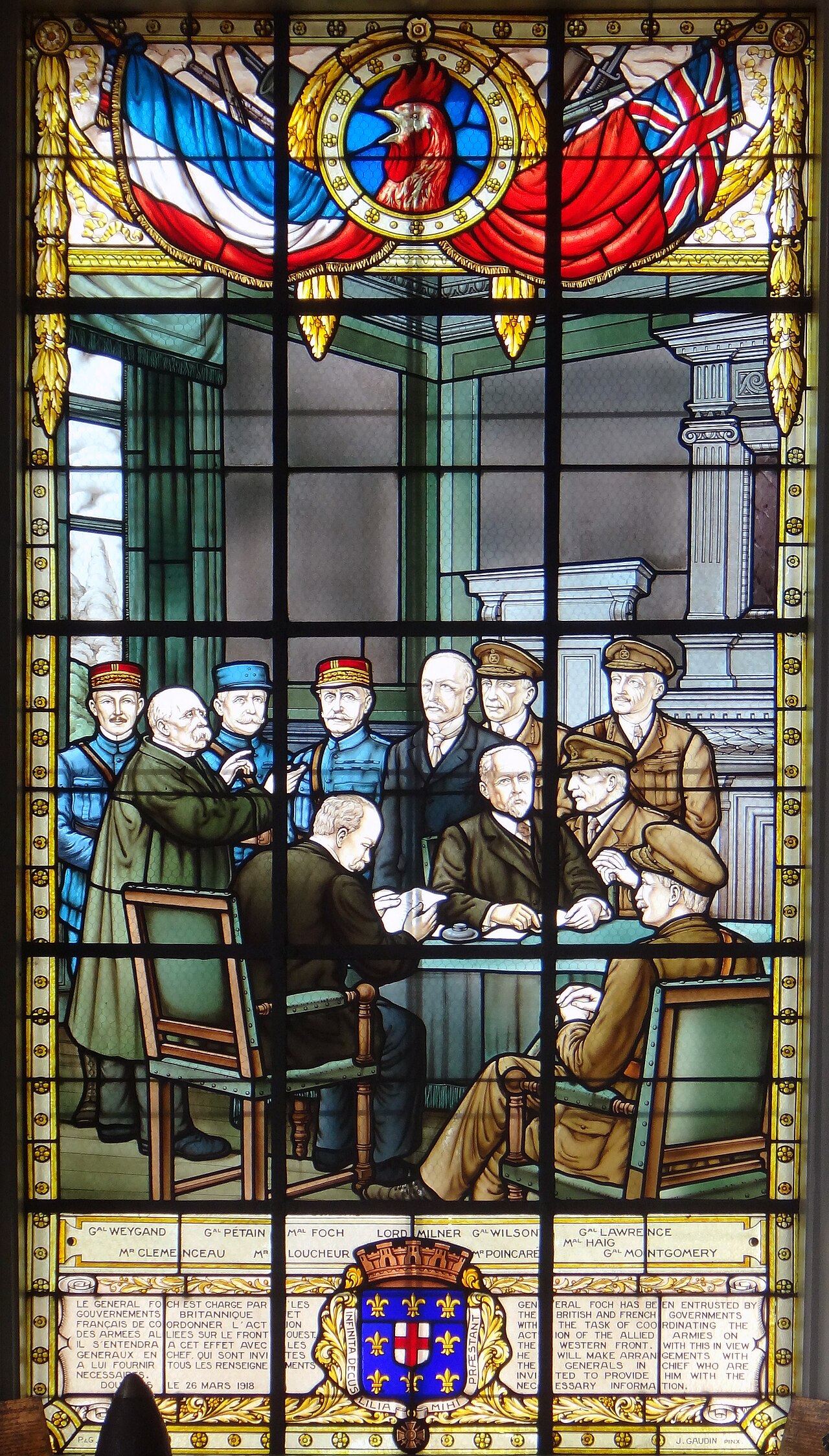 Document
Secondary source
Doullens Conference
26 March 1918
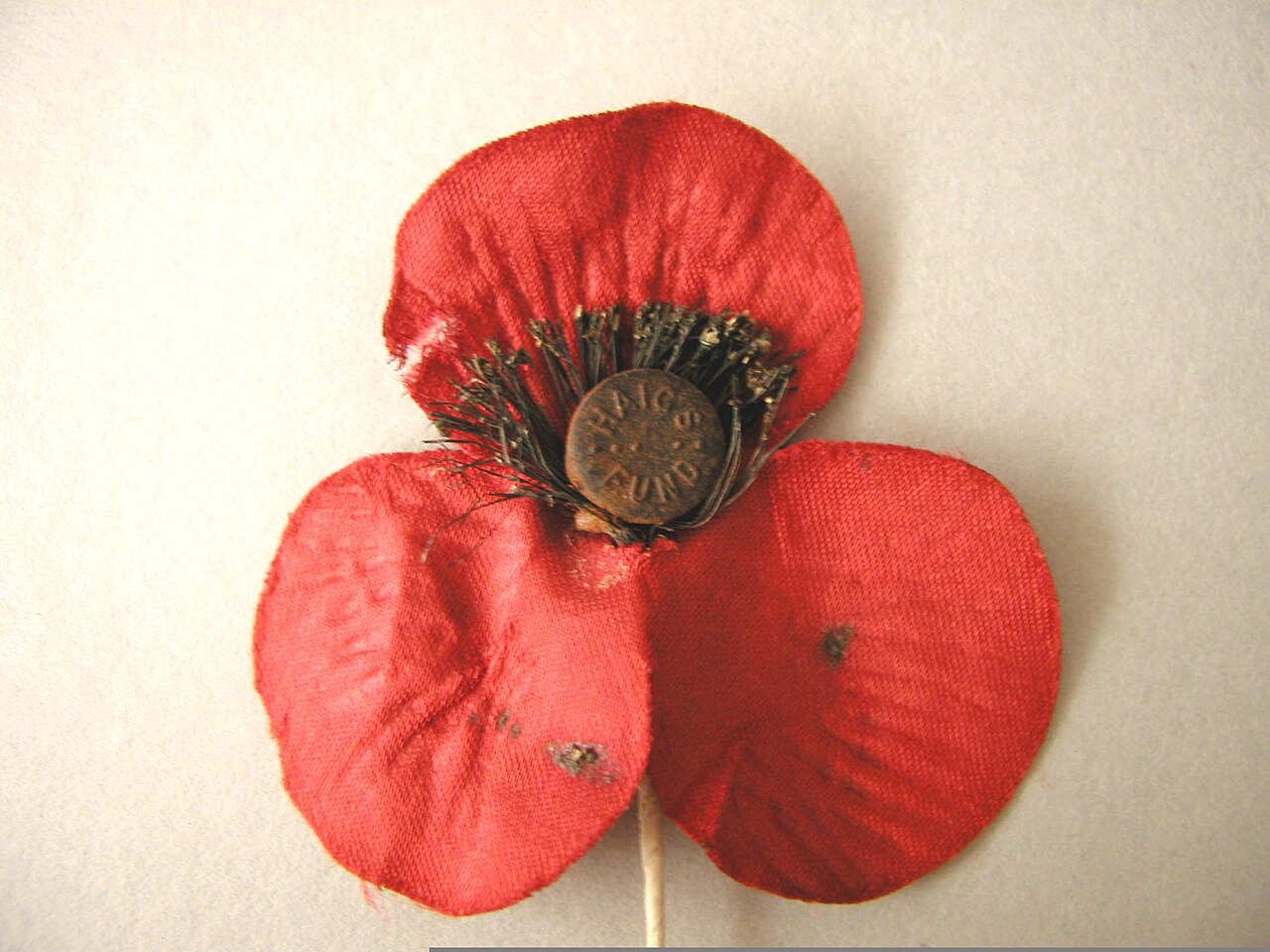 Artifact
Primary source
Haig Fund remembrance poppy
1921-1928
Ready when you are
Start chatting with Field Marshal Douglas Haig now.
20 messages free · No credit card · Available in 50+ languages.