


Primary sourceLetterc. 1337
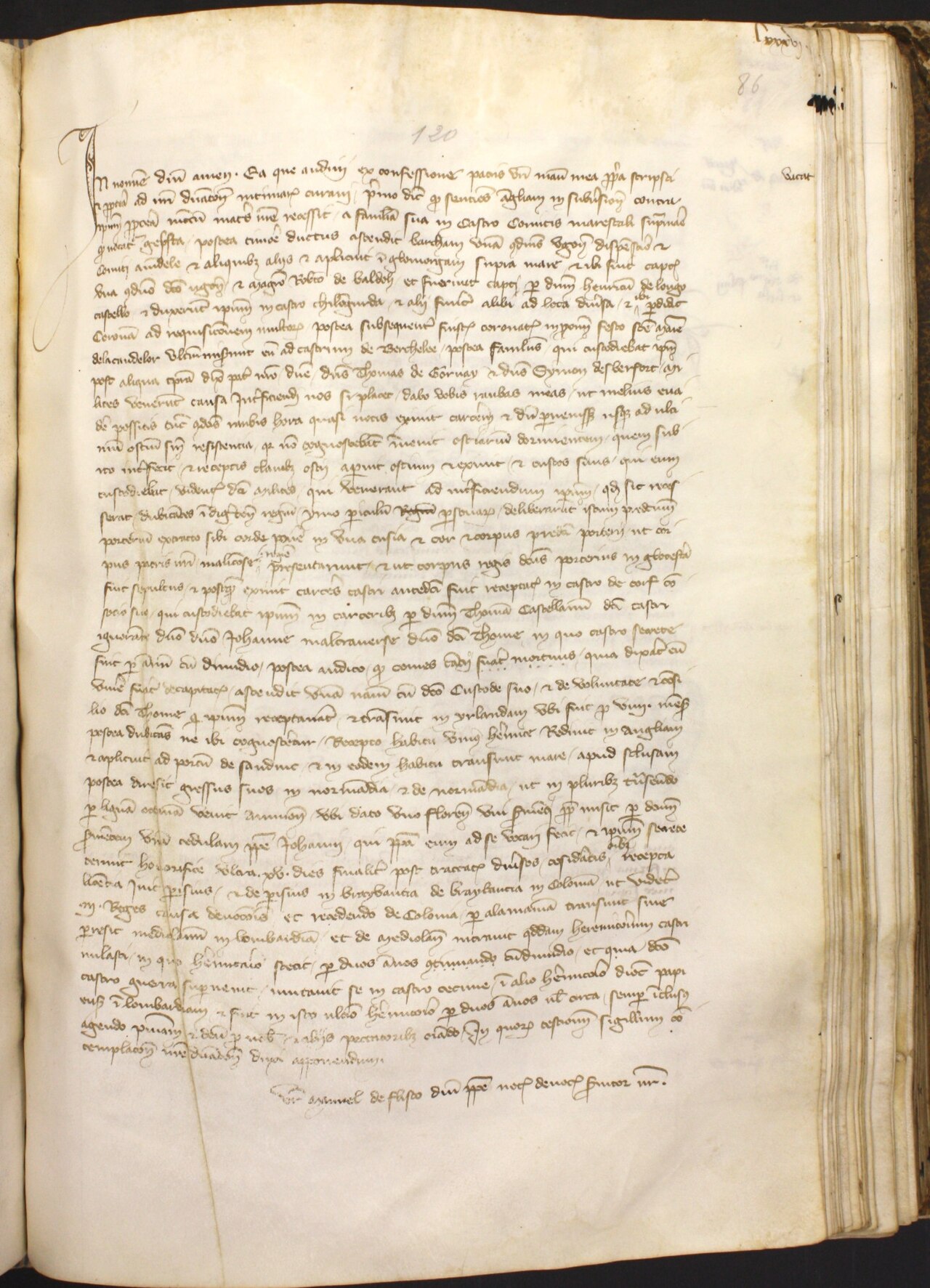
Fieschi Letter
Manuele Fieschi · c. 1337
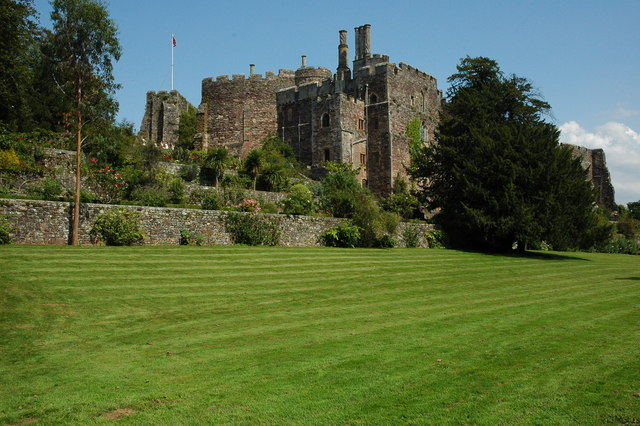
A 1337 letter to Edward III claiming that Edward II did not die at Berkeley Castle but escaped and lived on in exile.
This letter claims Edward II survived his supposed death, making it central evidence in the mystery of his fate.
About this source
What it is
This letter was written around 1337 by Manuele Fieschi, a Genoese priest and papal notary at Avignon, to King Edward III of England. It claims that Edward II escaped captivity at Berkeley Castle in 1326, disguised himself, and lived the rest of his life in exile across Europe, eventually in Italy. The letter was found in 1878 and is kept in the Archives Departmentales d'Herault in Montpellier.
Why it matters
The letter is central to one of history's enduring mysteries: whether Edward II really died in 1327 as officially reported. Historians disagree about whether to believe its story or see it as an attempt to pressure or blackmail Edward III. It shows how uncertain even official royal deaths could be, and how written testimony can shape or distort history.
Look closer
- Why would someone write a letter like this years after the king's reported death?
- What makes a document like this hard to prove true or false?
- How might the writer's own position and interests have shaped what he claimed?
This letter is part of the curated material that grounds the AI version of Edward II on Humy.ai — when students ask about related events, the AI can quote it and cite it.
More Edward II sources
Browse all 86 →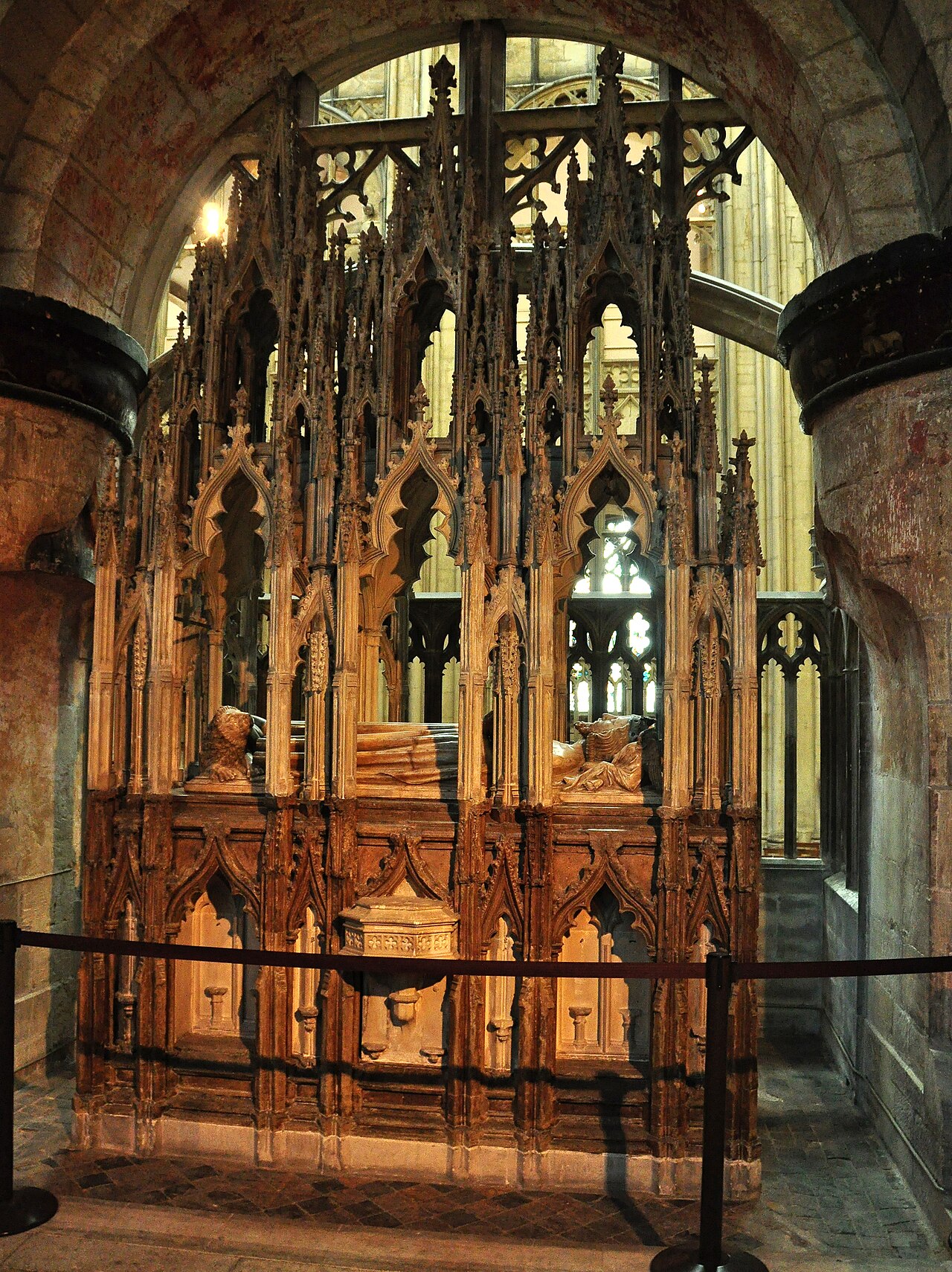 Sculpture
Secondary source
Tomb of Edward II
c. 1330s
 Painting
Secondary source
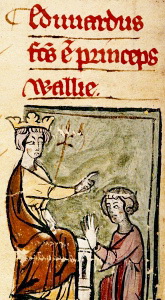
Edward I Creating His Son Prince of Wales
1301 (manuscript near-contemporary)
 Document
Primary source
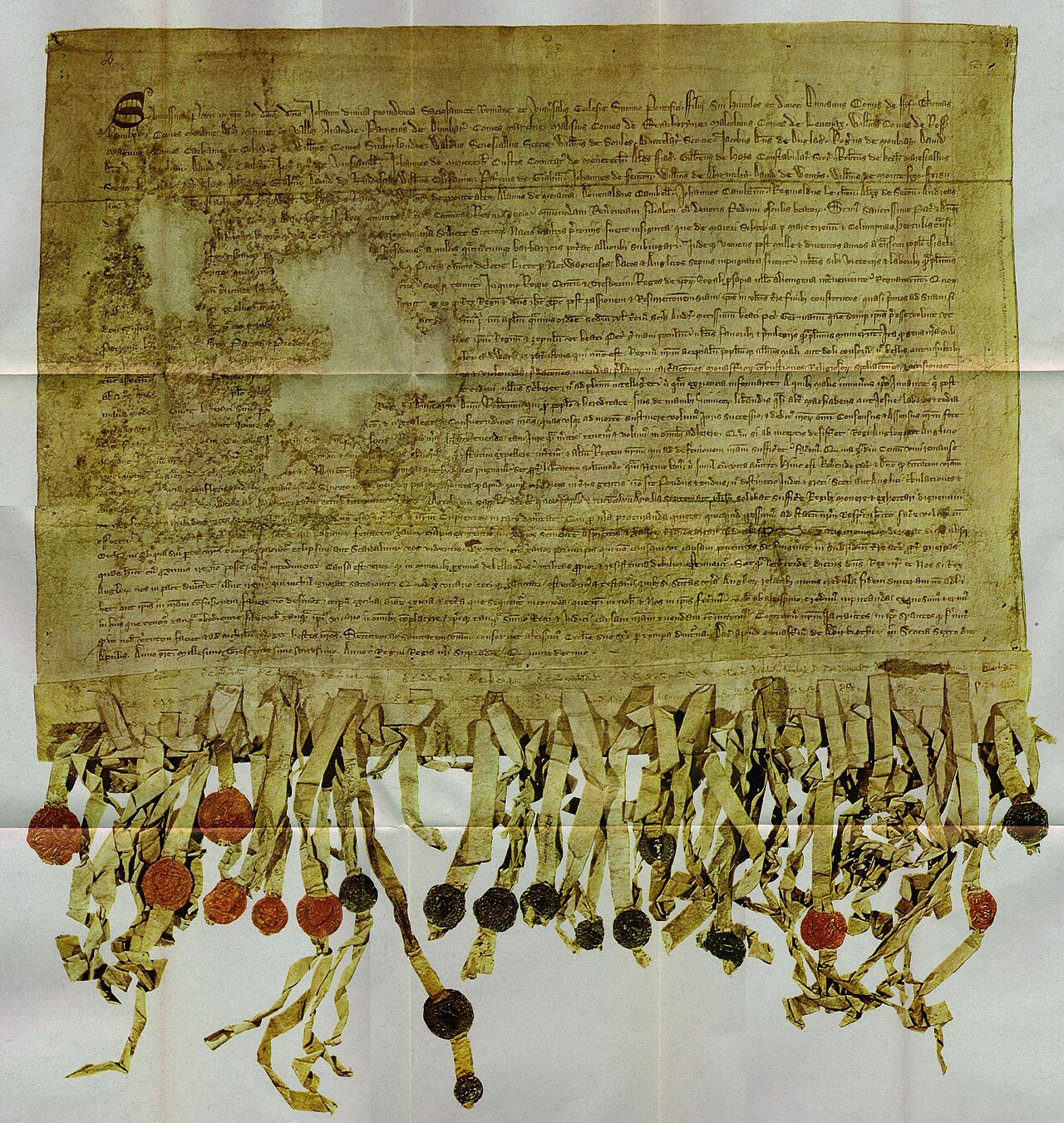
Declaration of Arbroath
Bernard of Kilwinning (attributed) · 6 April 1320
 Artifact
Primary source
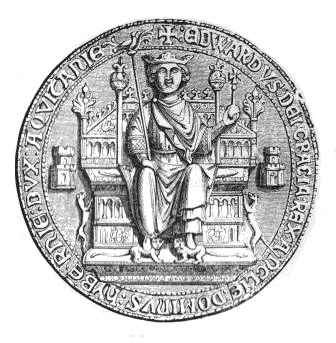
Great Seal of Edward II
Royal seal engravers · 1307–1327

Free account
Read every Edward II source
Sign up free →
Ready when you are
Start chatting with Edward II now.
20 messages free · No credit card · Available in 50+ languages.