


Secondary sourceSculpturec. 1330s
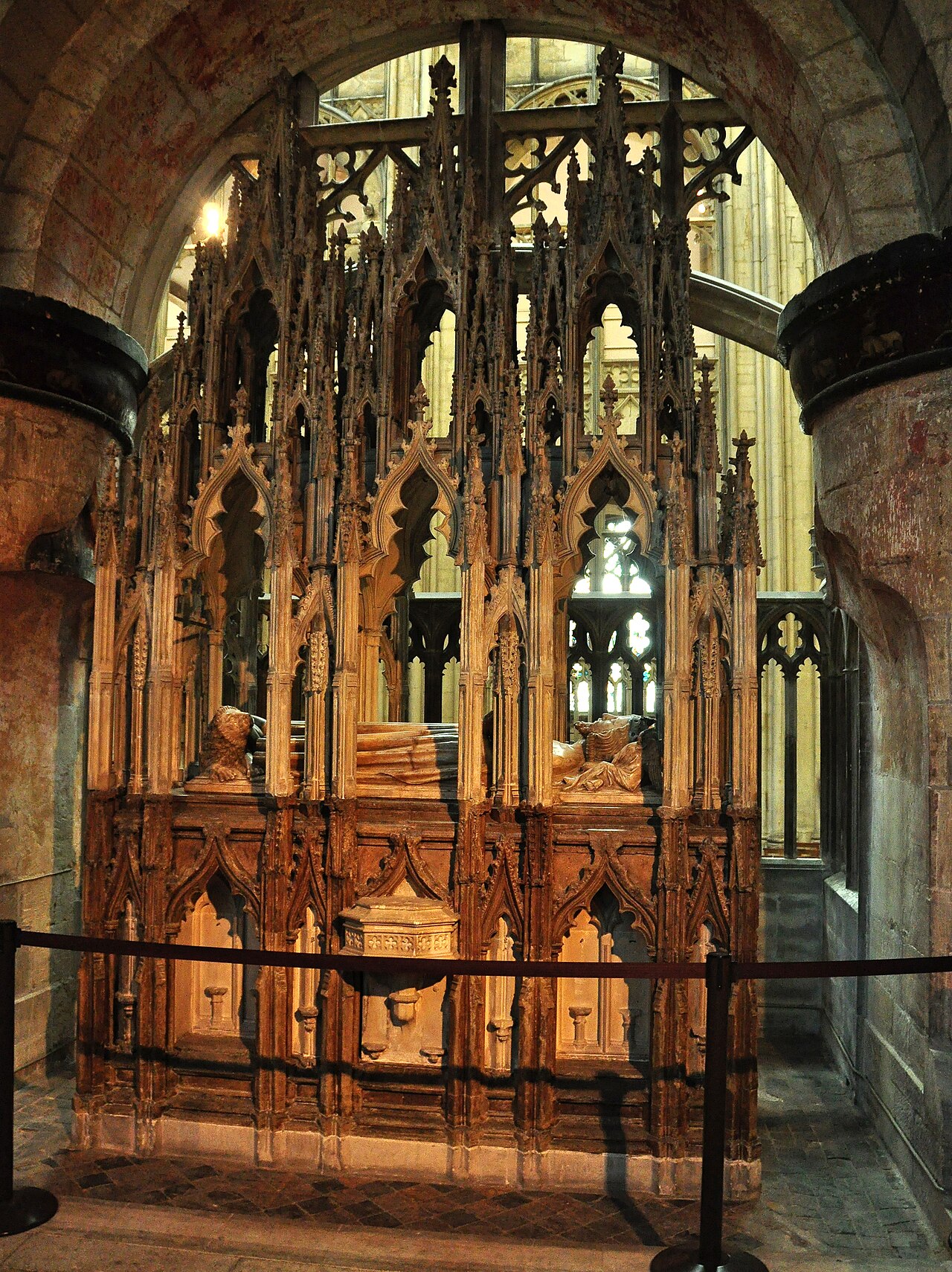
Tomb of Edward II
c. 1330s
The alabaster effigy and canopied tomb of Edward II in Gloucester Cathedral, built soon after his death.
This is Edward II's own tomb, commissioned by his son Edward III, and remains his primary memorial.
About this source
What it is
This is the tomb monument of King Edward II, located in Gloucester Cathedral. It has a carved alabaster effigy of the king lying beneath a tall Gothic canopy decorated with pinnacles and stone tracery. It was made within a few years of his death in 1327.
Why it matters
Edward III, Edward II's son and successor, commissioned this elaborate tomb to honour his deposed father. The monument became a focus for pilgrims and shows how the new king worked to restore dignity and legitimacy to his family after Edward II's downfall and death.
Look closer
- Why might Edward III have wanted such an impressive tomb for a king who had been forced from power?
- What does the choice of a pilgrimage-style monument suggest about public feeling toward Edward II after his death?
- What is missing from a tomb like this that might tell us about the real events of his final days?
This sculpture is part of the curated material that grounds the AI version of Edward II on Humy.ai — when students ask about related events, the AI can quote it and cite it.
More Edward II sources
Browse all 86 → Painting
Secondary source
Edward I Creating His Son Prince of Wales
1301 (manuscript near-contemporary)
 Letter
Primary source
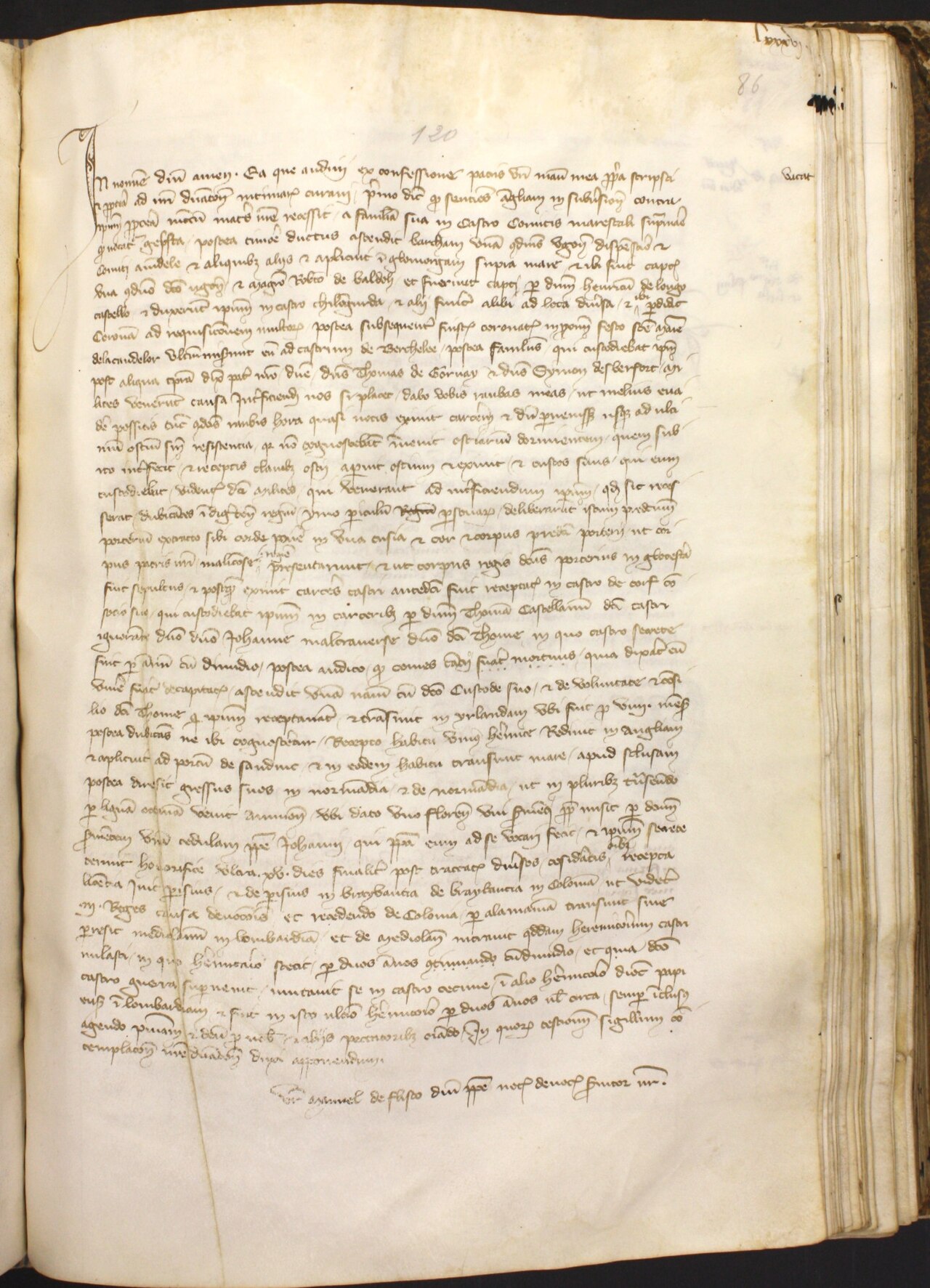
Fieschi Letter
Manuele Fieschi · c. 1337
 Document
Primary source
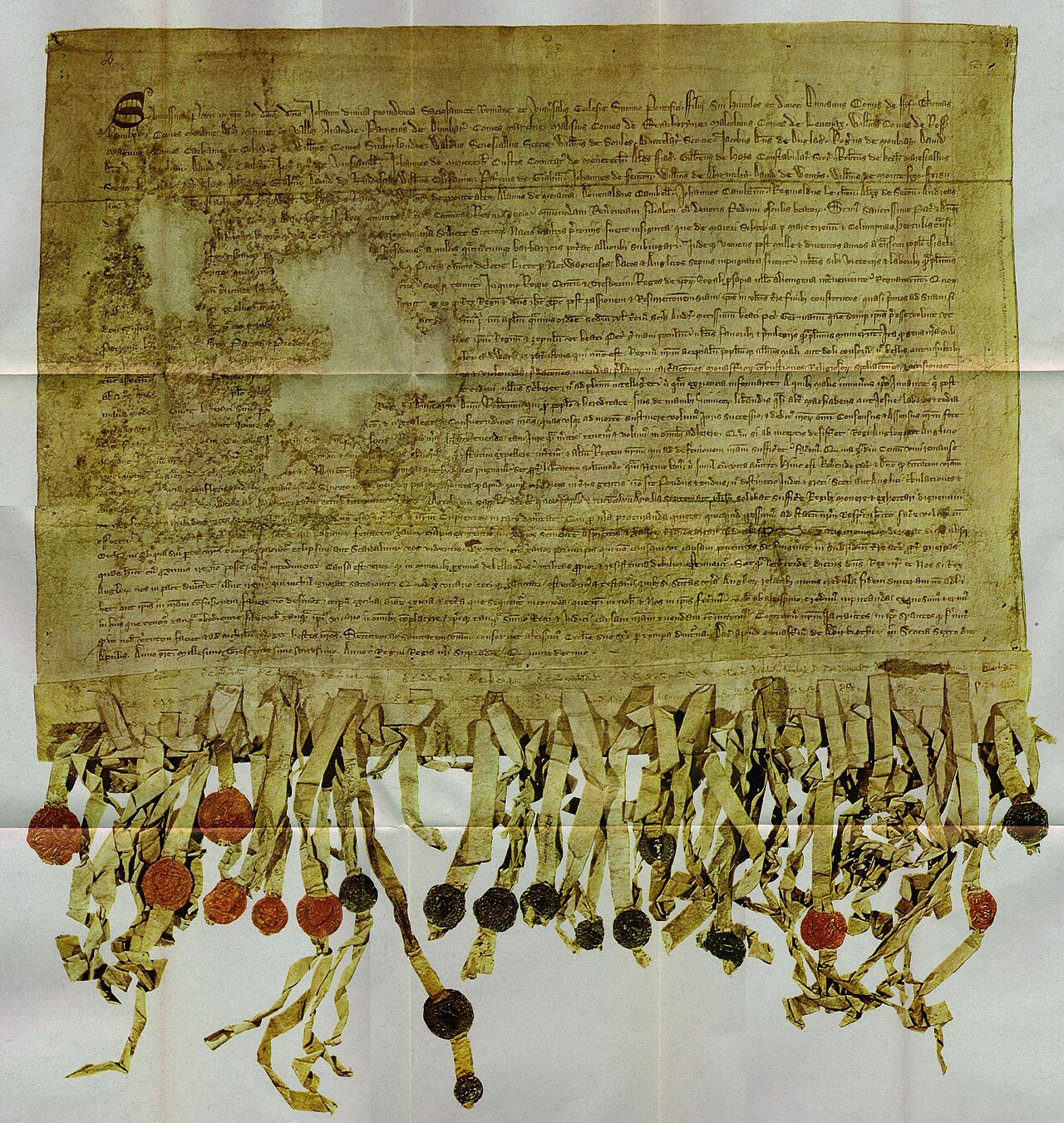
Declaration of Arbroath
Bernard of Kilwinning (attributed) · 6 April 1320
 Artifact
Primary source
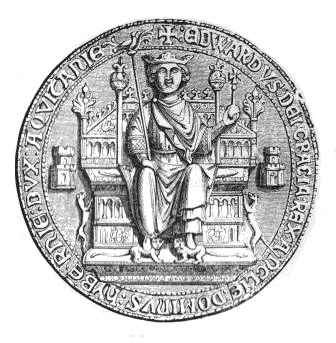
Great Seal of Edward II
Royal seal engravers · 1307–1327
Free account
Read every Edward II source
Sign up free →
Ready when you are
Start chatting with Edward II now.
20 messages free · No credit card · Available in 50+ languages.