


Primary sourceBook1927
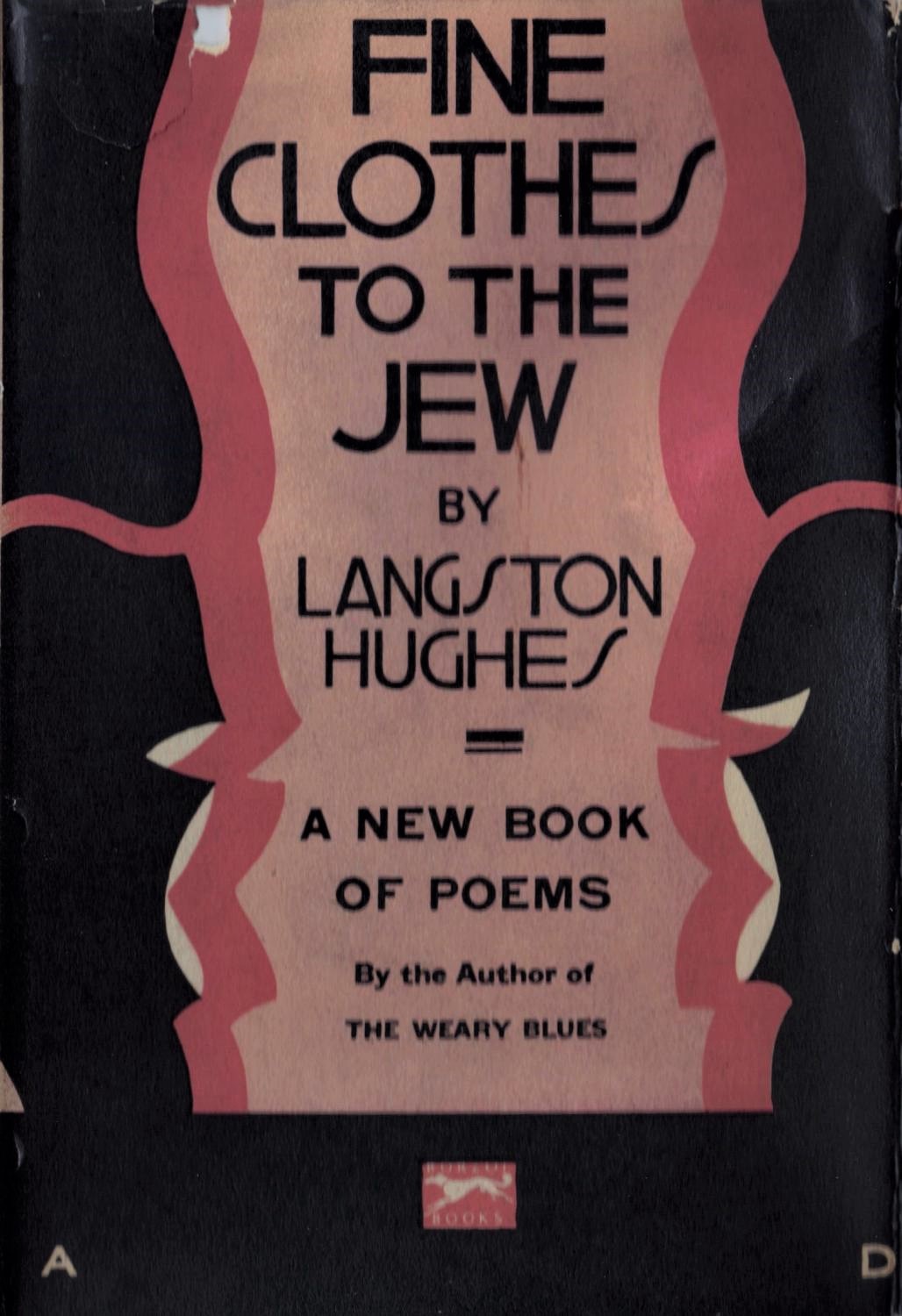
Fine Clothes to the Jew
Langston Hughes · 1927
Langston Hughes's 1927 poetry collection written in the voice and rhythm of the blues, exploring working-class Black life in Harlem.
Hughes's own 1927 poetry collection, considered by him his best book despite harsh criticism from Black critics at the time.
About this source
What it is
Fine Clothes to the Jew is a 1927 poetry collection by Langston Hughes, published by Alfred A. Knopf. Its title comes from a phrase used in Harlem about pawning clothes at Jewish-owned pawn shops when short on money.
Why it matters
Many poems in the book follow the strict pattern of the blues, a form rooted in Black folk music. The collection broke from sentimental portrayals of Black life and was widely criticized, especially in the Black press, at the time of publication, though Hughes later considered it one of his finest works. It shows the tension between artistic honesty and respectability politics within the Harlem Renaissance.
Look closer
- Why might Hughes have chosen the blues form, with its repeated lines, for these poems?
- Why do you think some Black critics reacted so strongly against this book?
- What does the controversy reveal about debates within the Black community over how to represent Black life?
This book is part of the curated material that grounds the AI version of Langston Hughes on Humy.ai — when students ask about related events, the AI can quote it and cite it.
More Langston Hughes sources
Meet the AI Langston Hughes →
Ready when you are
Start chatting with Langston Hughes now.
20 messages free · No credit card · Available in 50+ languages.