


Secondary sourceSpeech24 July 1933
Fireside Chat of 24 July 1933
Franklin D. Roosevelt · 24 July 1933
A 1933 radio speech by Franklin D. Roosevelt that mentions Andrew Jackson, nicknamed 'Old Hickory,' to make a point about leadership.
Roosevelt's invocation of Jackson's nickname shows how Jackson's legacy as a tough leader was remembered decades later.
About this source
What it is
This is a radio address given by President Franklin D. Roosevelt on 24 July 1933, explaining the goals of his New Deal recovery program. In it, Roosevelt refers to Andrew Jackson by his nickname 'Old Hickory' and recounts a remark made after Jackson's death.
Why it matters
Although the speech is mainly about Roosevelt's own policies, the reference to Jackson shows how later presidents invoked his memory nearly a century afterward. It reveals that Jackson's reputation for toughness and strong leadership remained a powerful symbol in American political culture long after his death.
Look closer
- Why might Roosevelt have chosen to mention Jackson in a speech about his own New Deal plans?
- What does the anecdote about 'Old Hickory' suggest about how Americans remembered Jackson?
- How does using a nickname like 'Old Hickory' affect the tone of the speech?
This speech is part of the curated material that grounds the AI version of Andrew Jackson on Humy.ai — when students ask about related events, the AI can quote it and cite it.
More Andrew Jackson sources
Meet the AI Andrew Jackson →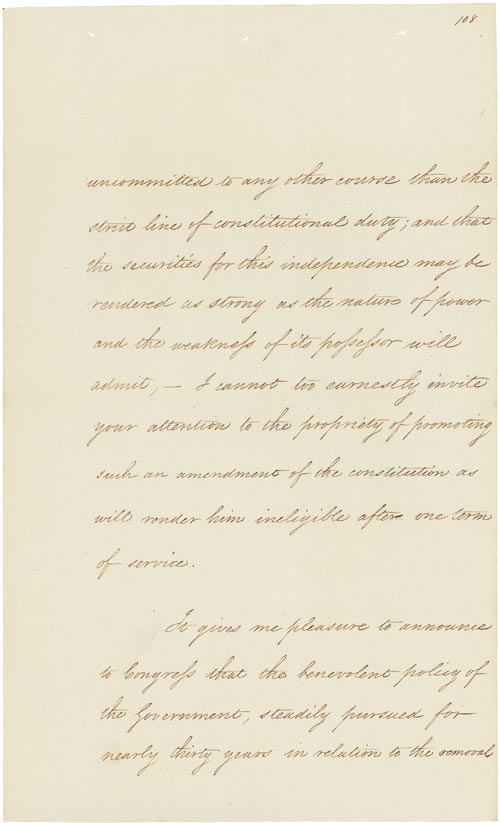 Speech
Primary source
Message to Congress On Indian Removal
Andrew Jackson · 6 December 1830
 Painting
Primary source
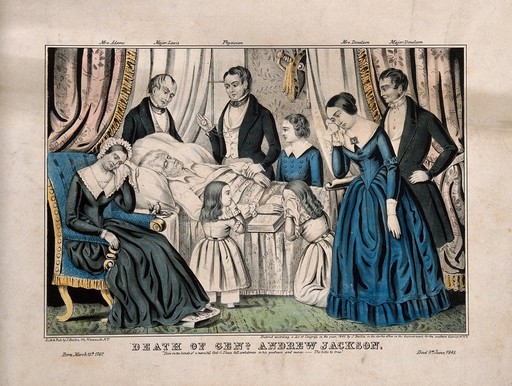
Death of General Andrew Jackson
1845
 Painting
Primary source
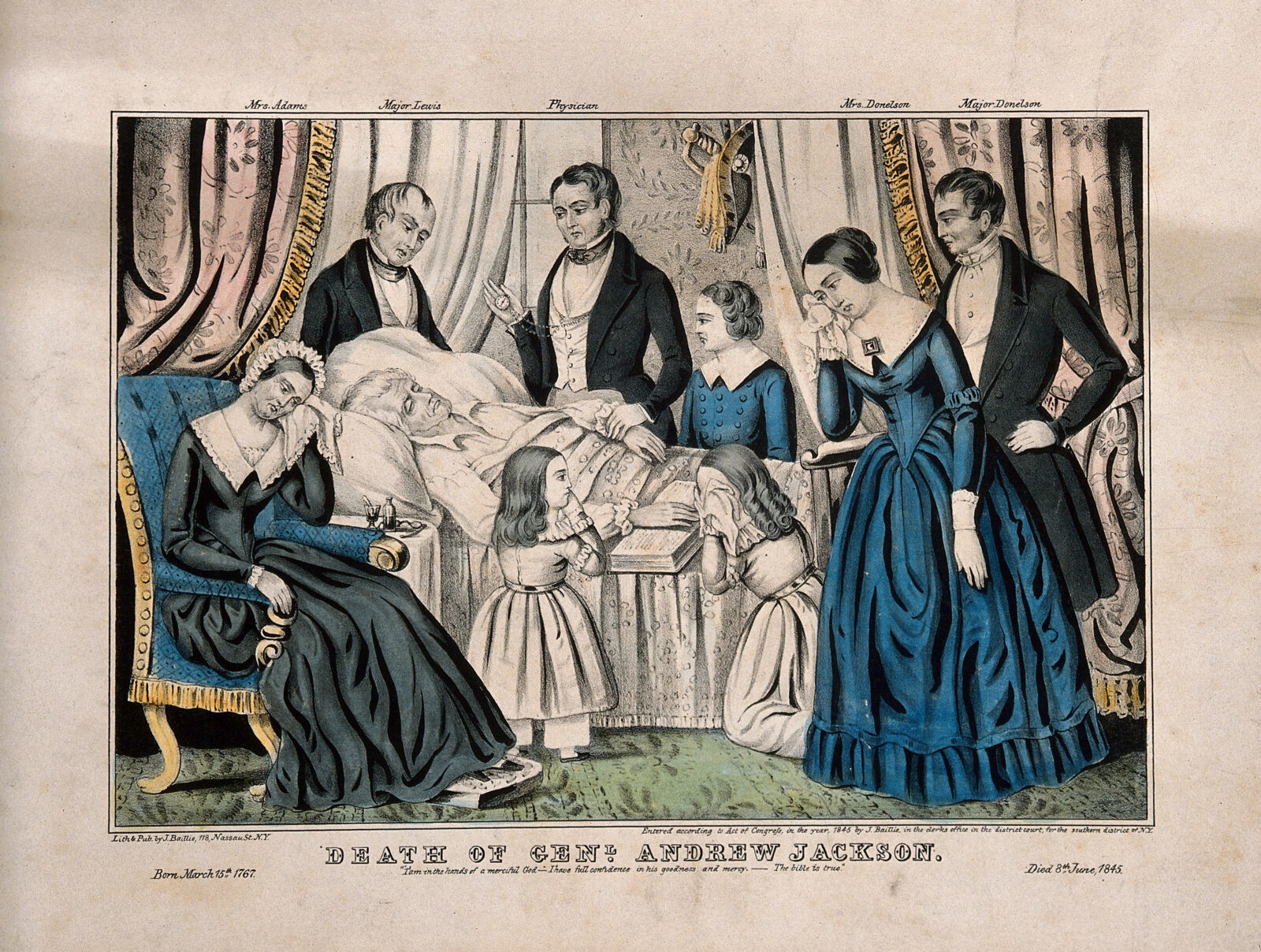
The Death of President Andrew Jackson
1845
Primary source
Indian Removal Act
United States Congress · 28 May 1830
 Photograph
Secondary source
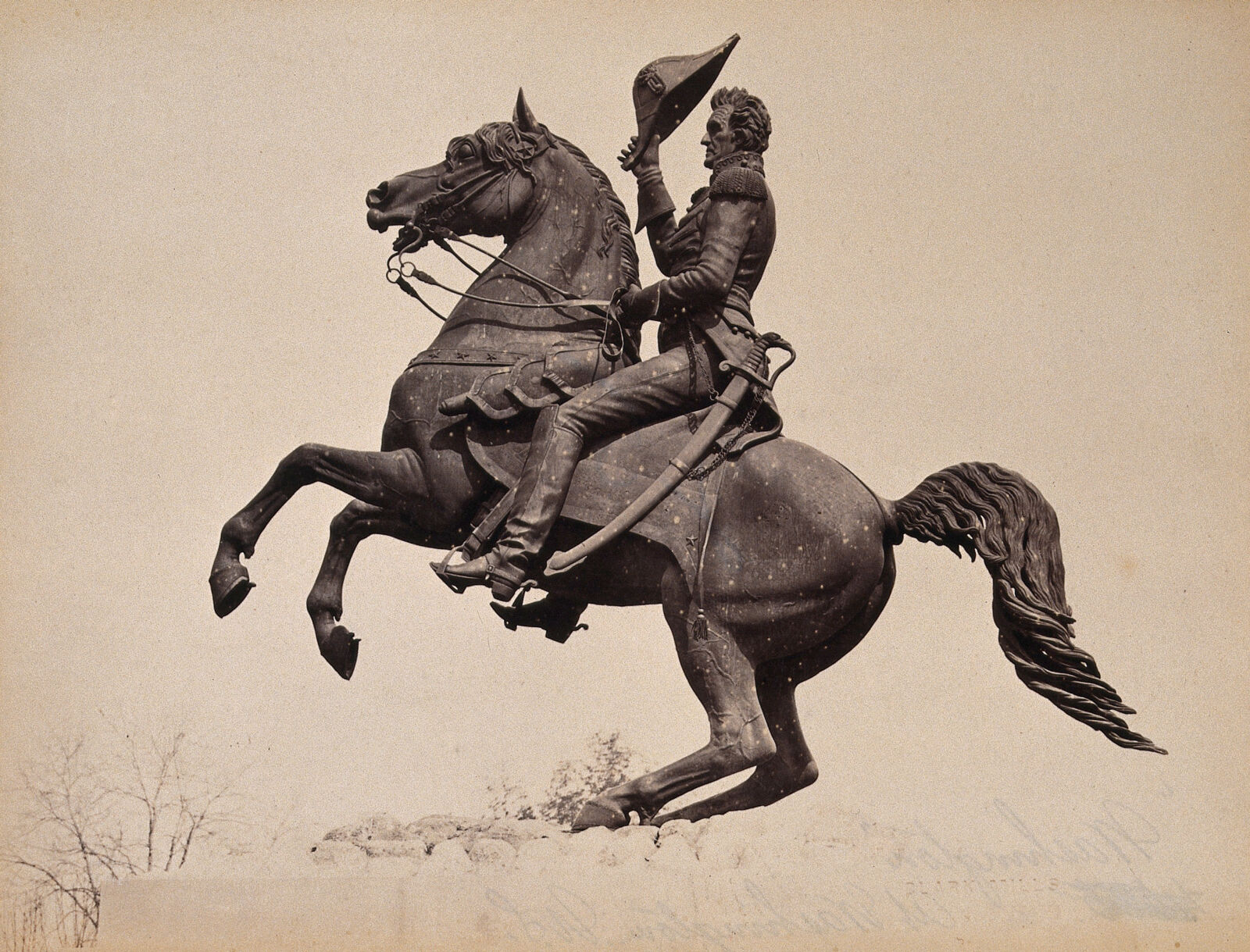
Photograph of the Andrew Jackson Equestrian Statue, Lafayette Park
Clark Mills · c. 1880
Ready when you are
Start chatting with Andrew Jackson now.
20 messages free · No credit card · Available in 50+ languages.