


Primary sourcePhotographSecond World War (c. 1943)
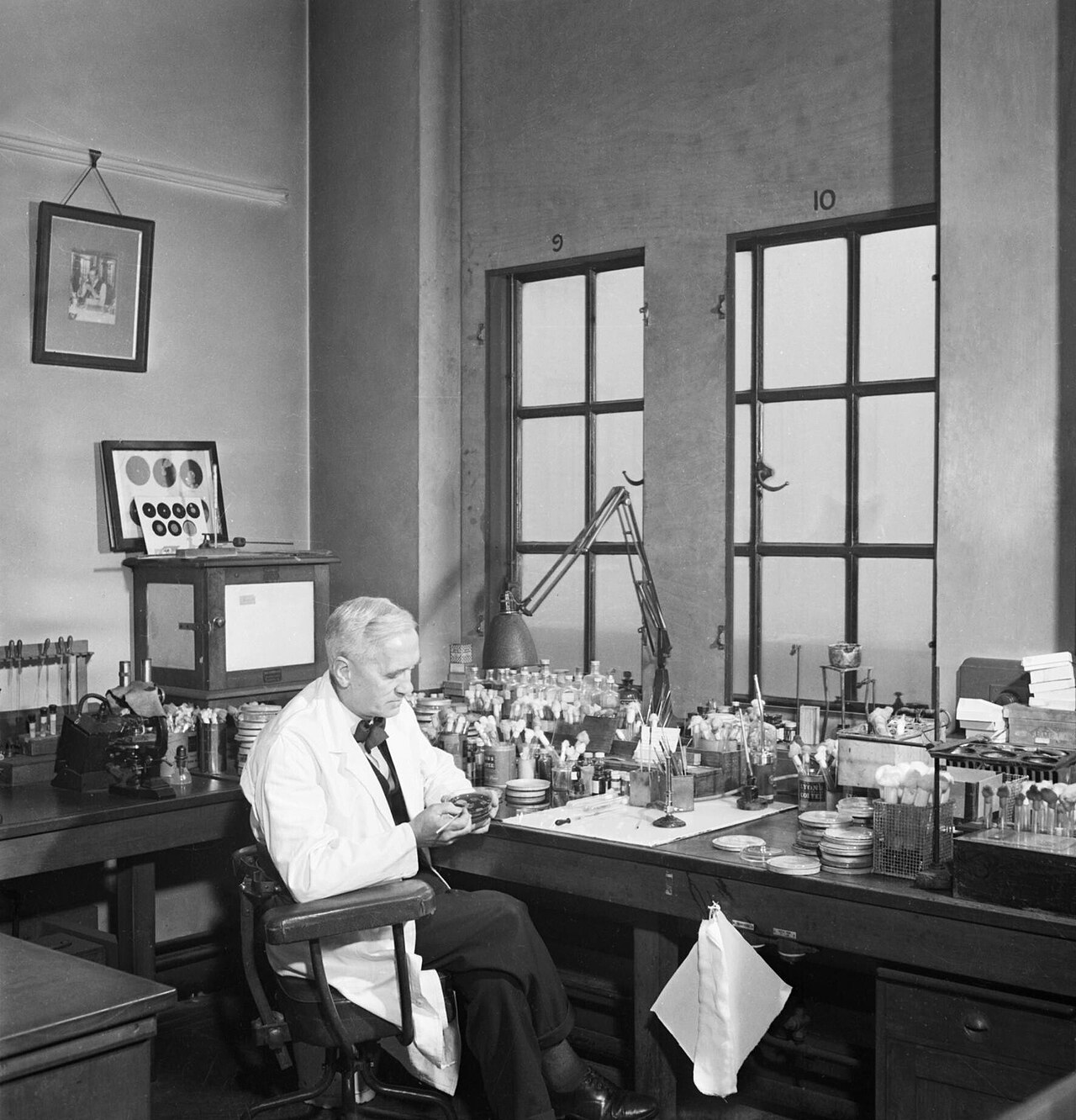
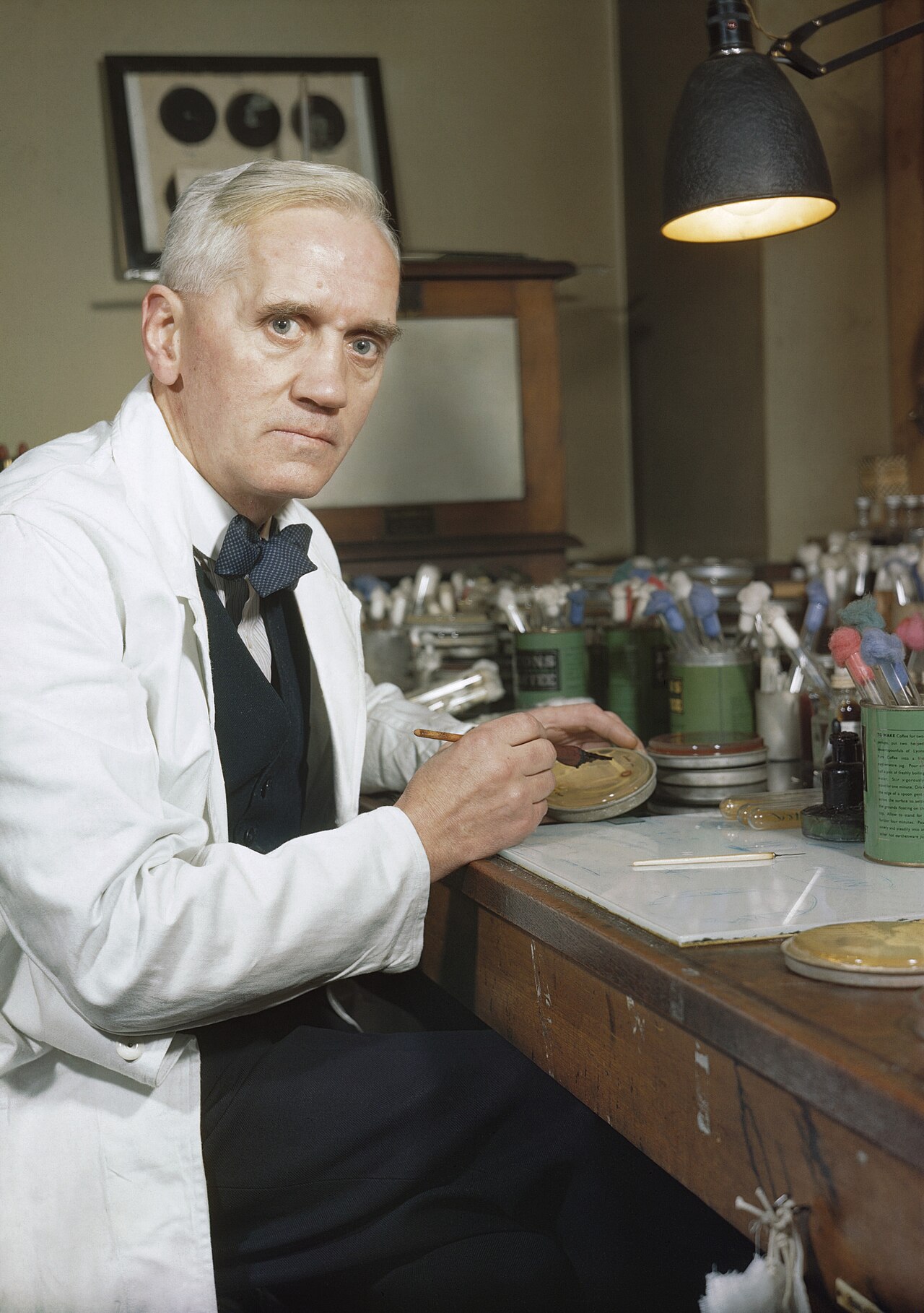
Fleming at Work in His Wartime Laboratory
Ministry of Information Photo Division Photographer · Second World War (c. 1943)
A wartime photograph of Alexander Fleming examining a petri dish in his laboratory at St Mary's Hospital, London.
Shows Fleming continuing his penicillin research years after his discovery, as presented by wartime propaganda.
About this source
What it is
This photograph, taken by the Ministry of Information Photo Division during the Second World War, shows Professor Alexander Fleming at work in his laboratory at St Mary's Hospital, London. By this time, fourteen years after his discovery of penicillin, he was still experimenting to study the drug's effects on bacteria.
Why it matters
The image reflects how the British wartime government publicised Fleming as a national hero, connecting his scientific work to the war effort and national pride. It shows how science, medicine, and propaganda could intersect during wartime.
Look closer
- Why might the Ministry of Information want to photograph a scientist during the war?
- What details in the laboratory suggest ongoing, careful research rather than a single dramatic discovery?
- What does the photograph not tell us about the years of work needed to develop penicillin into a usable medicine?
This photograph is part of the curated material that grounds the AI version of Alexander Fleming on Humy.ai — when students ask about related events, the AI can quote it and cite it.
More Alexander Fleming sources
Browse all 85 →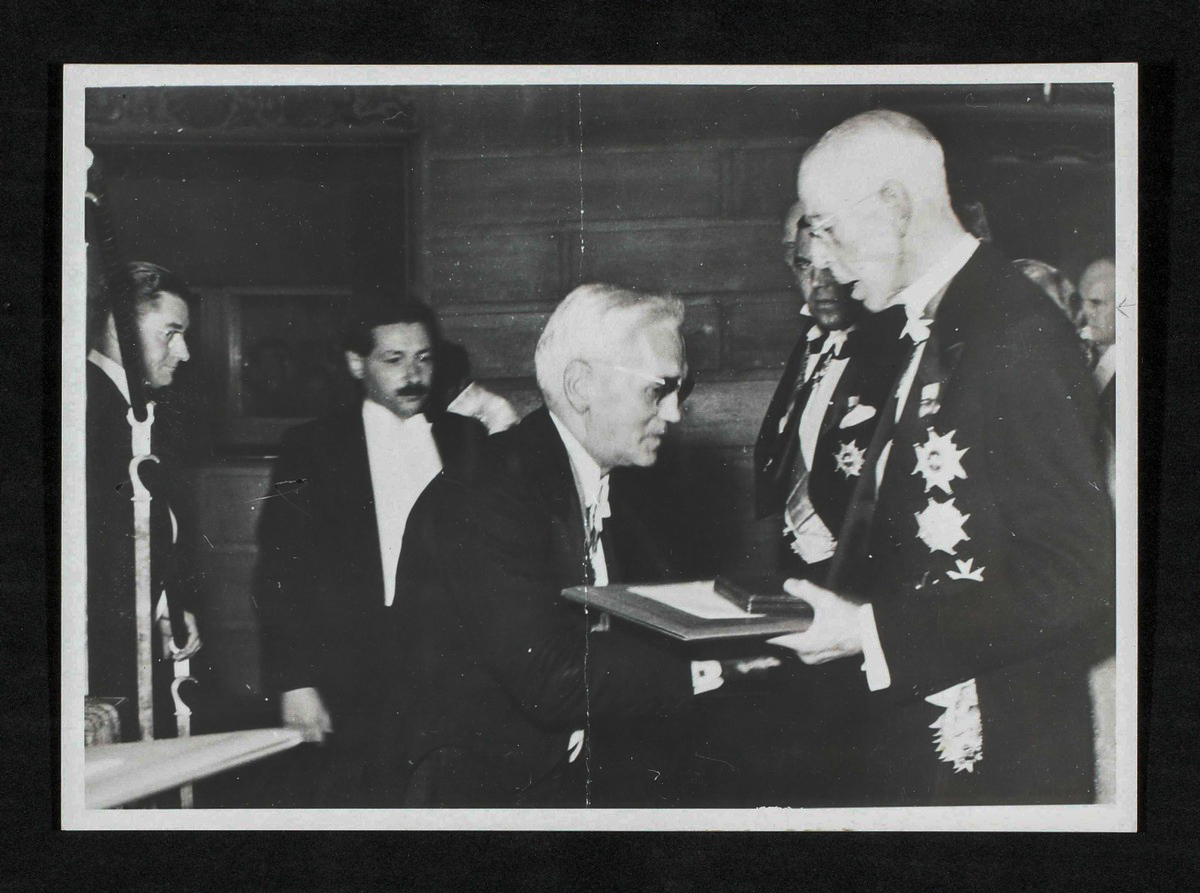 Photograph
Primary source
Fleming Receiving the Nobel Prize
Unknown · 1945
 Artifact
Primary source
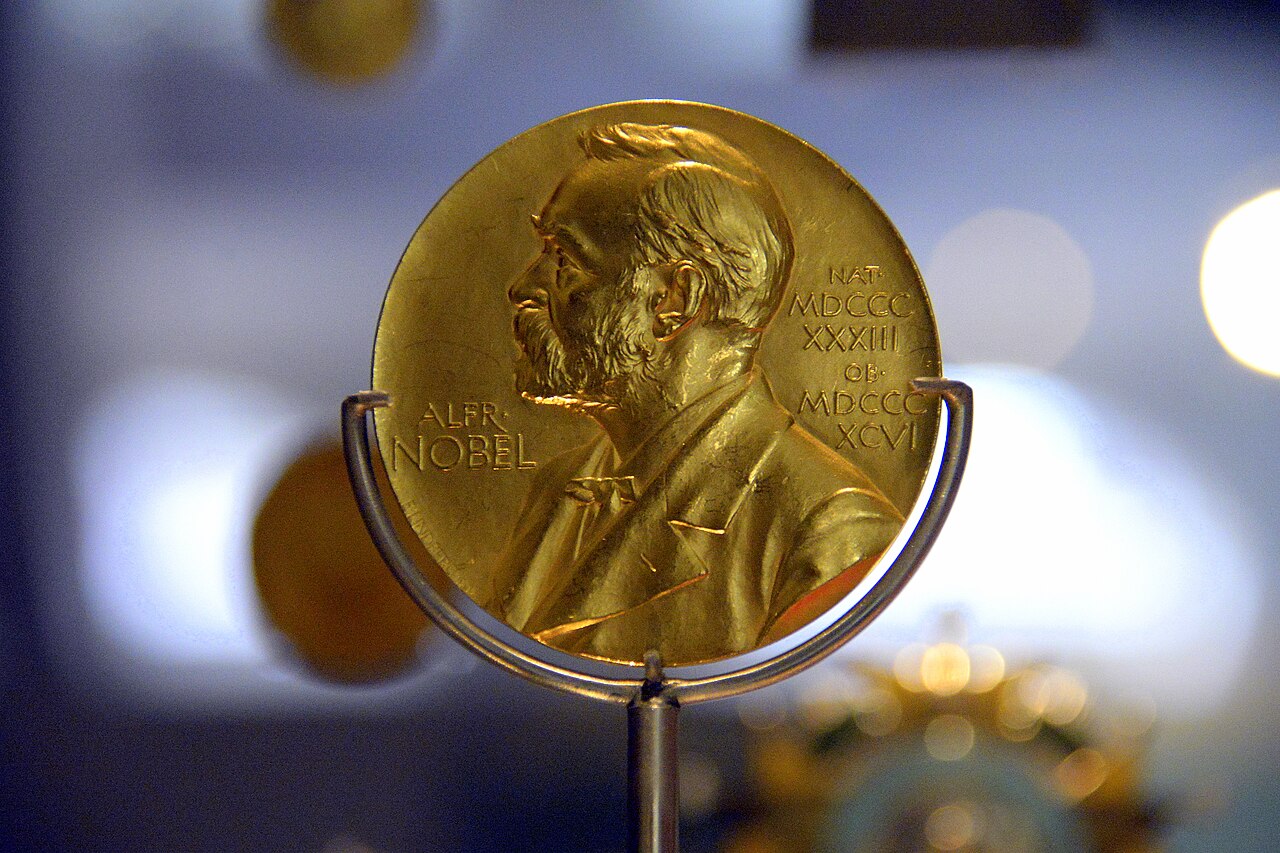
Fleming's Nobel Prize Medal for Medicine
1945
 Photograph
Primary source
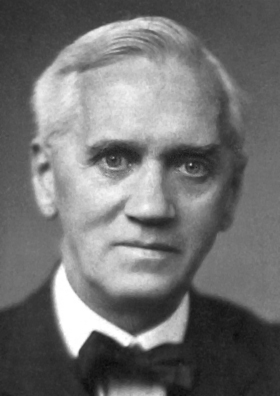
Official Nobel Portrait of Alexander Fleming
Nobel Foundation · 1945
 Photograph
Primary source
Fleming and the Synthetic Production of Penicillin
1943

Free account
Read every Alexander Fleming source
Sign up free →
Ready when you are
Start chatting with Alexander Fleming now.
20 messages free · No credit card · Available in 50+ languages.