


Primary sourceArtifact1945
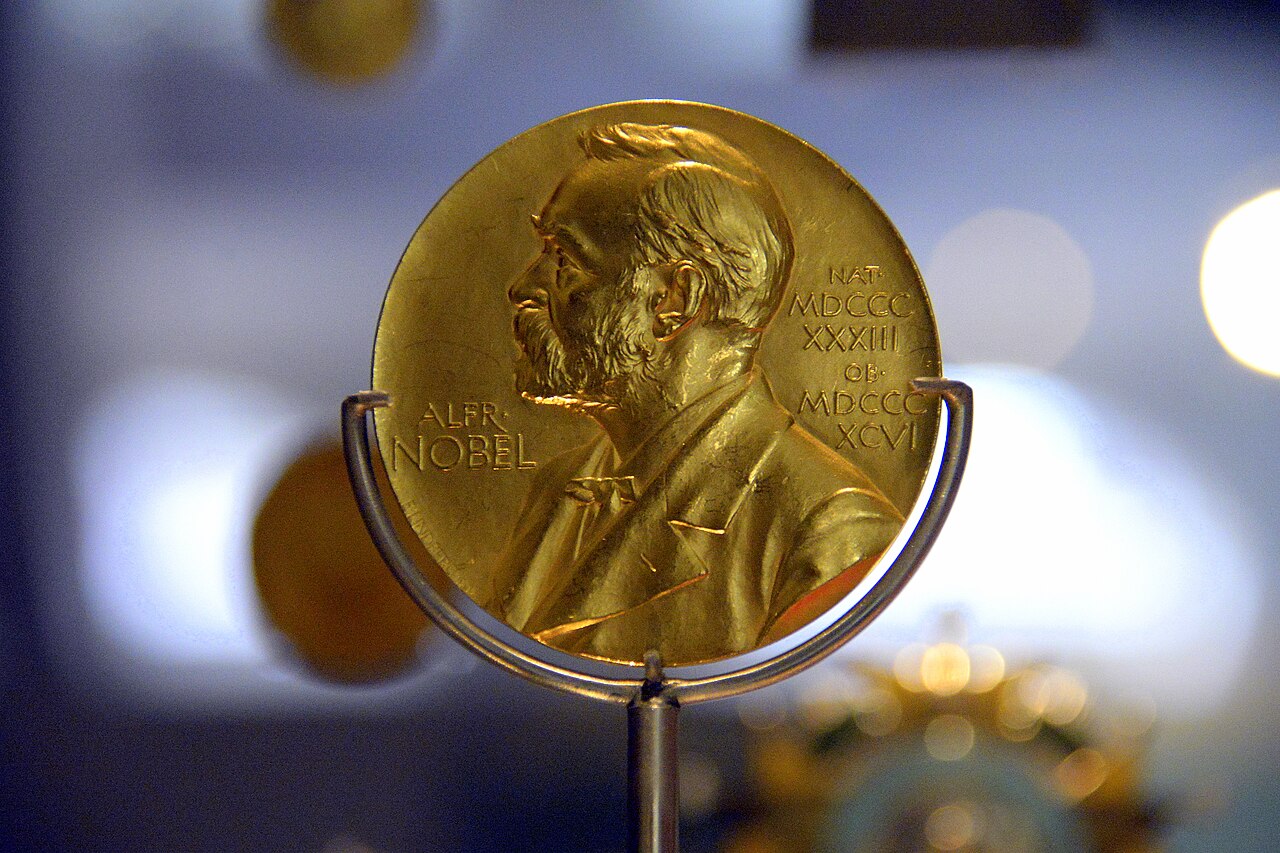
Fleming's Nobel Prize Medal for Medicine
1945
The gold Nobel Prize medal awarded to Alexander Fleming in 1945 for the discovery of penicillin, now on display in Edinburgh.
Fleming's own Nobel medal, physical evidence of the prize he was awarded for discovering penicillin.
About this source
What it is
This is the Nobel Prize medal for Medicine awarded to Sir Alexander Fleming in 1945 for his discovery of penicillin. It is now on display at the National Museum of Scotland in Edinburgh.
Why it matters
The medal is a physical trace of the honour shared by Fleming with Howard Florey and Ernst Chain, who developed penicillin into a practical treatment. As a museum object, it stands for the recognition of a discovery that changed medicine, while reminding us that many hands besides Fleming's turned a laboratory finding into a usable drug.
Look closer
- What does the design and inscription on the medal (naming Alfred Nobel) tell us about the purpose of the prize?
- Why might a museum choose to display an object like this rather than only tell its story in words?
- What does the medal alone not explain about how penicillin actually came to be made and used?
This artifact is part of the curated material that grounds the AI version of Alexander Fleming on Humy.ai — when students ask about related events, the AI can quote it and cite it.
More Alexander Fleming sources
Browse all 85 →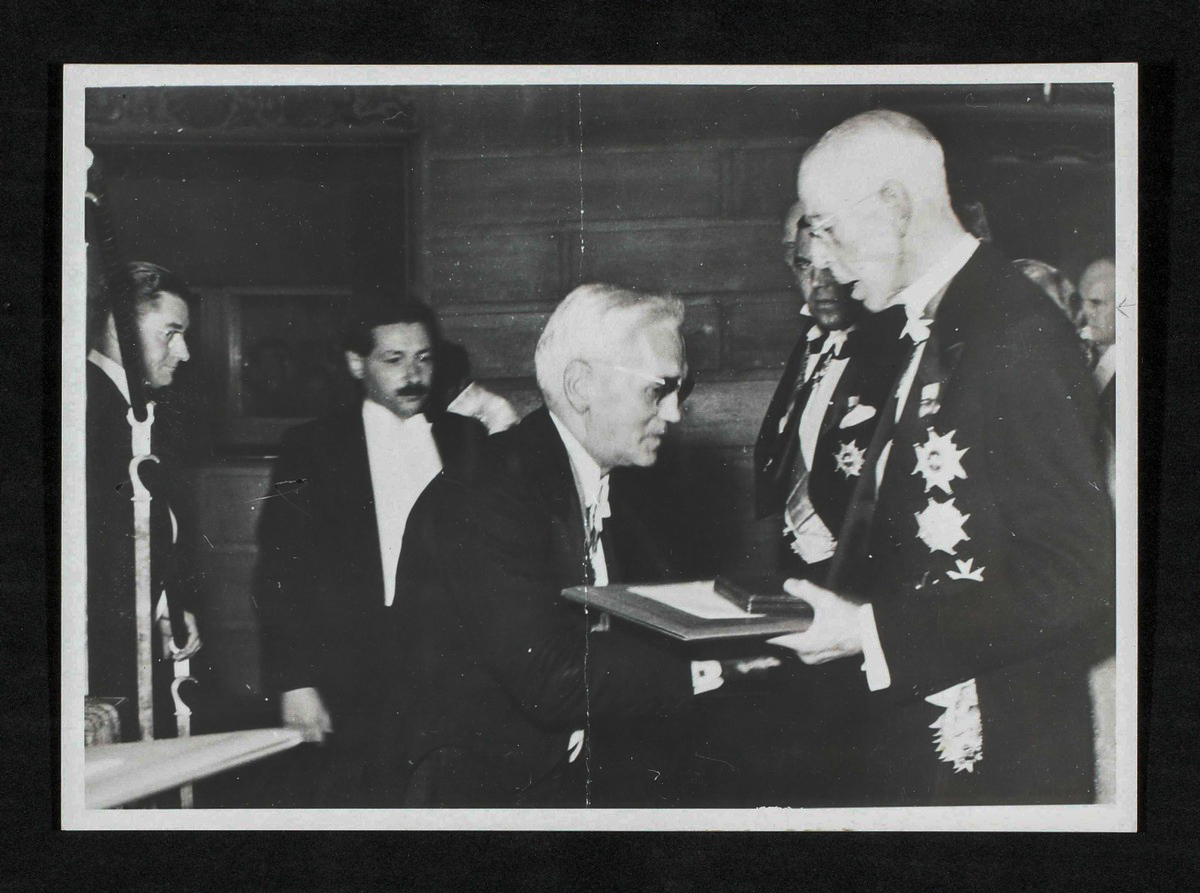 Photograph
Primary source
Fleming Receiving the Nobel Prize
Unknown · 1945
 Photograph
Primary source
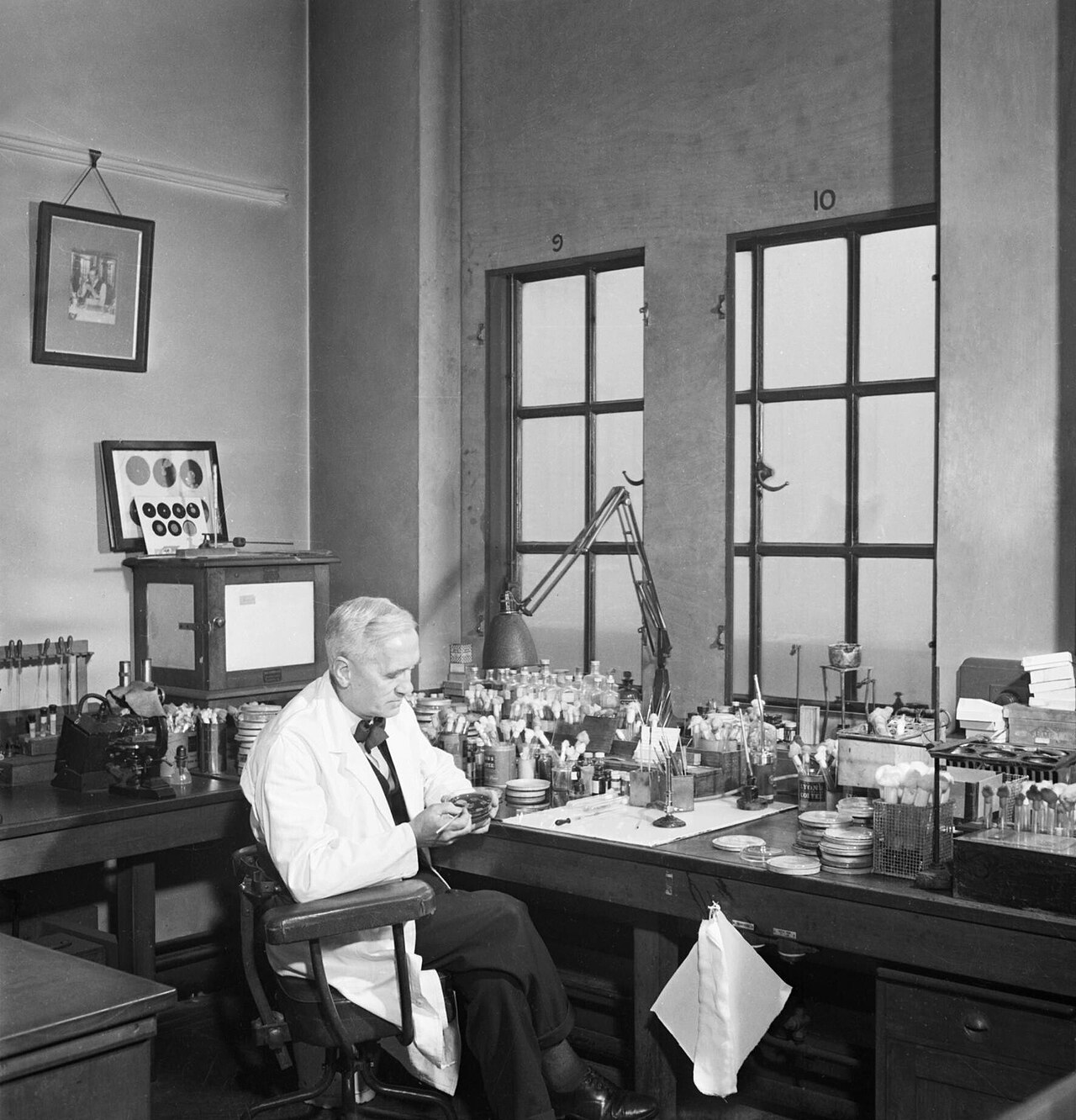
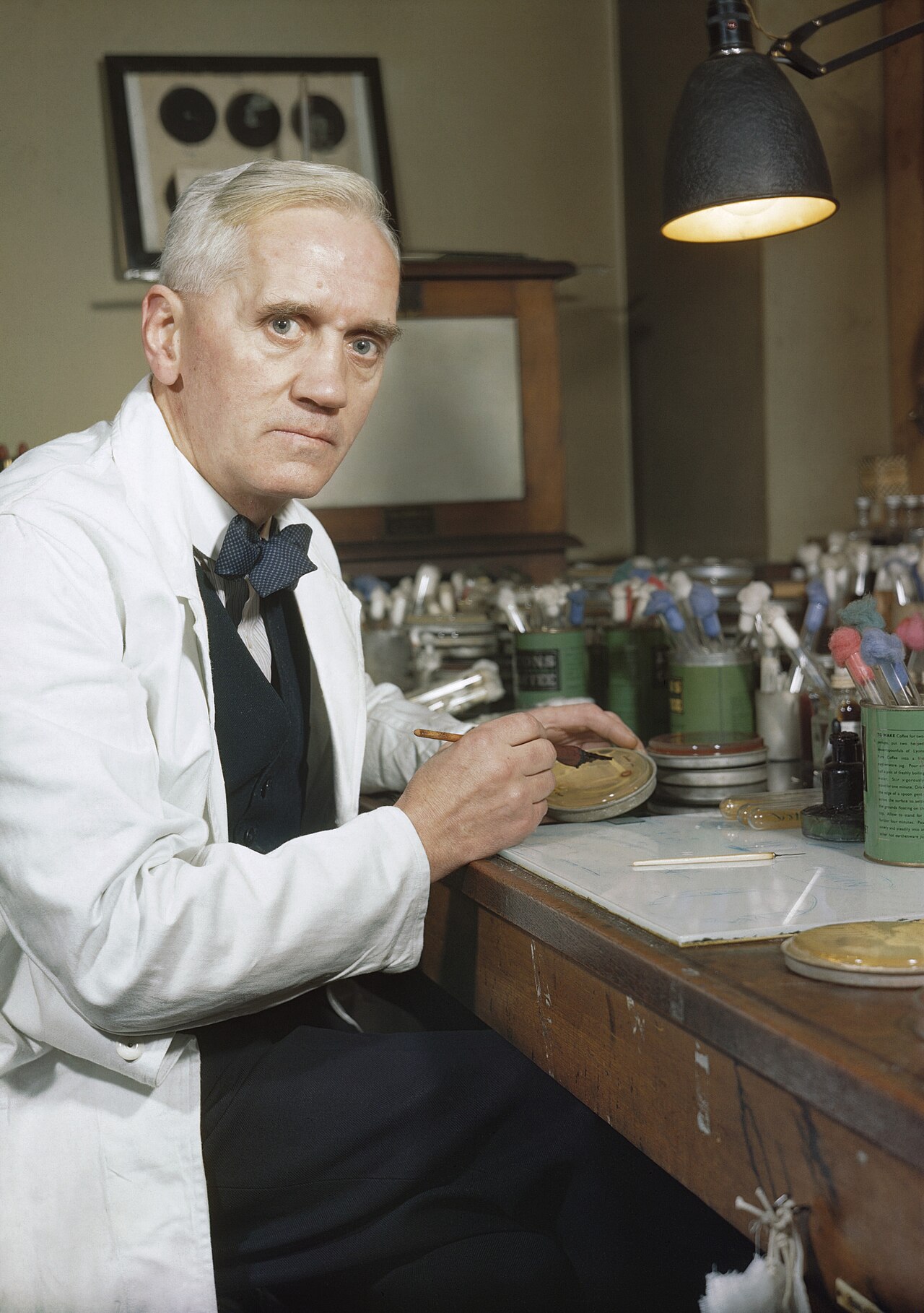
Fleming at Work in His Wartime Laboratory
Ministry of Information Photo Division Photographer · Second World War (c. 1943)
 Photograph
Primary source
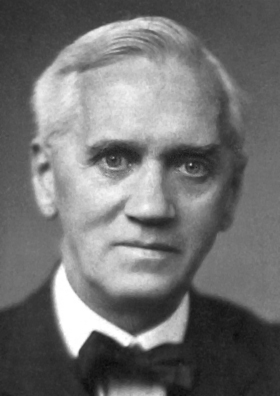
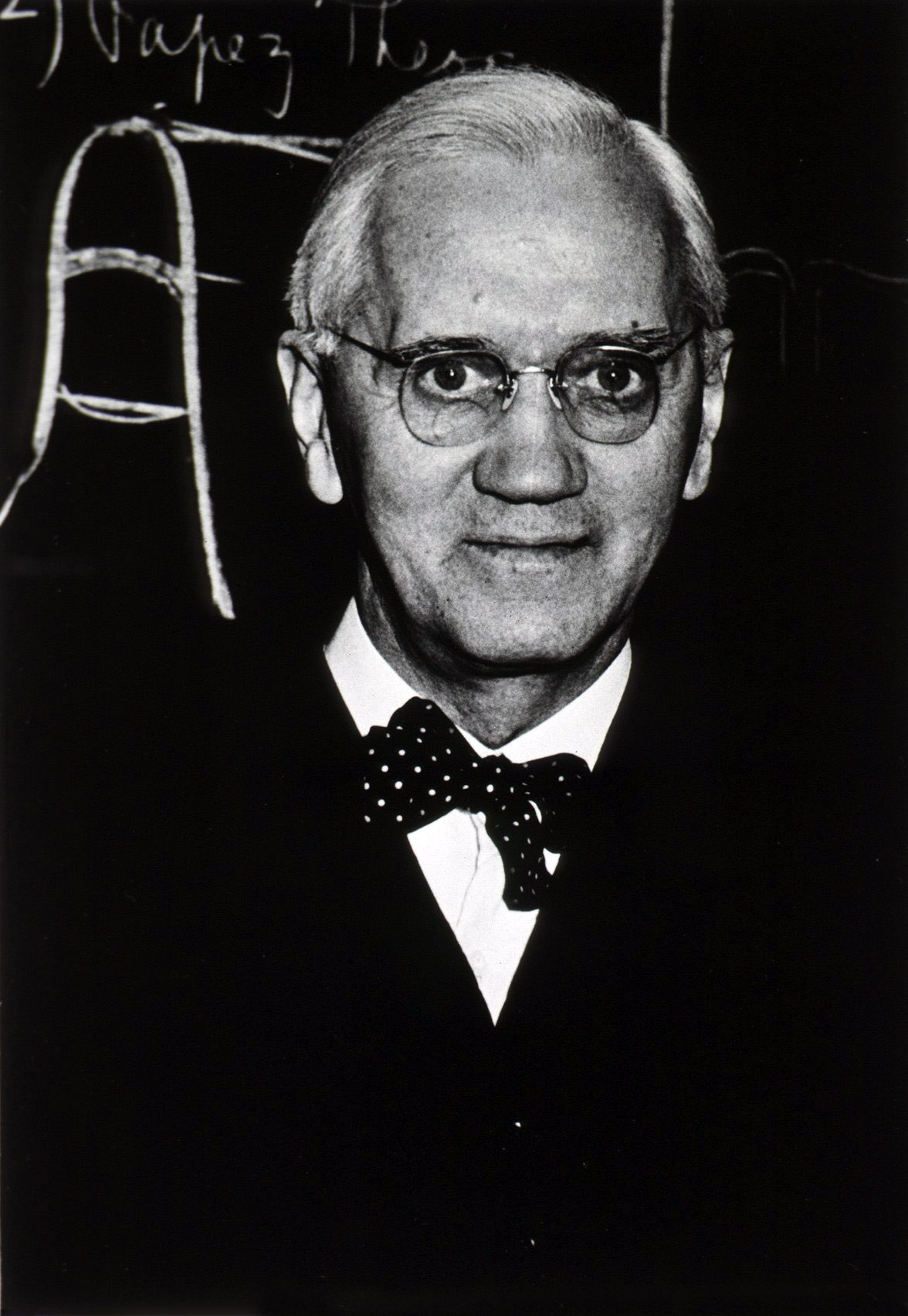
Official Nobel Portrait of Alexander Fleming
Nobel Foundation · 1945
 Photograph
Primary source
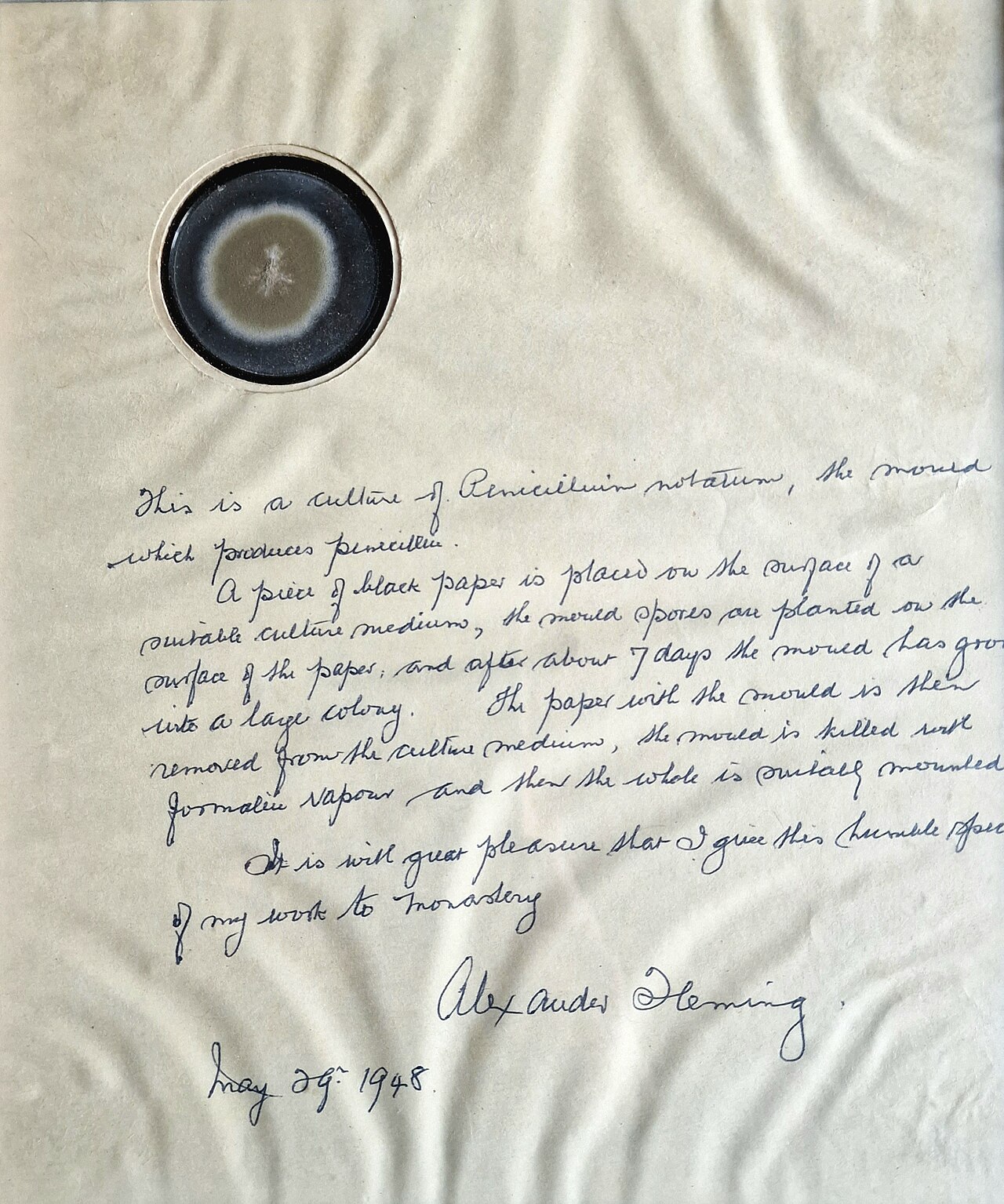
Fleming and the Synthetic Production of Penicillin
1943

Free account
Read every Alexander Fleming source
Sign up free →
Ready when you are
Start chatting with Alexander Fleming now.
20 messages free · No credit card · Available in 50+ languages.