


Primary sourceDocument27 December 1657
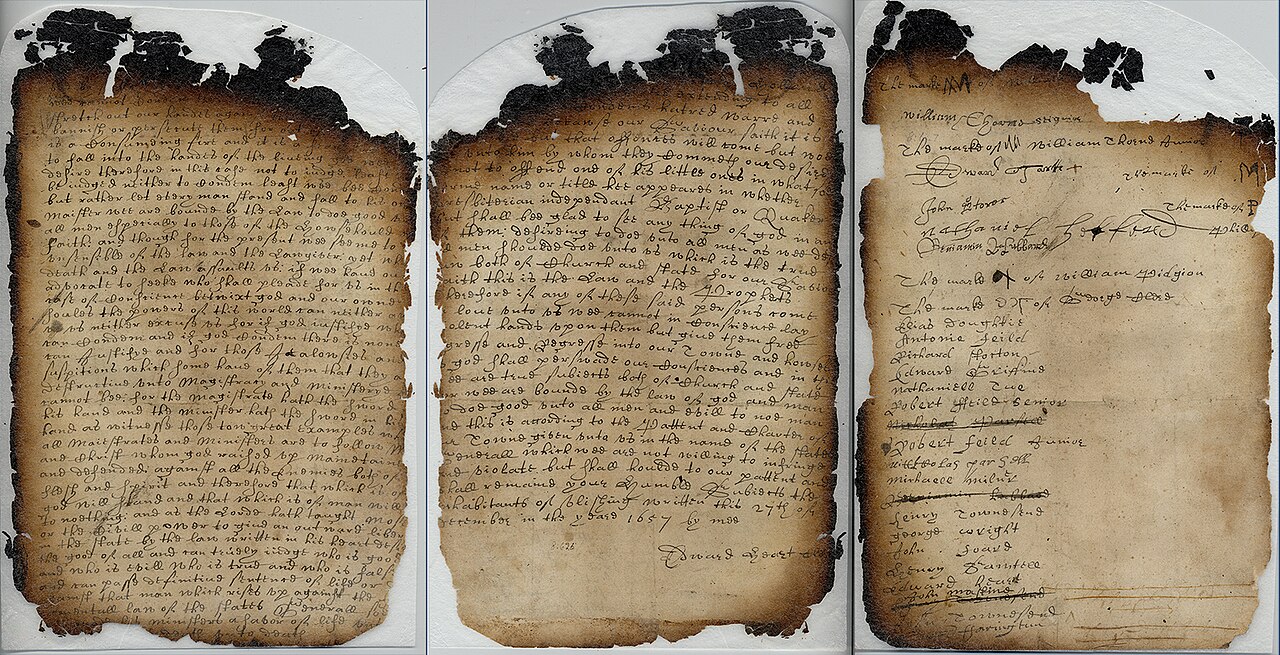
Flushing Remonstrance
Edward Hart · 27 December 1657
A 1657 petition from residents of Flushing protesting Stuyvesant's ban on Quaker worship, an early statement of religious liberty.
This petition directly challenged Stuyvesant's religious policy and led him to arrest several of its signers.
About this source
What it is
The Flushing Remonstrance is a petition written in 1657 by about thirty residents of Flushing, a settlement in the Dutch colony of New Netherland. It was addressed to Director-General Peter Stuyvesant and signed at the home of town clerk Edward Hart, who wrote it.
Why it matters
Stuyvesant had banned the sheltering of Quakers and restricted worship outside the Dutch Reformed Church. The Flushing colonists, who were not Quakers themselves, argued they could not in conscience turn against their neighbors' faith. Stuyvesant responded by arresting several signers, including Hart and sheriff Tobias Feake. The document is seen as an early step toward the idea of religious freedom later written into American law.
Look closer
- What risk did the signers take by writing this petition?
- How does the document use religious language to argue against Stuyvesant's policy?
- What does Stuyvesant's reaction tell you about his view of his own authority?
This document is part of the curated material that grounds the AI version of Peter Stuyvesant on Humy.ai — when students ask about related events, the AI can quote it and cite it.
More Peter Stuyvesant sources
Meet the AI Peter Stuyvesant →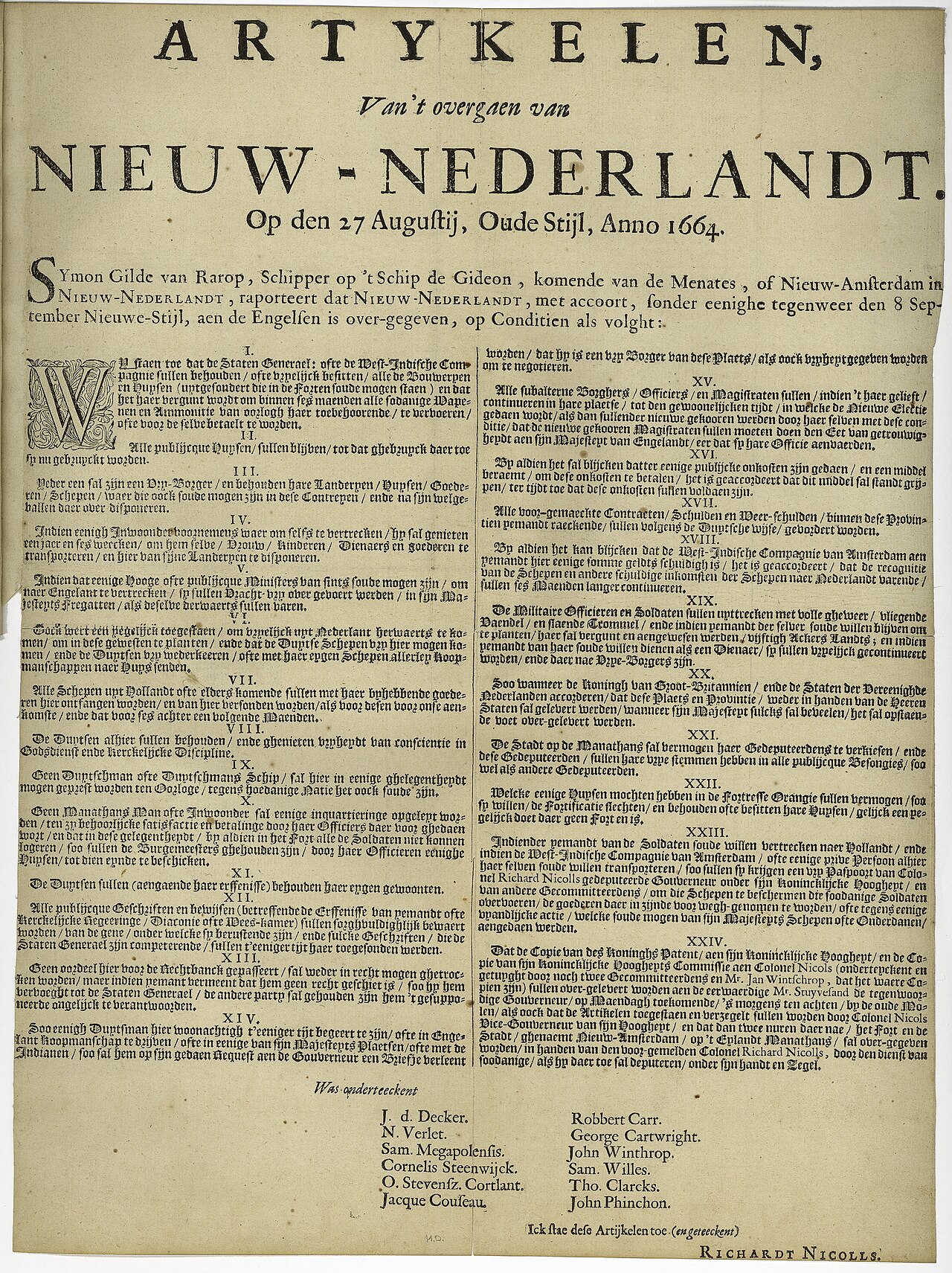 Document
Primary source
Articles of Capitulation on the Reduction of New Netherland
29 September 1664
 Painting
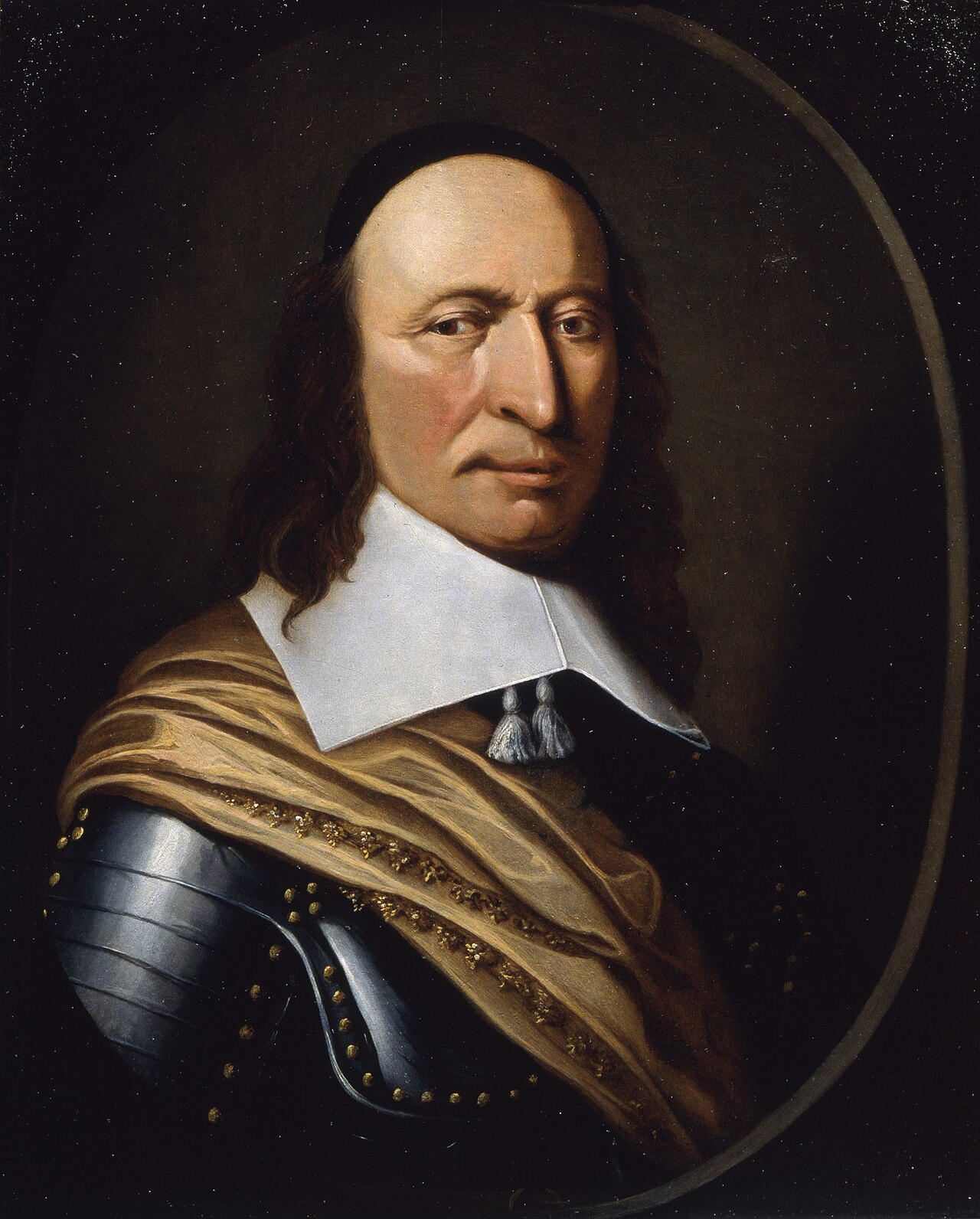
Primary source
Petrus (Peter) Stuyvesant
Hendrick Couturier (attributed) · 1652
Secondary source
Laws and Ordinances of New Netherland, 1638–1674
E. B. O'Callaghan · 1647–1664 (compiled 1868)
 Artifact
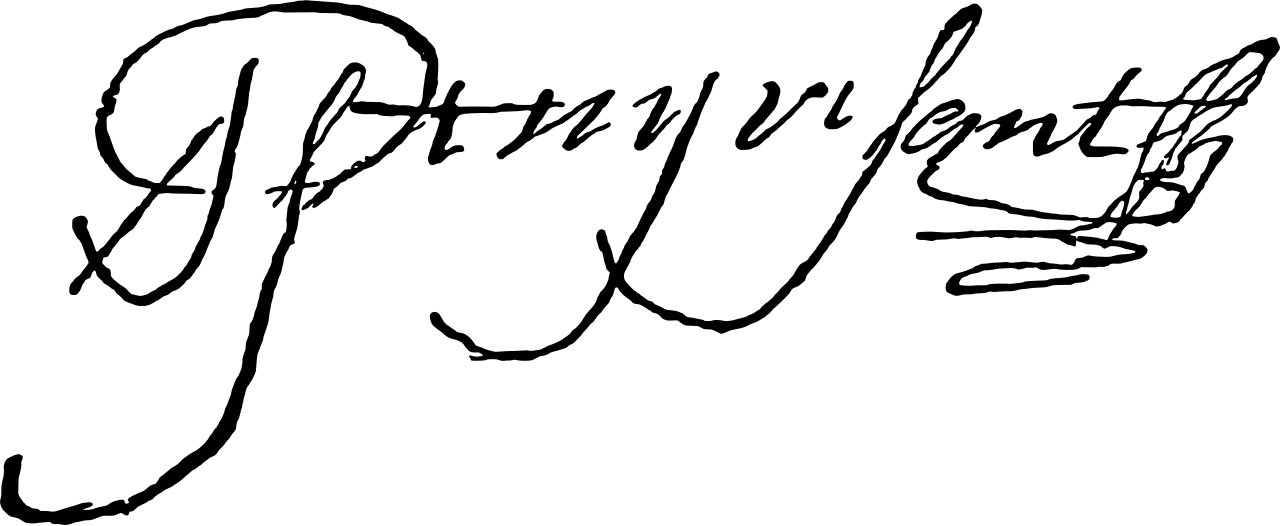
Primary source
Signature of Peter Stuyvesant
Peter Stuyvesant
 Document
Primary source
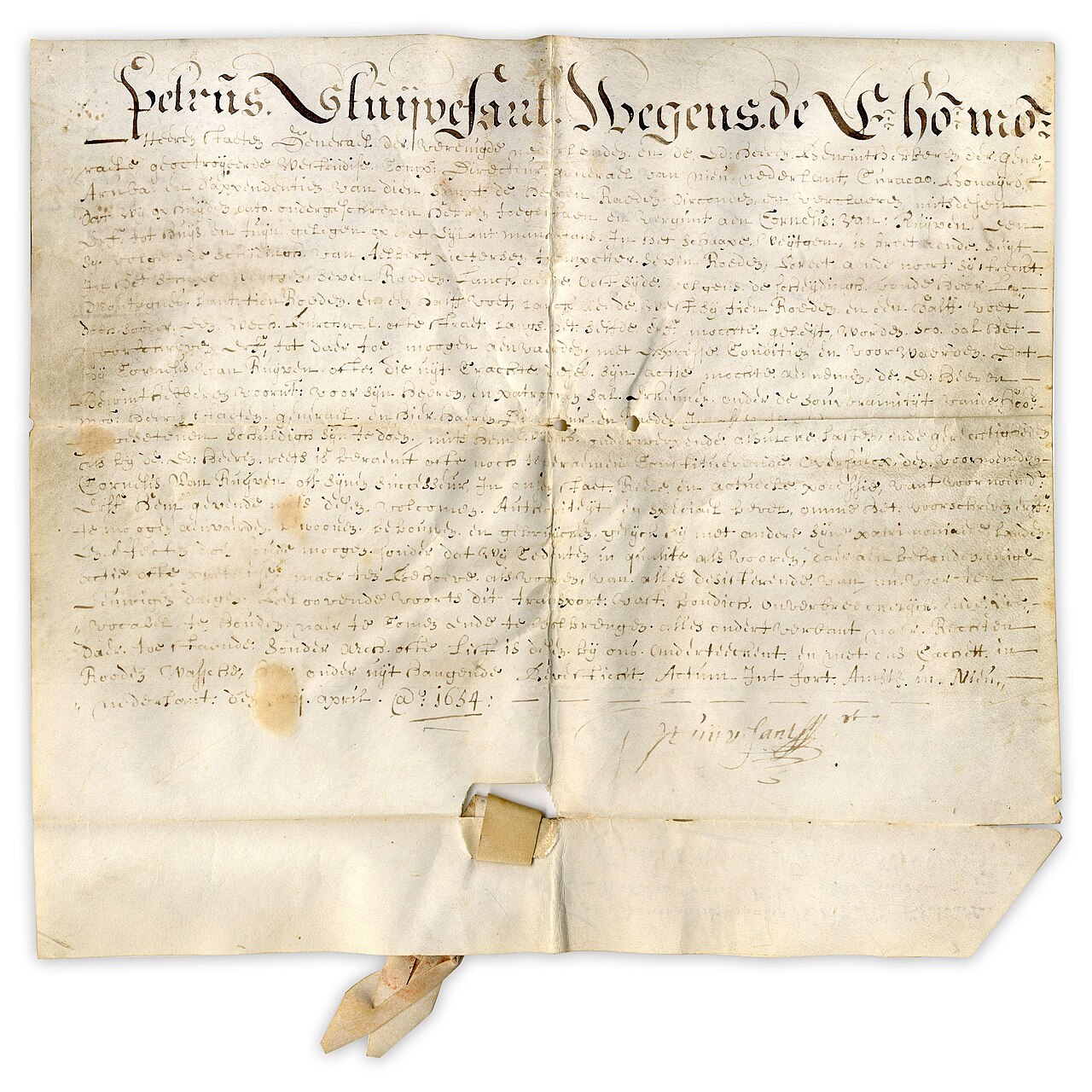
Peter Stuyvesant Deed for Part of Manhattan, 1654
Peter Stuyvesant · 16 April 1654
Ready when you are
Start chatting with Peter Stuyvesant now.
20 messages free · No credit card · Available in 50+ languages.