


Primary sourceArtifact1406-1420
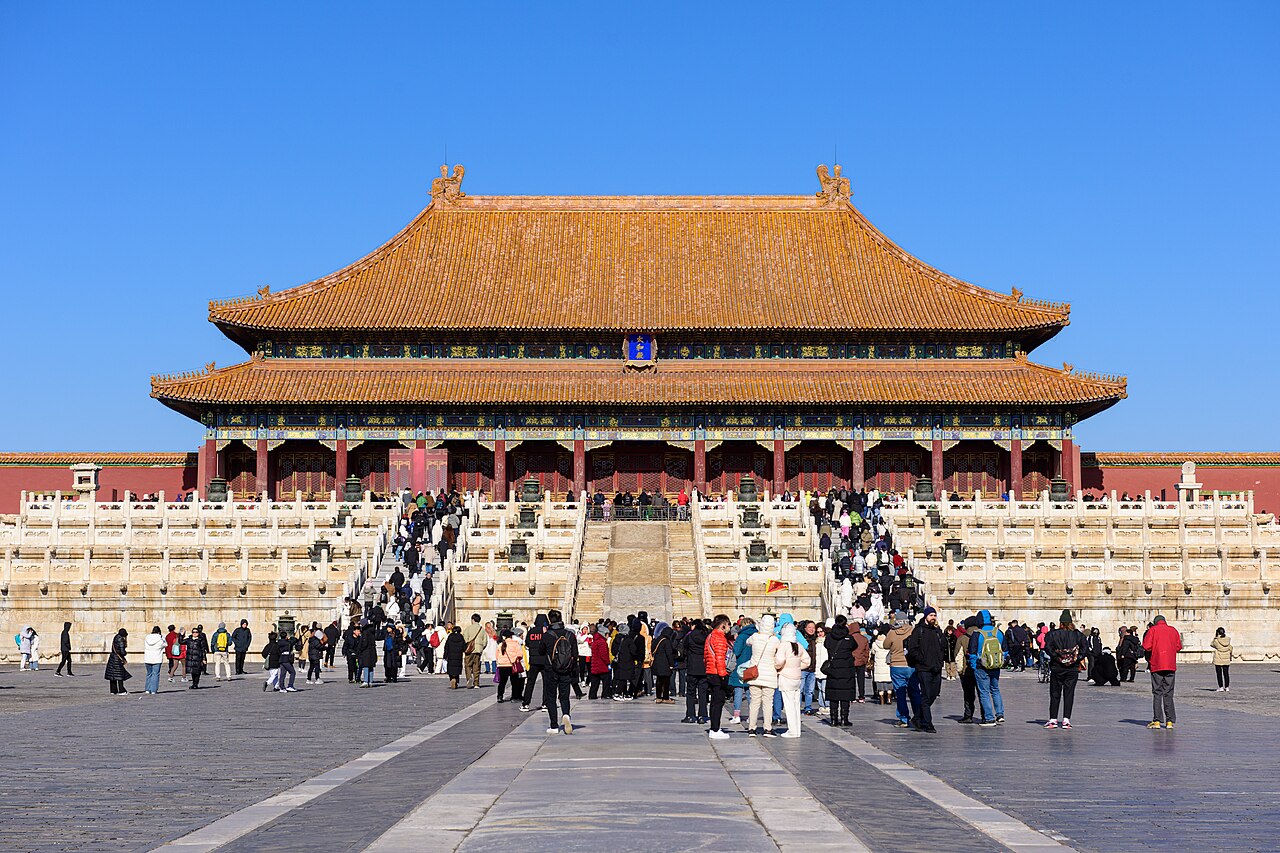
Forbidden City
1406-1420
The vast imperial palace complex in Beijing, built on the Yongle Emperor's orders as the new seat of Ming power.
Built on his orders as the new imperial capital palace after he moved the Ming court to Beijing.
About this source
What it is
The Forbidden City is the huge palace complex in the centre of Beijing. It was built between 1406 and 1420 on the order of the Yongle Emperor, who moved the Ming capital from Nanjing to Beijing. From 1420 it served as the home and government centre for Ming and later Qing emperors for over 500 years. Today it is a UNESCO World Heritage Site run as the Palace Museum.
Why it matters
Building the Forbidden City took 14 years and over a million workers, showing the resources an emperor could command. Moving the capital north to Beijing reflected the Yongle Emperor's power base and strategic priorities. The palace's scale and restricted access reveal how Chinese emperors used architecture to project supreme, almost divine, authority.
Look closer
- Why would an emperor want a palace this large and difficult to enter?
- What does the effort and labour behind its construction tell us about Ming society?
- How might the building's design have been meant to make visitors feel?
This artifact is part of the curated material that grounds the AI version of Yongle Emperor on Humy.ai — when students ask about related events, the AI can quote it and cite it.
More Yongle Emperor sources
Meet the AI Yongle Emperor →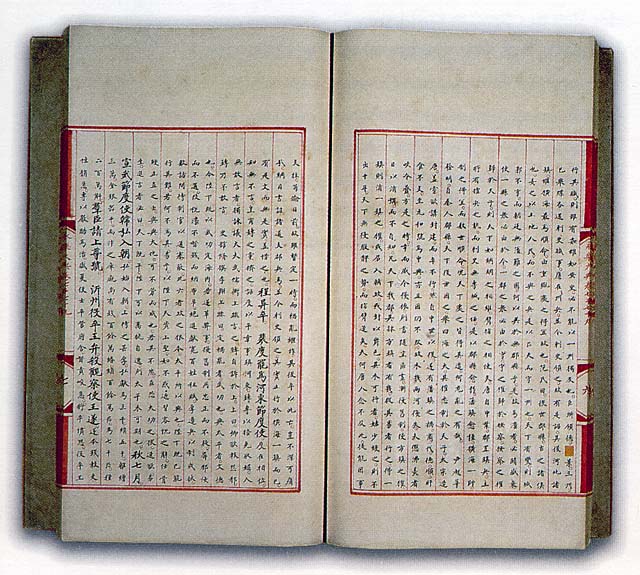 Book
Primary source
Yongle Encyclopedia
Various scholars led by Xie Jin · 1403-1408
 Painting
Secondary source
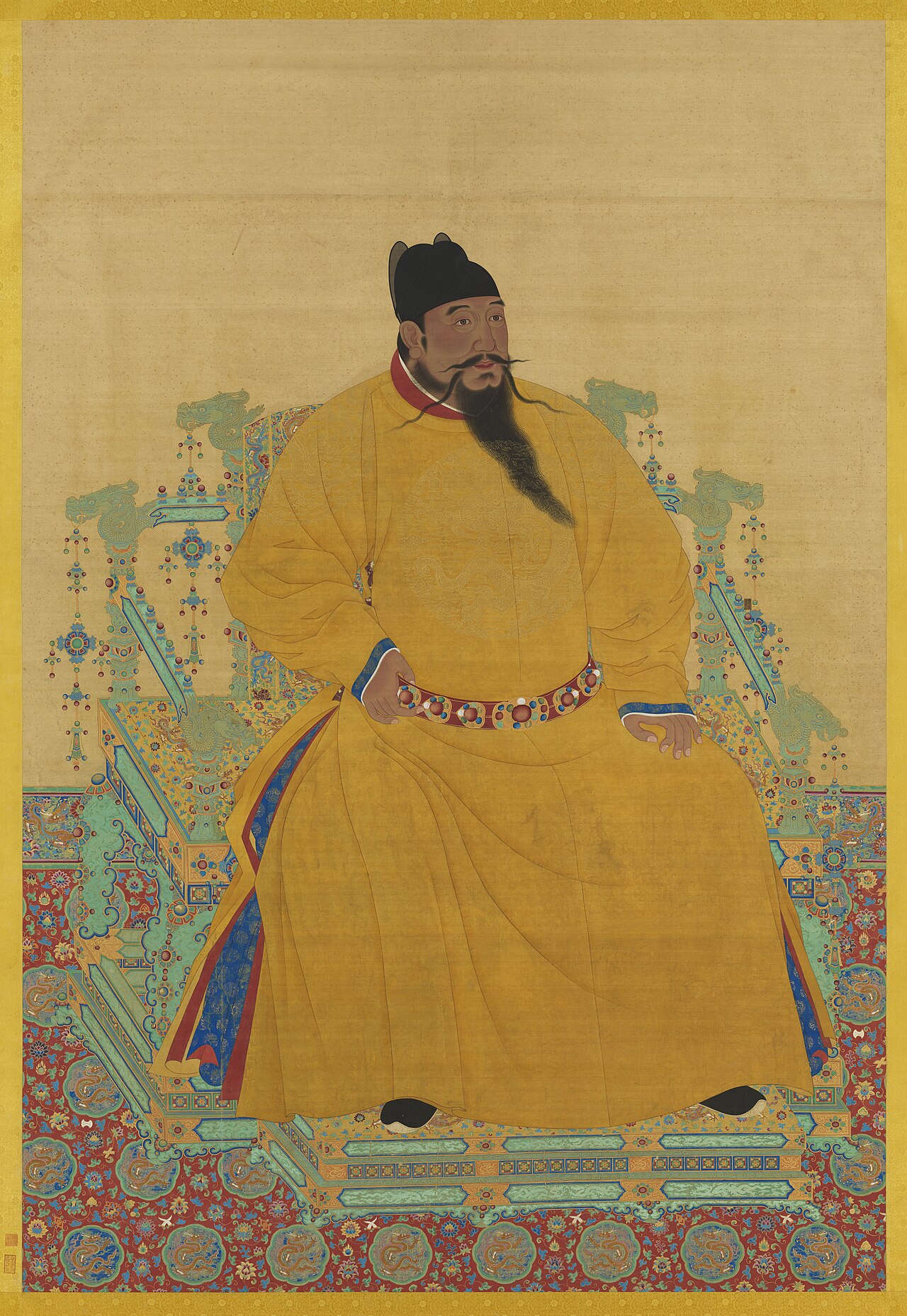
Seated Portrait of Ming Chengzu
 Artifact
Primary source
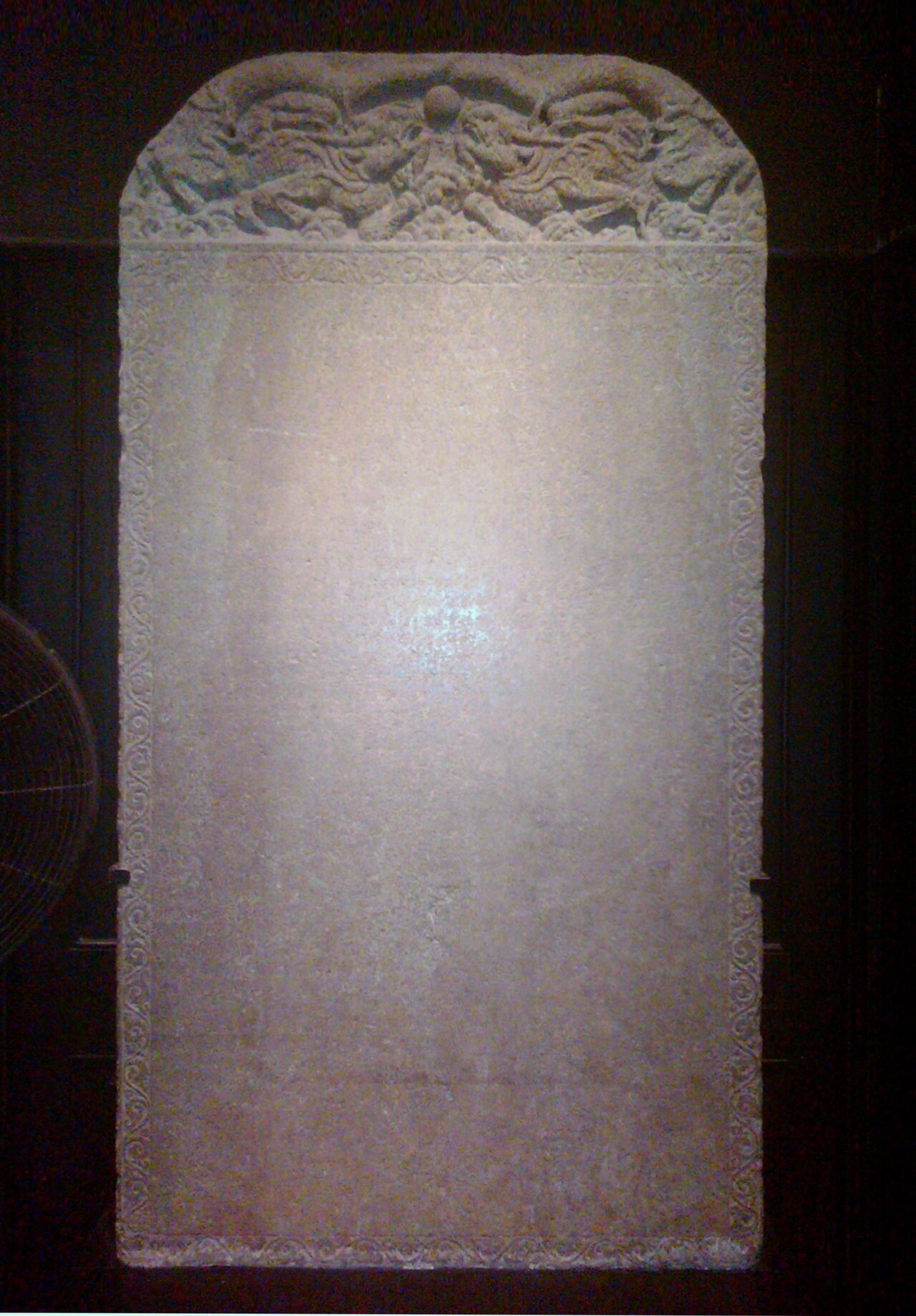
Galle Trilingual Stele
15 February 1409
 Document
Secondary source
Ming Shilu
compiled after his reign
 Painting
Primary source
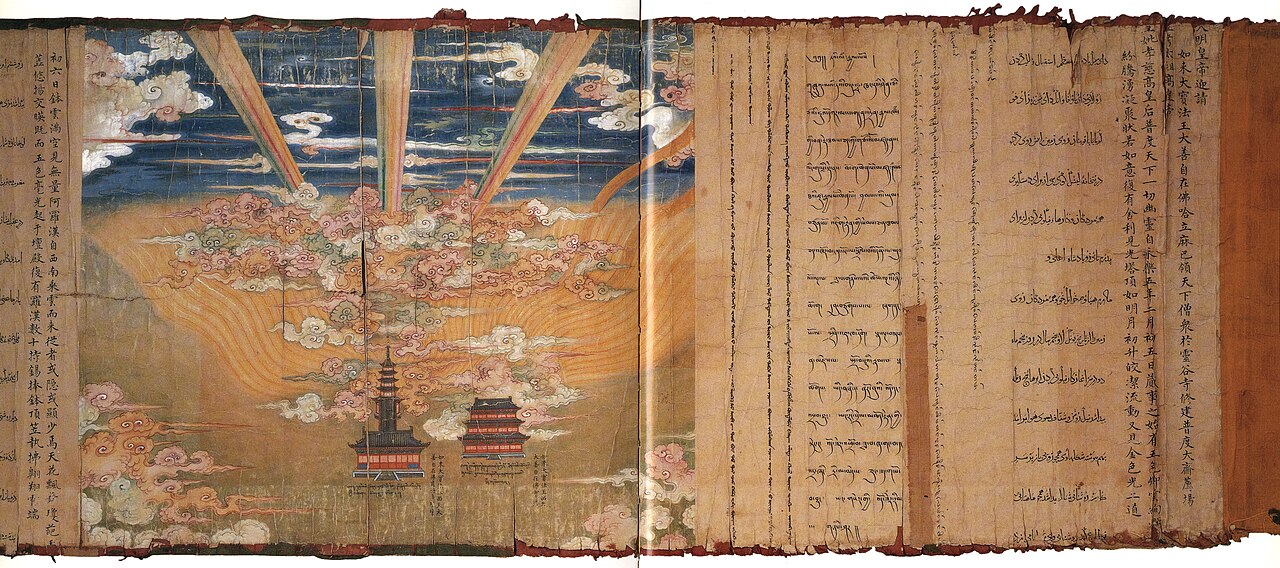
Tshurpu Scroll
Unnamed Ming court painters · 1407
Ready when you are
Start chatting with Yongle Emperor now.
20 messages free · No credit card · Available in 50+ languages.