


Primary sourceArtifact15 February 1409
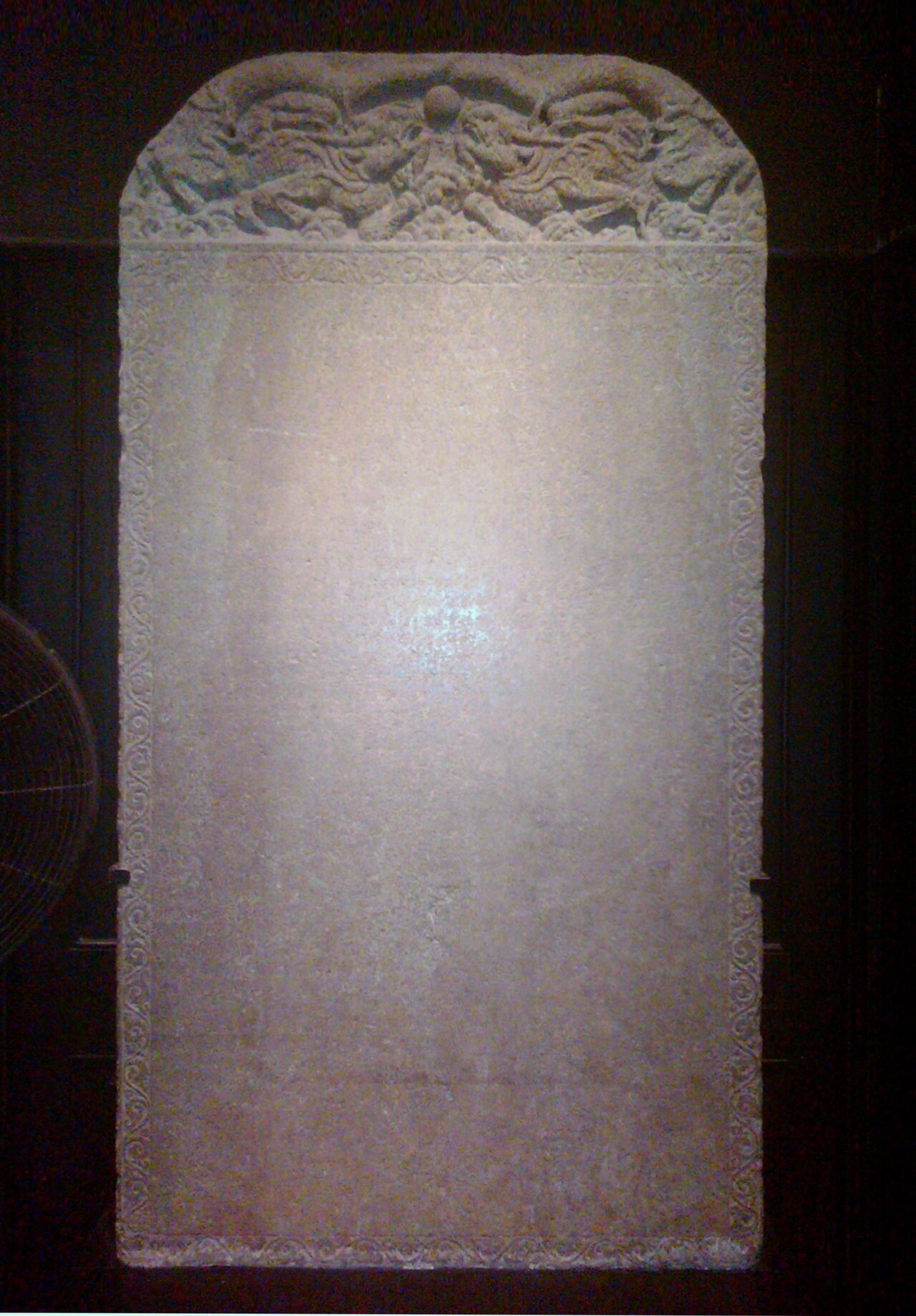
Galle Trilingual Stele
15 February 1409
A stone tablet carved in Chinese, Tamil and Persian, carried by Admiral Zheng He's fleet to Sri Lanka in the Yongle Emperor's name.
Commissioned by him and carried by Zheng He's fleet to make offerings in his name during the treasure voyages.
About this source
What it is
This stone stele, dated 15 February 1409, was inscribed in Nanjing and carried by the Chinese admiral Zheng He during his treasure voyages, to be erected in Galle, Sri Lanka. It records offerings made to the Buddha, to the Hindu deity Tenavarai Nayanar, and to Allah, written in Chinese, Tamil and Persian. It was rediscovered in 1911 and is now in the Colombo National Museum.
Why it matters
The stele shows how the Yongle Emperor's naval expeditions, led by Zheng He, used religious offerings and multilingual inscriptions to build goodwill across different faiths and cultures along the Indian Ocean trade routes. It reveals the diplomatic and religious dimension of the voyages, not just their trade and military power.
Look closer
- Why might the emperor want offerings honoured to three different religions on one stone?
- What does this tell us about the purpose of Zheng He's voyages beyond trade?
- How might people in Sri Lanka have reacted to receiving such a monument?
This artifact is part of the curated material that grounds the AI version of Yongle Emperor on Humy.ai — when students ask about related events, the AI can quote it and cite it.
More Yongle Emperor sources
Meet the AI Yongle Emperor →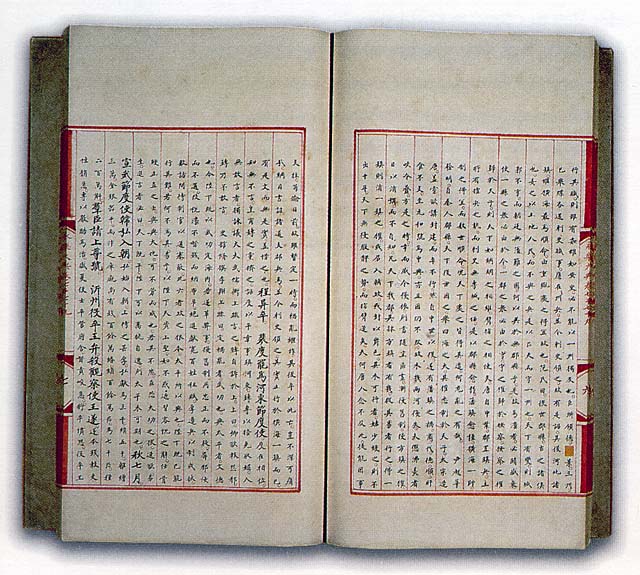 Book
Primary source
Yongle Encyclopedia
Various scholars led by Xie Jin · 1403-1408
 Painting
Secondary source
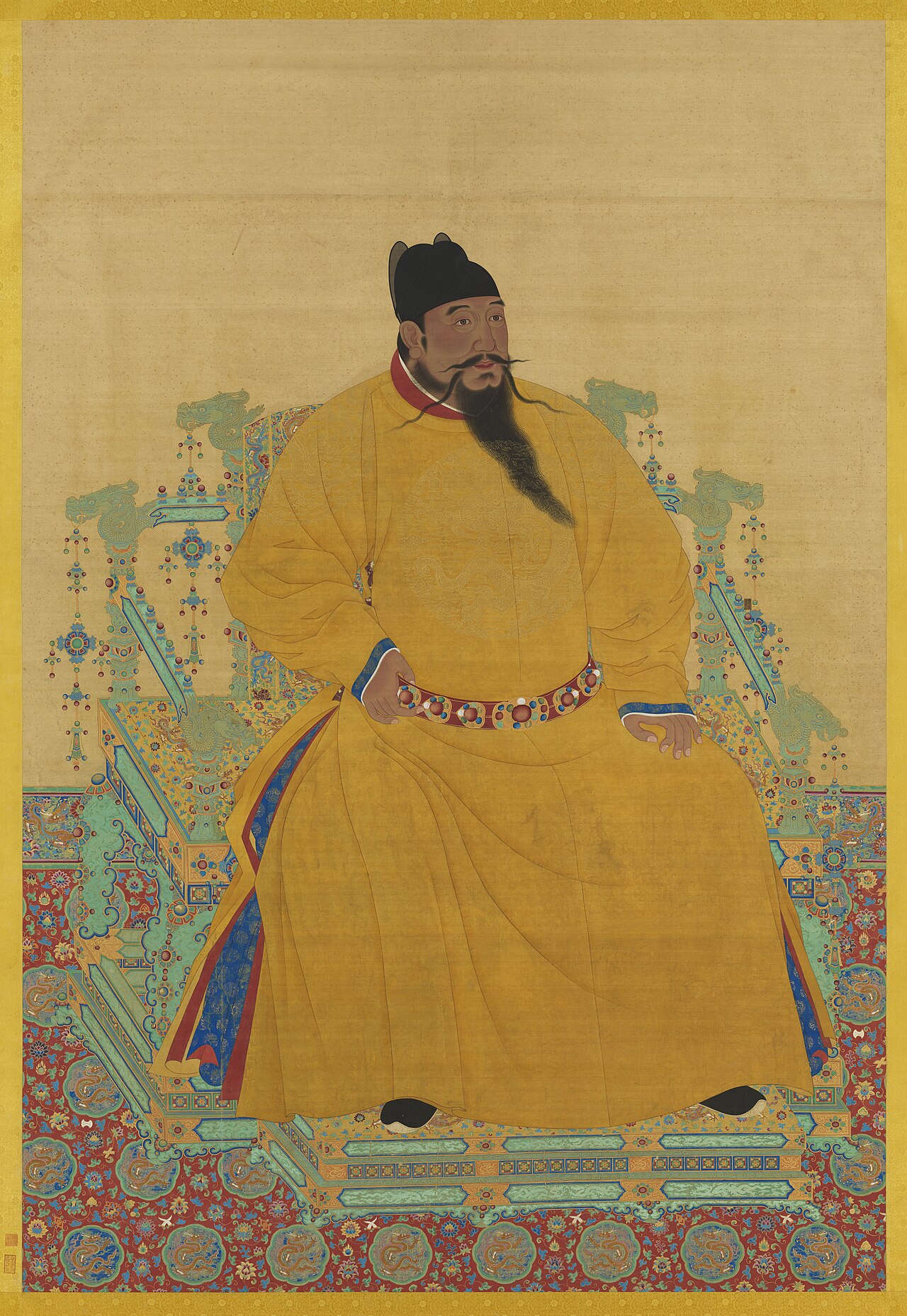
Seated Portrait of Ming Chengzu
 Artifact
Primary source
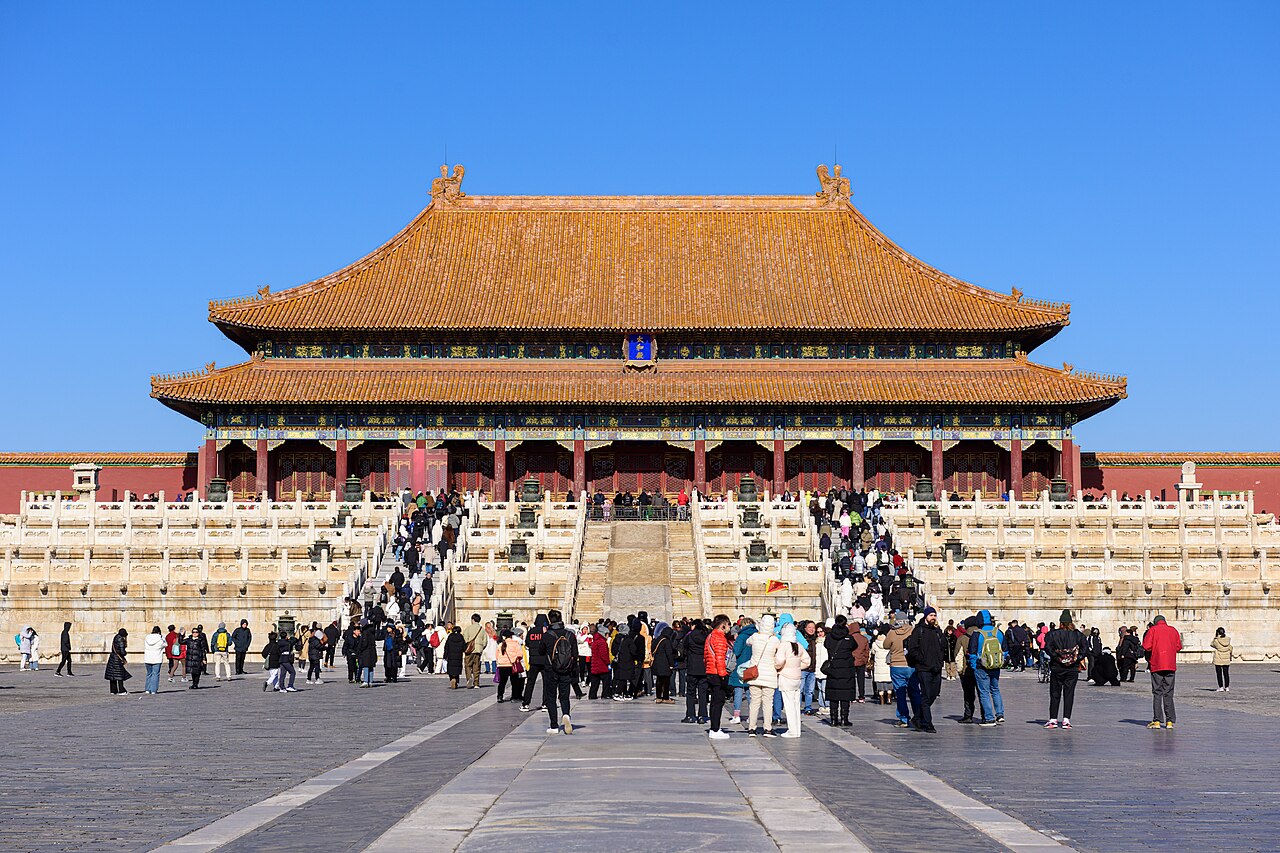
Forbidden City
1406-1420
 Document
Secondary source
Ming Shilu
compiled after his reign
 Painting
Primary source
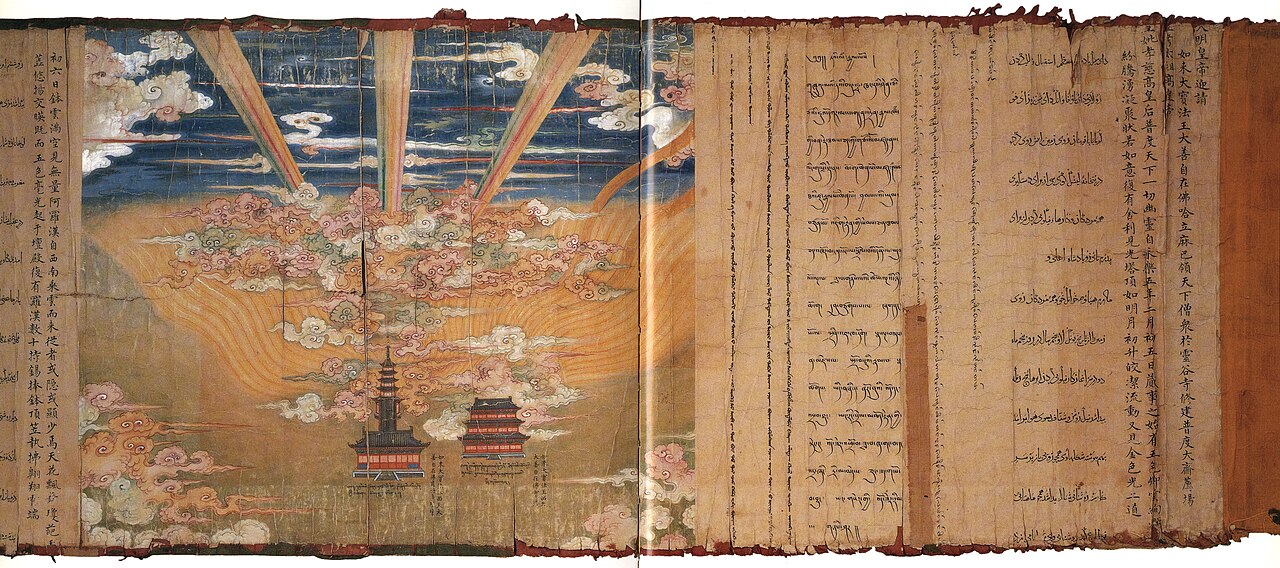
Tshurpu Scroll
Unnamed Ming court painters · 1407
Ready when you are
Start chatting with Yongle Emperor now.
20 messages free · No credit card · Available in 50+ languages.