


Primary sourceArtifact1778
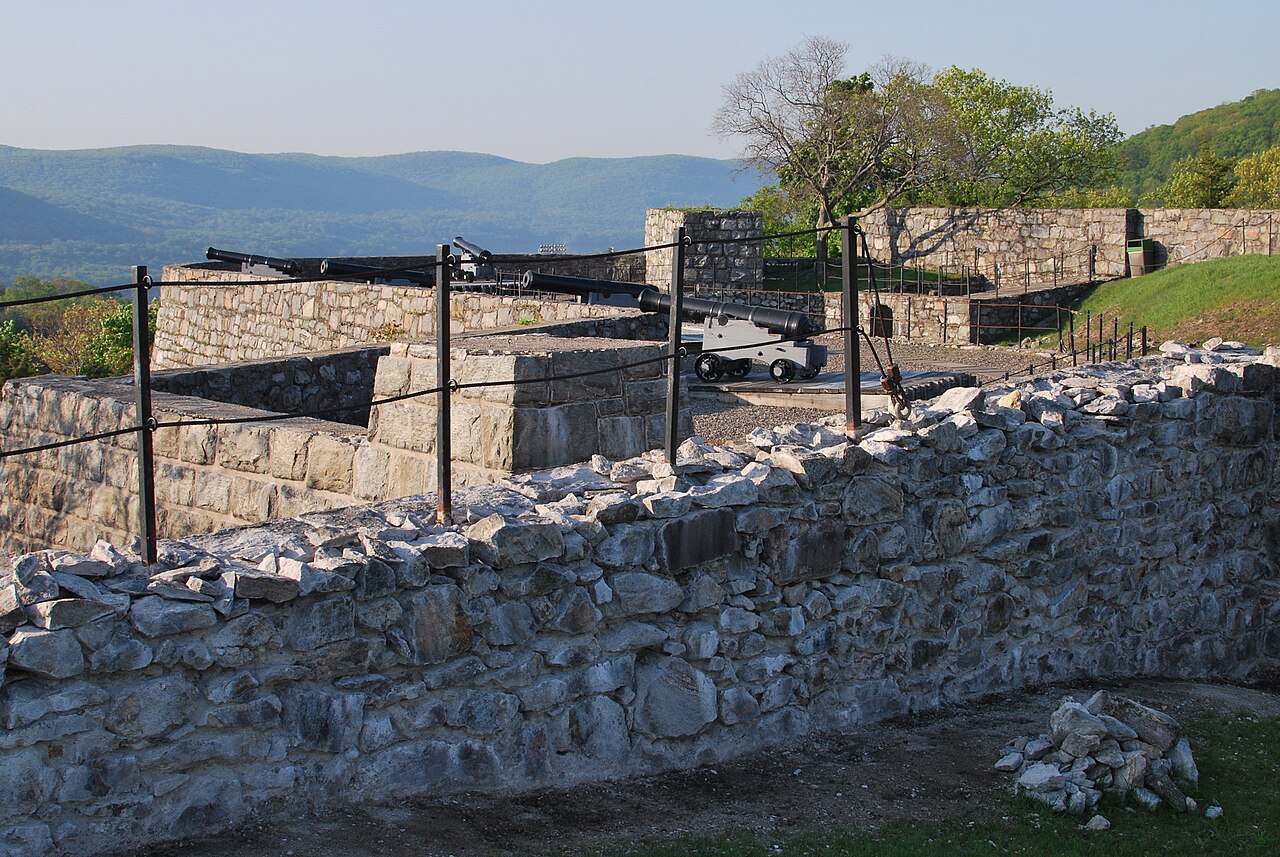
Fort Putnam
1778
Part of the West Point fortifications designed by Kościuszko in 1778–1780, built to defend the Hudson River.
Kościuszko designed the fortifications at West Point, including Fort Putnam, as a military engineer for the American cause.
About this source
What it is
Fort Putnam was a Revolutionary War garrison at West Point, New York, built by Colonel Rufus Putnam's regiment and completed in 1778. Tadeusz Kościuszko convinced American officers of the need to fortify the hill and drafted the plans.
Why it matters
The fort supported Fort Clinton in defending the Hudson River, a strategically vital waterway during the American Revolution. Kościuszko's engineering work at West Point, including this design, was central to making the position nearly impossible for the British to take, and shows his contribution to American independence as a military engineer.
Look closer
- Why was controlling high ground like Crown Hill important for defending the Hudson River?
- What does the survival of stone walls and cannons tell us about how forts like this were built?
- How might Kościuszko's engineering training have shaped his choice of this site?
This artifact is part of the curated material that grounds the AI version of Tadeusz Kościuszko on Humy.ai — when students ask about related events, the AI can quote it and cite it.
More Tadeusz Kościuszko sources
Meet the AI Tadeusz Kościuszko →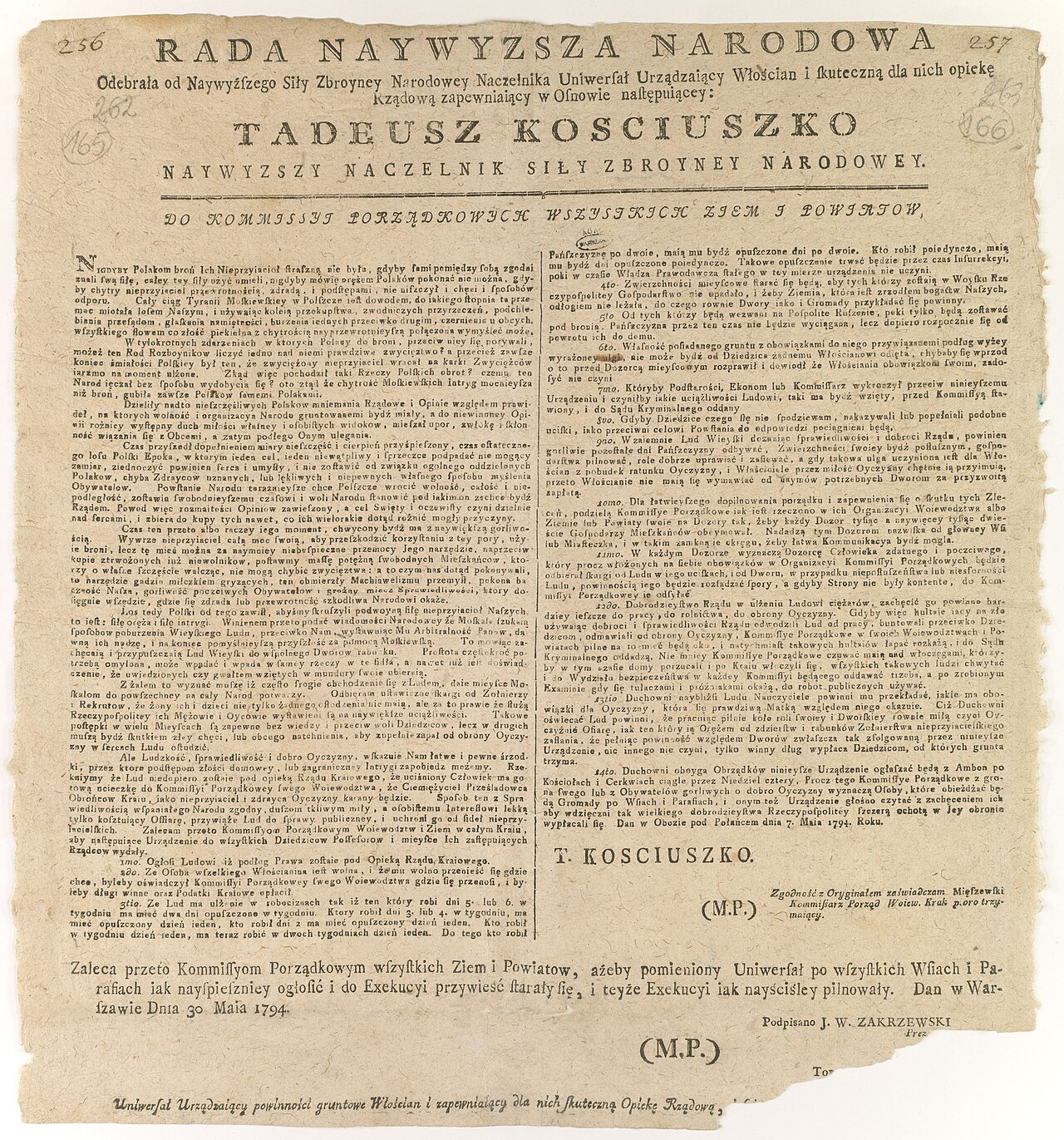 Document
Primary source
Proclamation of Połaniec
Tadeusz Kościuszko · 7 May 1794 (this printing 30 May 1794)
 Painting
Primary source
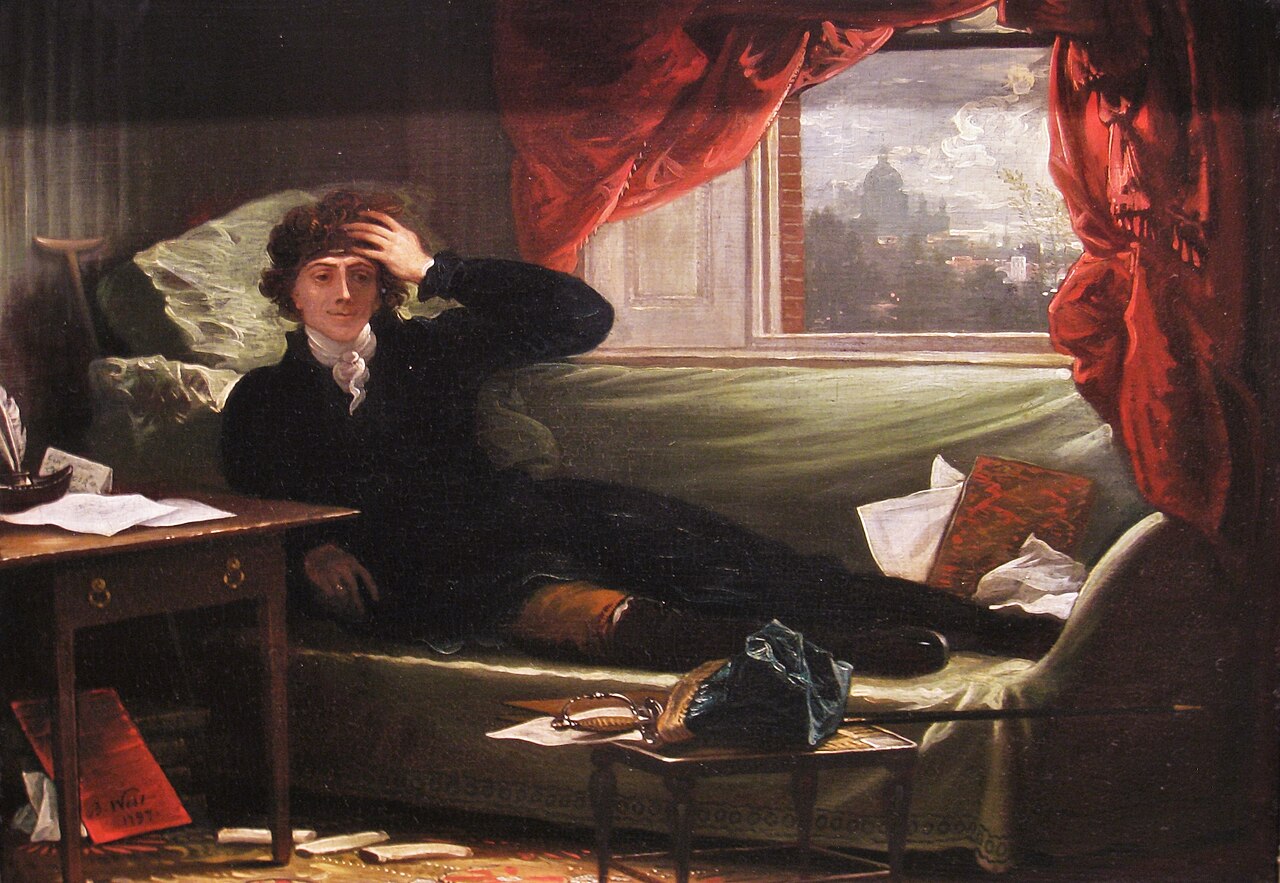
General Thaddeus Kosciusko
Benjamin West · 1797
 Painting
Primary source
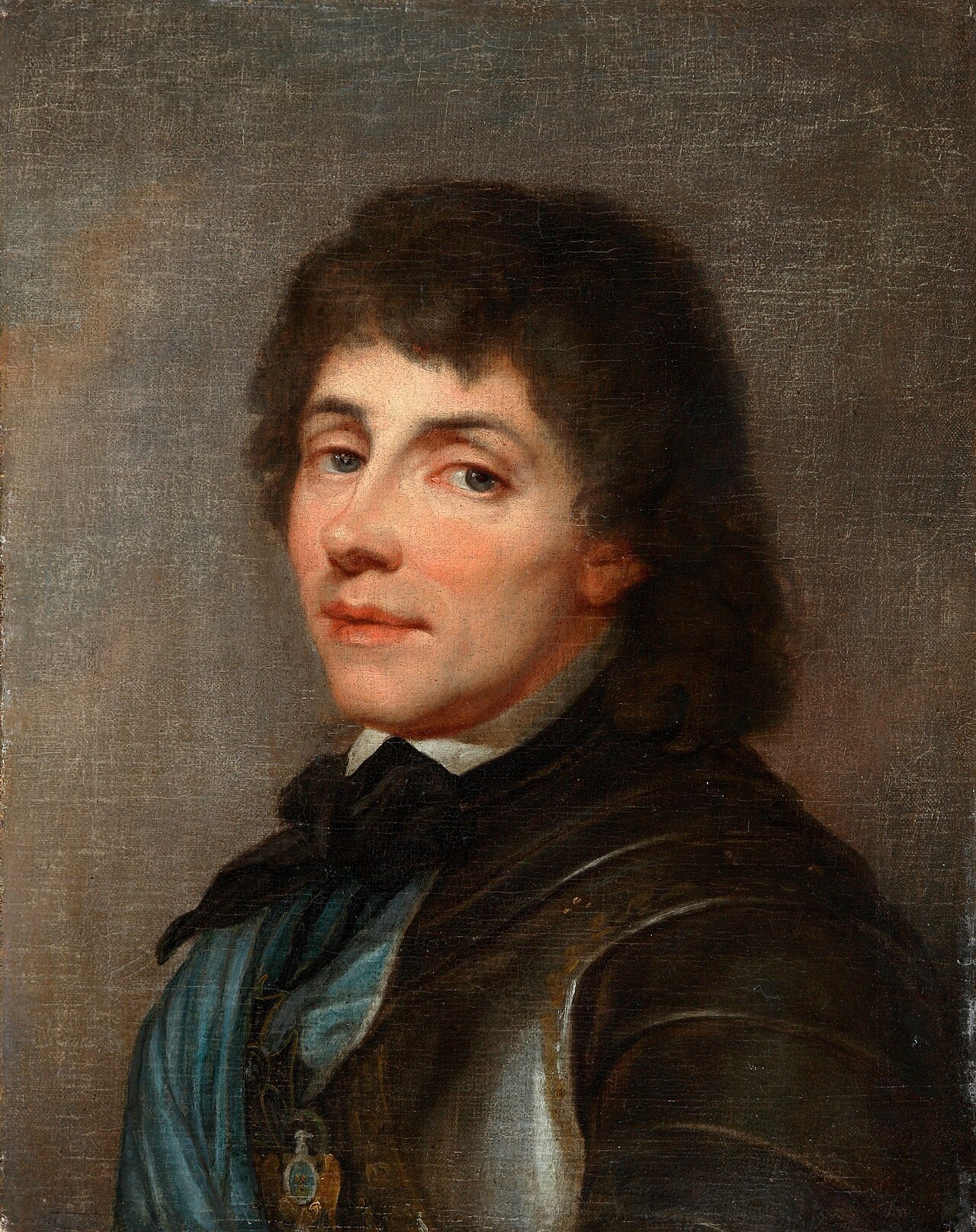
Portrait of Tadeusz Kościuszko
Józef Grassi · c. 1792
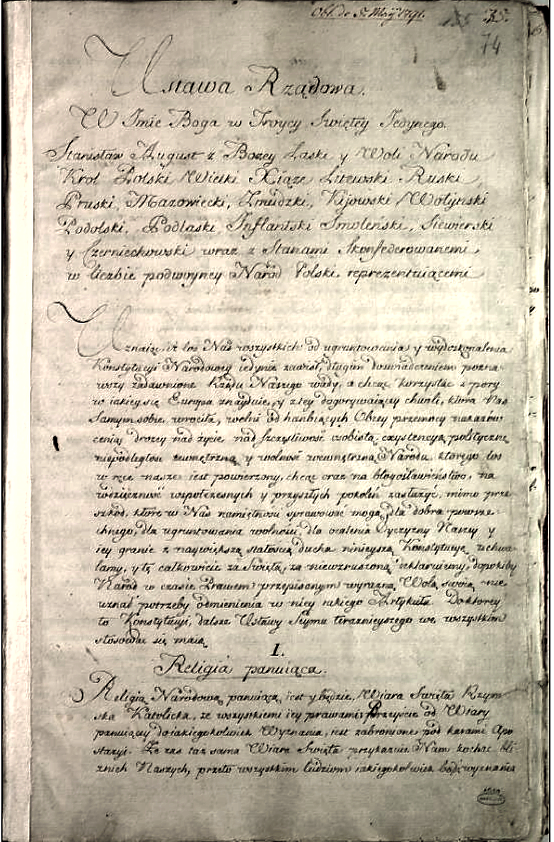 Document
Primary source
Constitution of May 3, 1791
3 May 1791
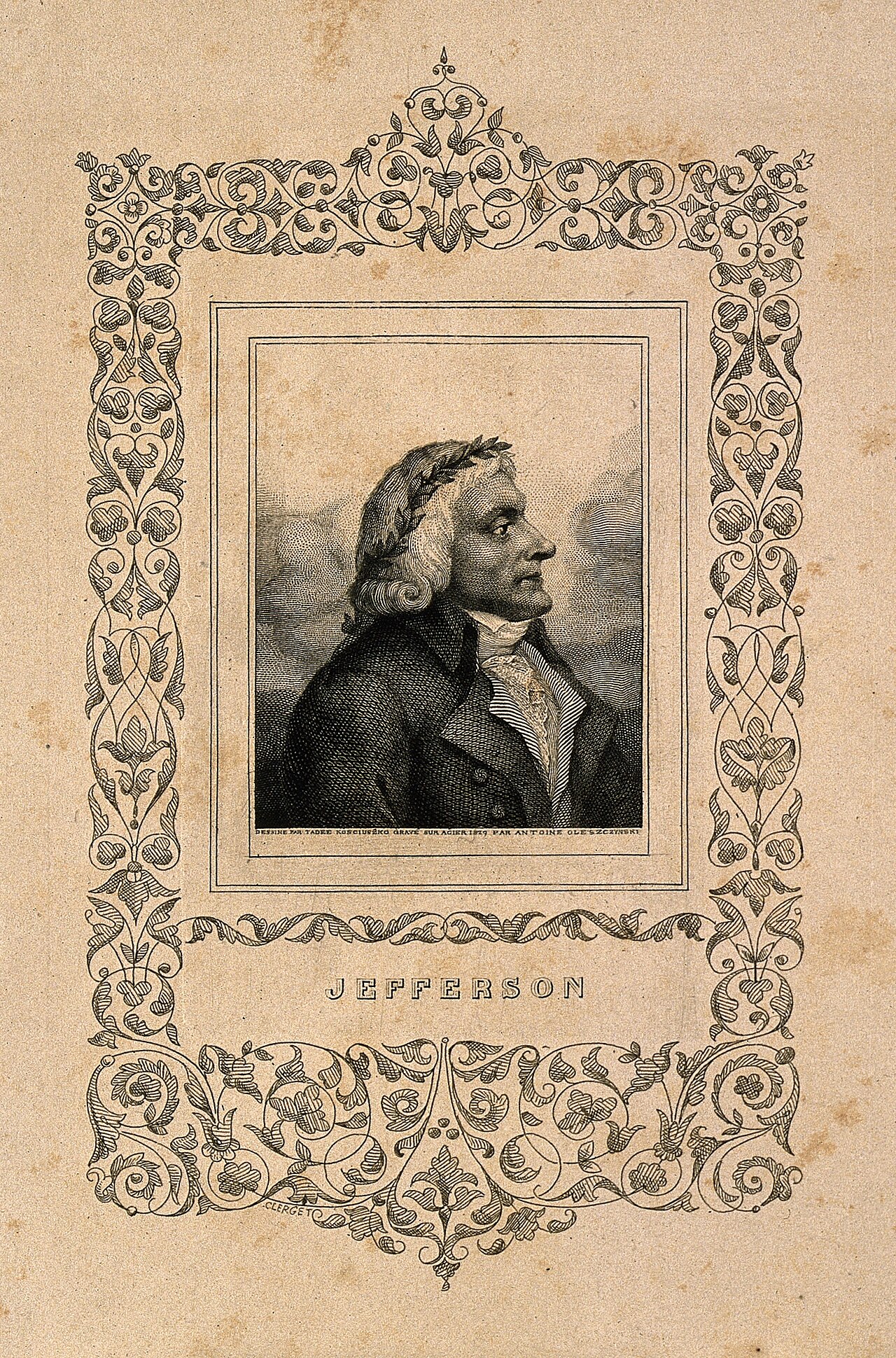 Painting
Secondary source
Thomas Jefferson, Line Engraving by A. Oleszczynsky after T. Kosciuszko
A. Oleszczynsky, after Tadeusz Kościuszko · 1829
Ready when you are
Start chatting with Tadeusz Kościuszko now.
20 messages free · No credit card · Available in 50+ languages.