


Primary sourceArtifact1742
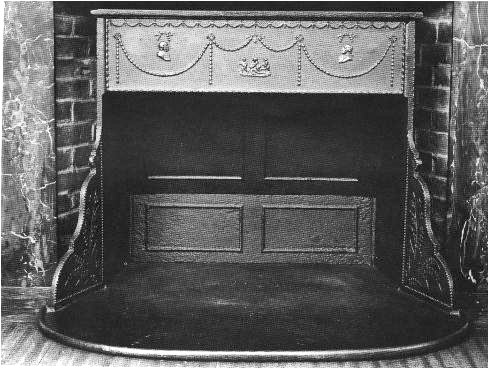
Franklin Stove
Benjamin Franklin · 1742
A metal-lined fireplace invented by Benjamin Franklin in 1742 to produce more heat and less smoke than an open hearth.
Franklin invented this stove in 1742 and deliberately chose not to patent it, reflecting his public-spirited approach to science.
About this source
What it is
The Franklin stove, also called the 'Pennsylvania fireplace', is a metal-lined fireplace invented by Benjamin Franklin in 1742. It used a hollow baffle and an inverted siphon to draw more heat from a fire into a room while producing less smoke. Over 45 years Franklin made five versions, the later ones burning coal.
Why it matters
Franklin refused to patent the stove, believing useful inventions should serve the public rather than make him money. The design shows his practical, scientific curiosity and his wider belief that knowledge should be shared freely for the common good.
- Why might Franklin have chosen not to patent such a useful invention?
- What does the design tell you about problems people faced heating homes in the 1700s?
- How might this invention have affected daily life for ordinary families?
This artifact is part of the curated material that grounds the AI version of Benjamin Franklin on Humy.ai — when students ask about related events, the AI can quote it and cite it.
More Benjamin Franklin sources
Meet the AI Benjamin Franklin →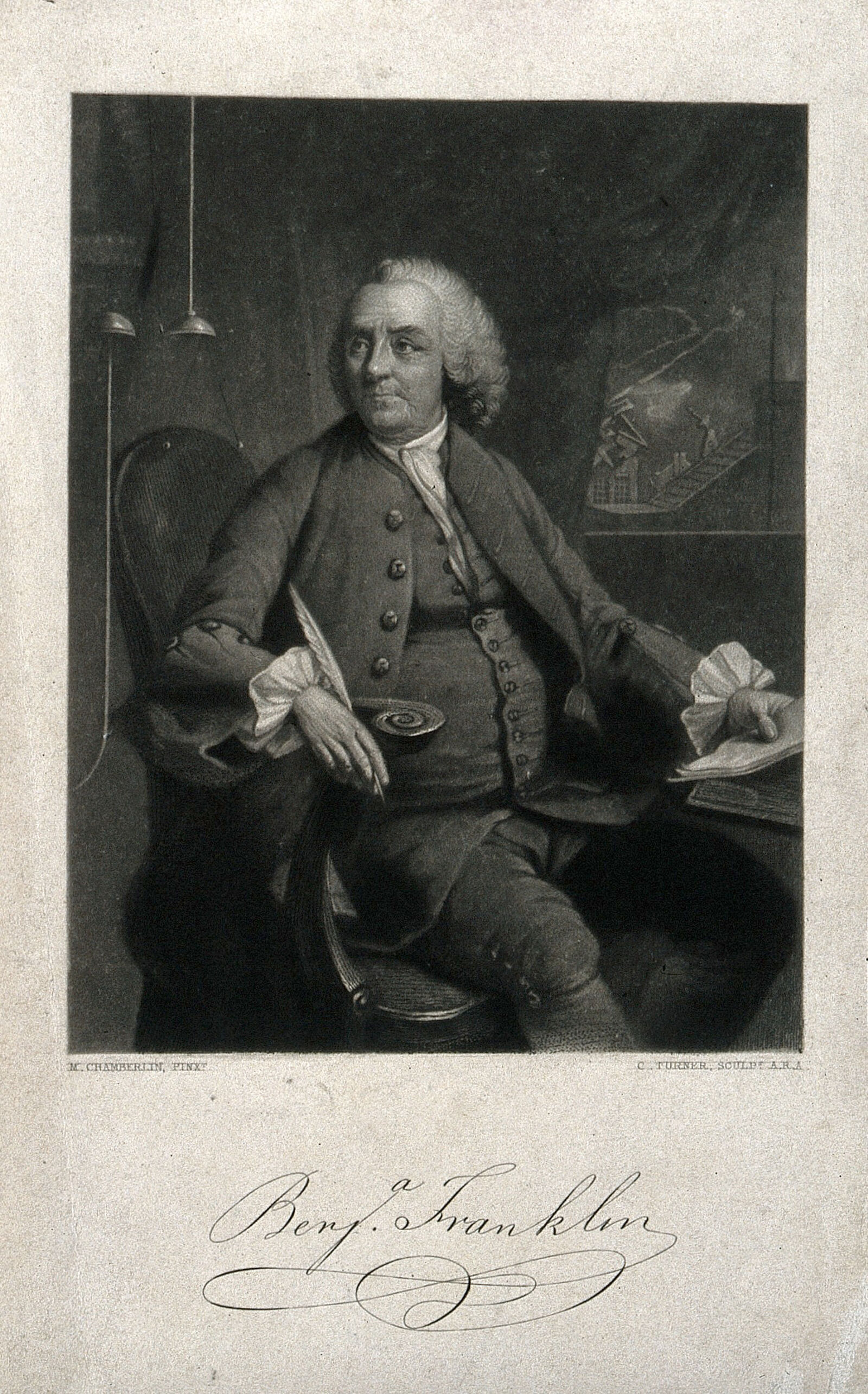 Painting
Primary source
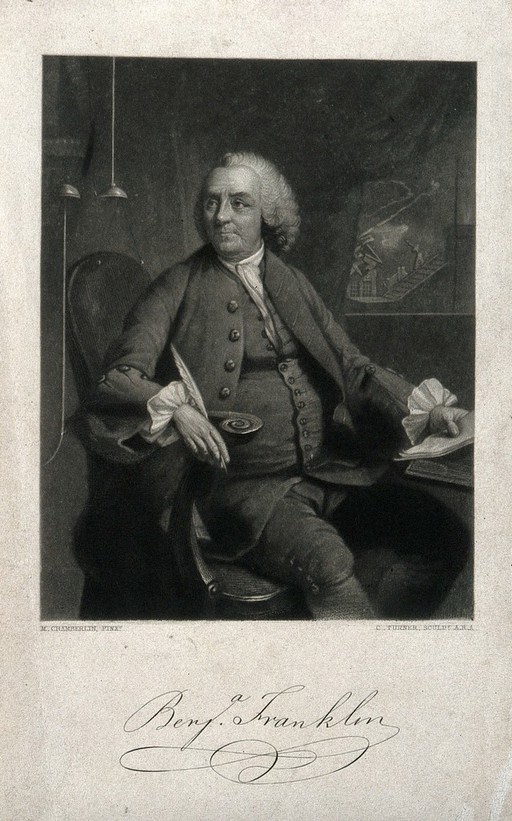
Benjamin Franklin, mezzotint by C. Turner after M. Chamberlin
Mason Chamberlin · 1762
 Document
Primary source
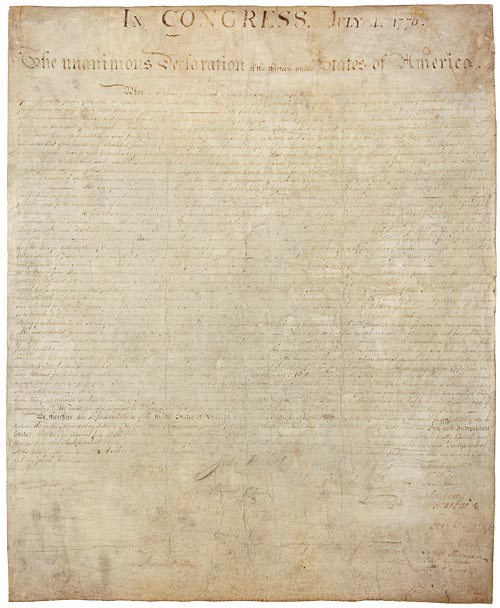
Declaration of Independence
Continental Congress (drafted by Thomas Jefferson) · 1776
 Artifact
Primary source
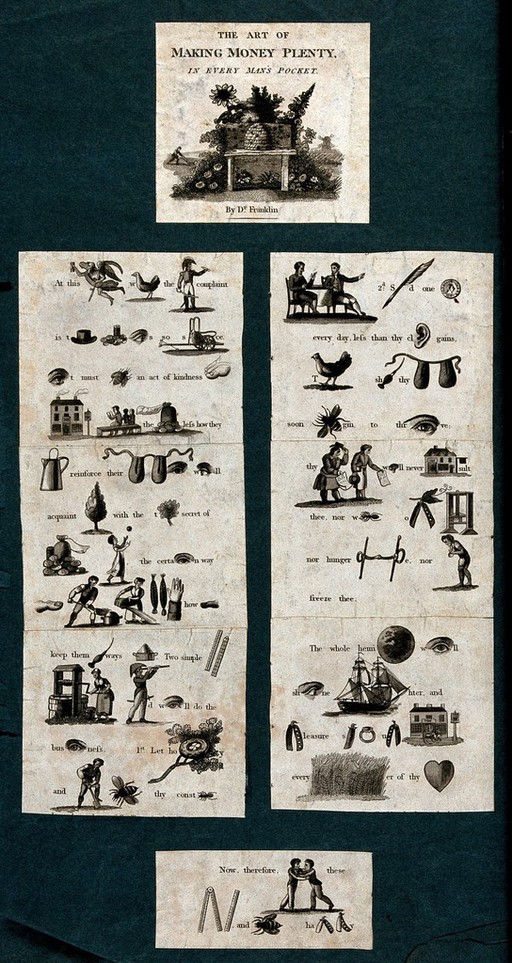
The Art of Making Money Plenty, In Every Man's Pocket
Benjamin Franklin
 Painting
Primary source
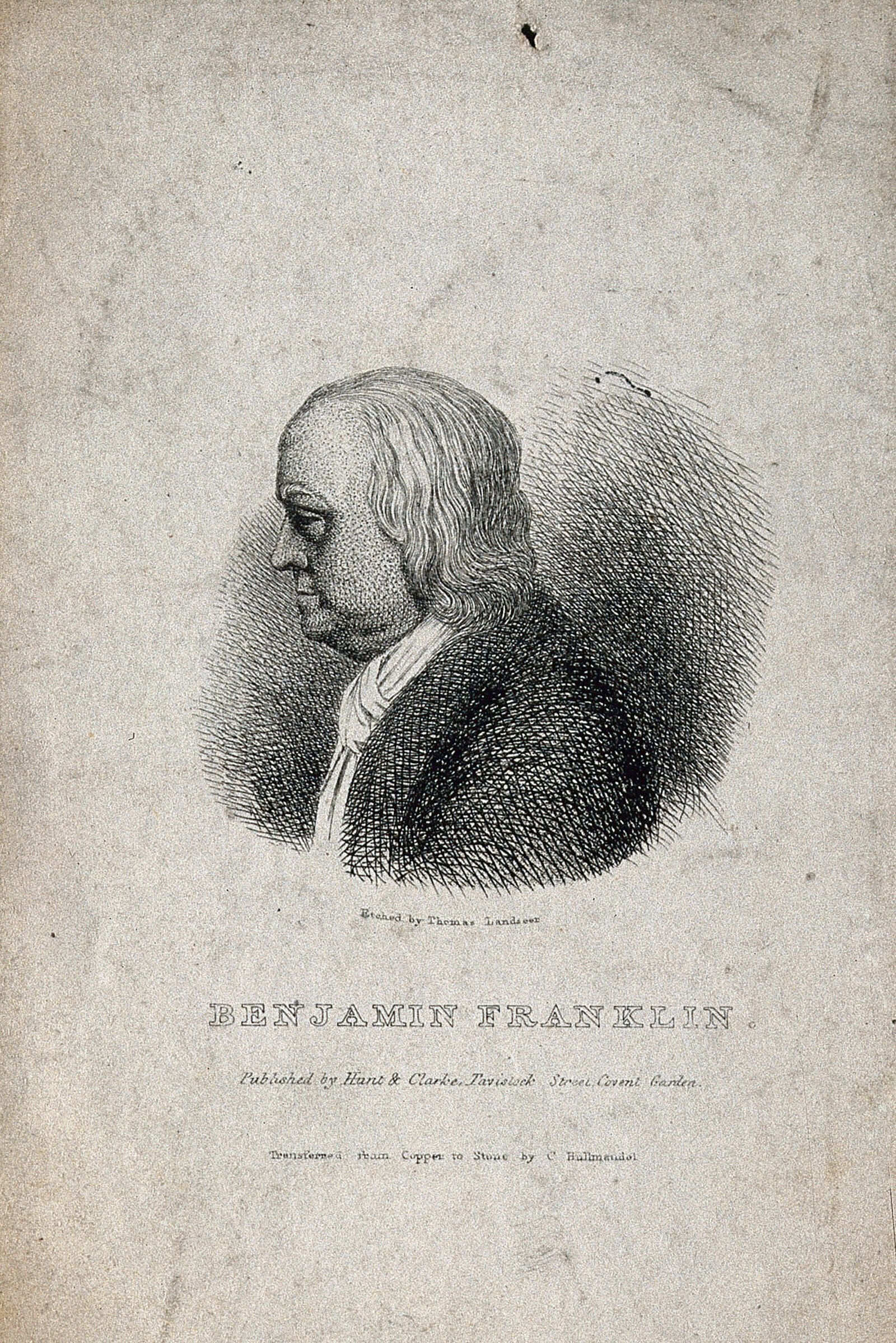
Benjamin Franklin, engraving after Mason Chamberlin
Mason Chamberlin · 1762
 Painting
Primary source
Benjamin Franklin, after J. J. Caffieri
Jean-Jacques Caffieri · 1777 (bust); print later
Ready when you are
Start chatting with Benjamin Franklin now.
20 messages free · No credit card · Available in 50+ languages.