


Primary sourceDocument12 February 1793
Fugitive Slave Act of 1793
United States Congress · 12 February 1793
A federal law letting slaveholders recapture escaped enslaved people, signed by Washington, who later used it to try to recover his own runaway slave.
Washington signed this law as president and later tried, unsuccessfully, to use it to recapture an enslaved woman who had served his household.
About this source
What it is
This is an Act of the U.S. Congress passed in 1793 to enforce the Constitution's Fugitive Slave Clause. It let a slaveholder or his agent seize a person who had escaped slavery and bring them before a judge to get a certificate allowing their forced return.
Why it matters
The Act shows how the young United States government, under President Washington, built slavery into federal law. Washington signed the bill, and later personally tried to recapture Ona Judge, an enslaved woman who had served his wife Martha Washington and who escaped from Philadelphia. His attempts failed, and he avoided public attention because of strong abolitionist feeling in the city.
Look closer
- Why would Congress pass a law to help slaveholders recover escaped people instead of freeing them?
- What does Washington's effort to recapture Ona Judge tell you about the gap between his public role and private actions?
- What does the law leave out about the experiences of enslaved people themselves?
This document is part of the curated material that grounds the AI version of George Washington on Humy.ai — when students ask about related events, the AI can quote it and cite it.
More George Washington sources
Meet the AI George Washington →Primary source
To John Augustine Washington, 18 July 1755
George Washington · 18 July 1755
Primary source
General Orders, 9 July 1776
George Washington · 9 July 1776
Primary source
Circular to the States
George Washington · 8 June 1783
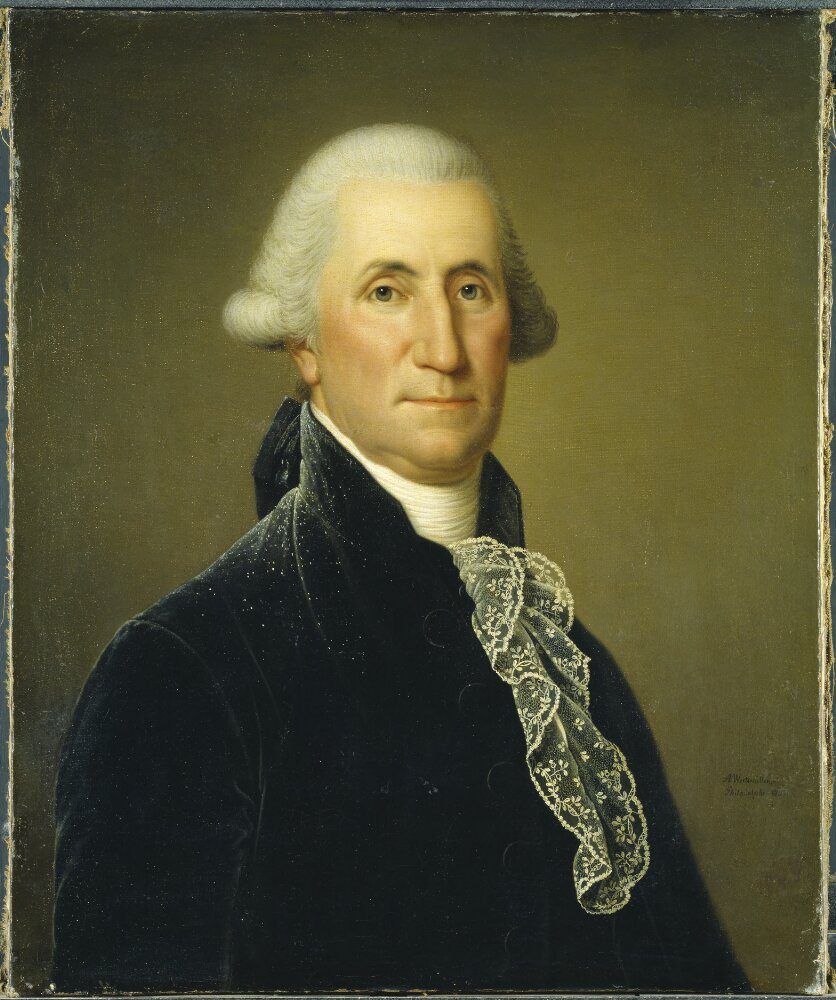 Painting
Primary source
Portrait of George Washington by Wertmüller
Adolf Ulrik Wertmüller · 1795
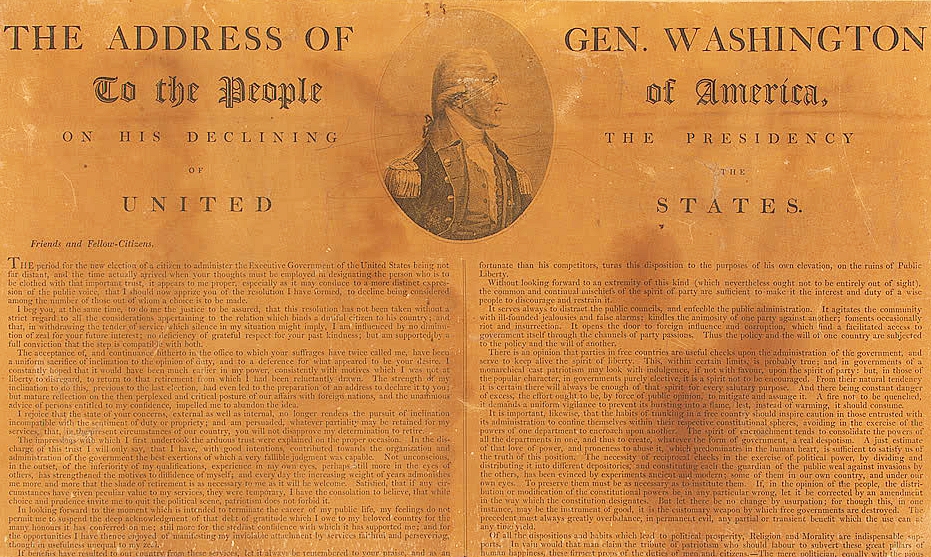 Speech
Primary source
George Washington's Farewell Address
George Washington · 19 September 1796
Ready when you are
Start chatting with George Washington now.
20 messages free · No credit card · Available in 50+ languages.