


Primary sourceArtifactc. 1504
Gardens of Babur
Babur · c. 1504
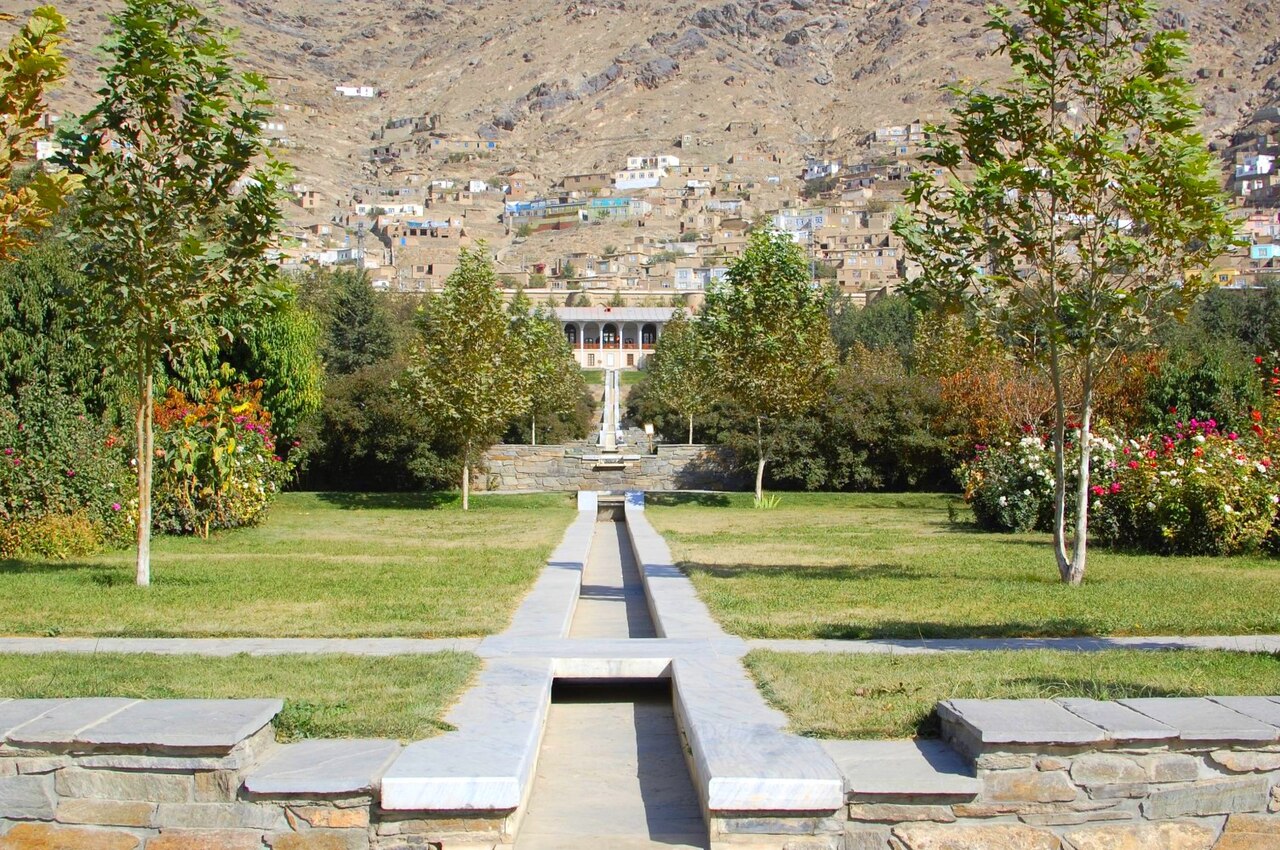
A terraced garden in Kabul that Babur laid out around 1504 and where he was later buried, reflecting his love of gardens and the city.
Babur laid out this garden himself and chose it as his final resting place, making it a direct physical link to his life and legacy.
About this source
What it is
The Gardens of Babur is a historic terraced park in Kabul, Afghanistan, thought to have been developed around 1504 when Babur ordered an 'avenue garden' built there, an event he described in his memoirs, the Baburnama. The site contains tombs, including Babur's own, several terraced buildings, and a small mosque. Later Mughal rulers, including Jahangir and Shah Jahan, added structures such as a prayer platform, headstone, marble screen and mosque.
Why it matters
Mughal princes often developed gardens for pleasure during their lifetimes and later chose one as a resting place. That later emperors like Jahangir and Shah Jahan expanded and honoured the site shows how Babur's descendants used his memory and burial place to express dynastic continuity and respect for their founder.
Look closer
- Why might a ruler choose a garden, rather than a palace or fortress, as his burial site?
- What do the later additions by Jahangir and Shah Jahan suggest about how Babur was remembered?
- How might the garden's purpose have changed over the centuries, from guest house to tomb to public park?
This artifact is part of the curated material that grounds the AI version of Babur on Humy.ai — when students ask about related events, the AI can quote it and cite it.
More Babur sources
Browse all 95 →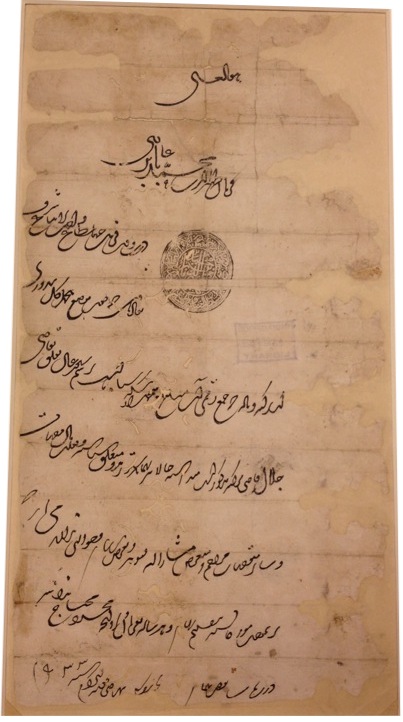 Document
Primary source
Mughal Land Grant of August 1527
Mughal emperor Babur's administration · August 1527
 Artifact
Secondary source
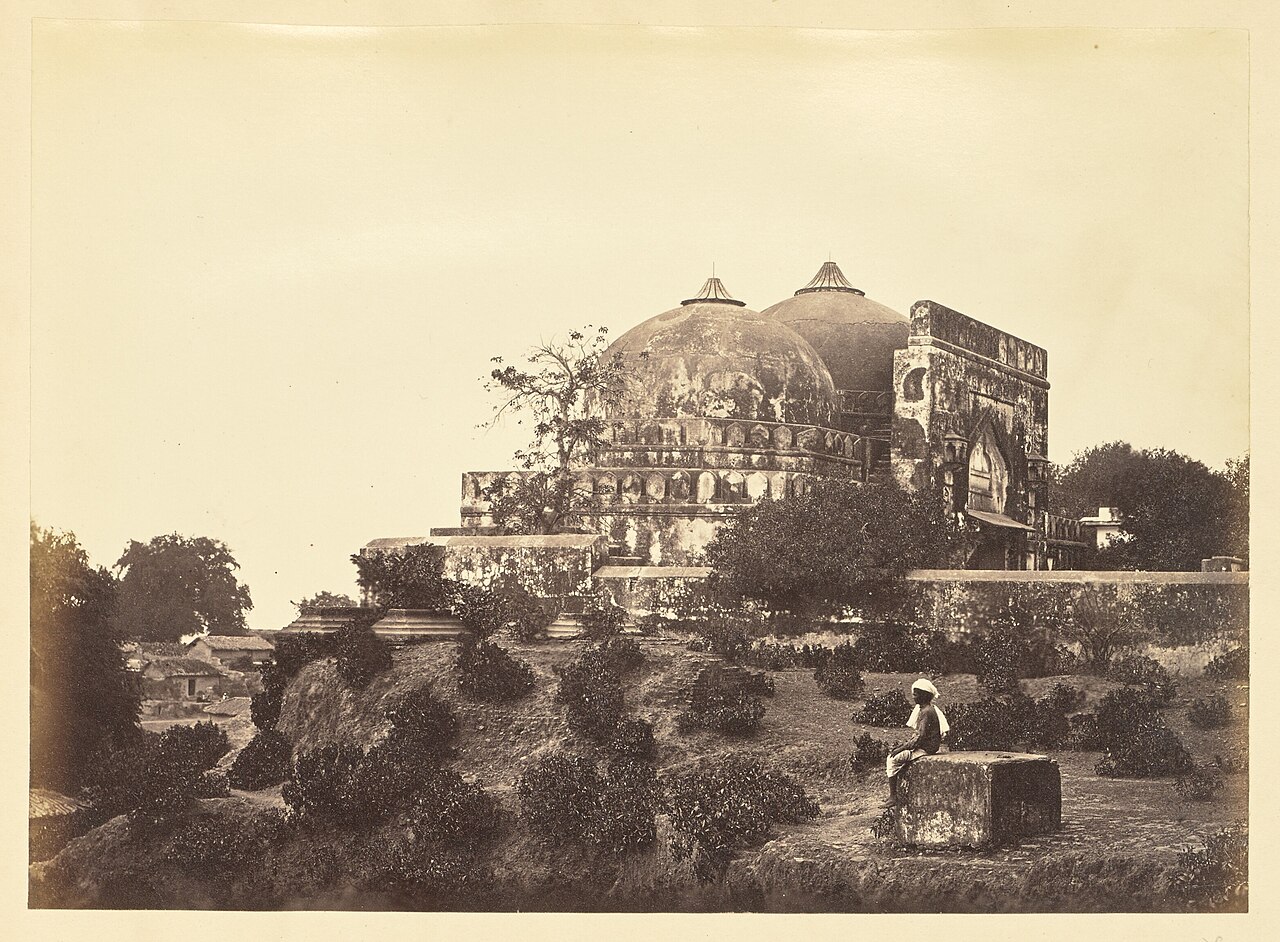
Babri Masjid
Mir Baqi · 1528/1529
 Painting
Primary source
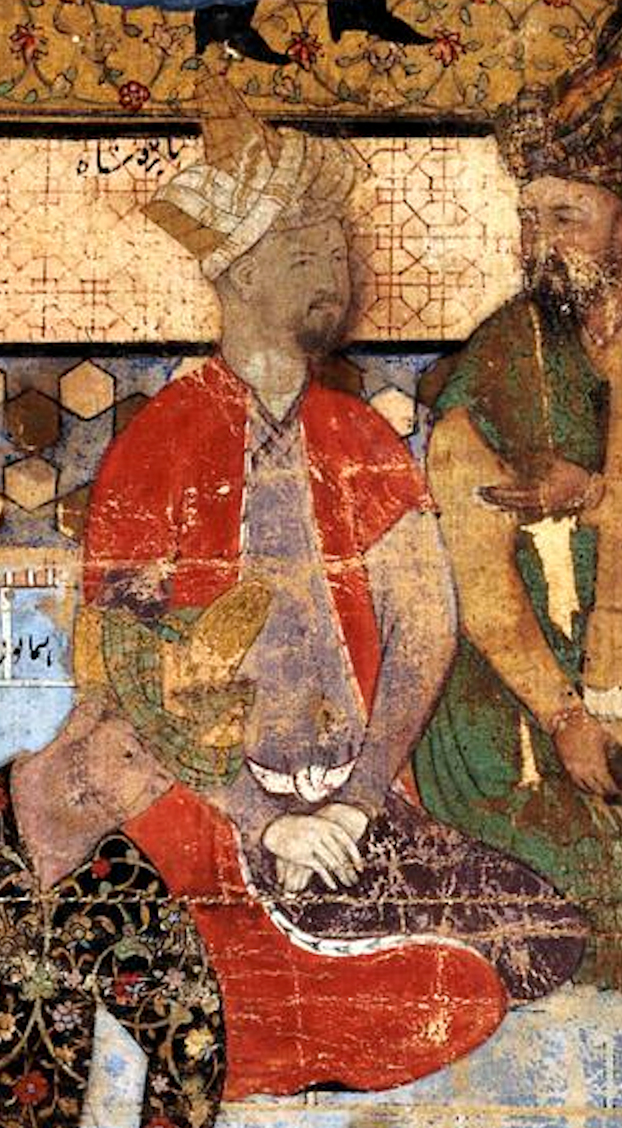
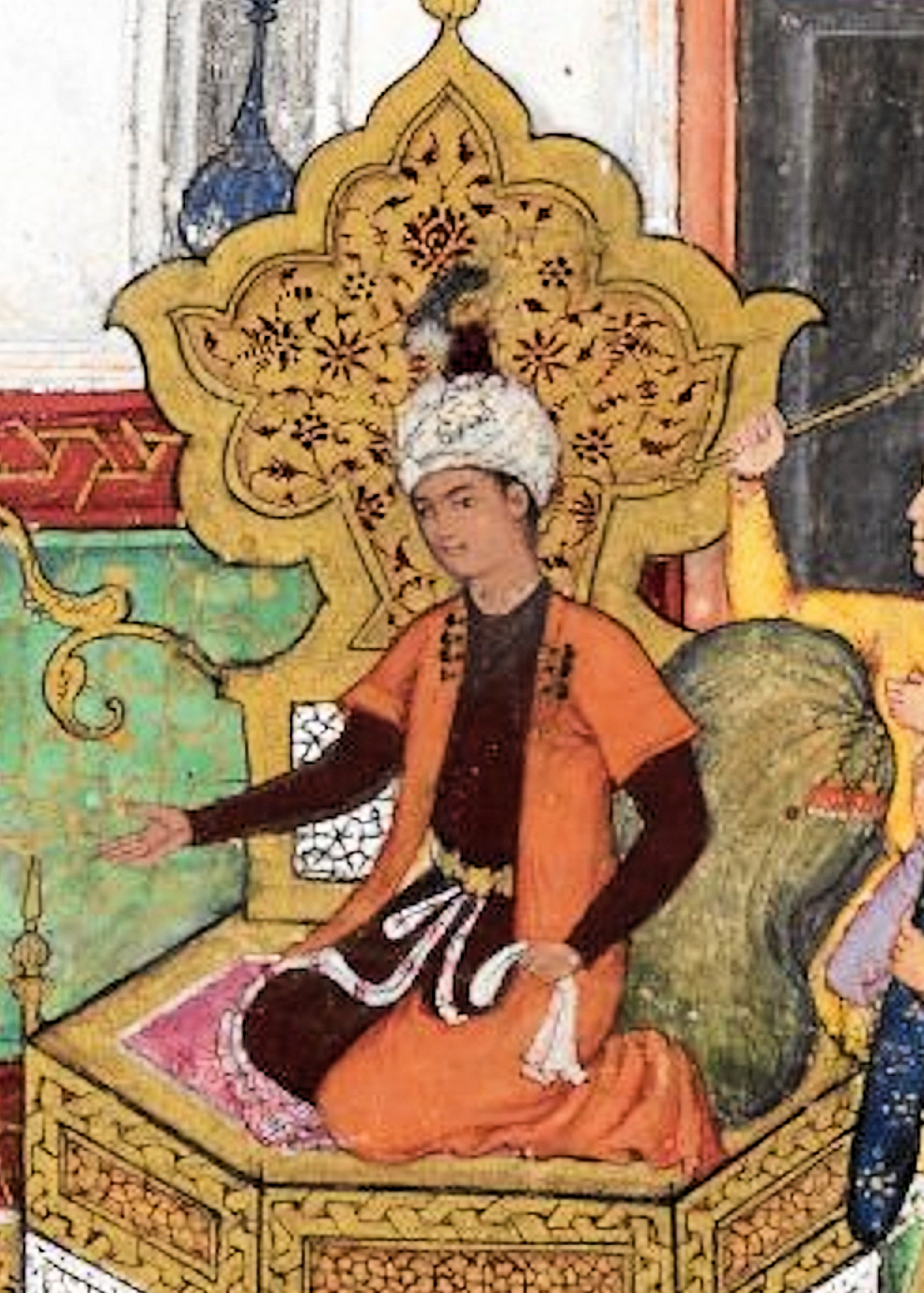
Princes of the House of Timur
mid-16th century, later altered
 Painting
Secondary source
Enthronement of Babur in 1494
c. 1590
Free account
Read every Babur source
Sign up free →
Ready when you are
Start chatting with Babur now.
20 messages free · No credit card · Available in 50+ languages.