


Primary sourcePaintingmid-16th century, later altered
Princes of the House of Timur
mid-16th century, later altered
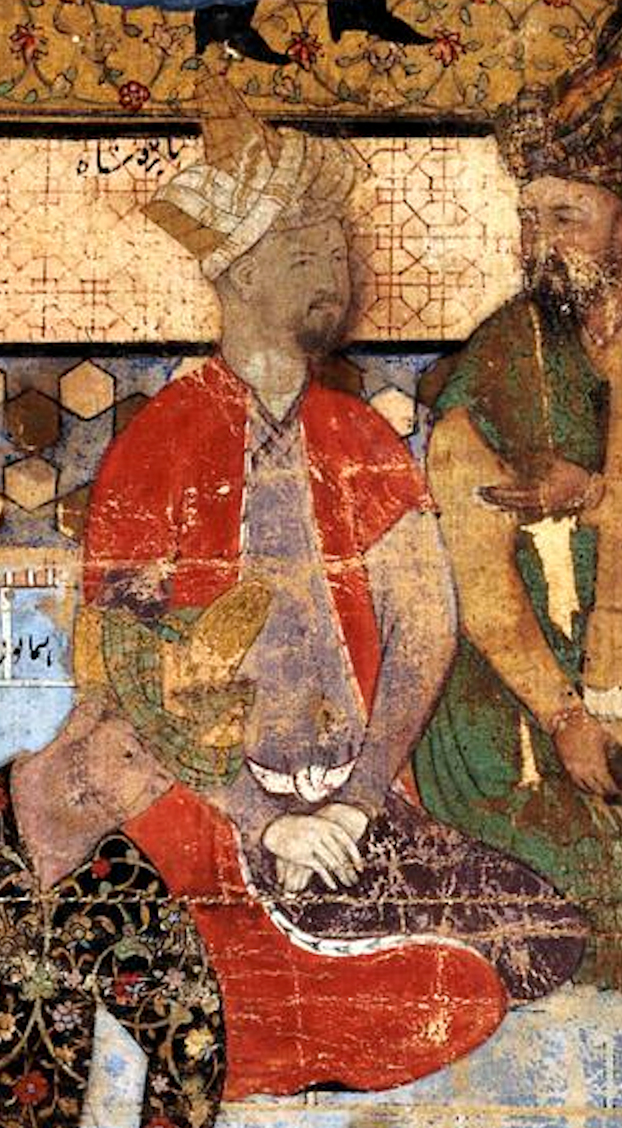
A large Mughal dynastic painting, begun in Humayun's reign, showing Babur among his Timurid ancestors and later descendants as proof of the family's right to rule.
Babur appears here among his Timurid ancestors, part of a dynastic image his descendants used to assert their right to rule.
Free Humy account · No credit card · 120,912 sources to read
About this source
What it is
This gouache painting on cotton cloth was likely created during the reign of Babur's son Humayun and later expanded under Jahangir and Shah Jahan, who added portraits of themselves and their heirs. Persian inscriptions name each figure, including Babur standing among his Timurid ancestors, with Humayun seated at the centre. It is held at the British Museum.
Why it matters
The painting was designed to show that the Mughal emperors descended directly from Timur, using the formal garden setting to suggest paradise, order and unbroken dynastic rule. That later rulers kept adding themselves to the same image, rather than commissioning a new one, shows how important this visual claim to legitimacy was across generations.
Look closer
- Why might a ruler want to be painted standing beside ancestors rather than alone?
- What does the painting's reuse and repainting over generations tell you about its political purpose?
- The painting has been damaged and trimmed over time — how might this affect what we can say about the original image?
This painting is part of the curated material that grounds the AI version of Babur and Timur on Humy.ai — when students ask about related events, the AI can quote it and cite it.
More Babur sources
Browse all 95 →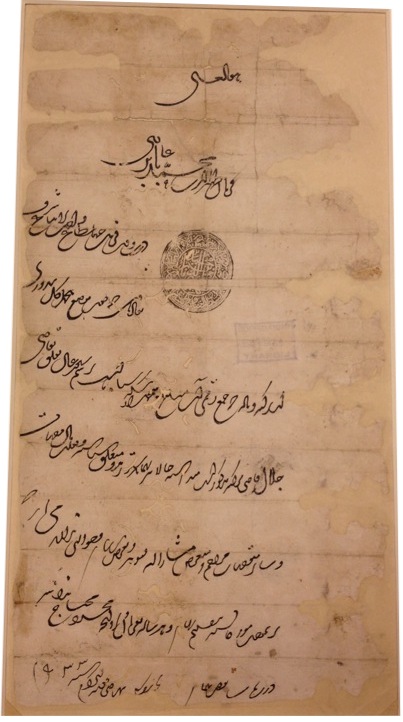 Document
Primary source
Mughal Land Grant of August 1527
Mughal emperor Babur's administration · August 1527
 Artifact
Primary source
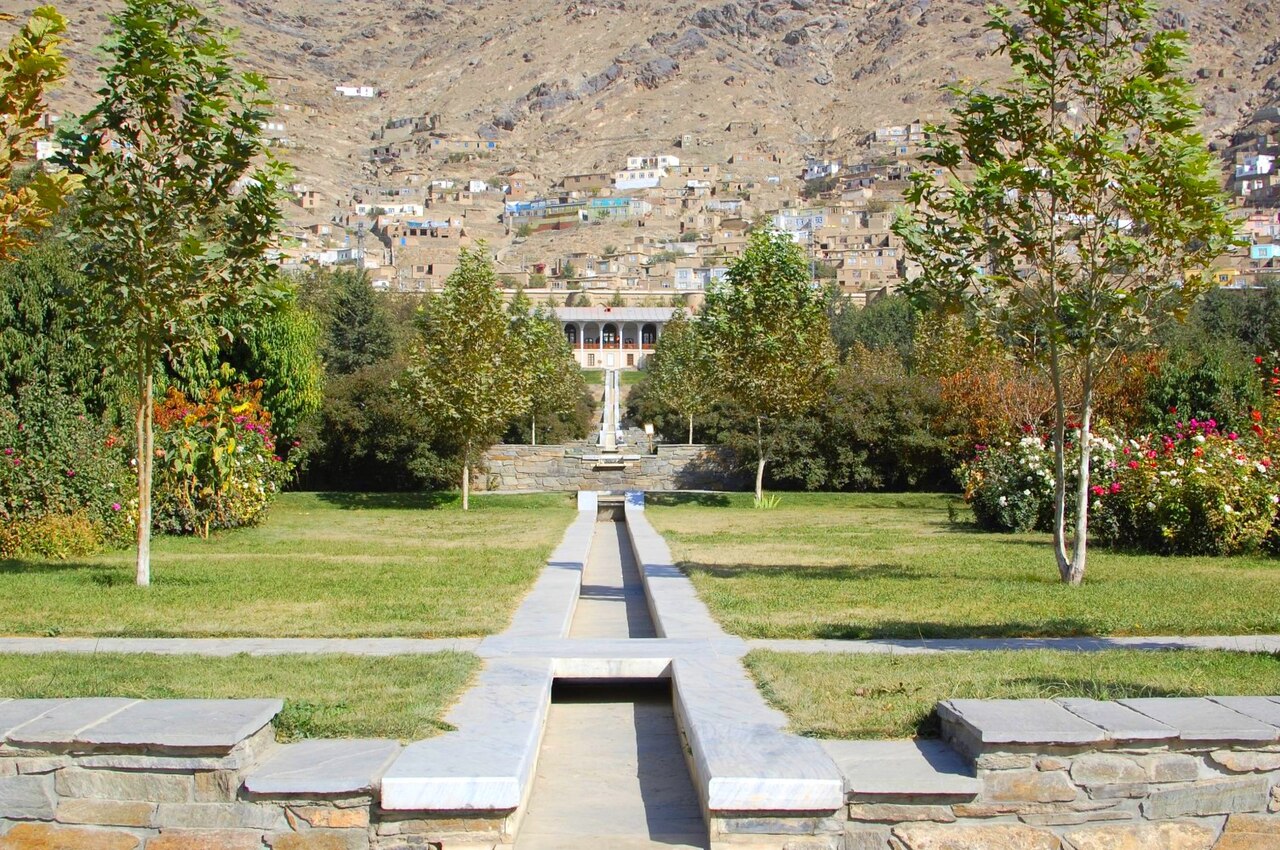
Gardens of Babur
Babur · c. 1504
 Artifact
Secondary source
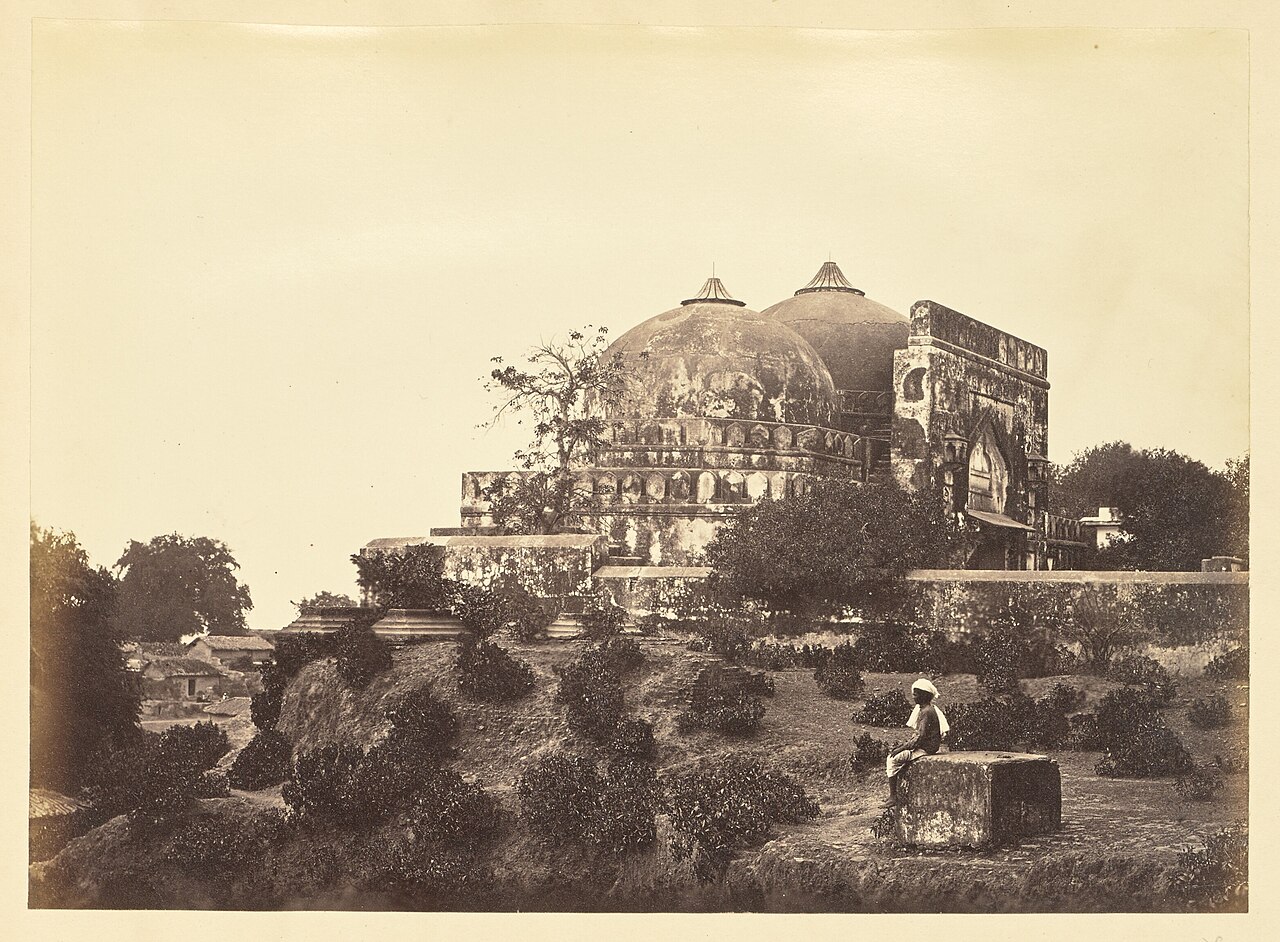
Babri Masjid
Mir Baqi · 1528/1529
 Painting
Secondary source
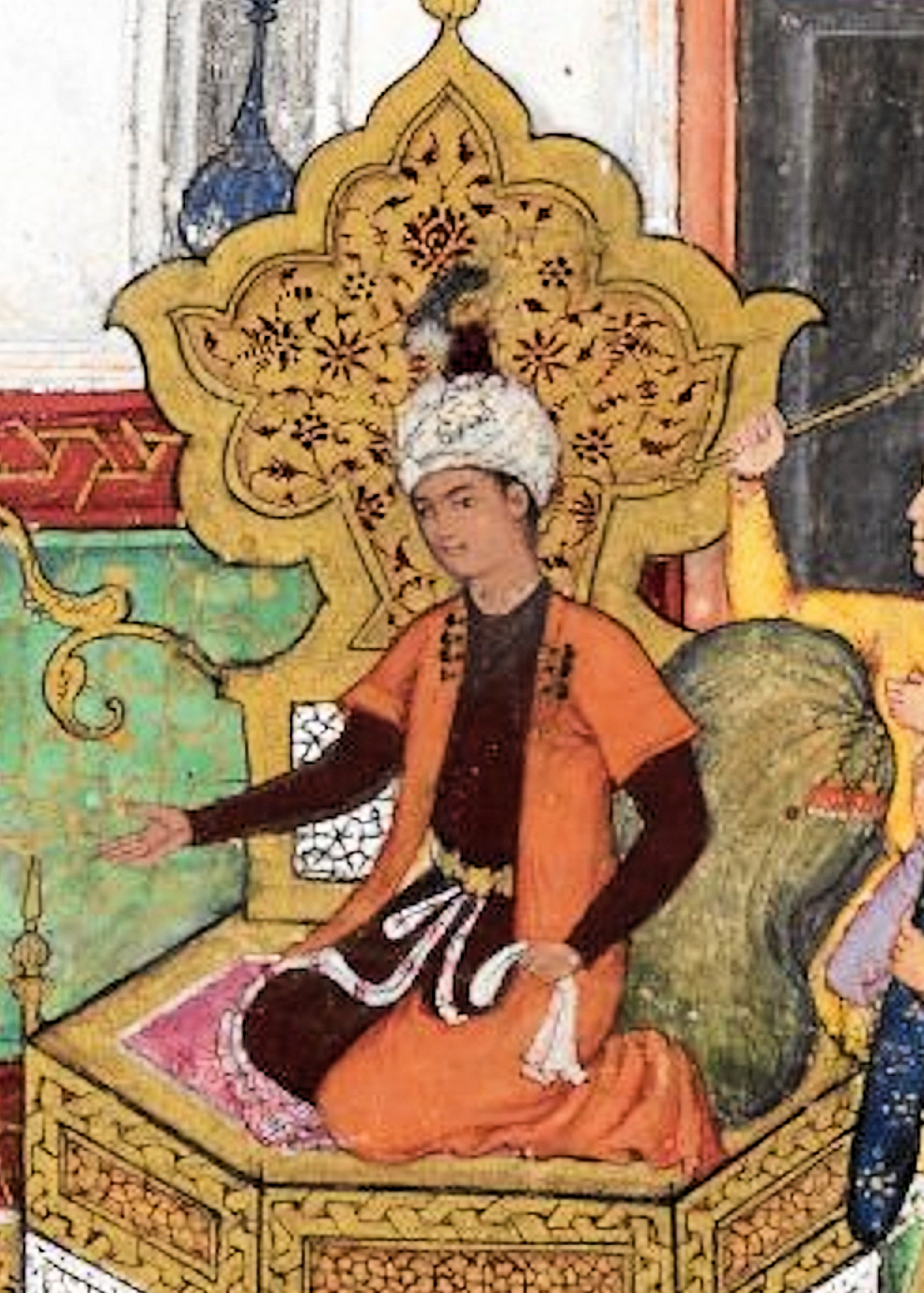
Enthronement of Babur in 1494
c. 1590
Free account
Read every Babur source
Sign up free →
Ready when you are
Start chatting with Babur now.
20 messages free · No credit card · Available in 50+ languages.