


Primary sourceArtifact5th century BCE
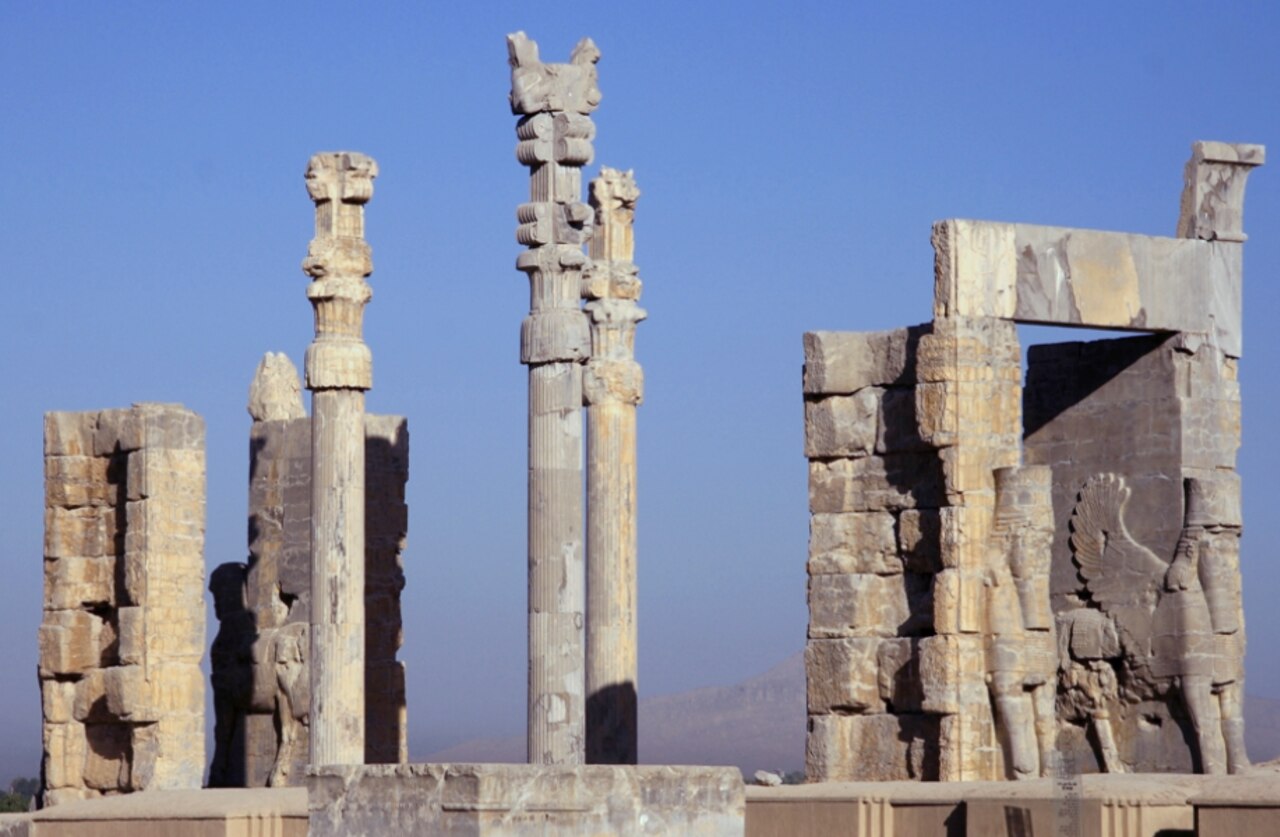
Gate of All Nations
Xerxes I · 5th century BCE
A monumental gateway built by Xerxes I at Persepolis, showing how Leonidas's Persian opponent presented himself as ruler over many peoples.
Built and inscribed by Leonidas's opponent Xerxes, this gate shows how the Persian king presented himself as ruler of many peoples.
Free Humy account · No credit card · 120,912 sources to read
About this source
What it is
The Gate of All Nations, also called the Gate of Xerxes, stands in the ruins of Persepolis in Iran. It was built on the order of the Achaemenid king Xerxes I, who ruled from 486 to 465 BC and succeeded Darius I, the founder of Persepolis. An inscription at the gate names Xerxes as its builder.
Why it matters
Xerxes was the Persian king who led the invasion of Greece during which Leonidas and his Spartans died defending Thermopylae. This grand gate, meant to receive representatives from across the vast Persian Empire, shows how Xerxes presented himself as ruler over many subject nations, giving context to the scale of the empire Leonidas and the Greeks faced.
Look closer
- Why might a king build an enormous ceremonial gate at the entrance to his palace complex?
- What does the inscription naming Xerxes tell us about how he wanted to be remembered?
- How might the size and decoration of this gate reflect the scale of the empire he ruled?
This artifact is part of the curated material that grounds the AI version of Leonidas I and Xerxes I on Humy.ai — when students ask about related events, the AI can quote it and cite it.
More Leonidas I sources
Browse all 58 → Book
Secondary source
Histories
Herodotus · c. 440 BCE
 Document
Primary source
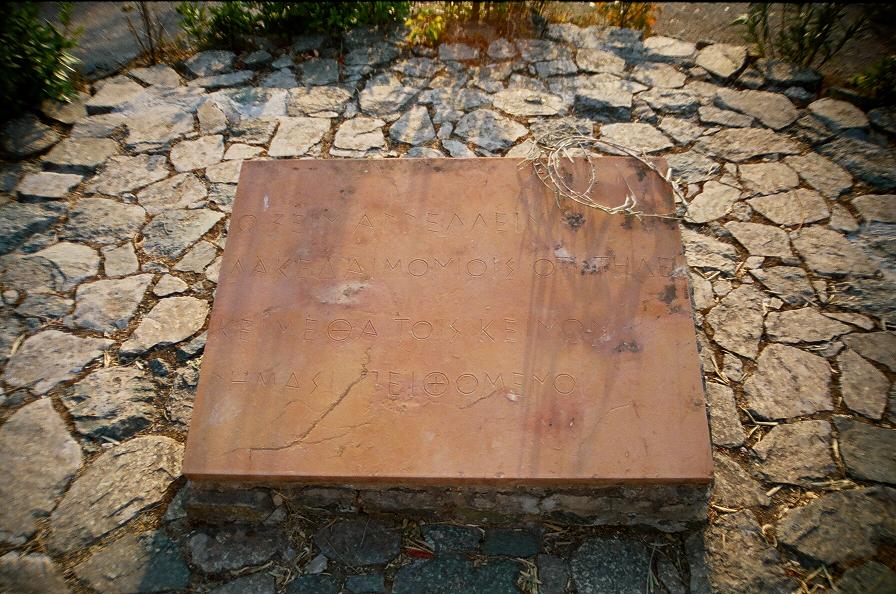
Go Tell the Spartans epitaph
Attributed to Simonides of Ceos · c. 480-479 BCE
 Painting
Primary source
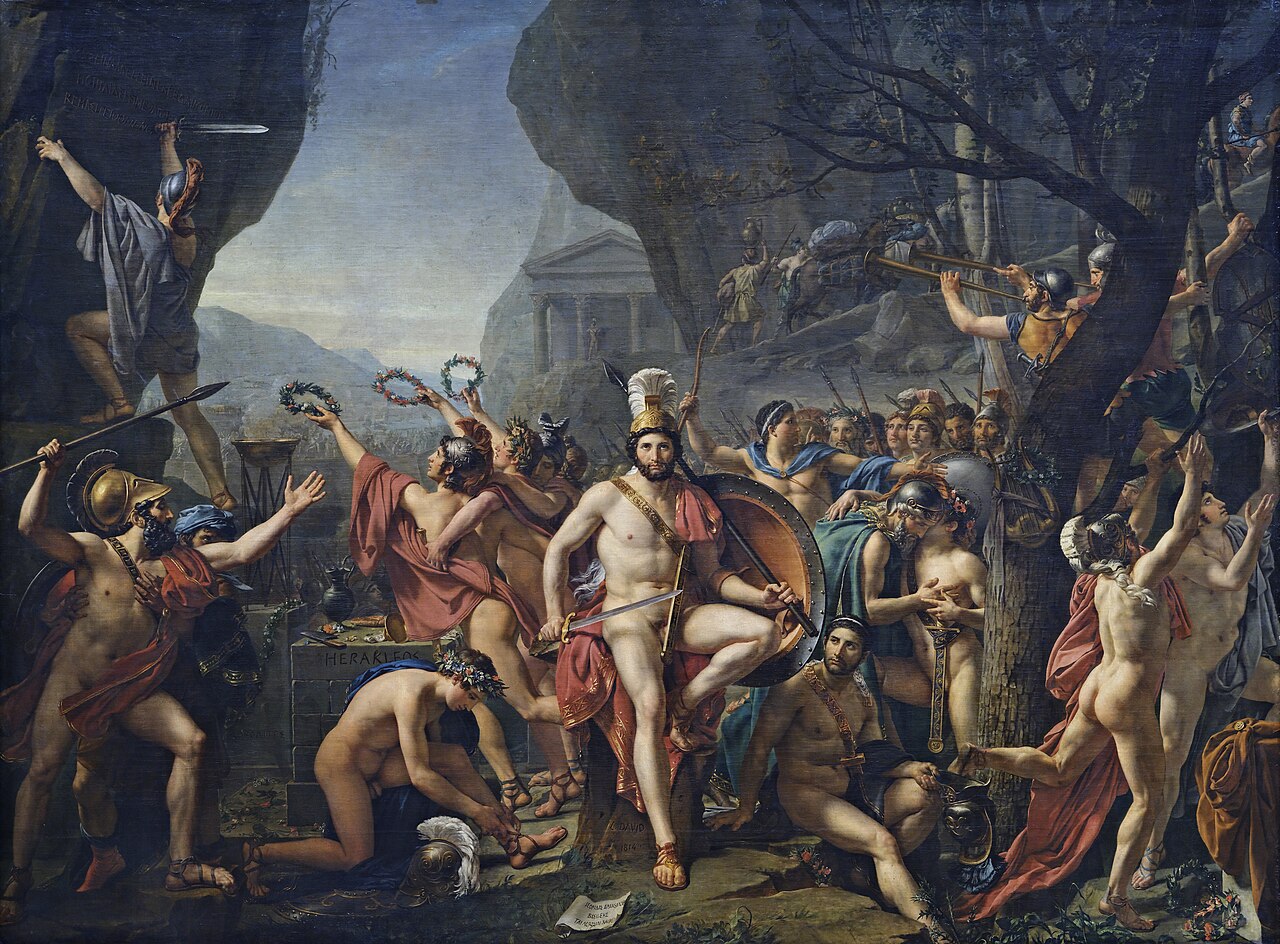
Leonidas at Thermopylae
Jacques-Louis David · 1799–1814
 Book
Secondary source
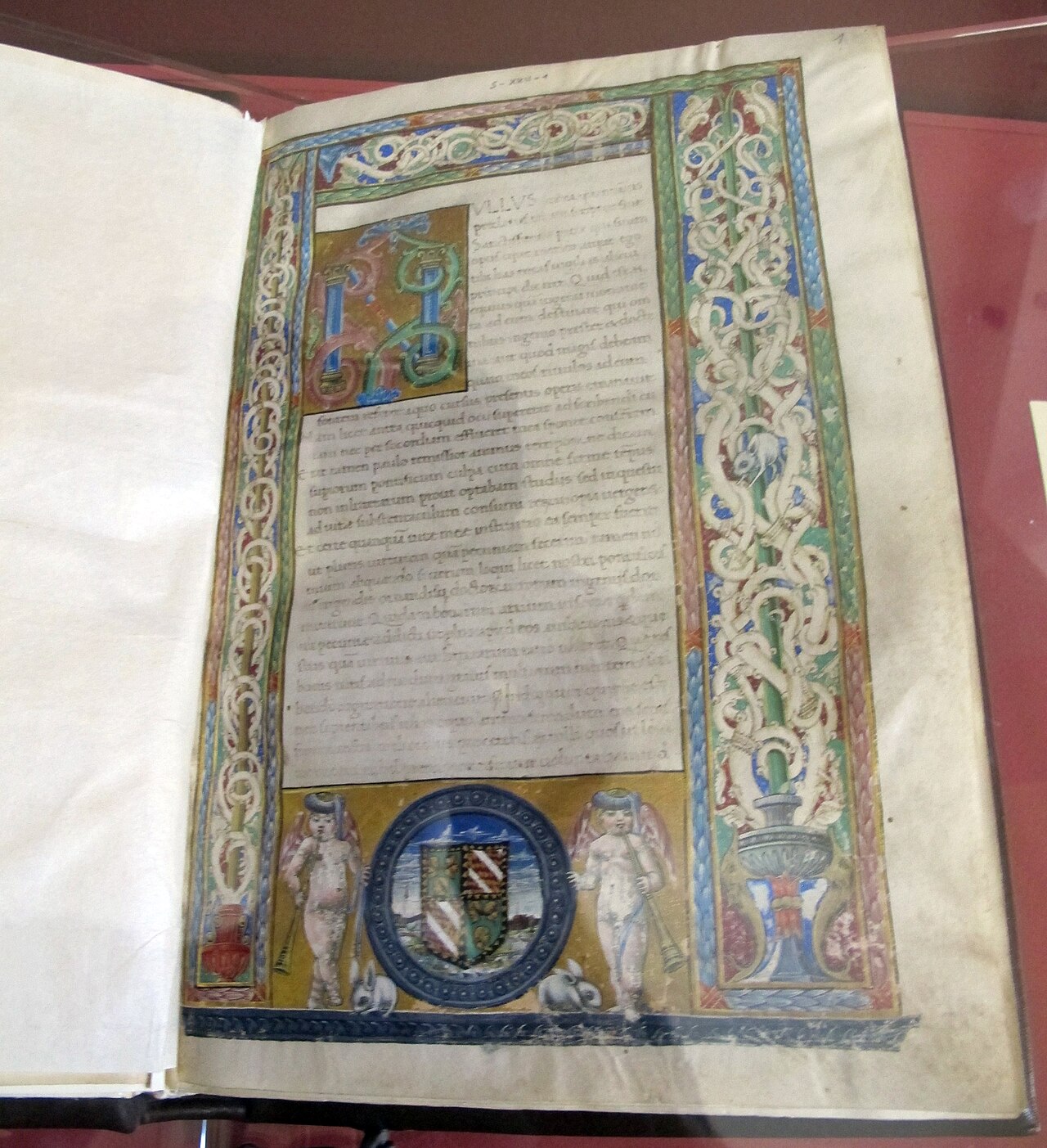
Bibliotheca Historica
Diodorus Siculus · 1st century BCE
Free account
Read every Leonidas I source
Sign up free →
Ready when you are
Start chatting with Leonidas I now.
20 messages free · No credit card · Available in 50+ languages.