


Primary sourceArtifact1821
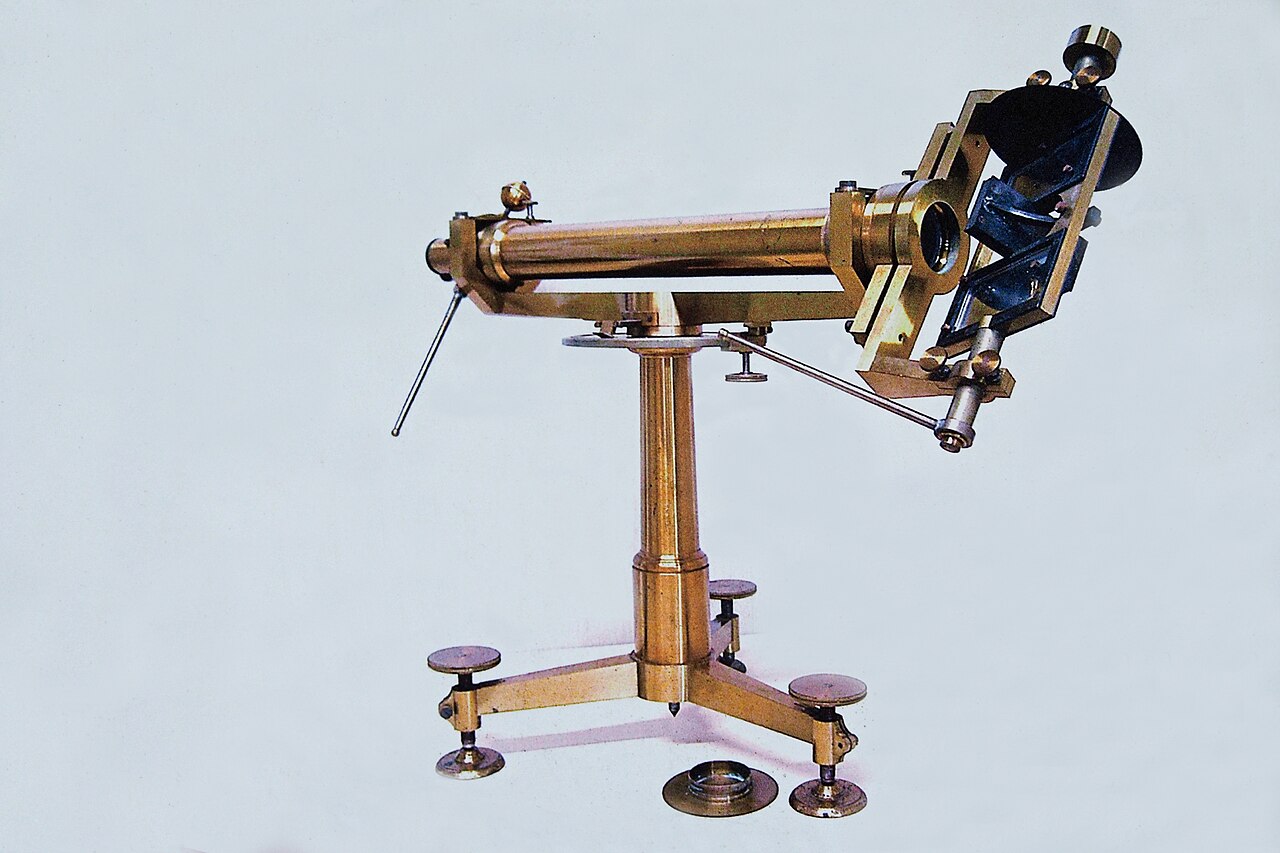
Gauss's Heliotrope
Carl Friedrich Gauss · 1821
A mirror-signalling surveying instrument invented by Gauss in 1821 for land-triangulation work in Hanover.
Gauss designed this heliotrope in 1821 for his triangulation survey, showing his practical work in geodesy.
Free Humy account · No credit card · 120,912 sources to read
About this source
What it is
This brass instrument on a three-legged stand is a heliotrope, invented in 1821 by Carl Friedrich Gauss. It uses a mirror to reflect sunlight toward distant observation points, and was used in his triangulation survey of the Kingdom of Hanover. An example is held in the historical instrument collection of the University of Göttingen.
Why it matters
The heliotrope shows the practical, engineering side of Gauss's work in geodesy, the science of measuring the Earth's shape. Beyond pure mathematics, Gauss designed tools that solved real surveying problems over long distances.
Look closer
- Why would reflecting sunlight be useful for marking a distant point in a land survey?
- What does this instrument reveal about the link between Gauss's mathematical theories and fieldwork?
- What limitations might a sunlight-based instrument have had?
This artifact is part of the curated material that grounds the AI version of Carl Friedrich Gauss on Humy.ai — when students ask about related events, the AI can quote it and cite it.
More Carl Friedrich Gauss sources
Browse all 77 → Diary entry
Primary source
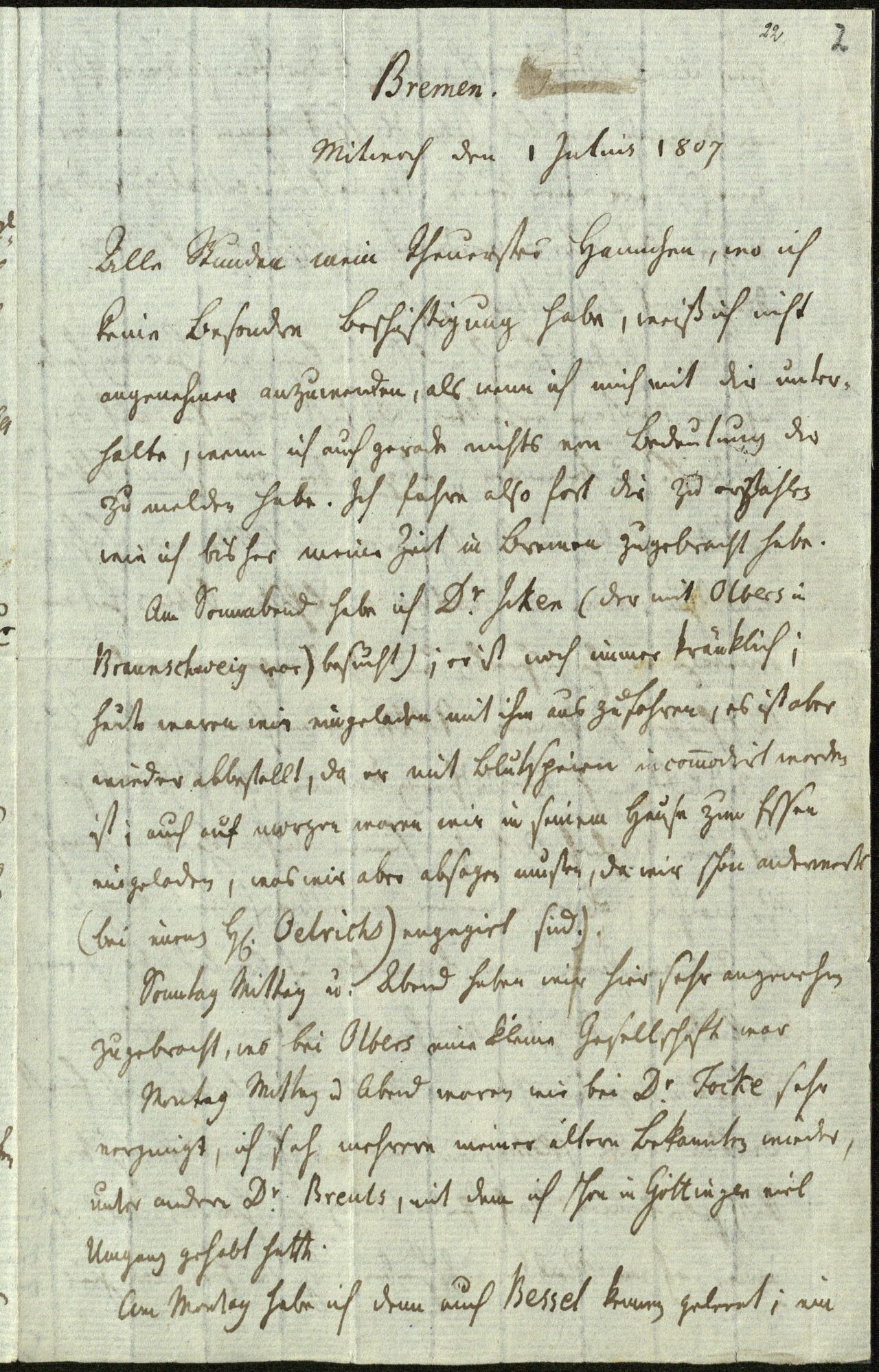
Eureka Diary Entry
Carl Friedrich Gauss · 10 July 1796
 Painting
Primary source
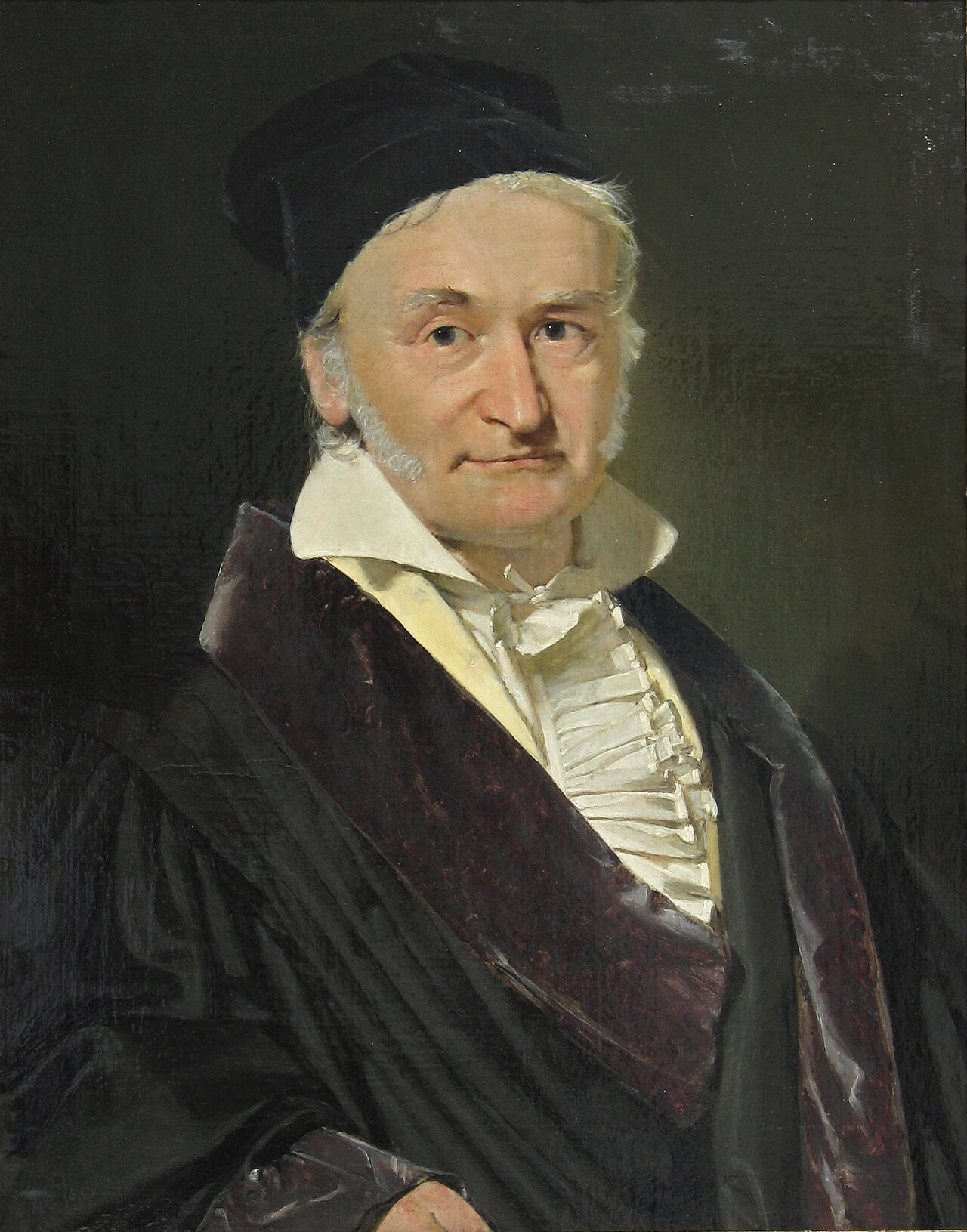
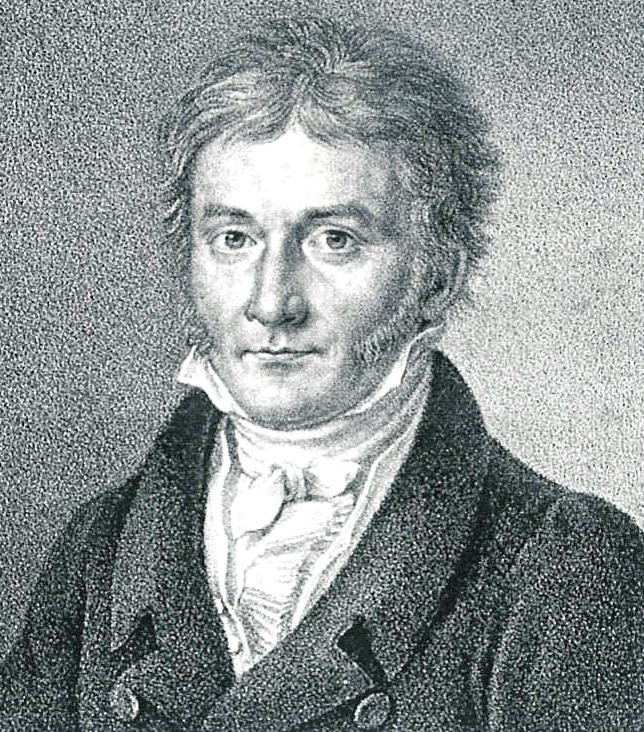
Portrait of Carl Friedrich Gauß
Christian Albrecht Jensen · 1840
 Painting
Primary source
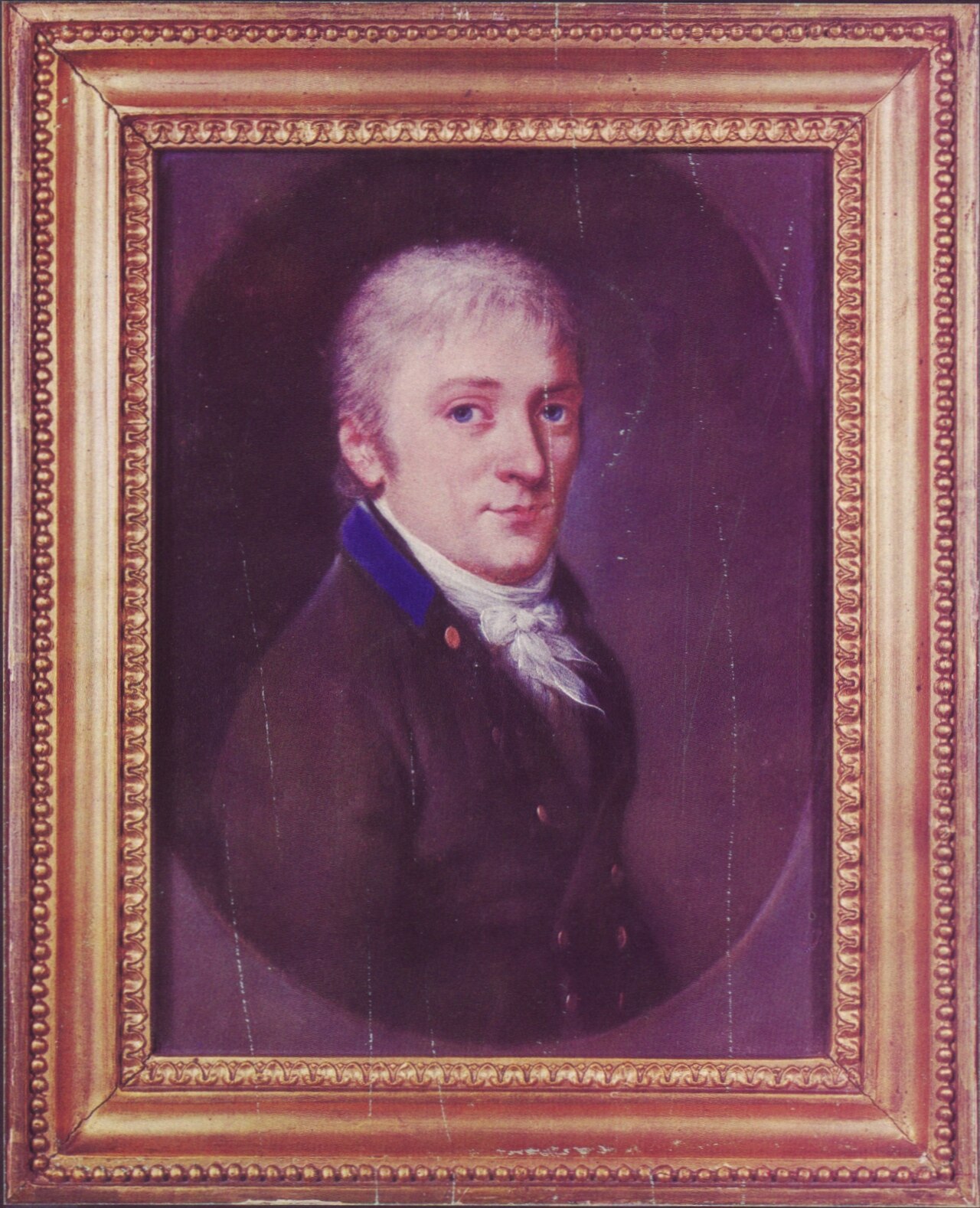
Portrait of Gauss by Johann Christian August Schwartz
Johann Christian August Schwartz · 1803
 Artifact
Secondary source
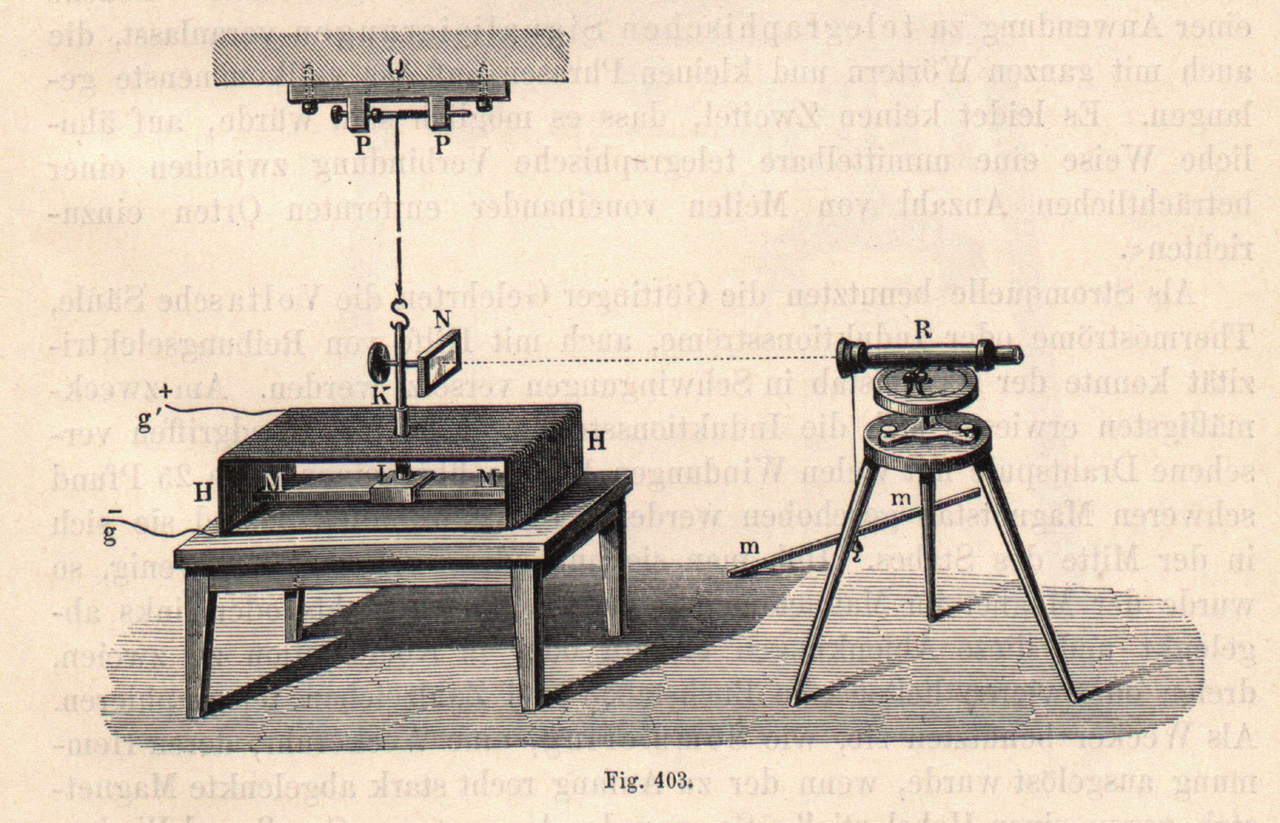
Illustration of a Magnetometer Used by Gauss
1899
Free account
Read every Carl Friedrich Gauss source
Sign up free →
Ready when you are
Start chatting with Carl Friedrich Gauss now.
20 messages free · No credit card · Available in 50+ languages.