


Primary sourceDiary entry10 July 1796
Eureka Diary Entry
Carl Friedrich Gauss · 10 July 1796
A page from Gauss's mathematical diary, written in his own hand in 1796, recording his triangular number theorem.
This diary page is in Gauss's own hand, recording one of his early mathematical discoveries.

About this source
What it is
This is a manuscript page from Gauss's private mathematical diary, the Mathematisches Tagebuch. It records, in his own handwriting, the entry dated 10 July 1796, where he wrote the word "EUREKA" followed by the statement that every number can be written as a sum of three triangular numbers.
Why it matters
The diary is one of the most personal records of Gauss's mathematical discoveries, kept privately rather than published. This single entry shows the excitement of a young mathematician at a breakthrough, and historians use the diary to trace the order and dates of his discoveries.
Look closer
- Why do you think Gauss used the word "Eureka" here, and what does that word usually mean?
- What does keeping a private diary of discoveries tell you about how Gauss worked, compared to publishing straight away?
- What can't you tell from this short entry about how he actually found the proof?
This diary entry is part of the curated material that grounds the AI version of Carl Friedrich Gauss on Humy.ai — when students ask about related events, the AI can quote it and cite it.
More Carl Friedrich Gauss sources
Browse all 93 →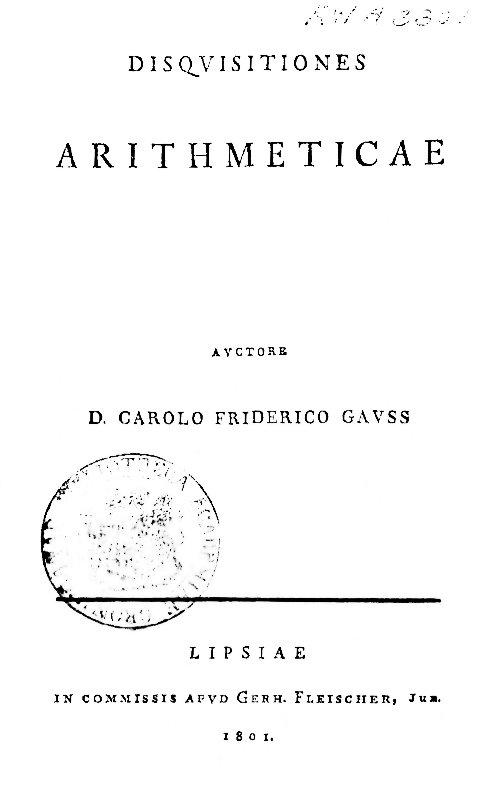 Book
Primary source
Disquisitiones Arithmeticae
Carl Friedrich Gauss · 1801
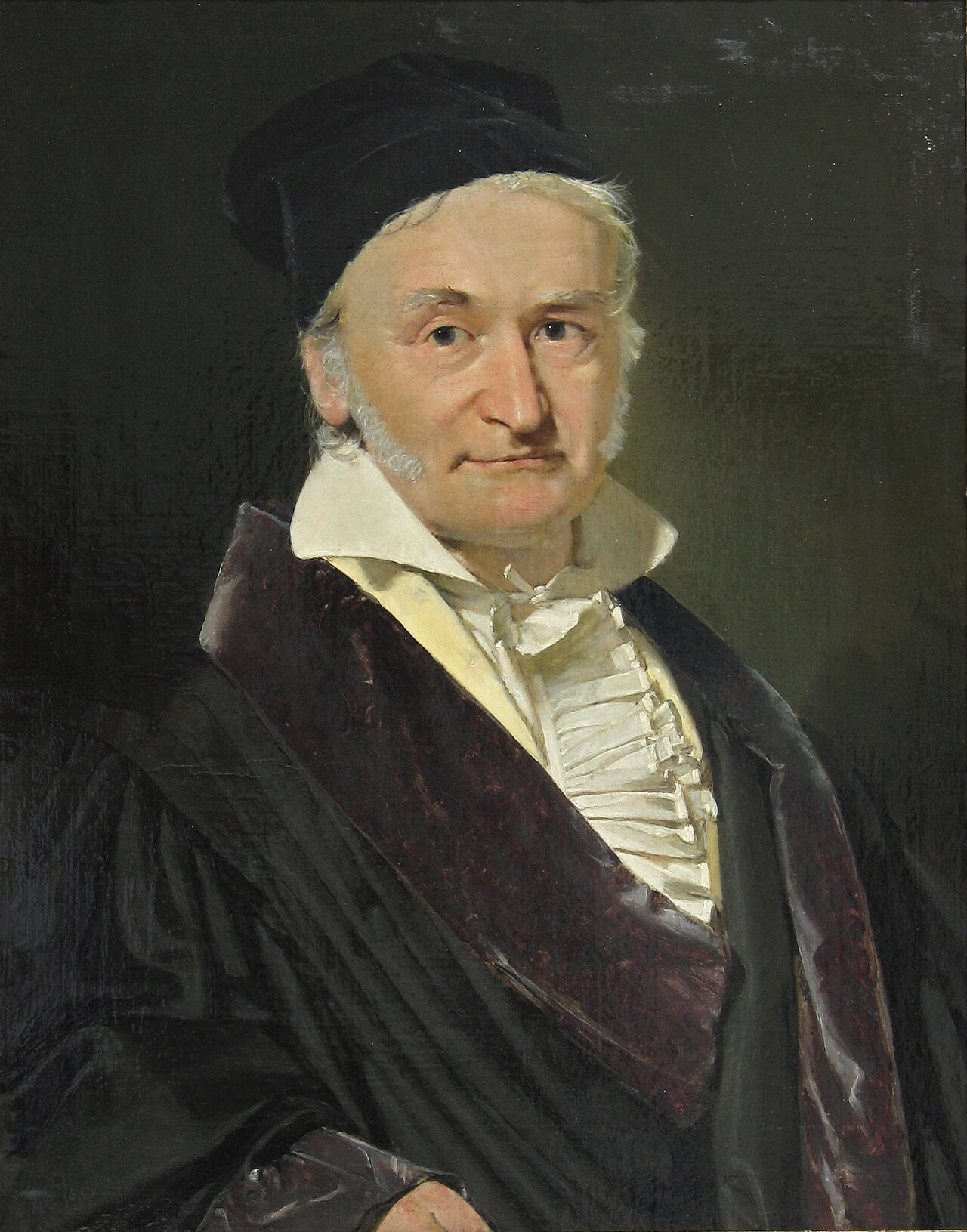 Painting
Primary source
Portrait of Carl Friedrich Gauß
Christian Albrecht Jensen · 1840
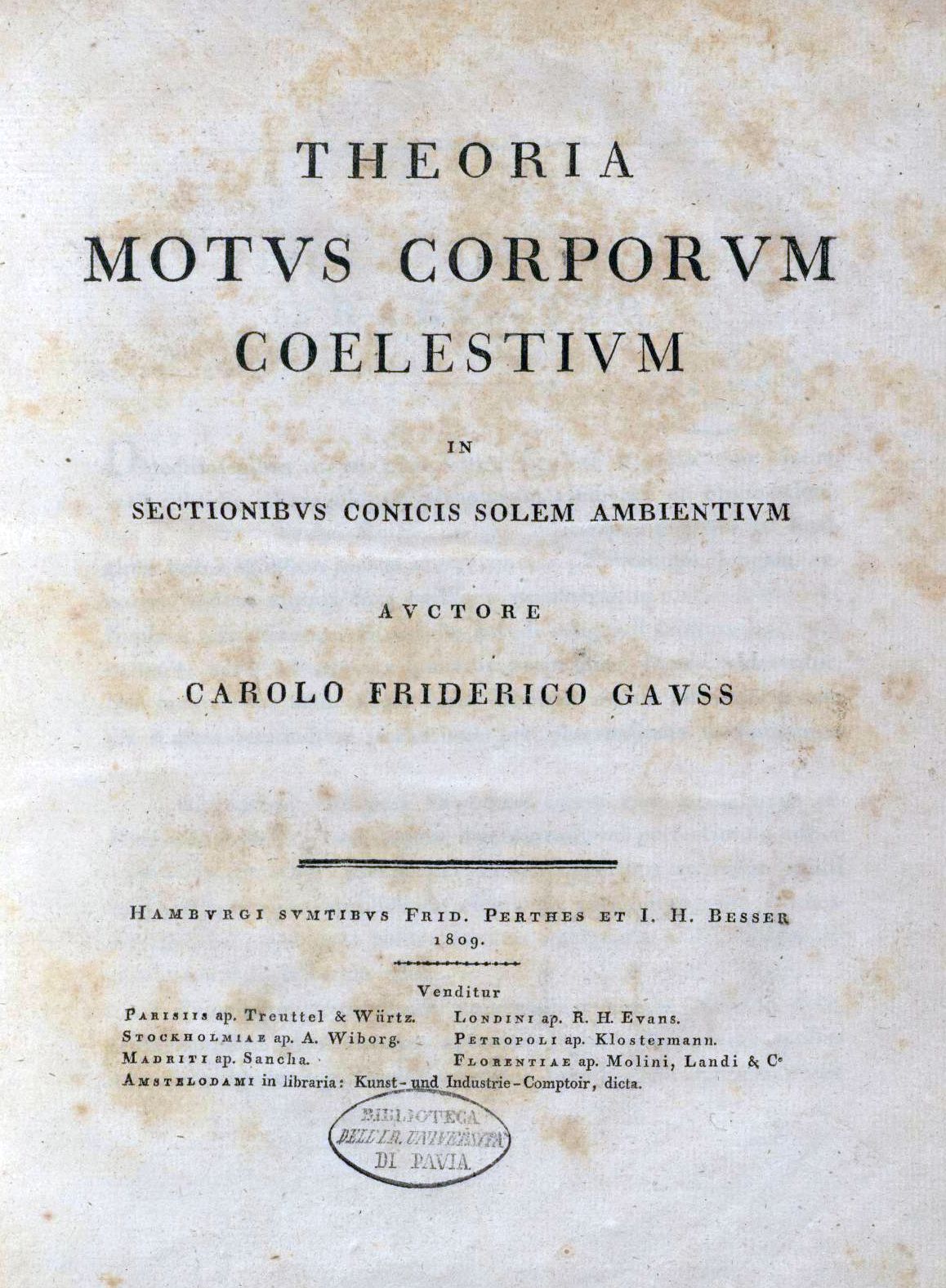 Book
Primary source
Theoria Motus Corporum Coelestium in Sectionibus Conicis Solem Ambientium
Carl Friedrich Gauss · 1809
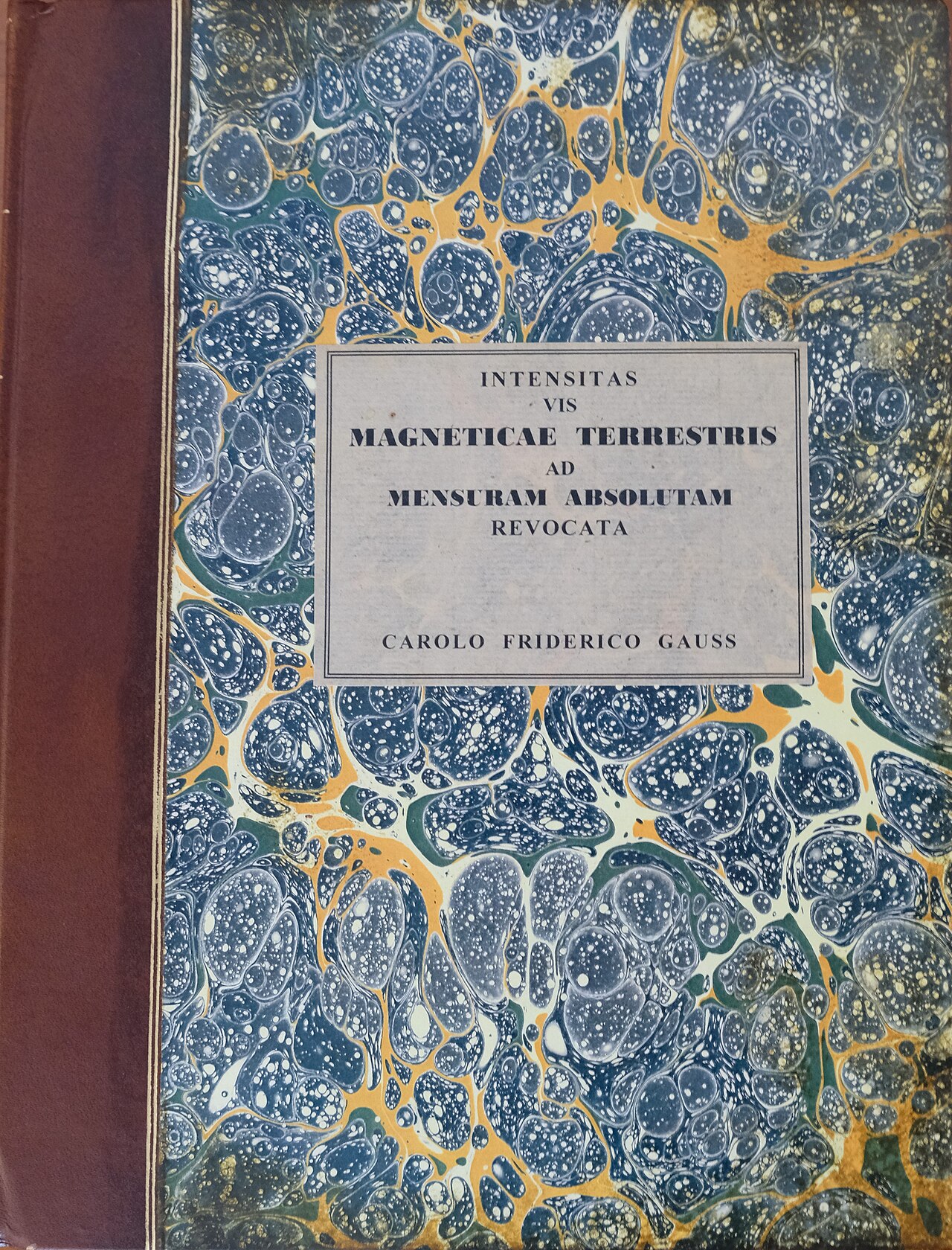 Book
Primary source
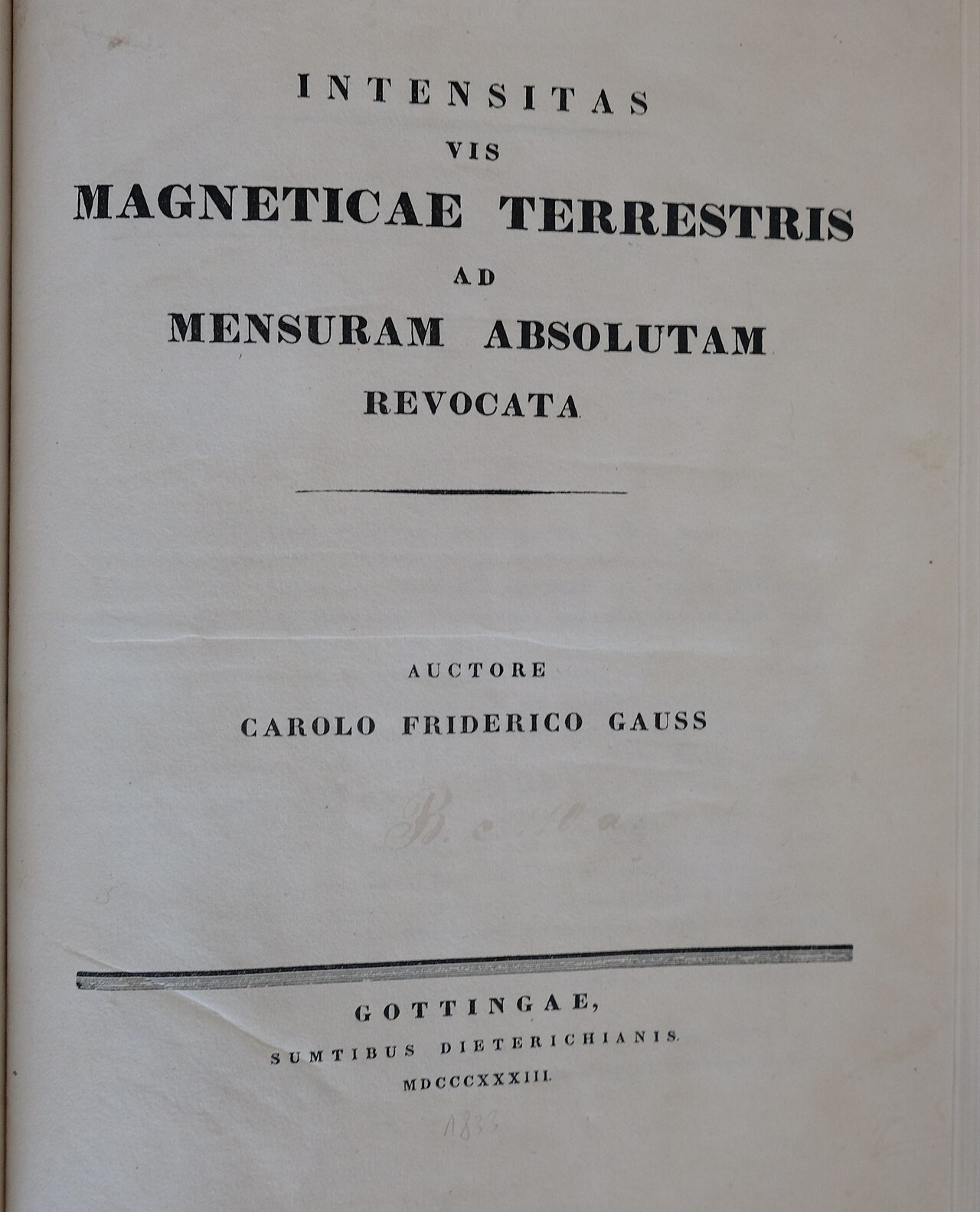
Intensitas vis magneticae terrestris ad mensuram absolutam revocata
Carl Friedrich Gauss · 1832 (read), published 1841
Free account
Browse every Carl Friedrich Gauss source
Sign up free →
Ready when you are
Start chatting with Carl Friedrich Gauss now.
20 messages free · No credit card · Available in 50+ languages.