


Primary sourceBook1809
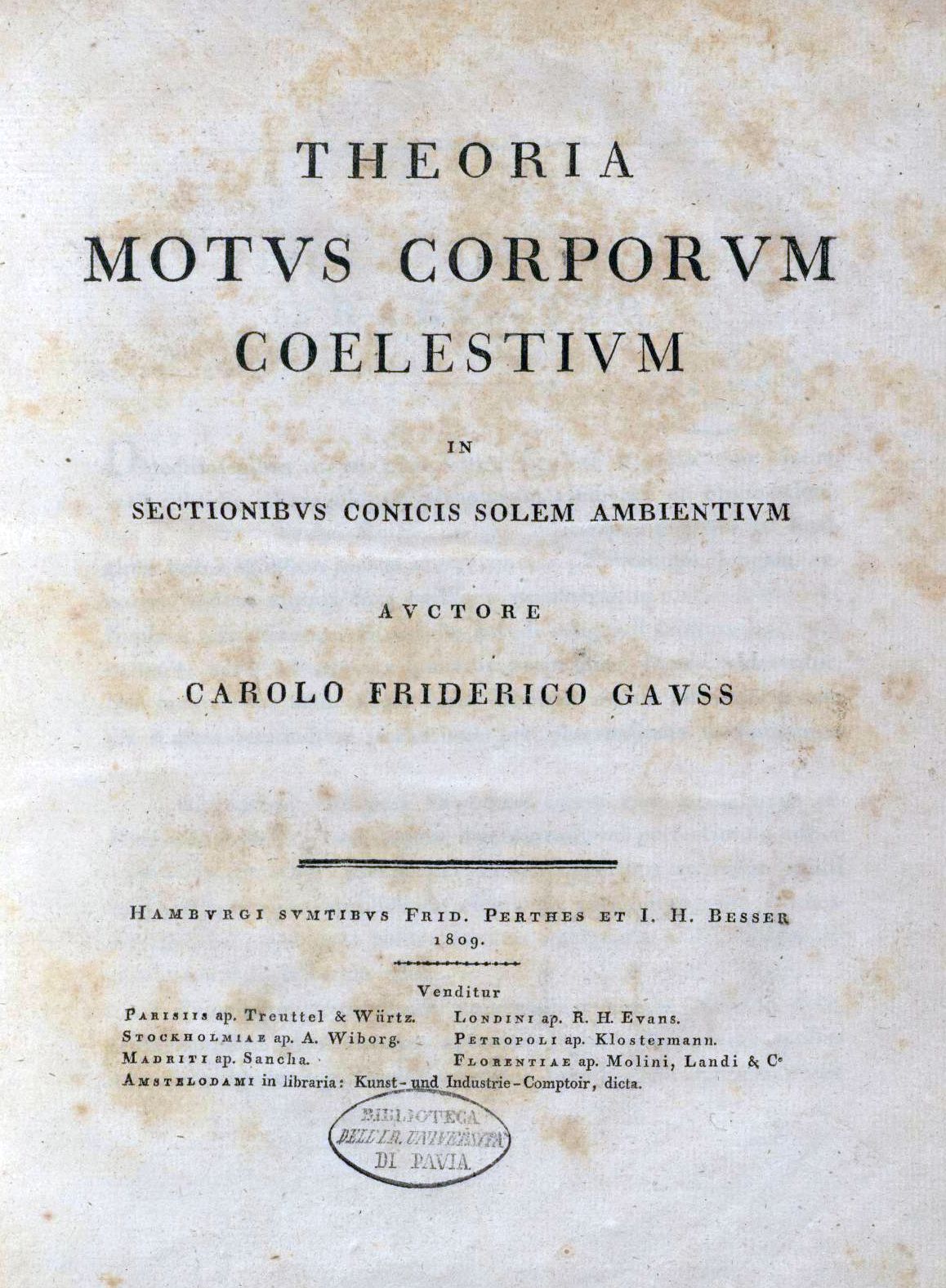
Theoria Motus Corporum Coelestium in Sectionibus Conicis Solem Ambientium
Carl Friedrich Gauss · 1809
Gauss's 1809 Latin treatise on calculating planetary and comet orbits, including his method of least squares.
Gauss wrote this book, presenting the orbit-determination and least-squares methods he developed after recovering Ceres.
Free Humy account · No credit card · 53,307 sources to read
About this source
What it is
This is the title page and opening text of Theoria Motus Corporum Coelestium, a book written by Carl Friedrich Gauss and published in 1809 in Hamburg. It sets out mathematical methods for determining the orbits of planets and comets moving on conic sections around the sun.
Why it matters
The book grew out of Gauss's work recovering the orbit of the asteroid Ceres after it had been lost from view, and it published his method of least squares for fitting data, a technique still fundamental to statistics and science. It shows Gauss moving from pure mathematics into practical astronomy.
Look closer
- Why might astronomers in 1809 have needed better mathematical tools to track objects like comets and asteroids?
- What does the library stamp on the title page tell you about how this book travelled and was preserved?
- How might a method developed for astronomy end up being useful in completely different fields today?
This book is part of the curated material that grounds the AI version of Carl Friedrich Gauss on Humy.ai — when students ask about related events, the AI can quote it and cite it.
More Carl Friedrich Gauss sources
Browse all 93 →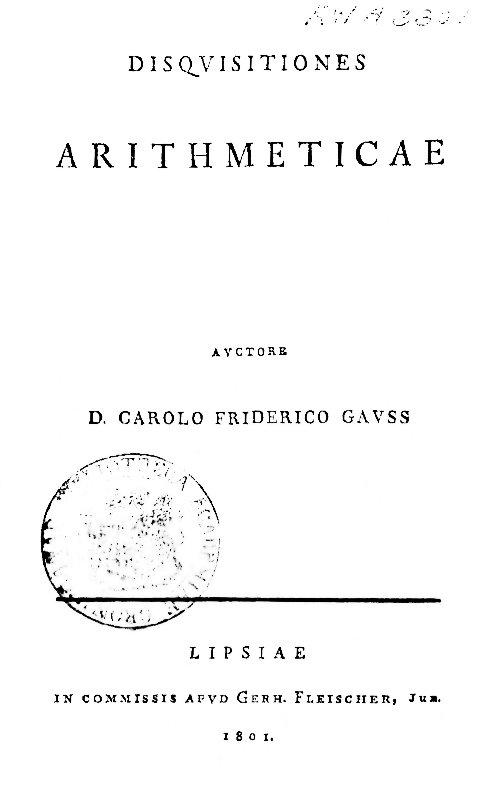 Book
Primary source
Disquisitiones Arithmeticae
Carl Friedrich Gauss · 1801
 Diary entry
Primary source
Eureka Diary Entry
Carl Friedrich Gauss · 10 July 1796
 Painting
Primary source
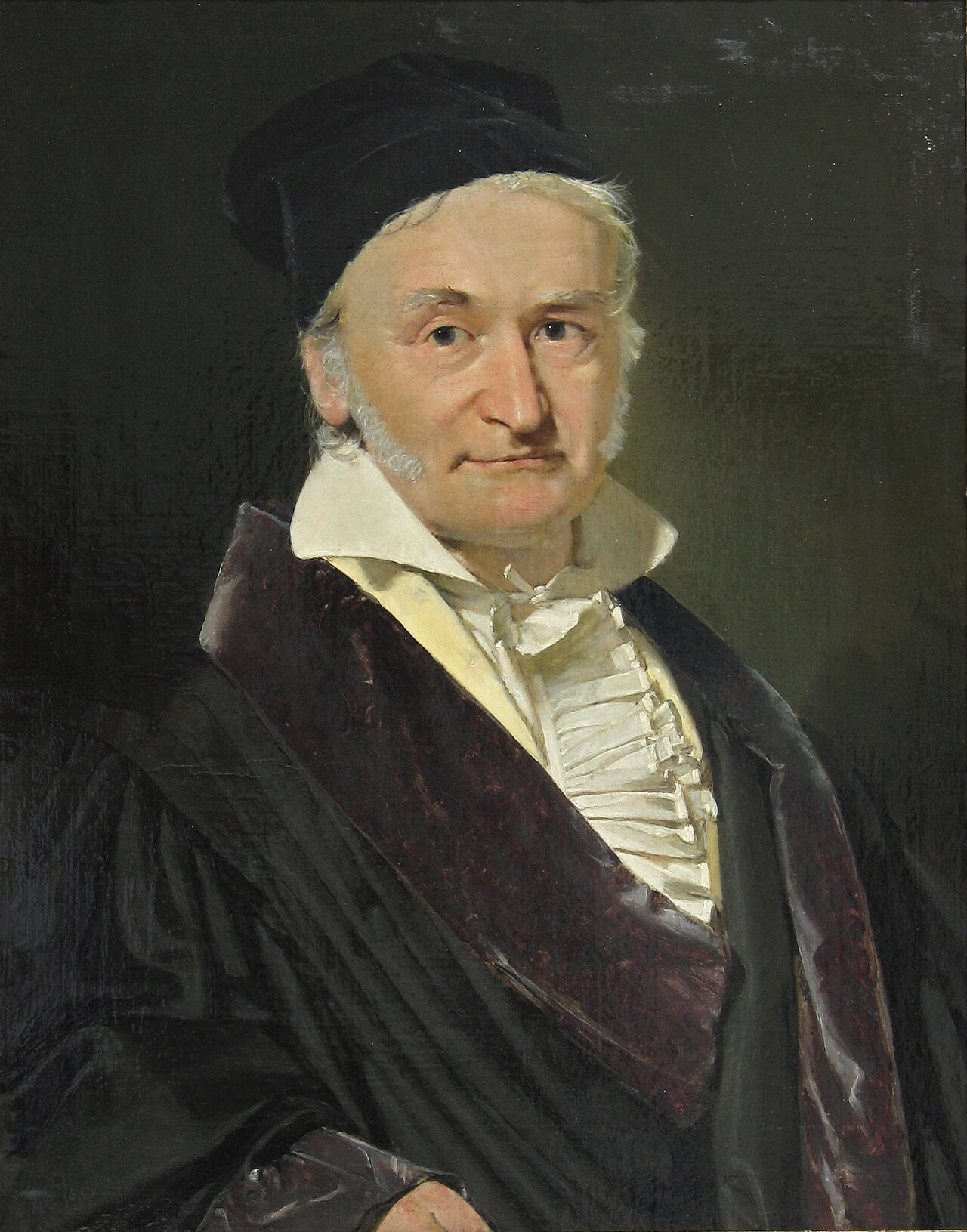
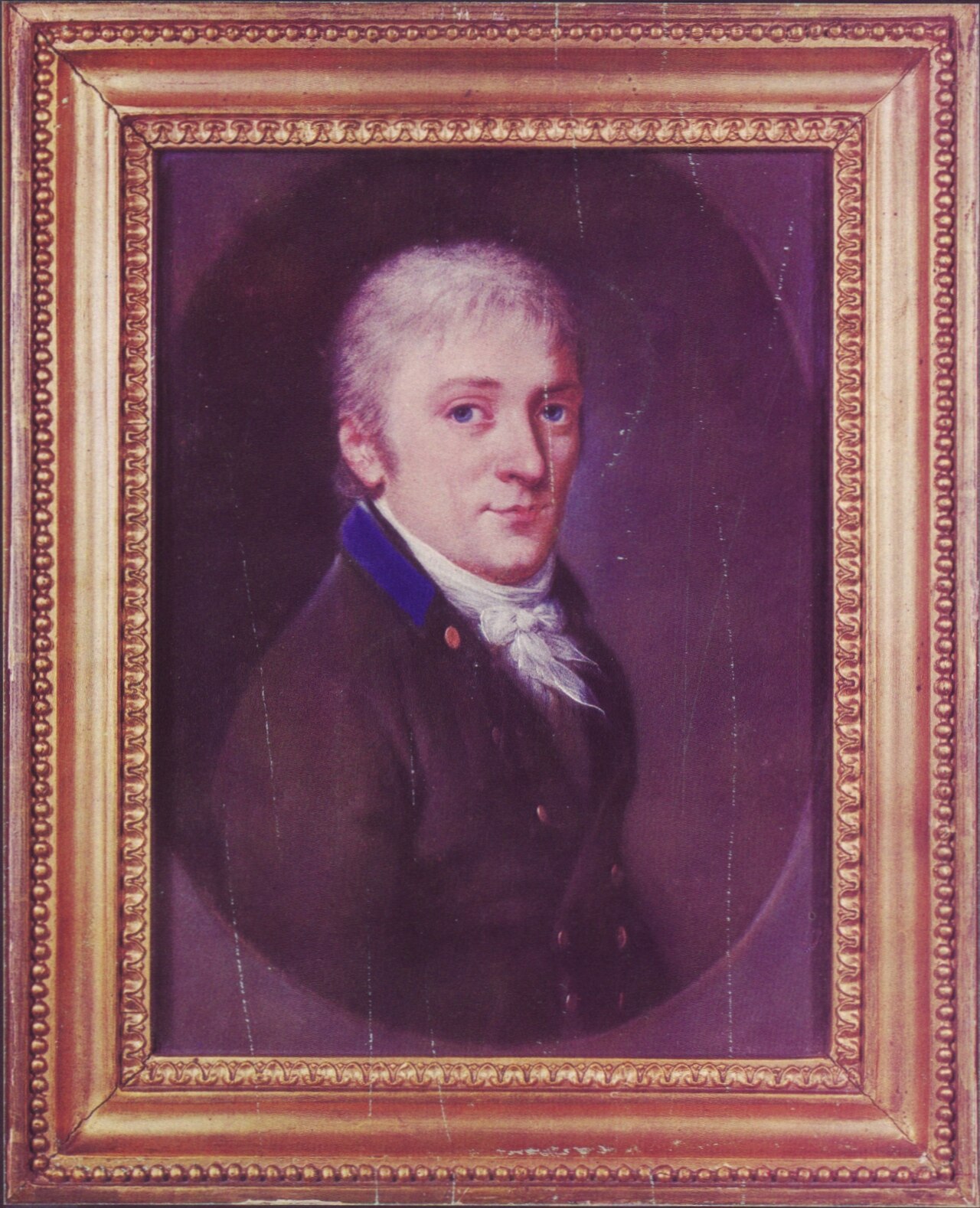
Portrait of Carl Friedrich Gauß
Christian Albrecht Jensen · 1840
 Book
Primary source
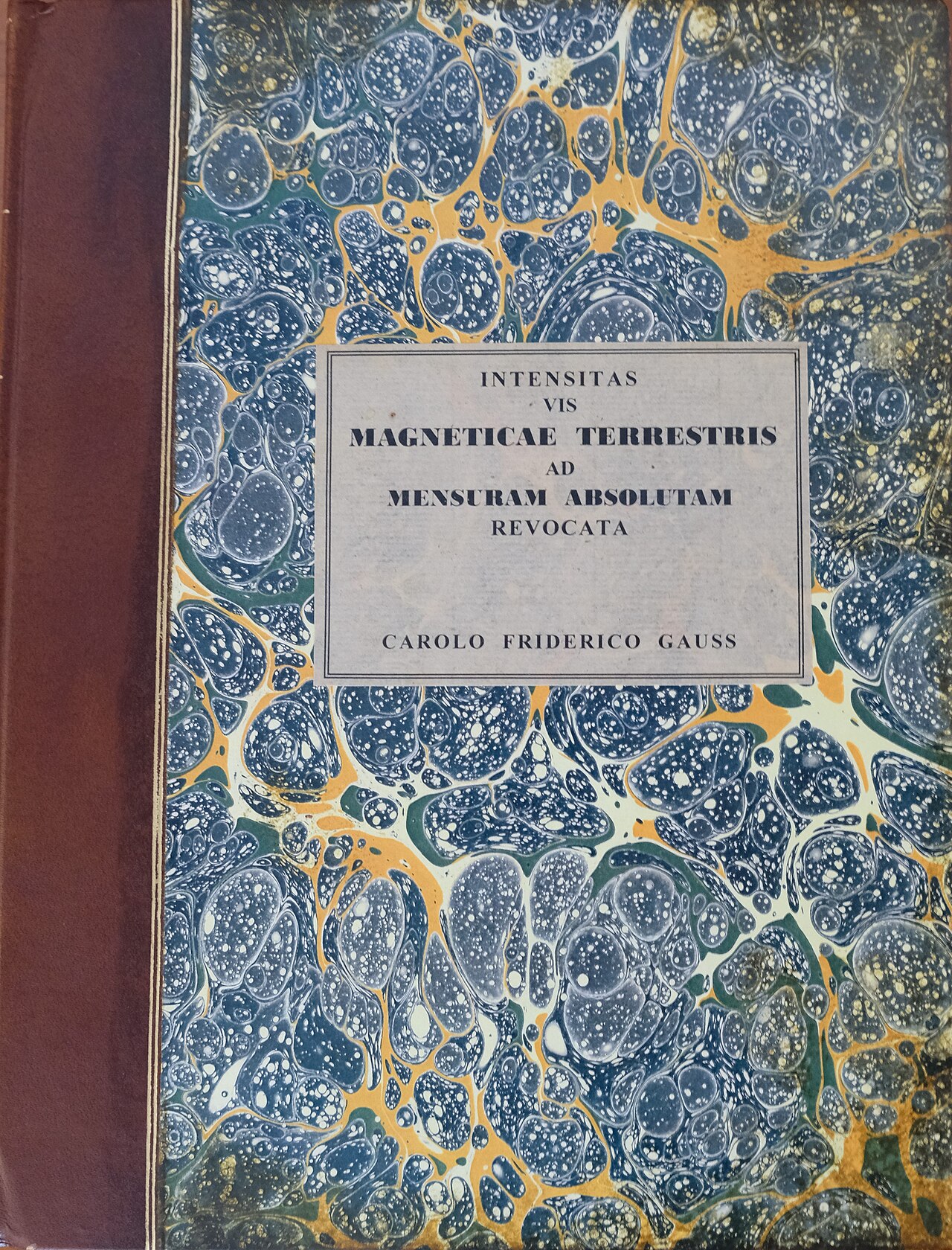
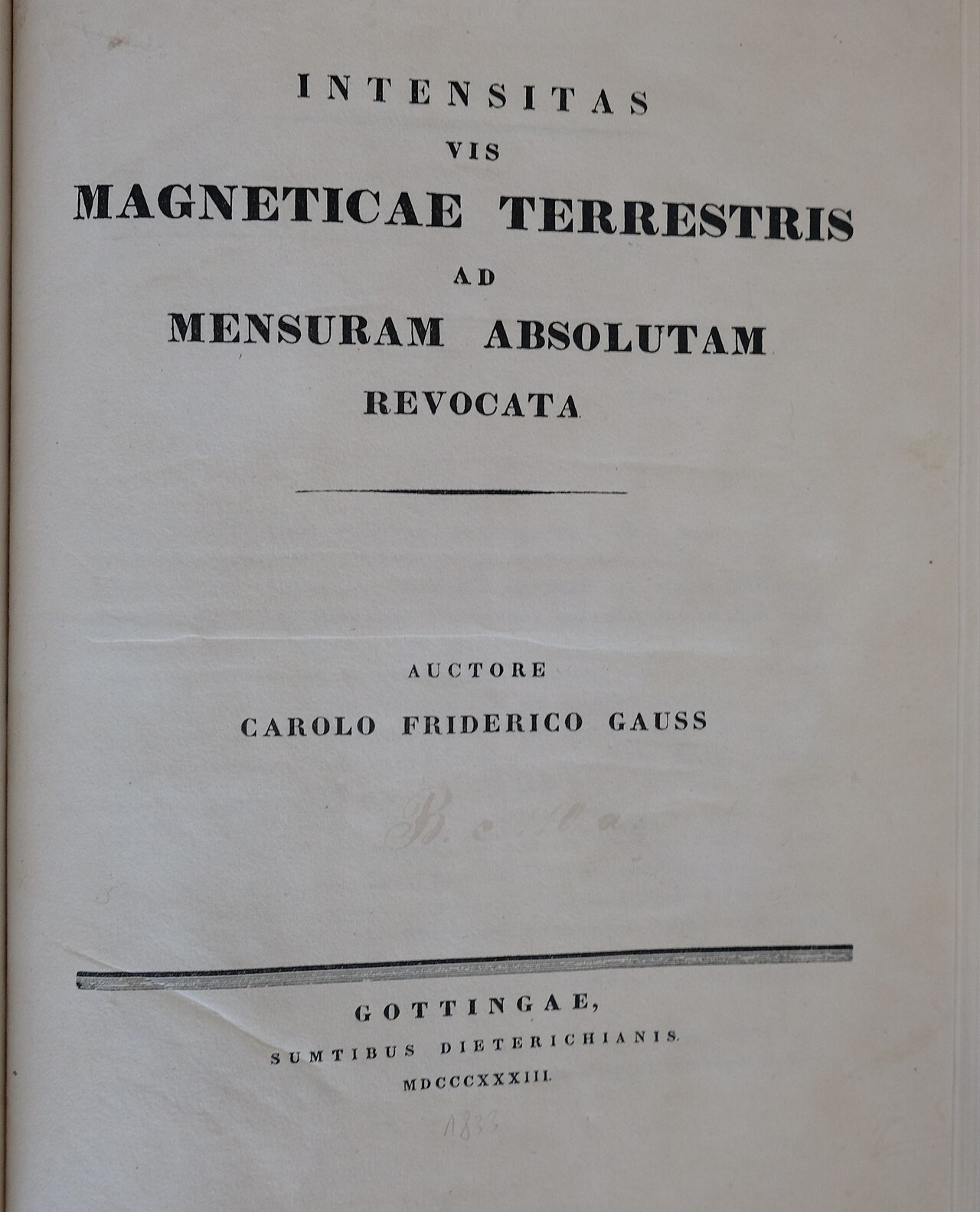
Intensitas vis magneticae terrestris ad mensuram absolutam revocata
Carl Friedrich Gauss · 1832 (read), published 1841
Free account
Browse every Carl Friedrich Gauss source
Sign up free →
Ready when you are
Start chatting with Carl Friedrich Gauss now.
20 messages free · No credit card · Available in 50+ languages.