


Primary sourceBook1801
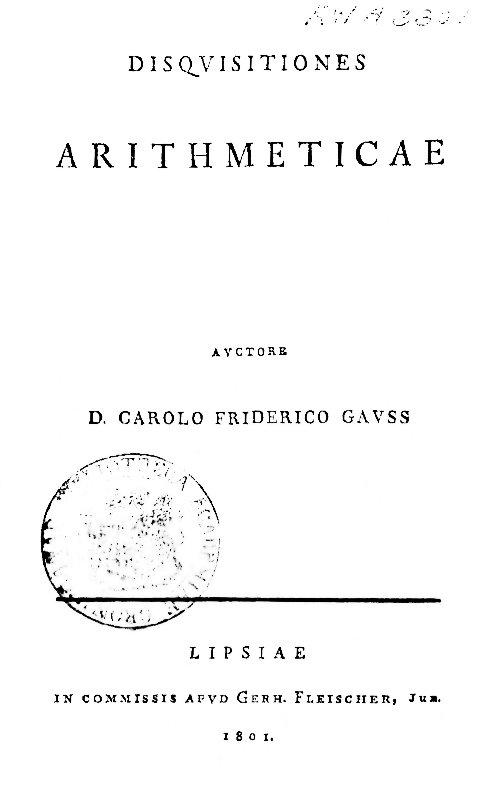
Disquisitiones Arithmeticae
Carl Friedrich Gauss · 1801
Gauss's 1801 Latin textbook that founded modern number theory, written when he was in his early twenties.
Gauss wrote this book himself, founding modern number theory in his early twenties.
About this source
What it is
This is the title page and text of Disquisitiones Arithmeticae, a book on number theory written in Latin by Carl Friedrich Gauss. He wrote it around age 21 and it was published in 1801.
The book brings together results in number theory from earlier mathematicians such as Fermat, Euler, Lagrange and Legendre, while adding many original ideas of Gauss's own, organised into seven systematic sections.
Why it matters
Before this book, number theory was a scattered set of isolated theorems. Gauss turned it into a rigorous, organised field, introducing tools like congruences that are still taught today. It became the starting point for later mathematicians including Dirichlet, Dedekind and Kummer.
Look closer
- Why might Gauss have chosen to write in Latin rather than German?
- What does the careful, numbered structure of the book suggest about how Gauss wanted mathematics to be read and checked?
- What does writing such a complete work at a young age suggest about Gauss's early career?
This book is part of the curated material that grounds the AI version of Carl Friedrich Gauss on Humy.ai — when students ask about related events, the AI can quote it and cite it.
More Carl Friedrich Gauss sources
Browse all 93 → Diary entry
Primary source
Eureka Diary Entry
Carl Friedrich Gauss · 10 July 1796
 Painting
Primary source
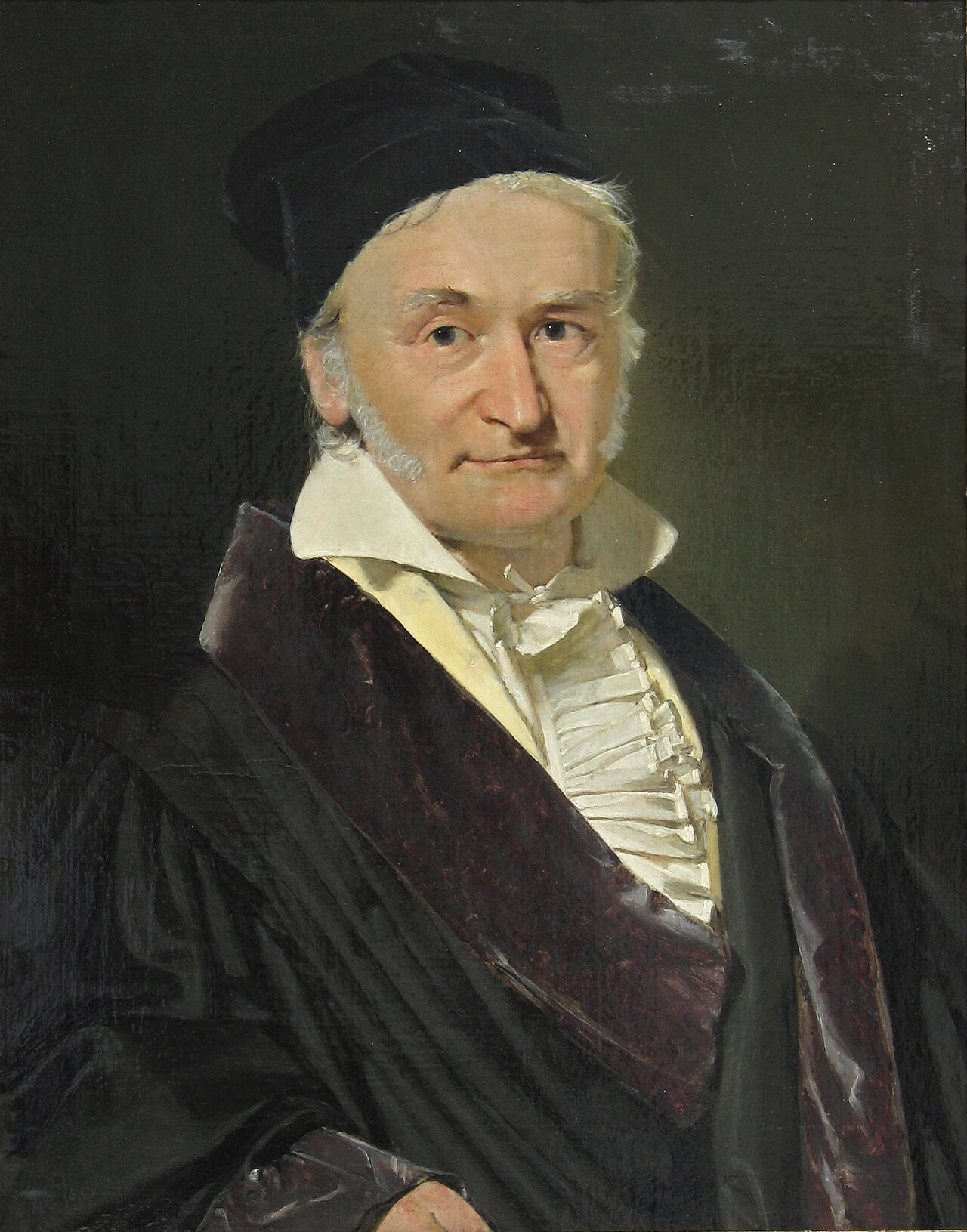
Portrait of Carl Friedrich Gauß
Christian Albrecht Jensen · 1840
 Book
Primary source
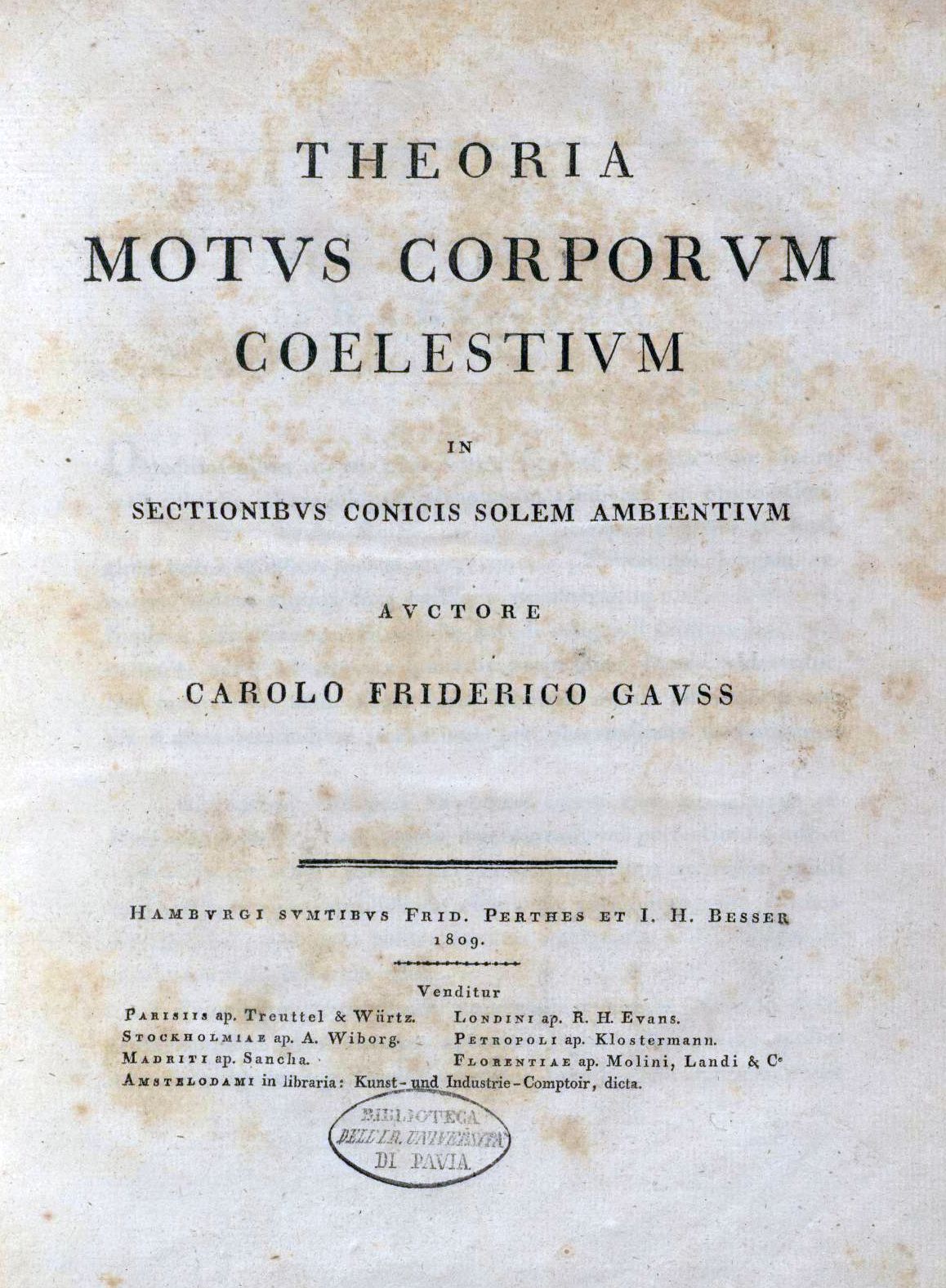
Theoria Motus Corporum Coelestium in Sectionibus Conicis Solem Ambientium
Carl Friedrich Gauss · 1809
 Book
Primary source
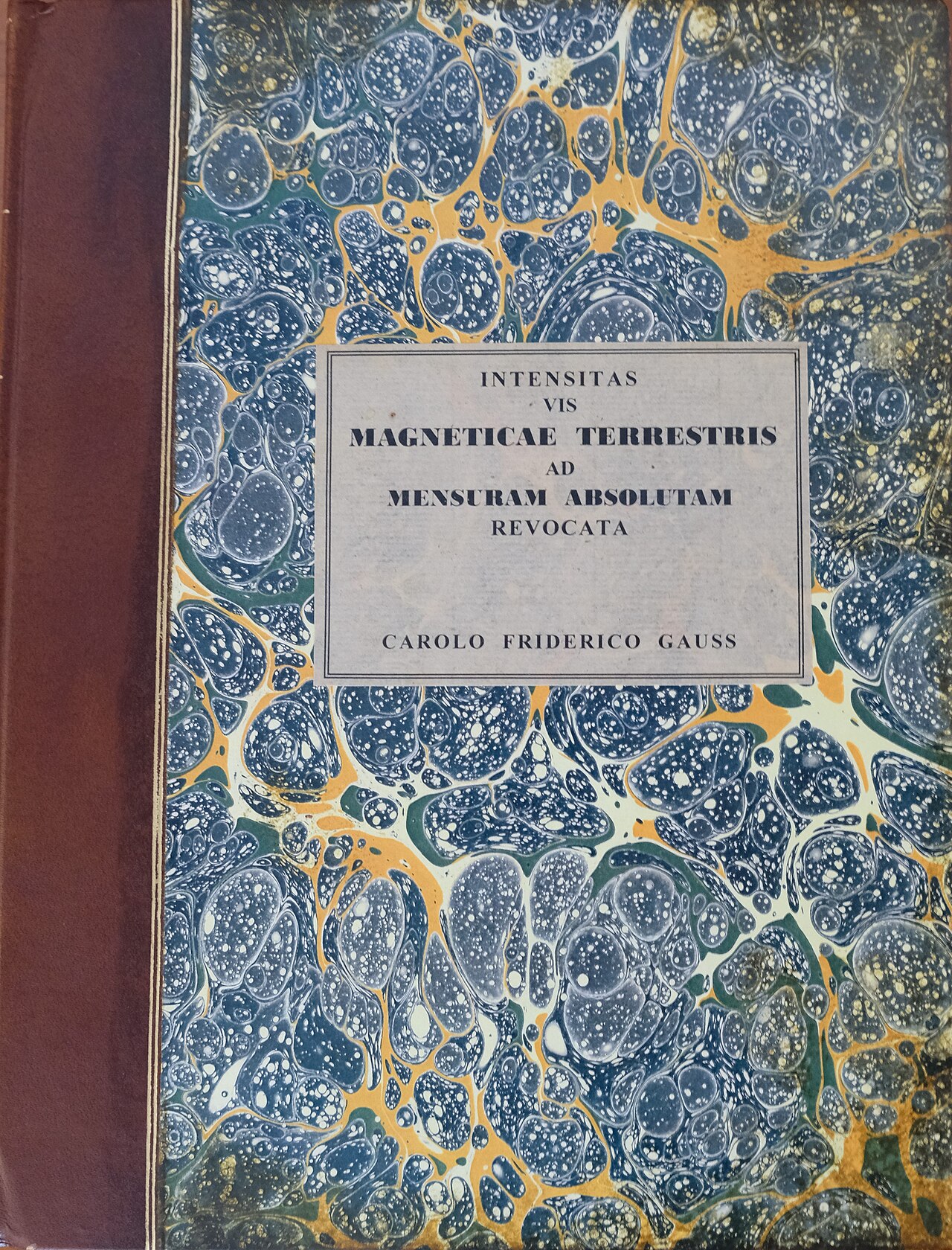
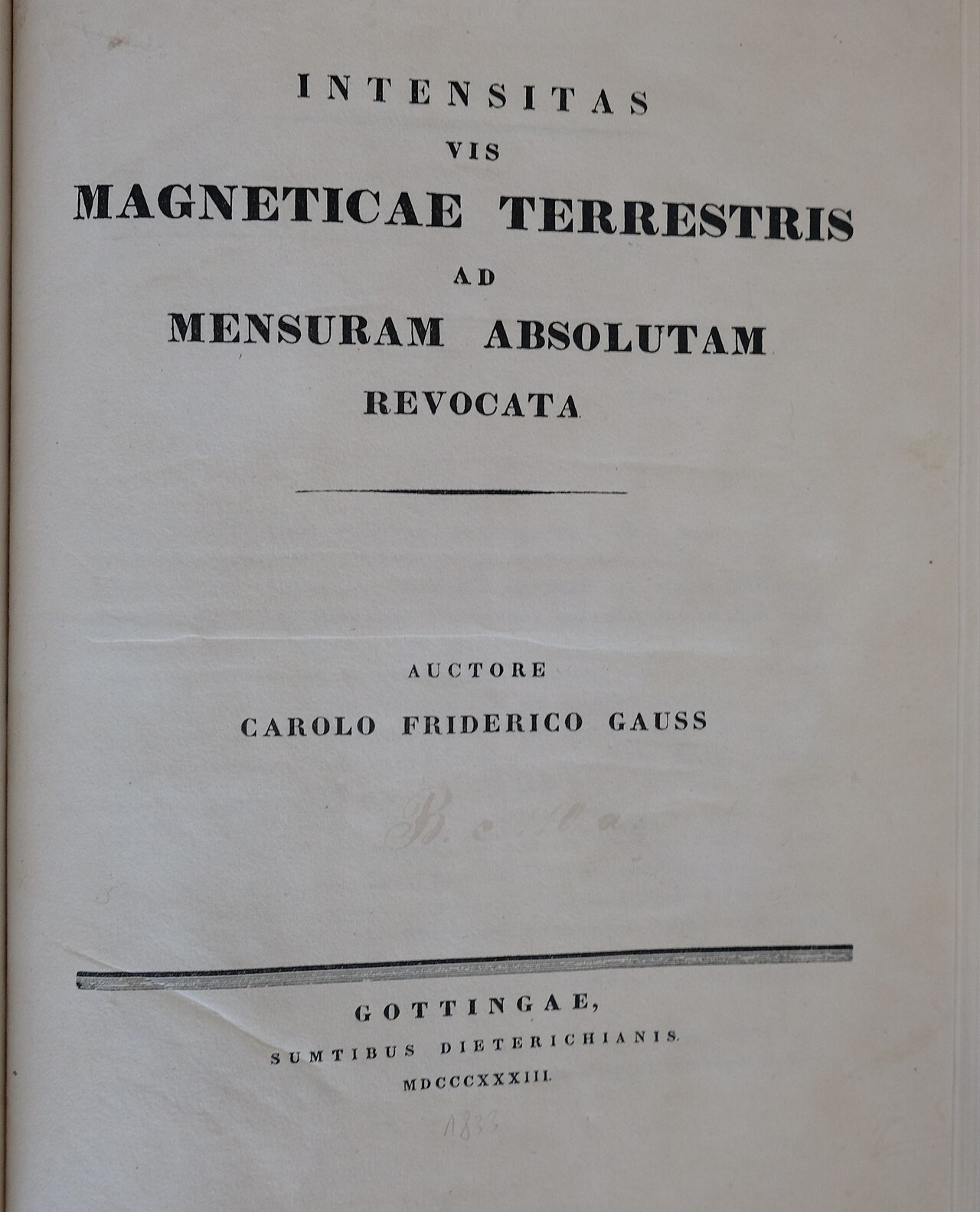
Intensitas vis magneticae terrestris ad mensuram absolutam revocata
Carl Friedrich Gauss · 1832 (read), published 1841
Free account
Browse every Carl Friedrich Gauss source
Sign up free →
Ready when you are
Start chatting with Carl Friedrich Gauss now.
20 messages free · No credit card · Available in 50+ languages.