


Primary sourceDocument30 May 1953
Genetical Implications of the Structure of Deoxyribonucleic Acid
James D. Watson and Francis Crick · 30 May 1953
The follow-up 1953 Nature paper by Watson and Crick explaining how DNA's structure allows genetic copying.
Watson co-authored this follow-up paper explaining the genetic implications of the DNA structure he helped discover.
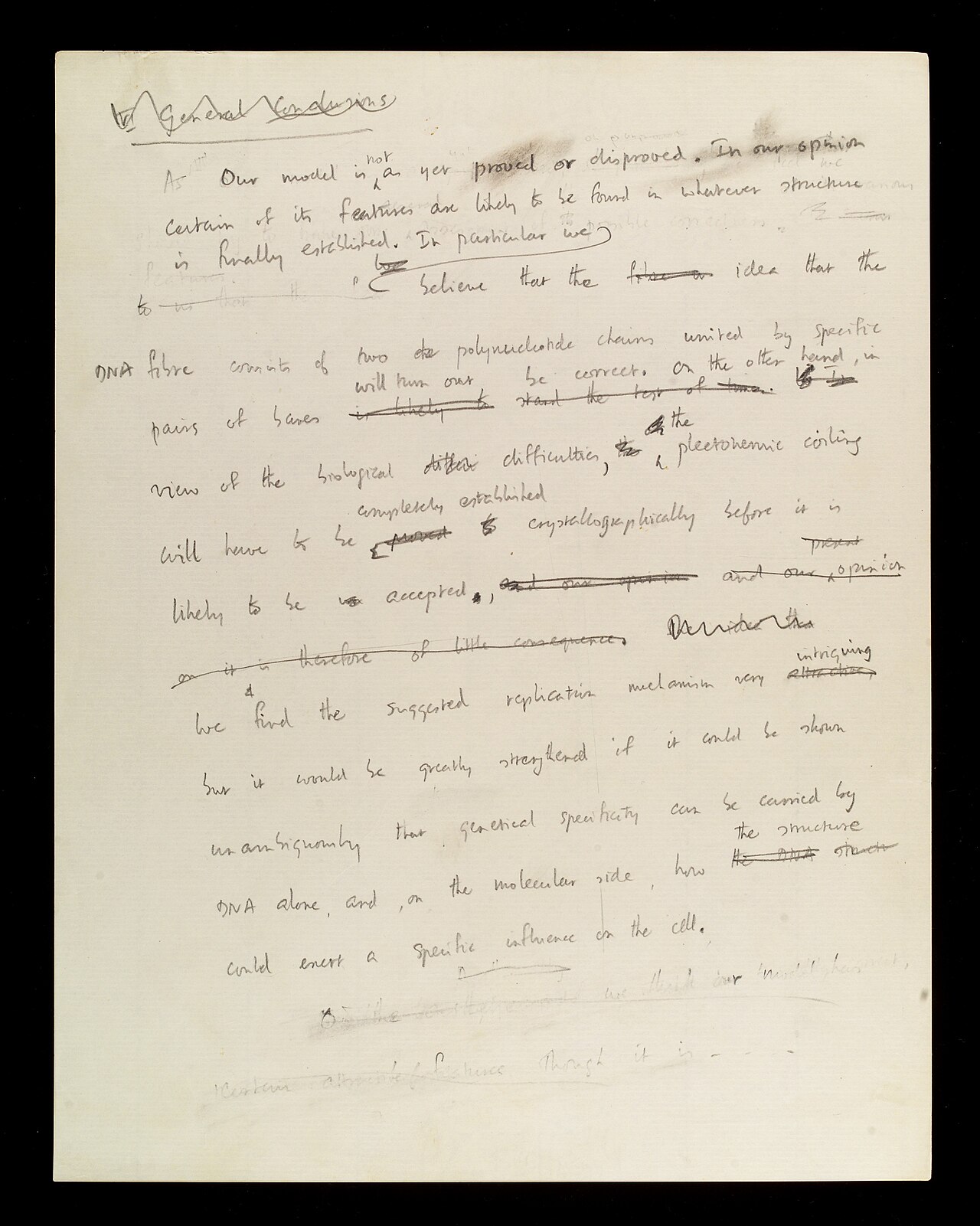
About this source
What it is
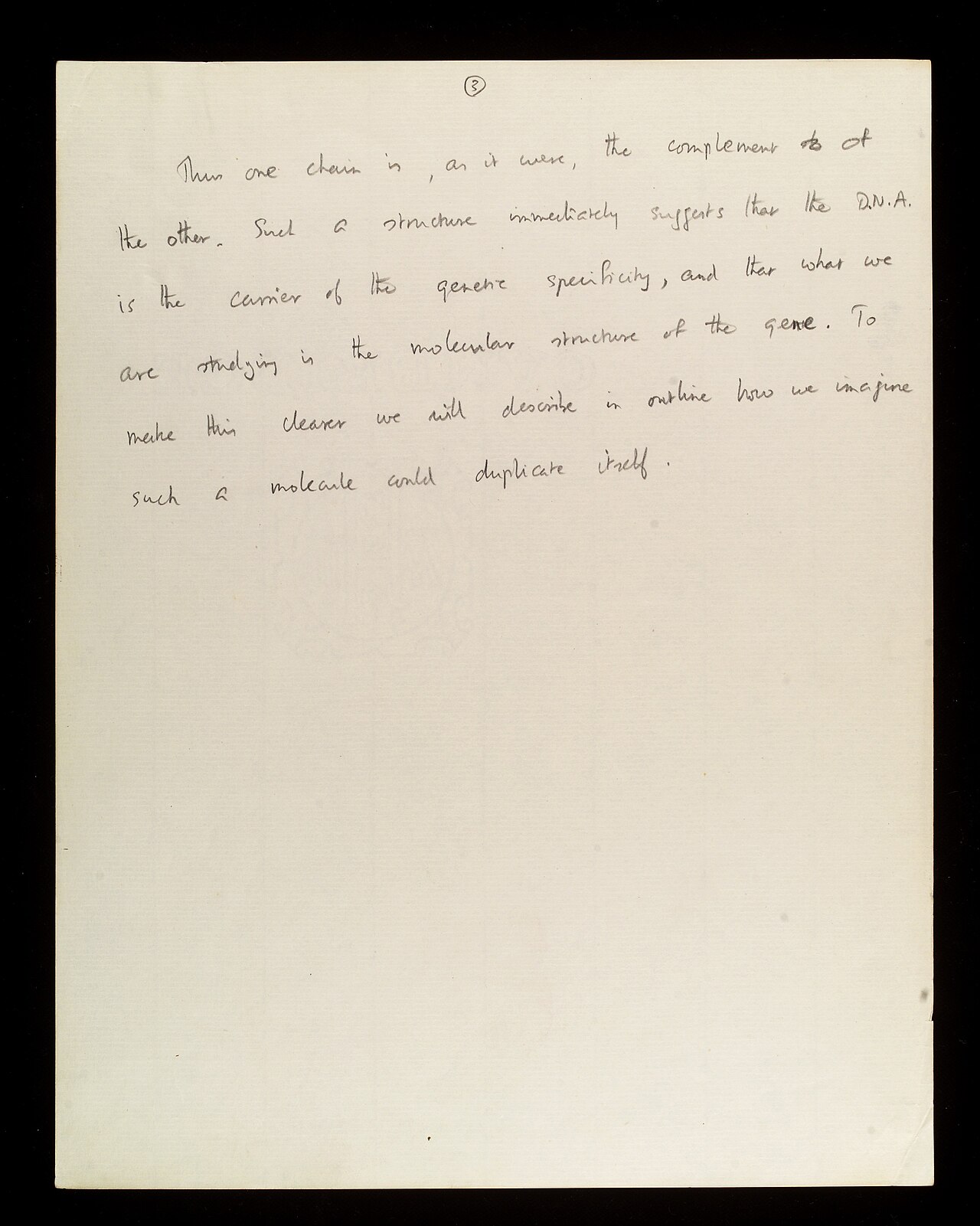
This is a scientific paper published in Nature in May 1953 by James Watson and Francis Crick. It followed their first DNA paper and set out the genetic consequences of the double helix structure, including how paired bases might allow DNA to be copied. The image shows a page from a handwritten draft of the paper, with pencil and ink revisions.
Why it matters
While the first paper described the shape of DNA, this one explained why that shape mattered: it suggested how genetic information could be passed from one generation to the next. The careful, cautious language in the draft shows two young scientists aware that their model was still unproven and open to challenge.
Look closer
- Why do the authors say their model is 'not as yet proved or disproved'?
- What crossed-out words or changes can you spot, and what might they tell you about how scientific writing develops?
- What questions do the authors say still need to be answered?
This document is part of the curated material that grounds the AI version of James Watson on Humy.ai — when students ask about related events, the AI can quote it and cite it.
More James Watson sources
Meet the AI James Watson →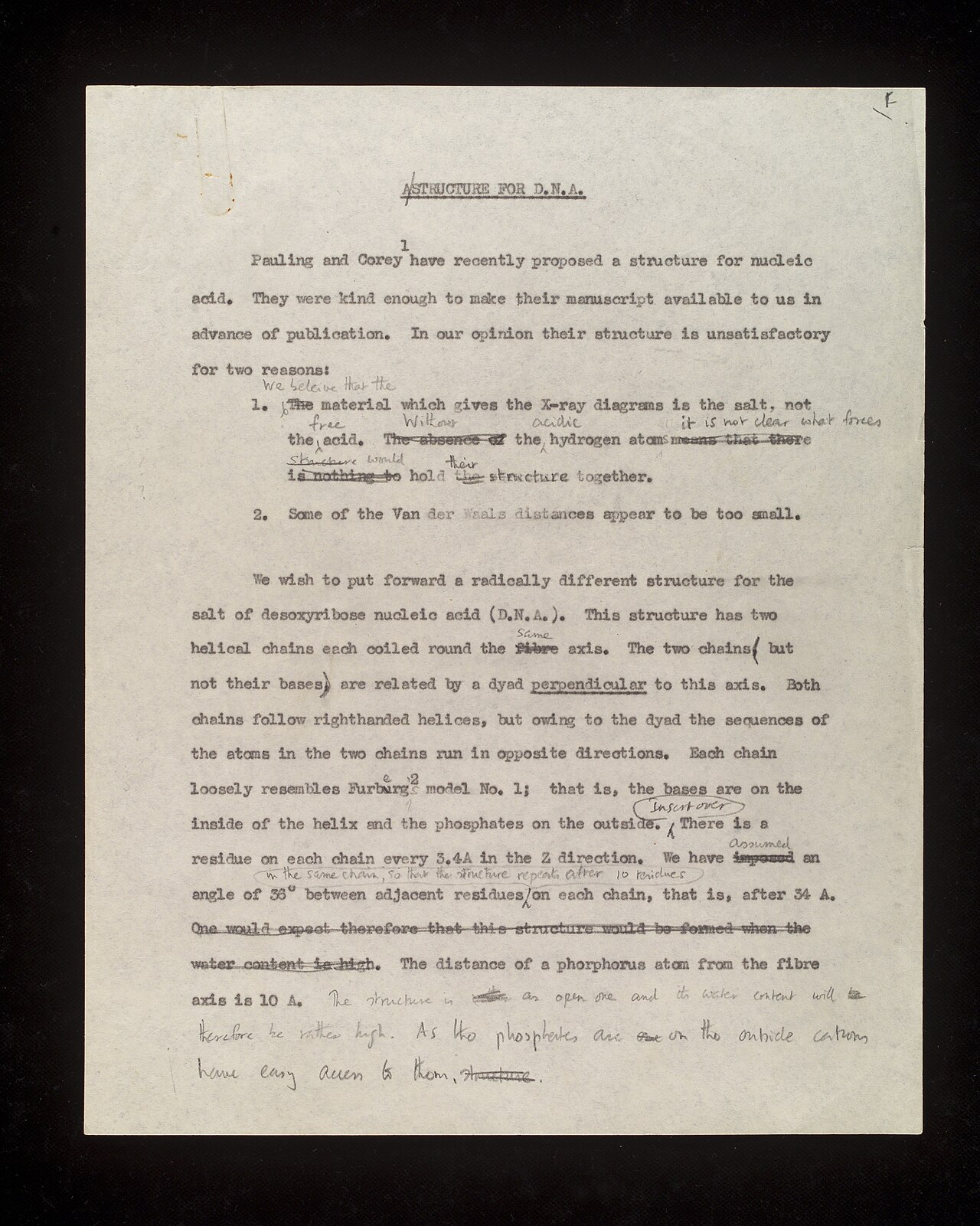 Document
Primary source
A Structure for Deoxyribonucleic Acid
James D. Watson and Francis Crick · 25 April 1953
 Photograph
Primary source
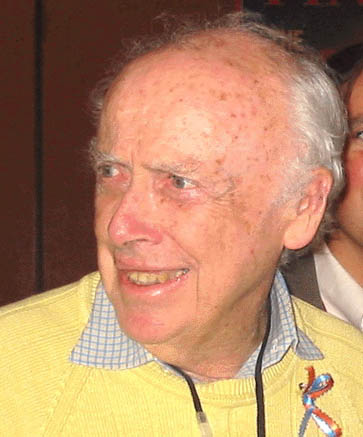
James Watson
Steve Jurvetson · 2003
 Photograph
Primary source
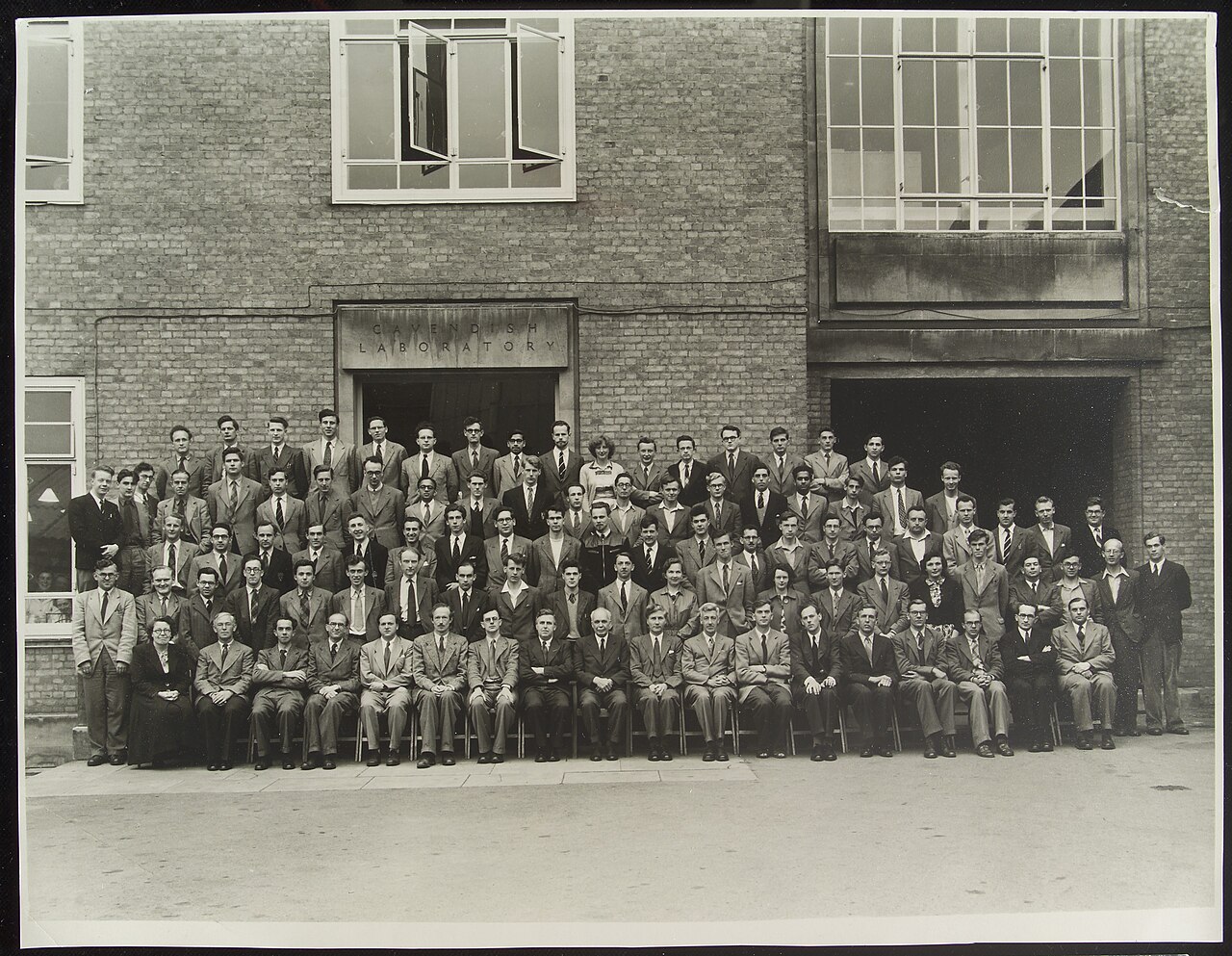
Physics Research Students, Cavendish Laboratory, 1952
June 1952
 Artifact
Primary source
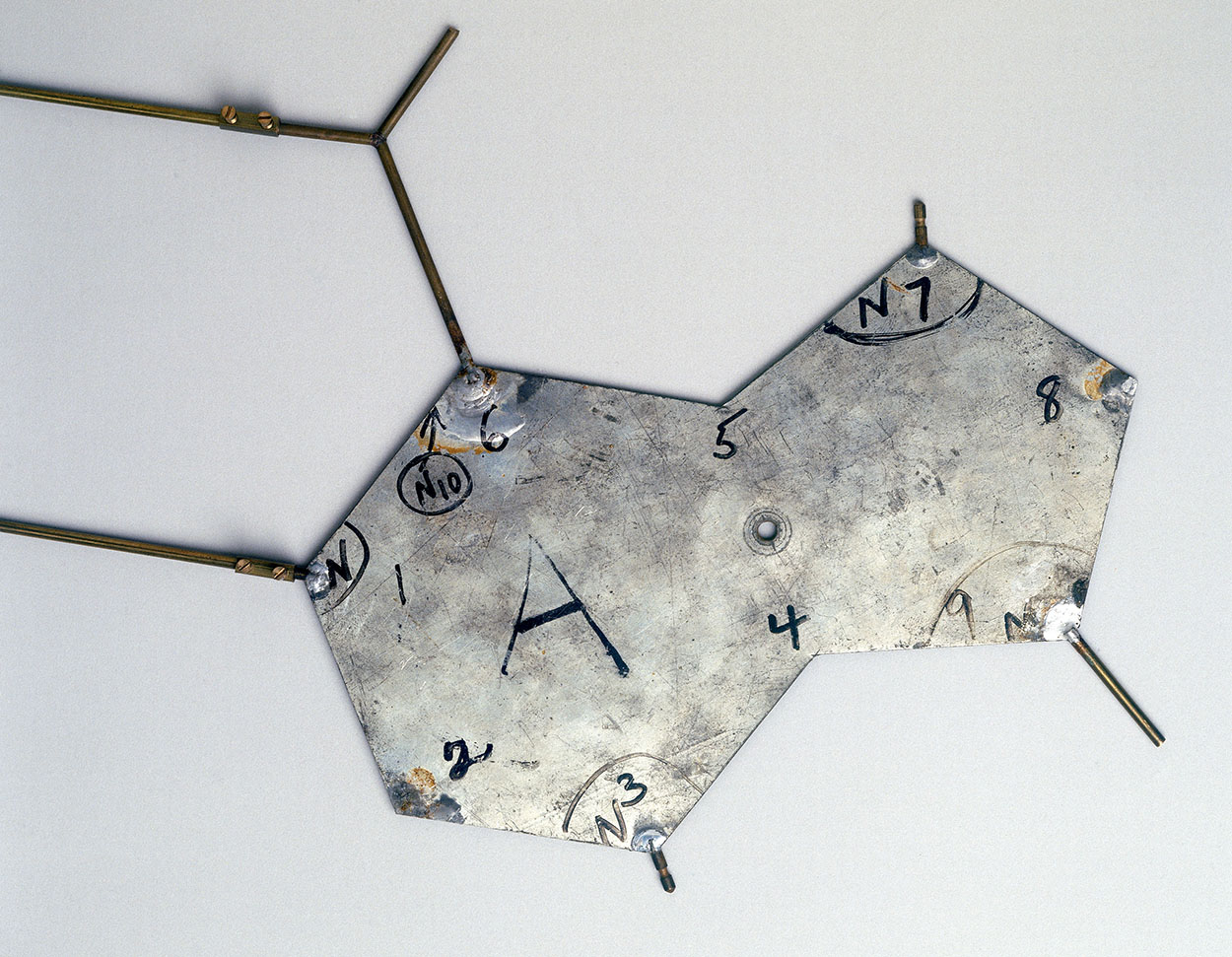
Thymine Template from the DNA Molecular Model
James Watson and Francis Crick · 1953
 Document
Primary source
Holograph Draft Page 3 of the Second Watson and Crick Paper
James Watson and Francis Crick · 1953
Ready when you are
Start chatting with James Watson now.
20 messages free · No credit card · Available in 50+ languages.