


Primary sourceArtifact1953
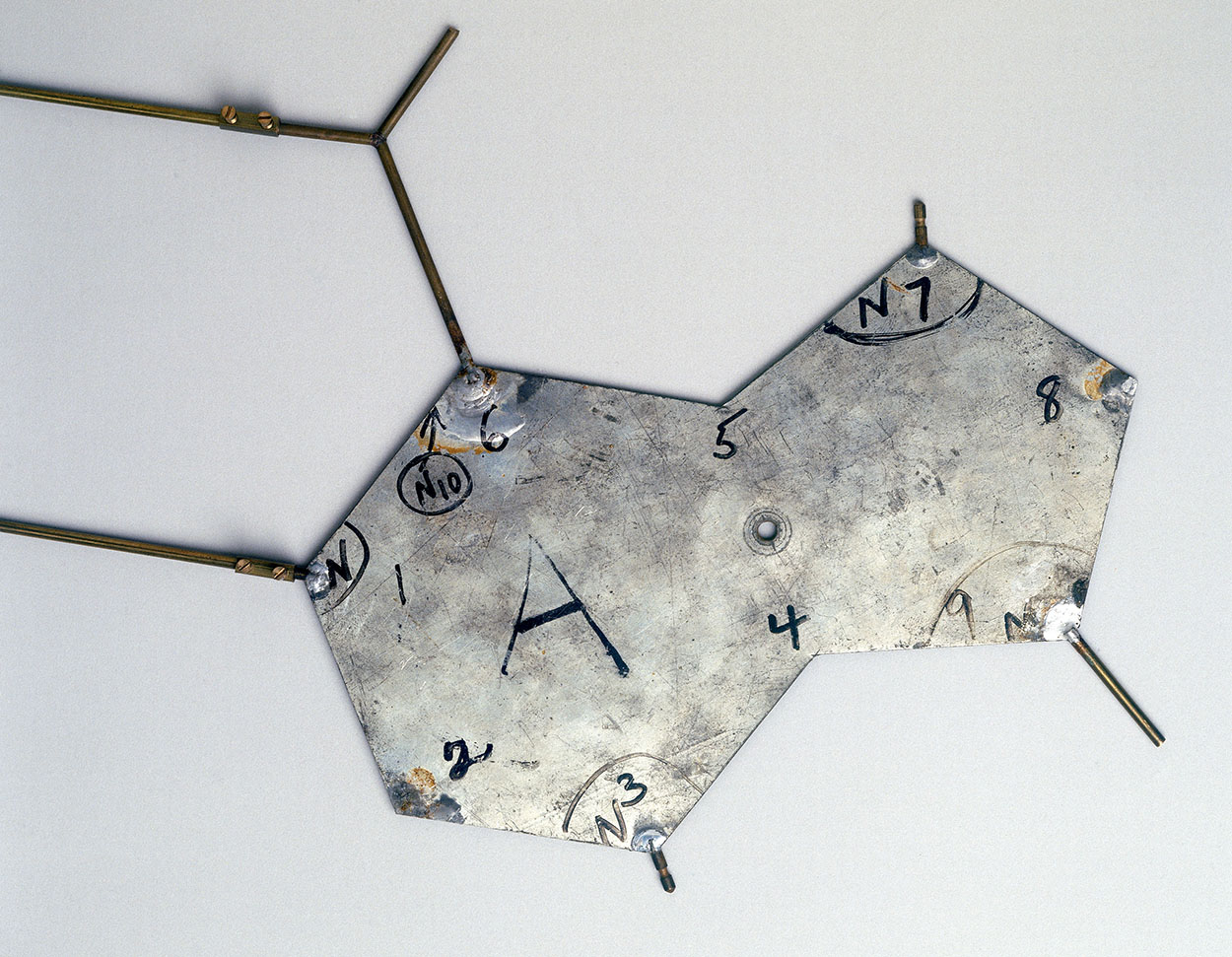
Thymine Template from the DNA Molecular Model
James Watson and Francis Crick · 1953
An aluminium template representing the base thymine, used by Watson and Crick to build their 1953 DNA model.
Watson used pieces like this template to physically build the DNA double helix model with Crick.
About this source
What it is
This is an aluminium template shaped to represent the chemical base thymine (T), one of the pieces used in James Watson and Francis Crick's physical model of DNA. It is marked with handwritten numbers and letters and has two brass rods attached. It is held by the Science Museum in London.
Why it matters
Watson and Crick built physical models from pieces like this to work out how the bases of DNA could fit together inside a double helix. The model drew on X-ray diffraction images of DNA made by Rosalind Franklin. This object shows that the famous discovery was not just theoretical but a hands-on, trial-and-error process of fitting shapes together.
Look closer
- Why might building a physical model have helped scientists understand DNA's structure better than drawings alone?
- What do the handwritten letters and numbers on the template suggest about how it was used?
- Whose earlier work made this model possible, and why is that important to know?
This artifact is part of the curated material that grounds the AI version of James Watson on Humy.ai — when students ask about related events, the AI can quote it and cite it.
More James Watson sources
Meet the AI James Watson →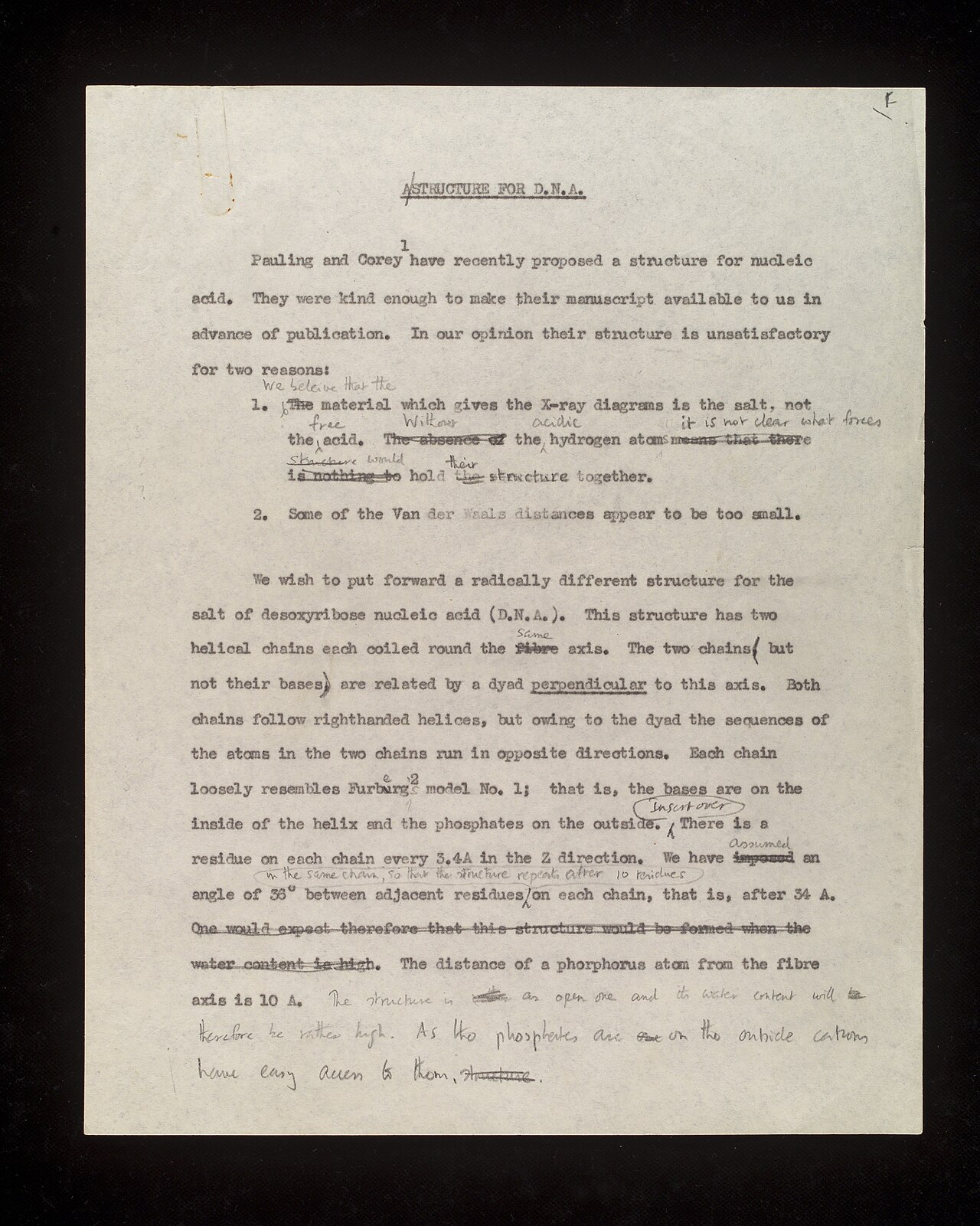 Document
Primary source
A Structure for Deoxyribonucleic Acid
James D. Watson and Francis Crick · 25 April 1953
 Photograph
Primary source
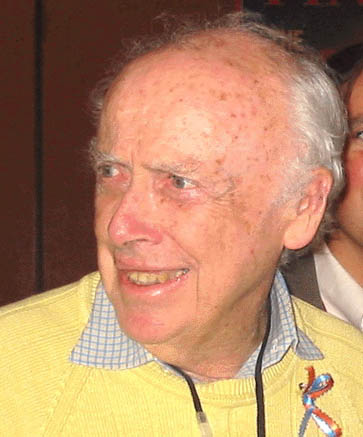
James Watson
Steve Jurvetson · 2003
 Document
Primary source
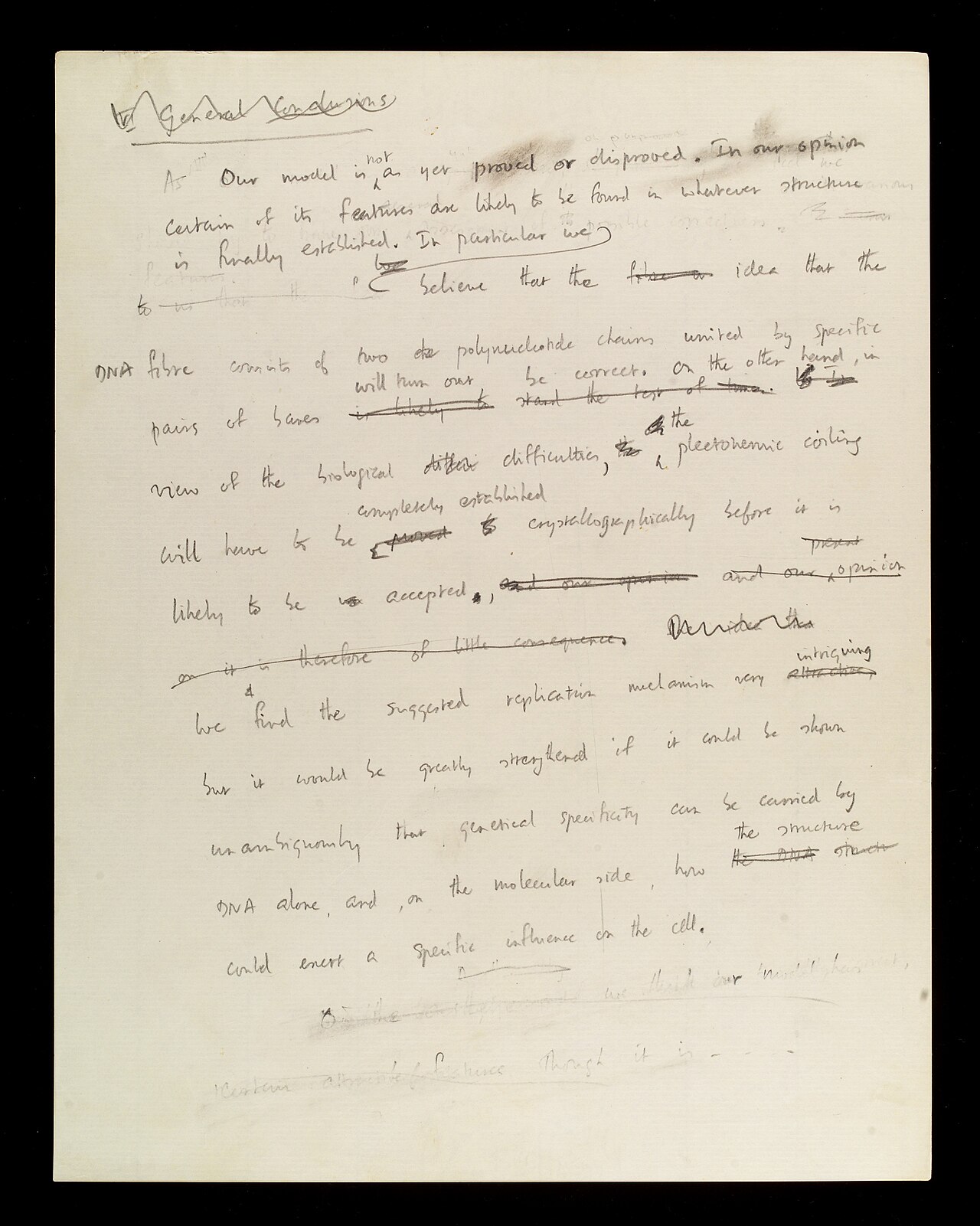
Genetical Implications of the Structure of Deoxyribonucleic Acid
James D. Watson and Francis Crick · 30 May 1953
 Photograph
Primary source
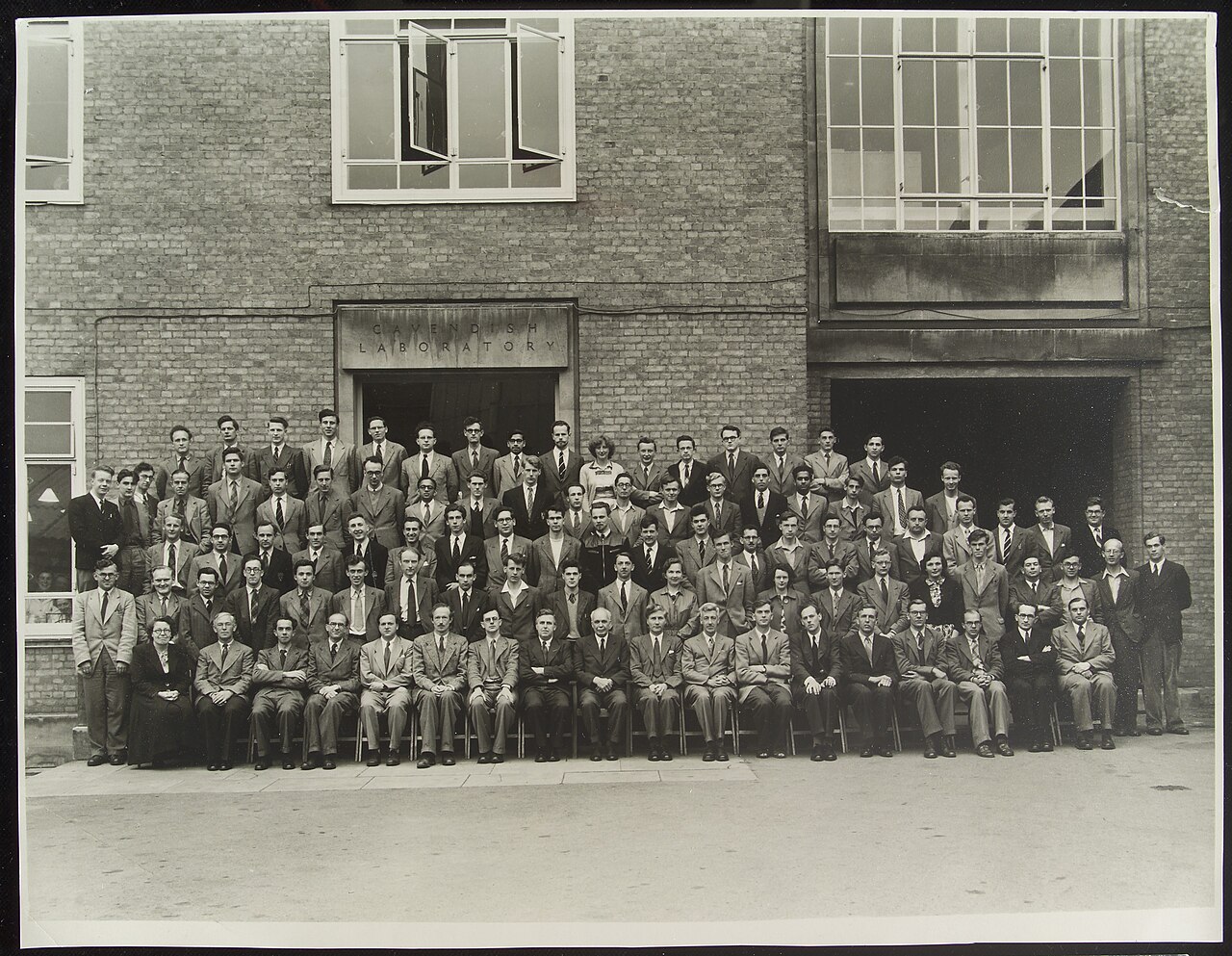
Physics Research Students, Cavendish Laboratory, 1952
June 1952
 Document
Primary source
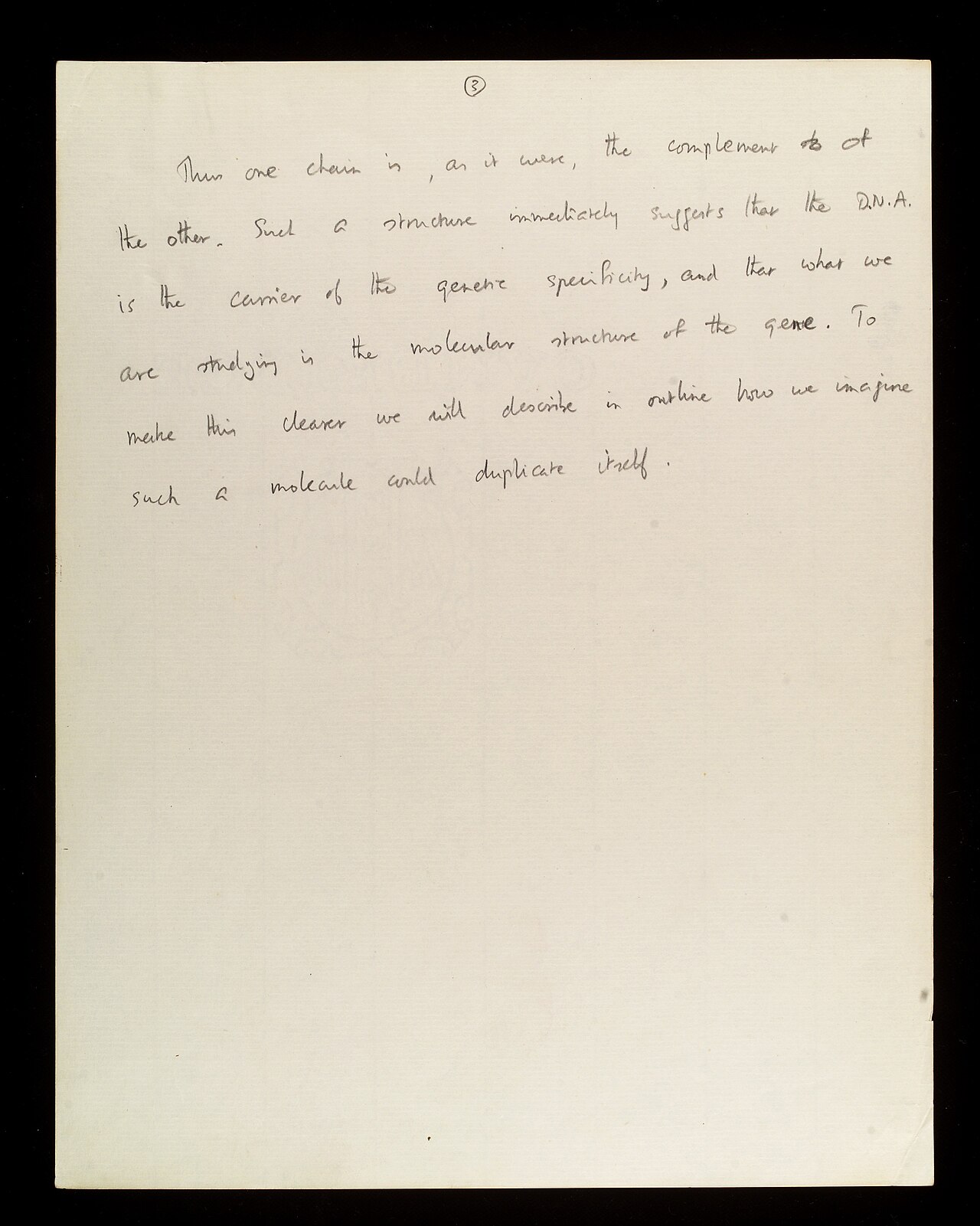
Holograph Draft Page 3 of the Second Watson and Crick Paper
James Watson and Francis Crick · 1953
Ready when you are
Start chatting with James Watson now.
20 messages free · No credit card · Available in 50+ languages.