


Secondary sourcePaintingc. 1430
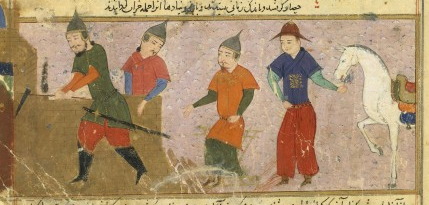
Genghis Khan and Sons at the Destruction of Laybalki
Rashid al-Din Fazlullah (text) · c. 1430
A fifteenth-century Persian manuscript illumination showing Genghis Khan with three of his sons during the campaign against the Tangut kingdom.
Shows Genghis Khan with his sons during the Tangut campaign, illustrating his role as conqueror and father of heirs.
About this source
What it is
This illumination comes from a manuscript of Rashid al-Din's Jami' al-tawarikh, made around 1430 in Herat, Afghanistan, roughly two centuries after Genghis Khan's death. It depicts Genghis Khan and three of his four sons at the destruction of a Tangut stronghold, possibly Laybalki.
Why it matters
The image reflects how later Persian historians and artists retold the Mongol conquests, including the campaign against the Tangut kingdom (Xi Xia). It shows both the destructive nature of Mongol campaigns and how such events were remembered and visualized generations later.
Look closer
- What is happening at the fortified wall, and what might it represent?
- Why do you think the artist included Genghis Khan's sons in this scene?
- How might a painting made 200 years later differ from an eyewitness account?
This painting is part of the curated material that grounds the AI version of Genghis Khan on Humy.ai — when students ask about related events, the AI can quote it and cite it.
More Genghis Khan sources
Meet the AI Genghis Khan →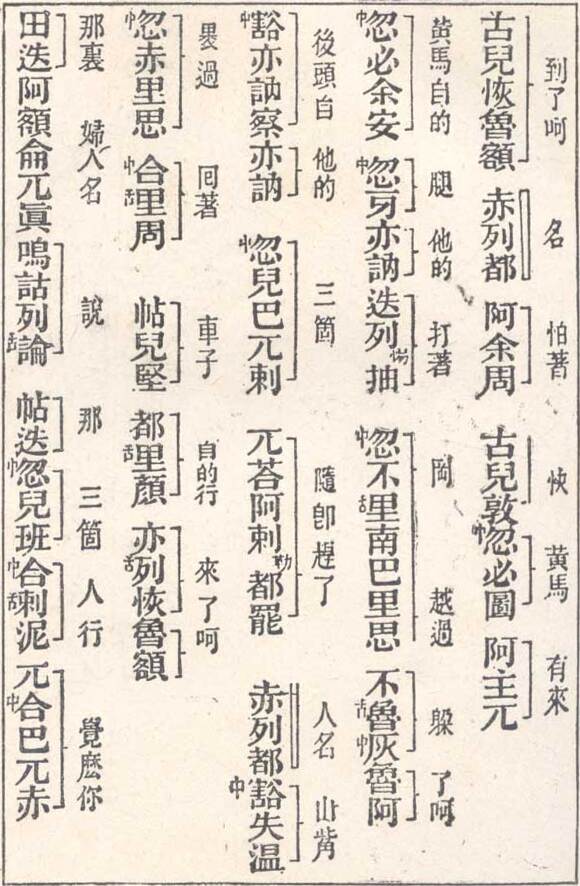 Book
Secondary source
The Secret History of the Mongols
c. 1228 (completed after 1227)
 Painting
Secondary source
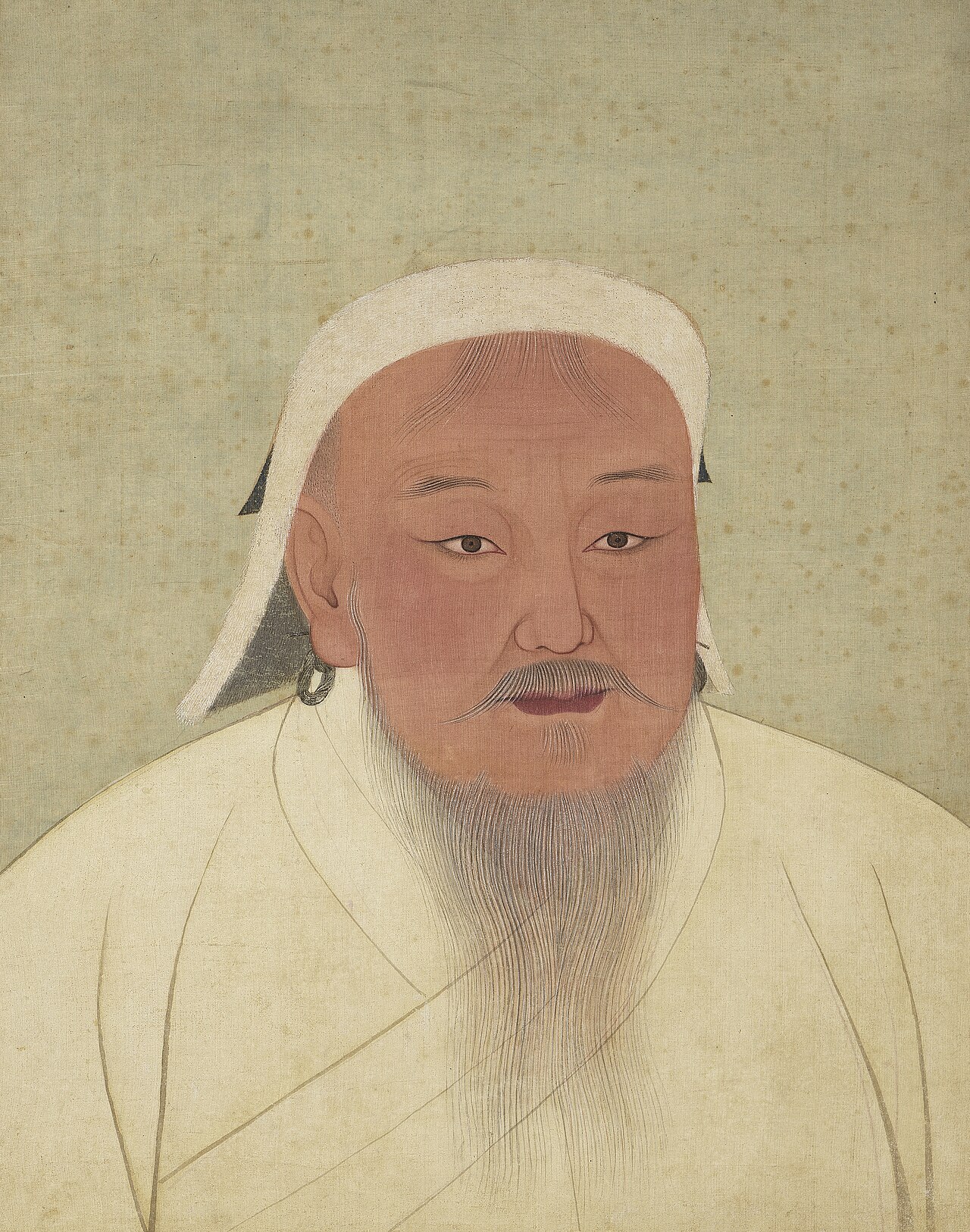
Portrait of Genghis Khan
Unknown Yuan court painter
 Book
Secondary source
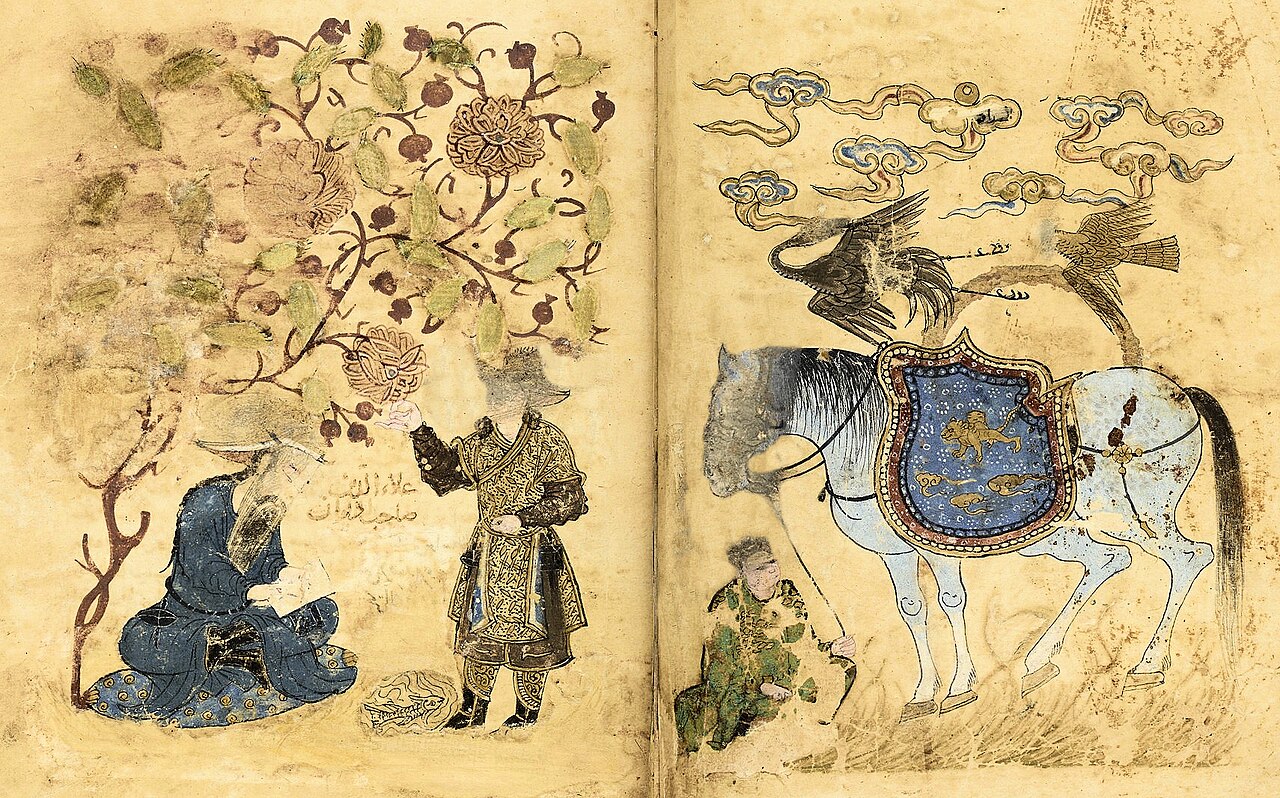
Tarikh-i Jahangushay-i Juvaini
Ata-Malik Juvayni
 Book
Secondary source
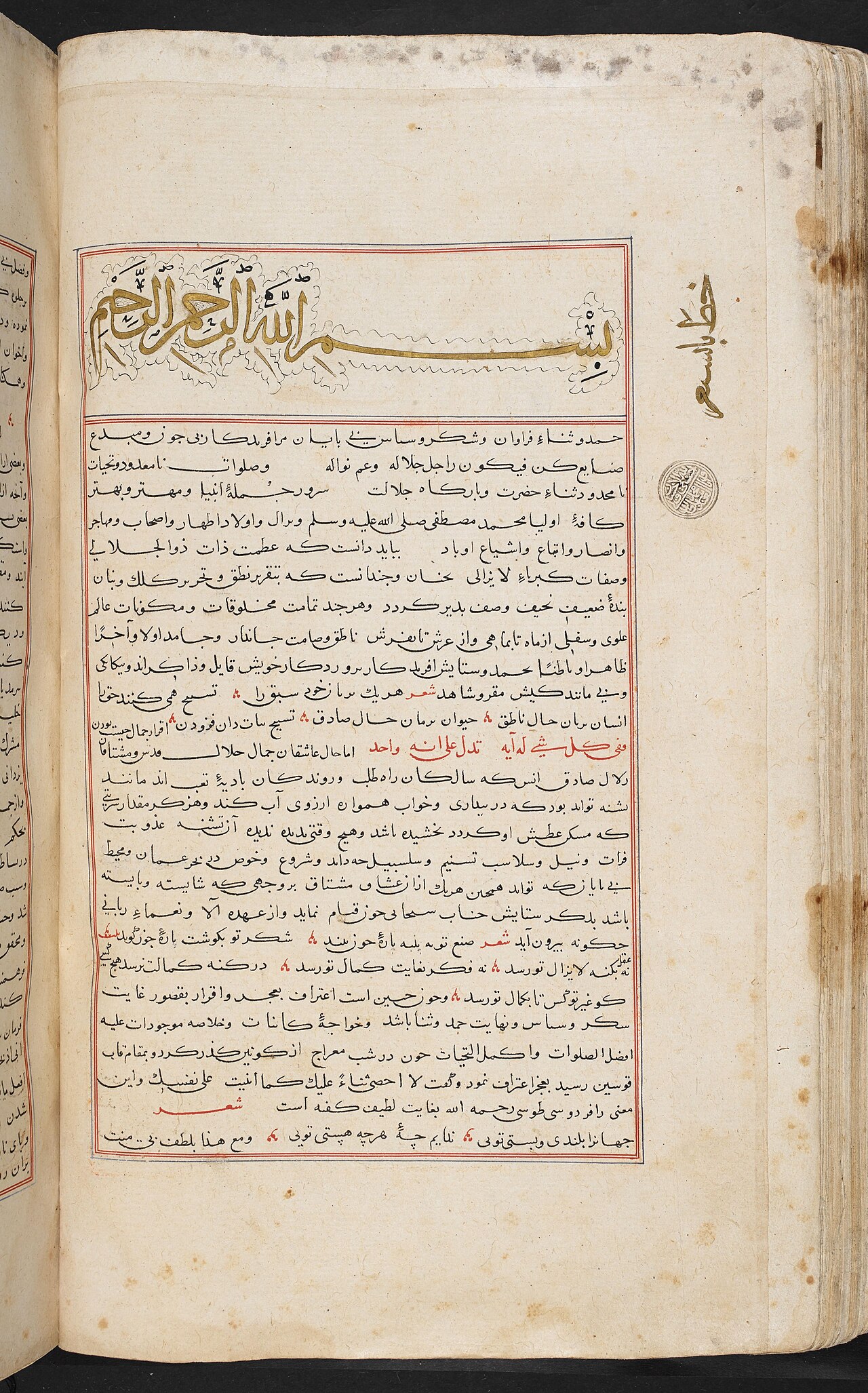
Jami' al-tawarikh
Rashid al-Din Hamadani · c. 1400 (manuscript copy)
 Artifact
Primary source
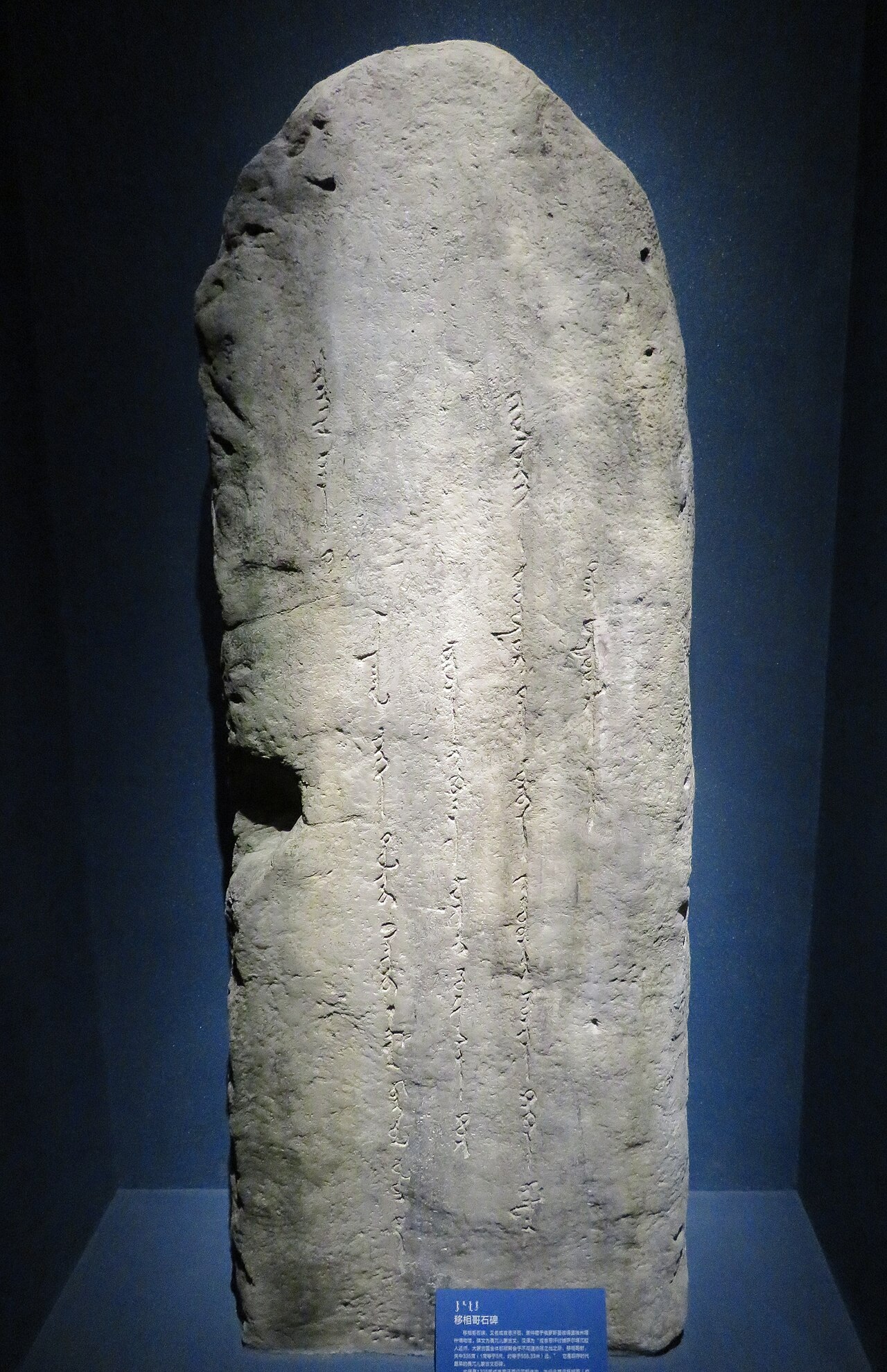
Stele of Genghis Khan
c. 1224-1225
Ready when you are
Start chatting with Genghis Khan now.
20 messages free · No credit card · Available in 50+ languages.