


Secondary sourcePainting1430
Genghis Khan and Wang Khan
Sayf al-Vâhidî · 1430
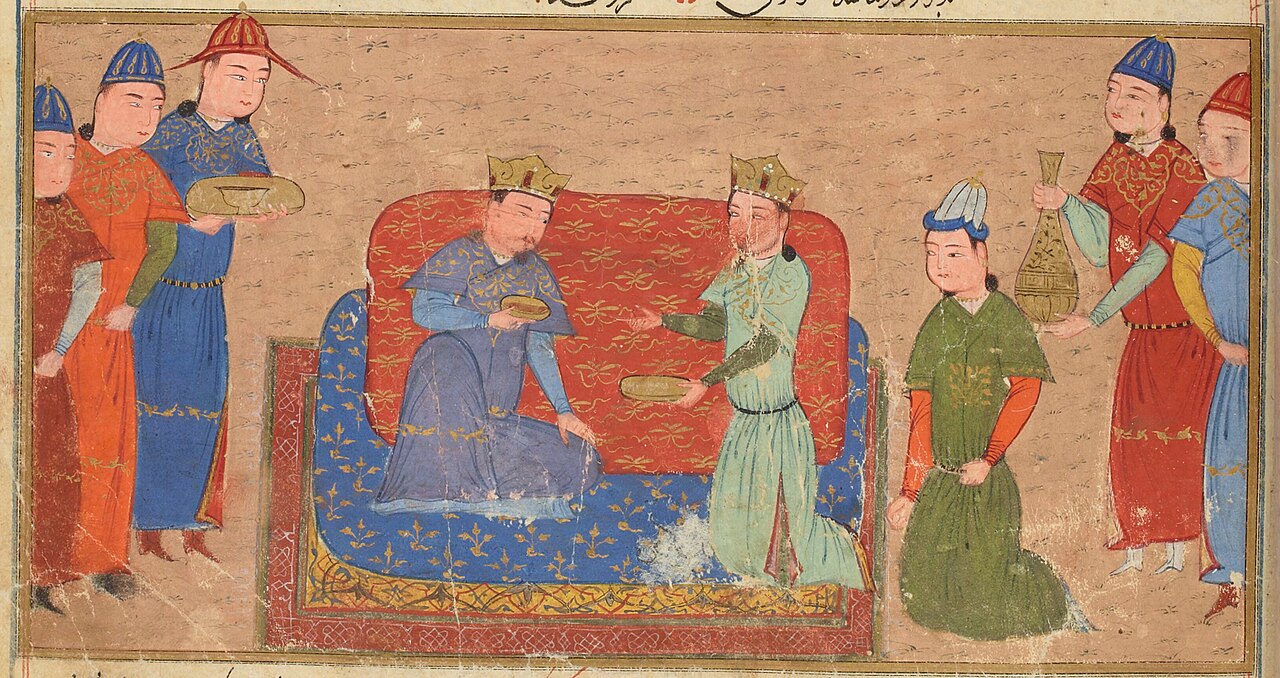
A 15th-century Persian manuscript painting showing Genghis Khan seated with his ally-turned-rival Wang Khan.
This later Persian manuscript painting depicts Genghis Khan seated with Wang Khan, illustrating a key alliance and rivalry in his rise to power.
About this source
What it is
This is a miniature painting from the Jami' al-tawarikh, a history written by Rashid al-Din. The illustration was made around 1430 in Herat, Afghanistan, long after Genghis Khan's death, and shows him seated alongside Wang Khan (Toghrul), a Mongol leader who was first his ally and later his rival.
Why it matters
This painting reflects how Persian historians and artists depicted Genghis Khan two centuries after he lived, based on written accounts rather than firsthand observation. It reveals how his complicated alliances, including his relationship with Wang Khan, were remembered and visually recorded in the Islamic world.
Look closer
- What does the formal, decorative style of this painting suggest about how the artist viewed these rulers?
- Since this was painted centuries after Genghis Khan died, what might the artist have gotten wrong or added from imagination?
- What might the attendants and objects surrounding the two rulers tell us about court life at the time?
This painting is part of the curated material that grounds the AI version of Genghis Khan on Humy.ai — when students ask about related events, the AI can quote it and cite it.
More Genghis Khan sources
Meet the AI Genghis Khan →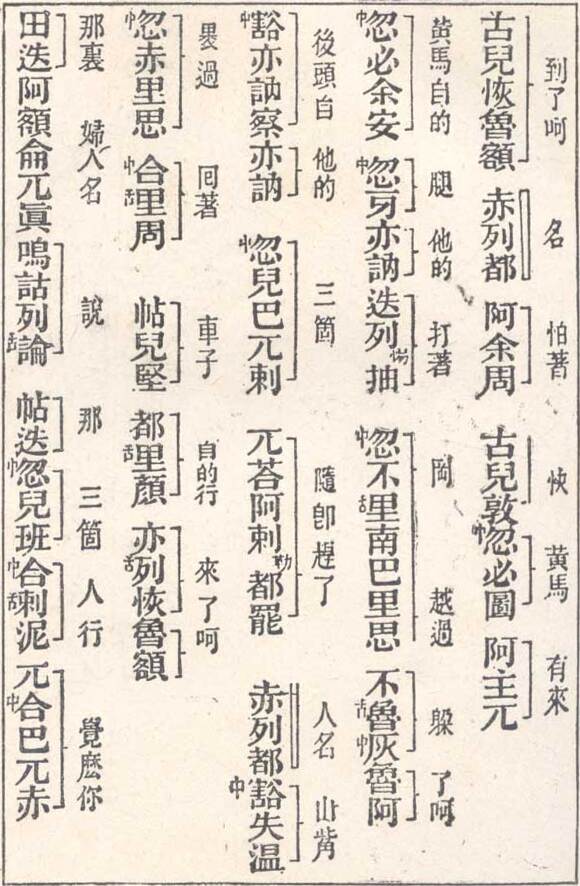 Book
Secondary source
The Secret History of the Mongols
c. 1228 (completed after 1227)
 Painting
Secondary source
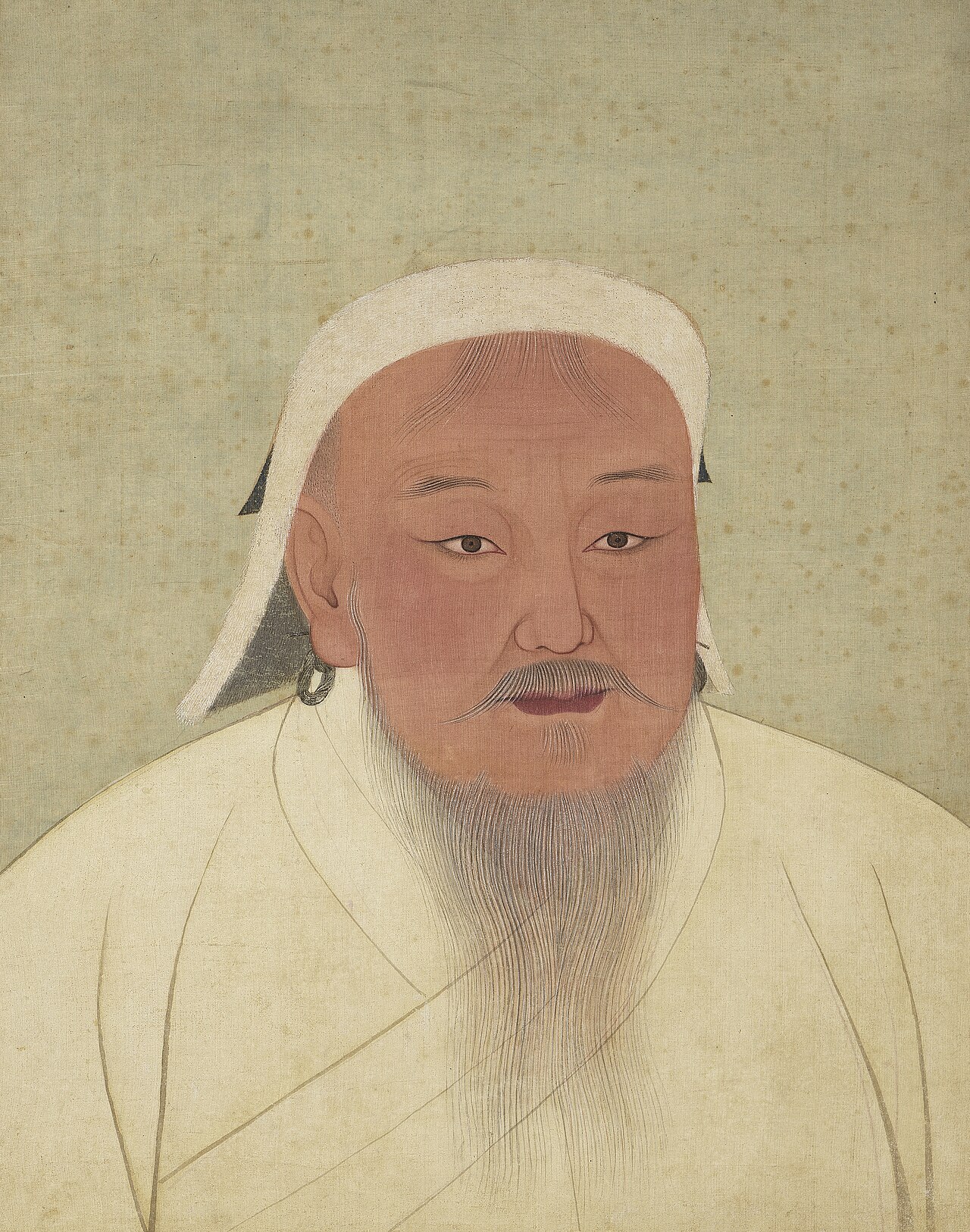
Portrait of Genghis Khan
Unknown Yuan court painter
 Book
Secondary source
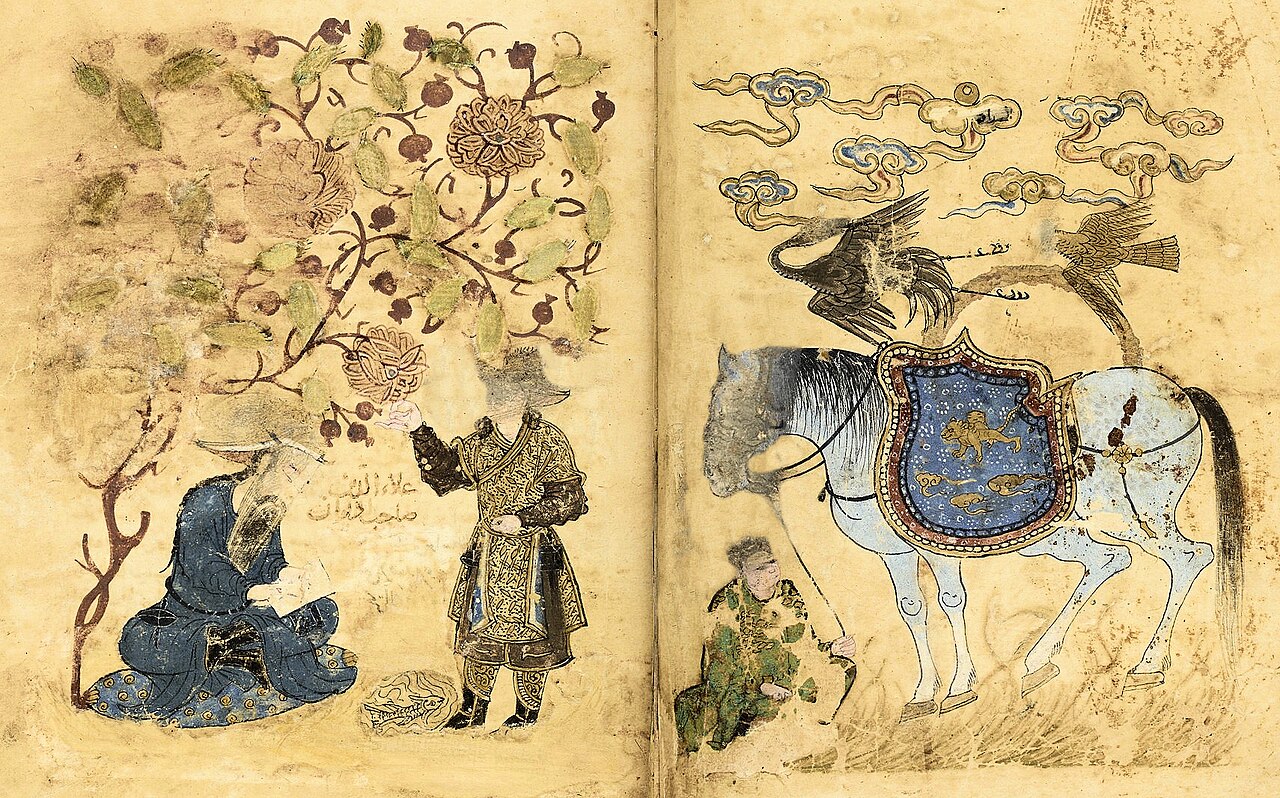
Tarikh-i Jahangushay-i Juvaini
Ata-Malik Juvayni
 Book
Secondary source
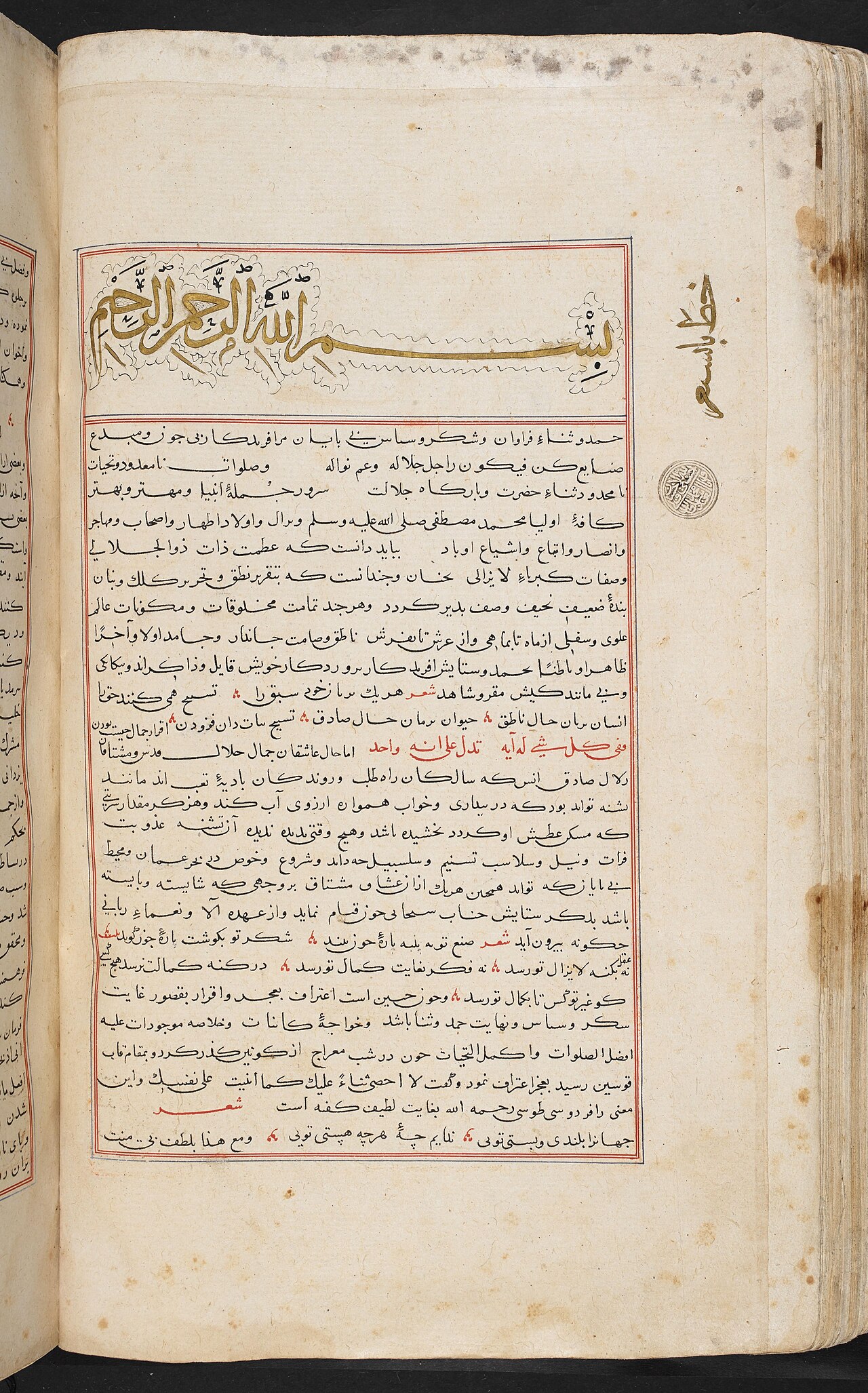
Jami' al-tawarikh
Rashid al-Din Hamadani · c. 1400 (manuscript copy)
 Artifact
Primary source
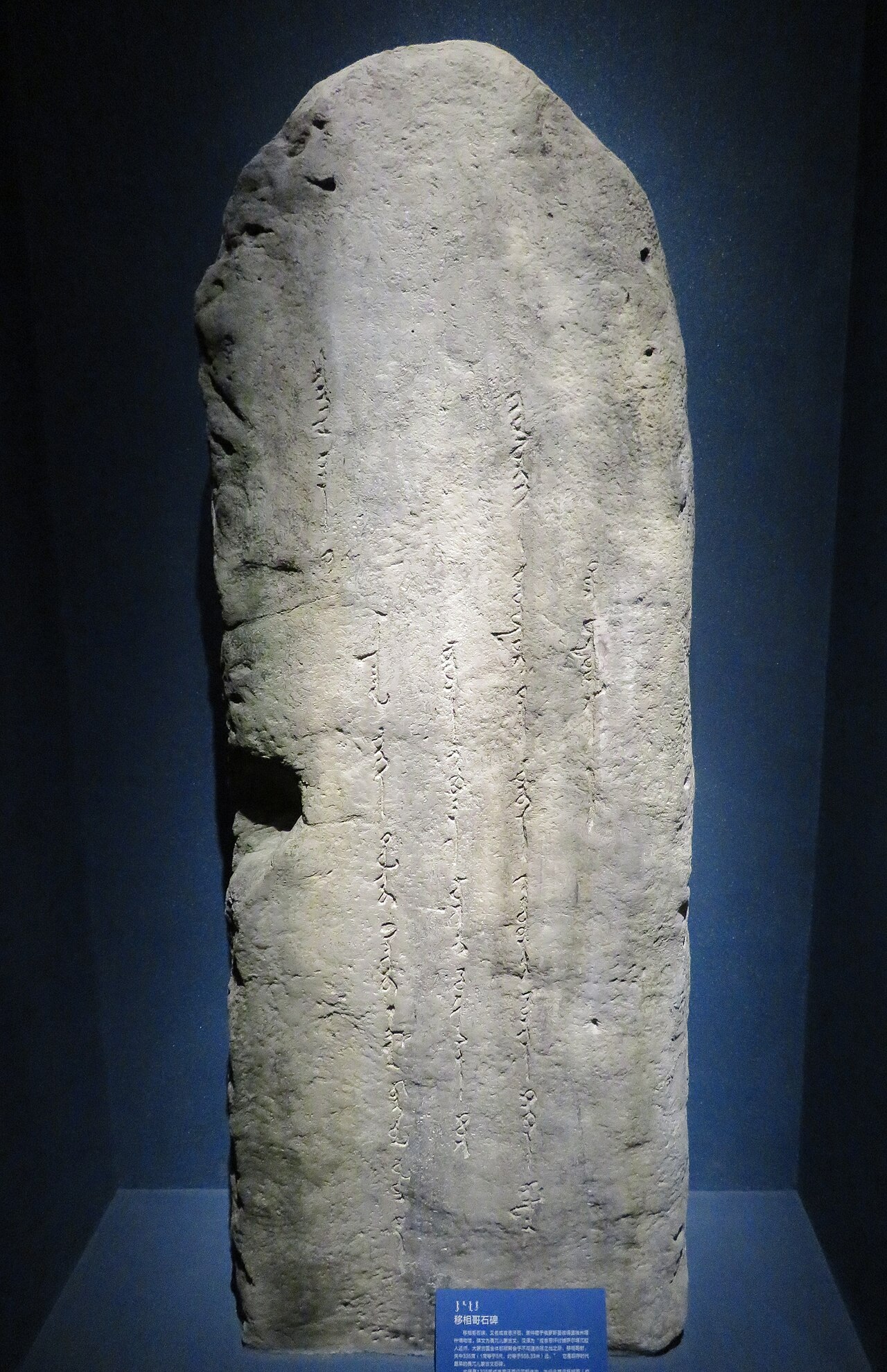
Stele of Genghis Khan
c. 1224-1225
Ready when you are
Start chatting with Genghis Khan now.
20 messages free · No credit card · Available in 50+ languages.