


Secondary sourcePaintingc. 1430
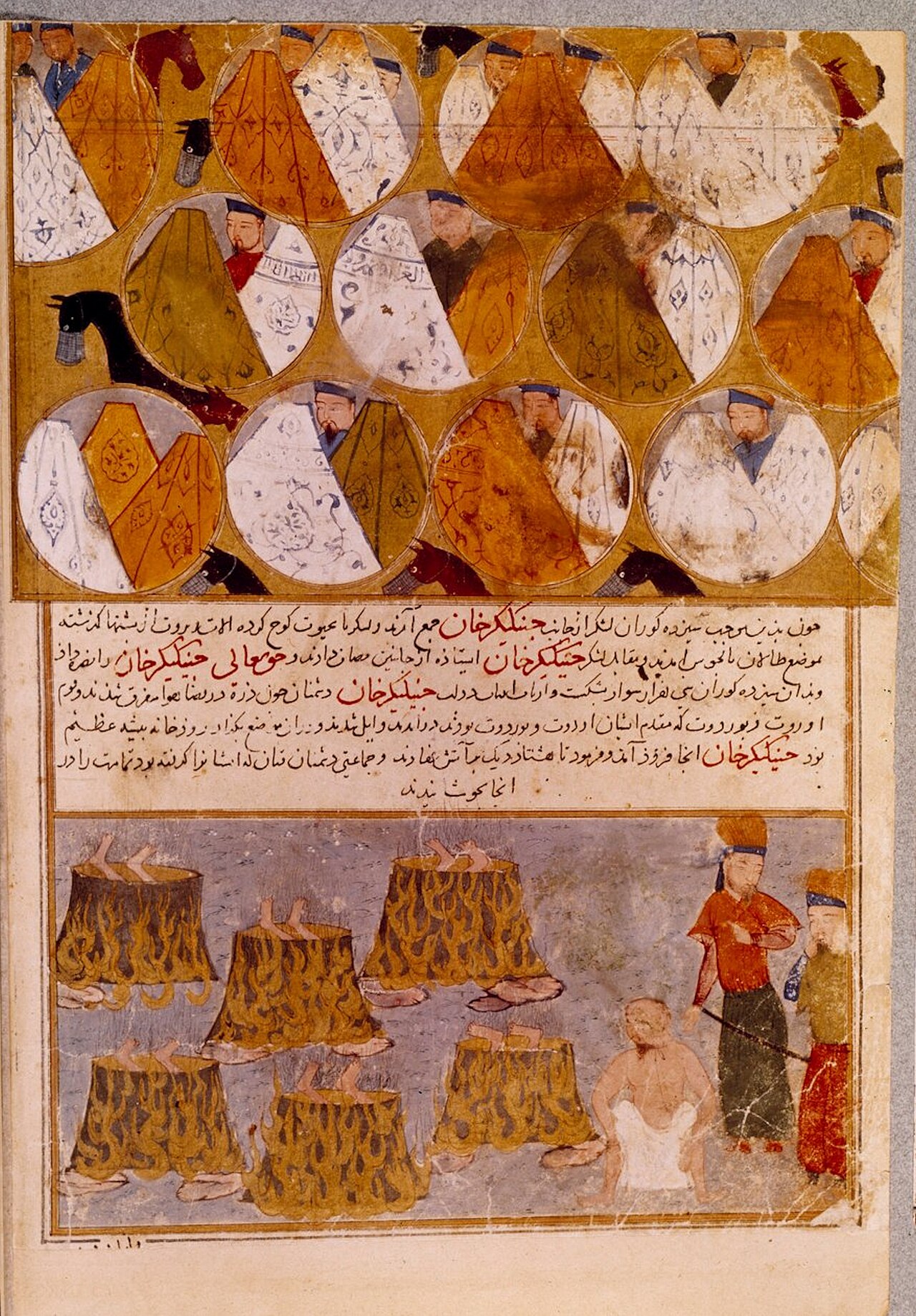
Genghis Khan Has Prisoners Thrown into Cauldrons
Rashid al-Din (workshop) · c. 1430
A Persian manuscript painting showing the execution of followers of the Mongol chief Jamukha by boiling, ordered by Genghis Khan.
Shows Genghis Khan ordering the execution of rival Jamukha's followers, illustrating the violence of his rise to power.
About this source
What it is
This miniature from Rashid al-Din's Jami al-Tawarikh, painted around 1430, shows Mongol tents above and, below, cauldrons over fire with prisoners being executed. The caption identifies the scene as the execution of followers of Jamukha, a rival Mongol leader of the Jadjirat tribe, on the orders of Genghis Khan.
Why it matters
Genghis Khan's rise involved brutal struggles with rival Mongol clans, including his former ally and rival Jamukha. This image, created generations later by Persian artists, reflects how such violent episodes were remembered and recorded as part of his history, and reveals the harshness of Mongol-era power struggles.
Look closer
- Why do you think the artist placed calm tent scenes above the violent execution below?
- What might this image tell us about how rivals and traitors were treated in Mongol society?
- How might this scene be read differently by a Mongol audience versus a Persian one?
This painting is part of the curated material that grounds the AI version of Genghis Khan on Humy.ai — when students ask about related events, the AI can quote it and cite it.
More Genghis Khan sources
Meet the AI Genghis Khan →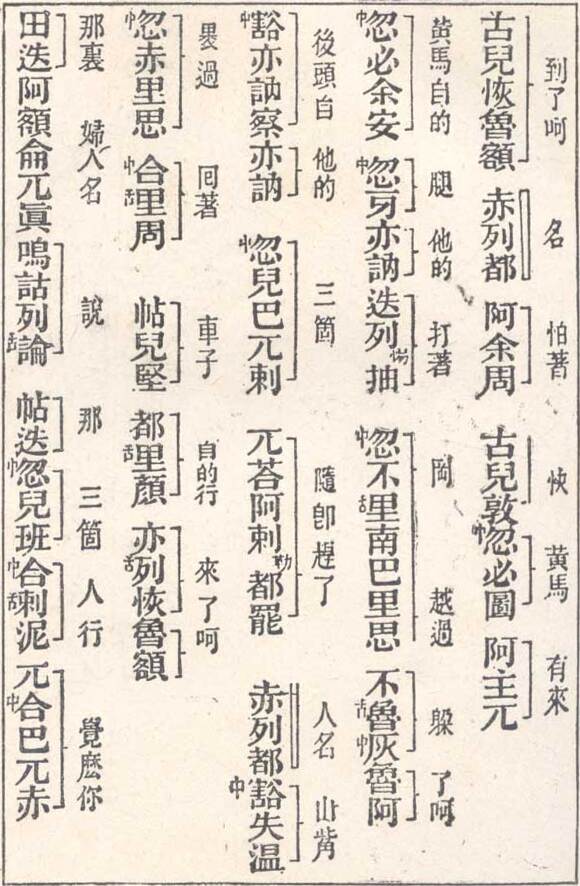 Book
Secondary source
The Secret History of the Mongols
c. 1228 (completed after 1227)
 Painting
Secondary source
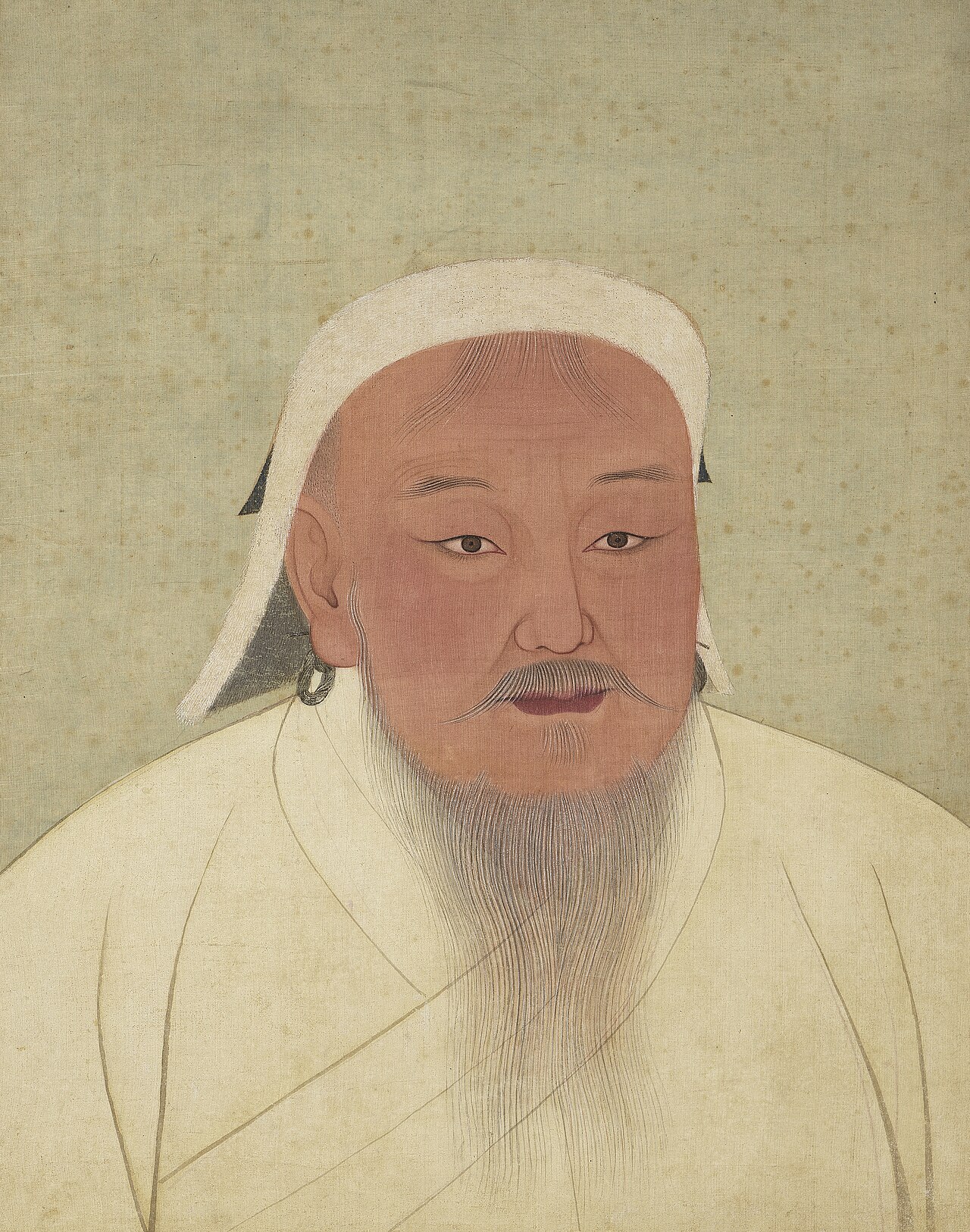
Portrait of Genghis Khan
Unknown Yuan court painter
 Book
Secondary source
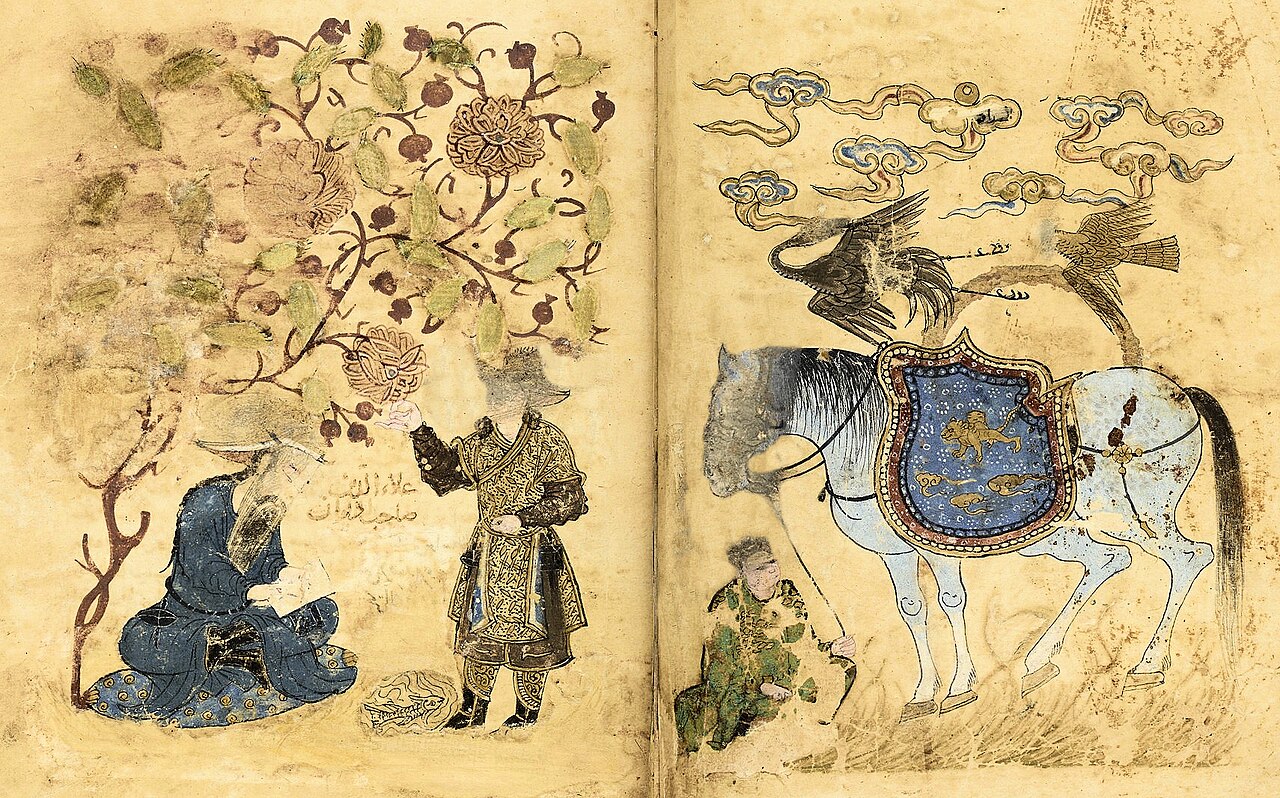
Tarikh-i Jahangushay-i Juvaini
Ata-Malik Juvayni
 Book
Secondary source
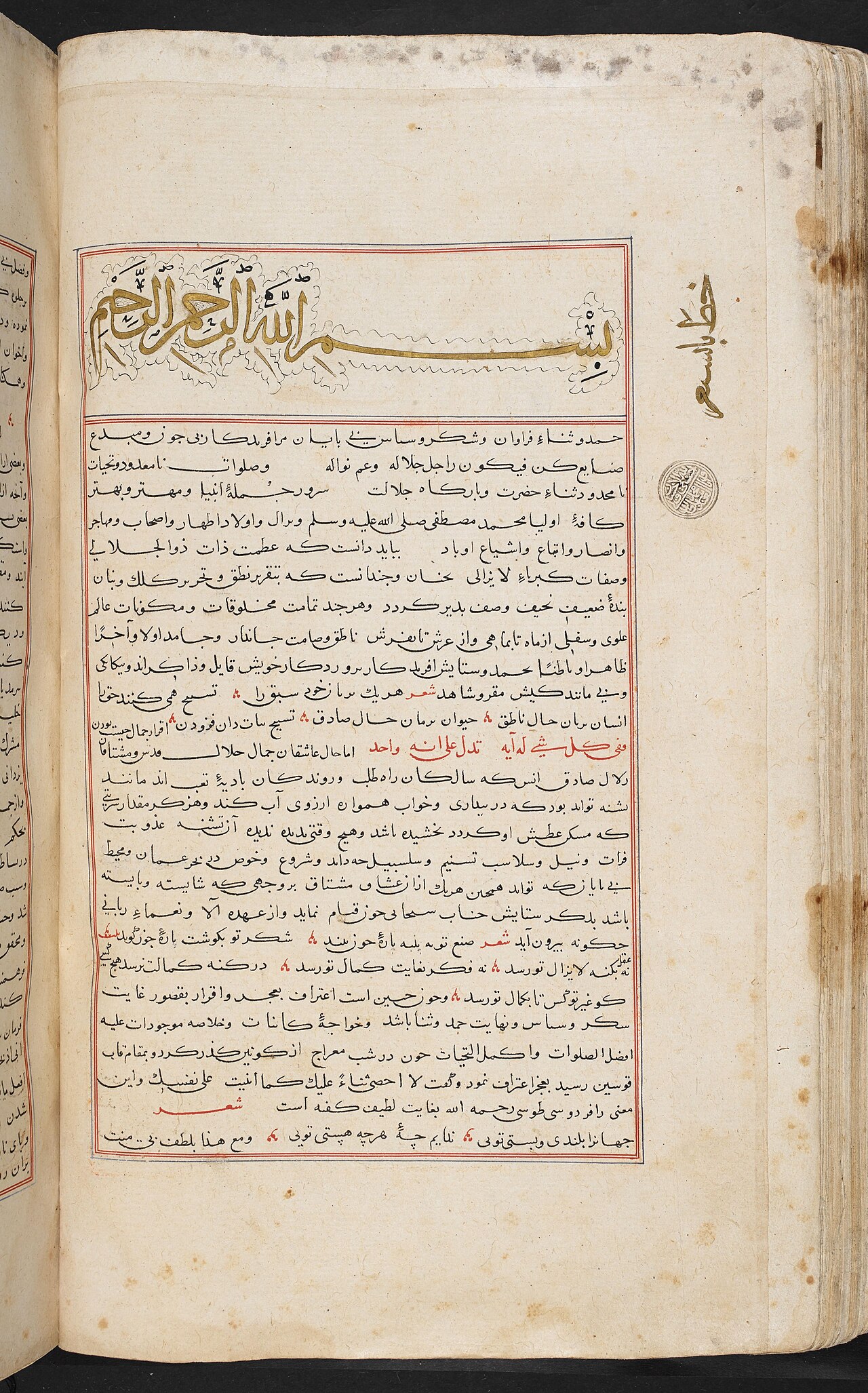
Jami' al-tawarikh
Rashid al-Din Hamadani · c. 1400 (manuscript copy)
 Artifact
Primary source
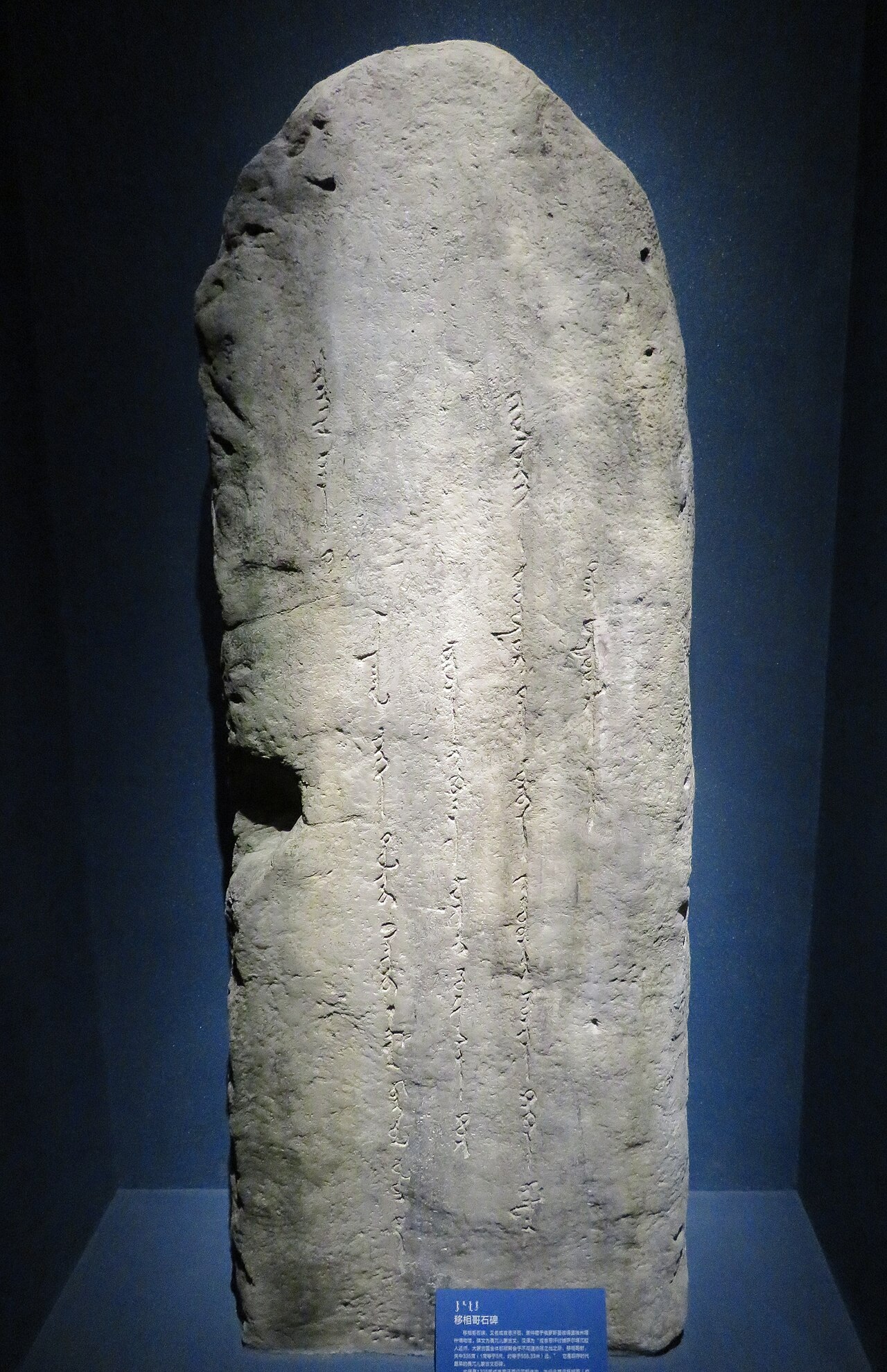
Stele of Genghis Khan
c. 1224-1225
Ready when you are
Start chatting with Genghis Khan now.
20 messages free · No credit card · Available in 50+ languages.