


Secondary sourcePaintingMing dynasty, 1368-1644
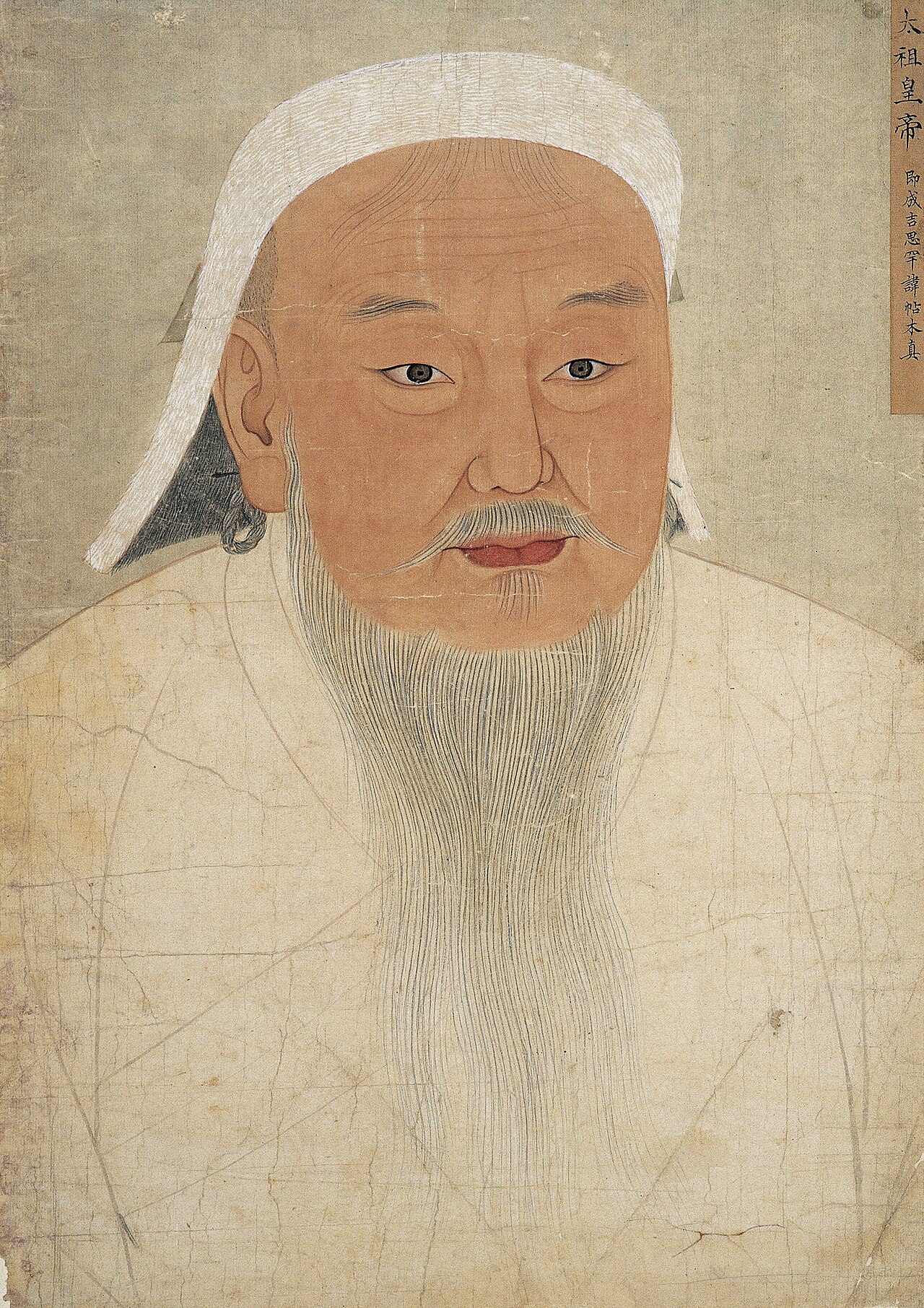
Genghis Khan Portrait, Ming Dynasty
Unknown artist · Ming dynasty, 1368-1644
A Ming-dynasty Chinese portrait painting of Genghis Khan, showing how later Chinese courts imagined him.
This Ming-dynasty portrait shows how later Chinese culture remembered and pictured Genghis Khan.
About this source
What it is
This is a portrait painting of Genghis Khan created during China's Ming dynasty (1368-1644), by an unknown artist. It shows a bearded man in a white headdress, with an inscription in Chinese characters identifying him.
Why it matters
Painted well after Genghis Khan's death by Ming-era artists, this portrait does not record his true appearance but reflects how Chinese court painters imagined the founder of the Mongol Empire, whose descendants had once ruled China as the Yuan dynasty. It shows how his image was remembered and reshaped by the cultures that came after him.
Look closer
- What does the clothing and style of this portrait tell you about the artist's own time and culture?
- Why might a Ming-dynasty painter choose to depict Genghis Khan this way?
- How is this portrait different from a photograph or an eyewitness drawing?
This painting is part of the curated material that grounds the AI version of Genghis Khan on Humy.ai — when students ask about related events, the AI can quote it and cite it.
More Genghis Khan sources
Meet the AI Genghis Khan →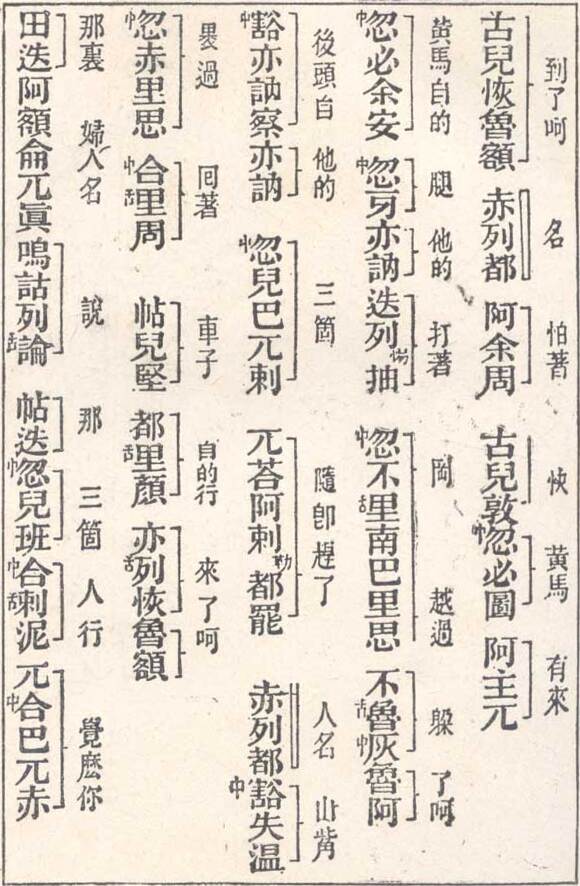 Book
Secondary source
The Secret History of the Mongols
c. 1228 (completed after 1227)
 Painting
Secondary source
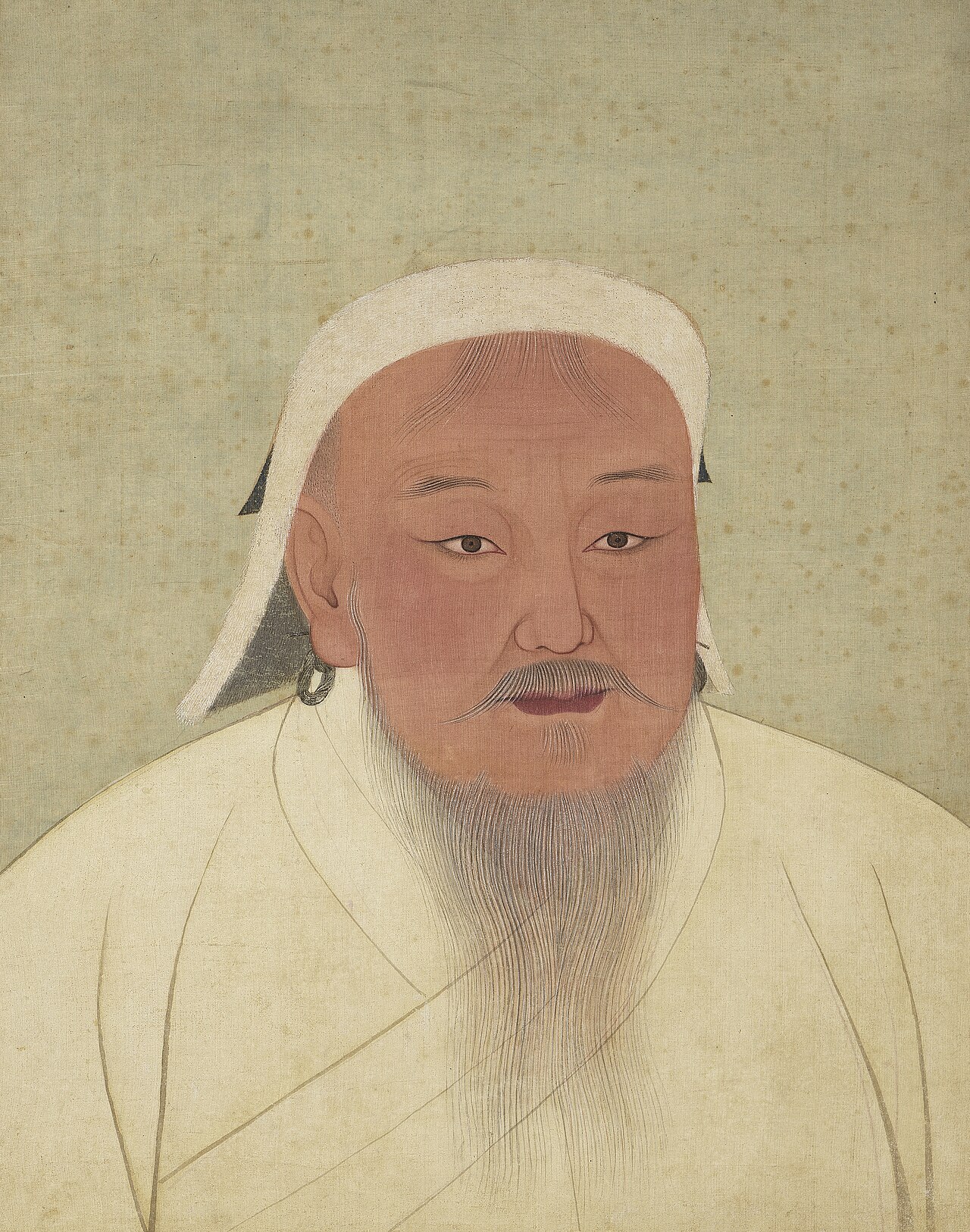
Portrait of Genghis Khan
Unknown Yuan court painter
 Book
Secondary source
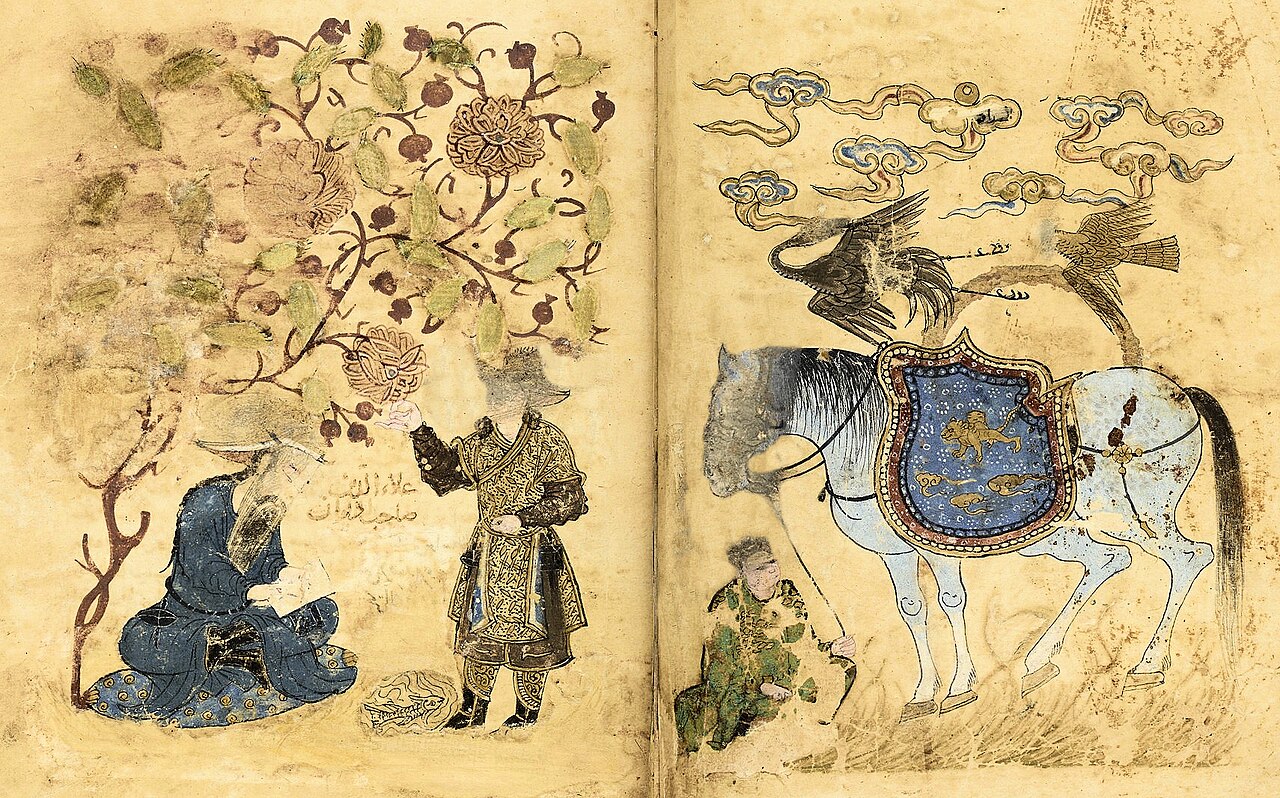
Tarikh-i Jahangushay-i Juvaini
Ata-Malik Juvayni
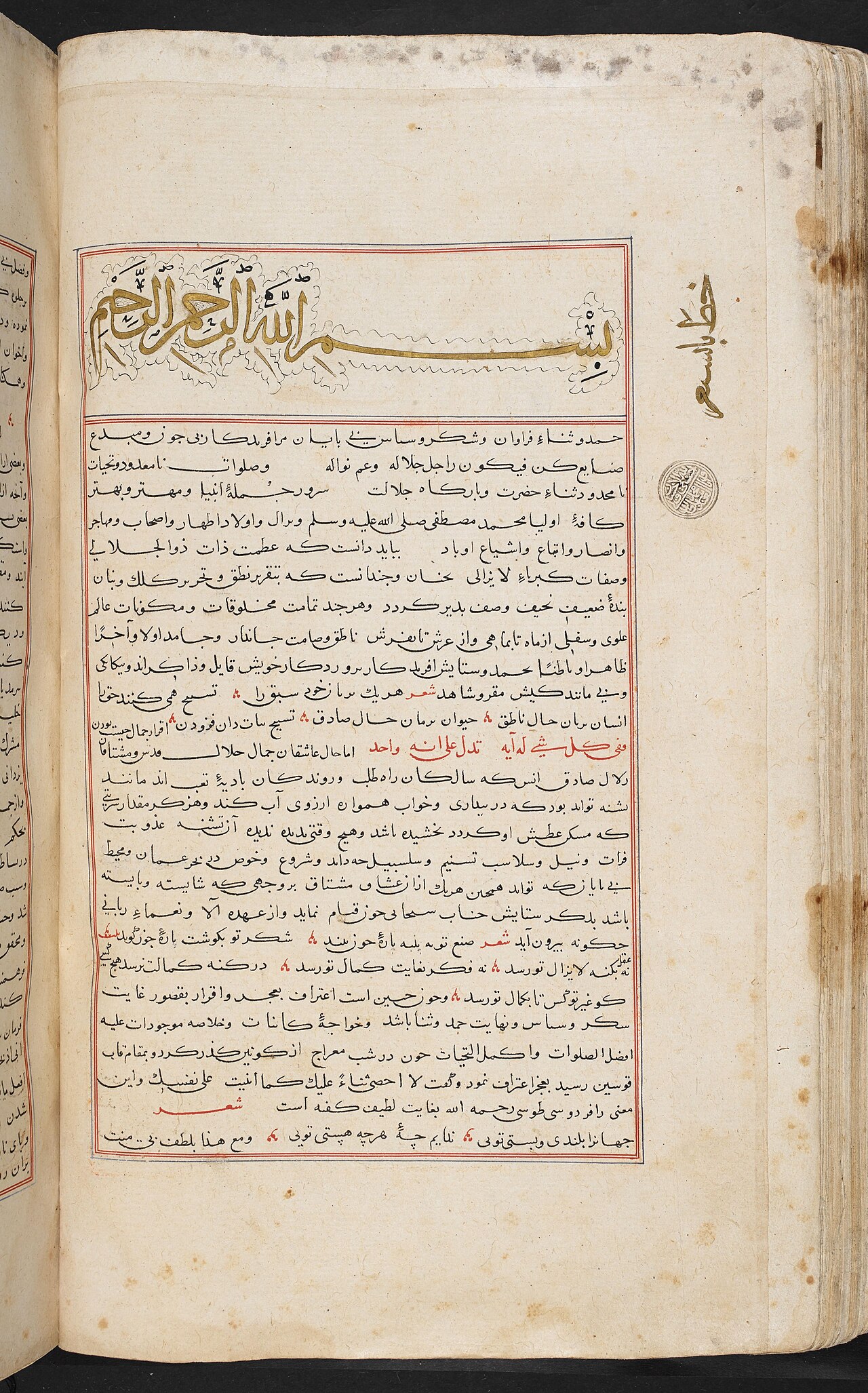 Book
Secondary source
Jami' al-tawarikh
Rashid al-Din Hamadani · c. 1400 (manuscript copy)
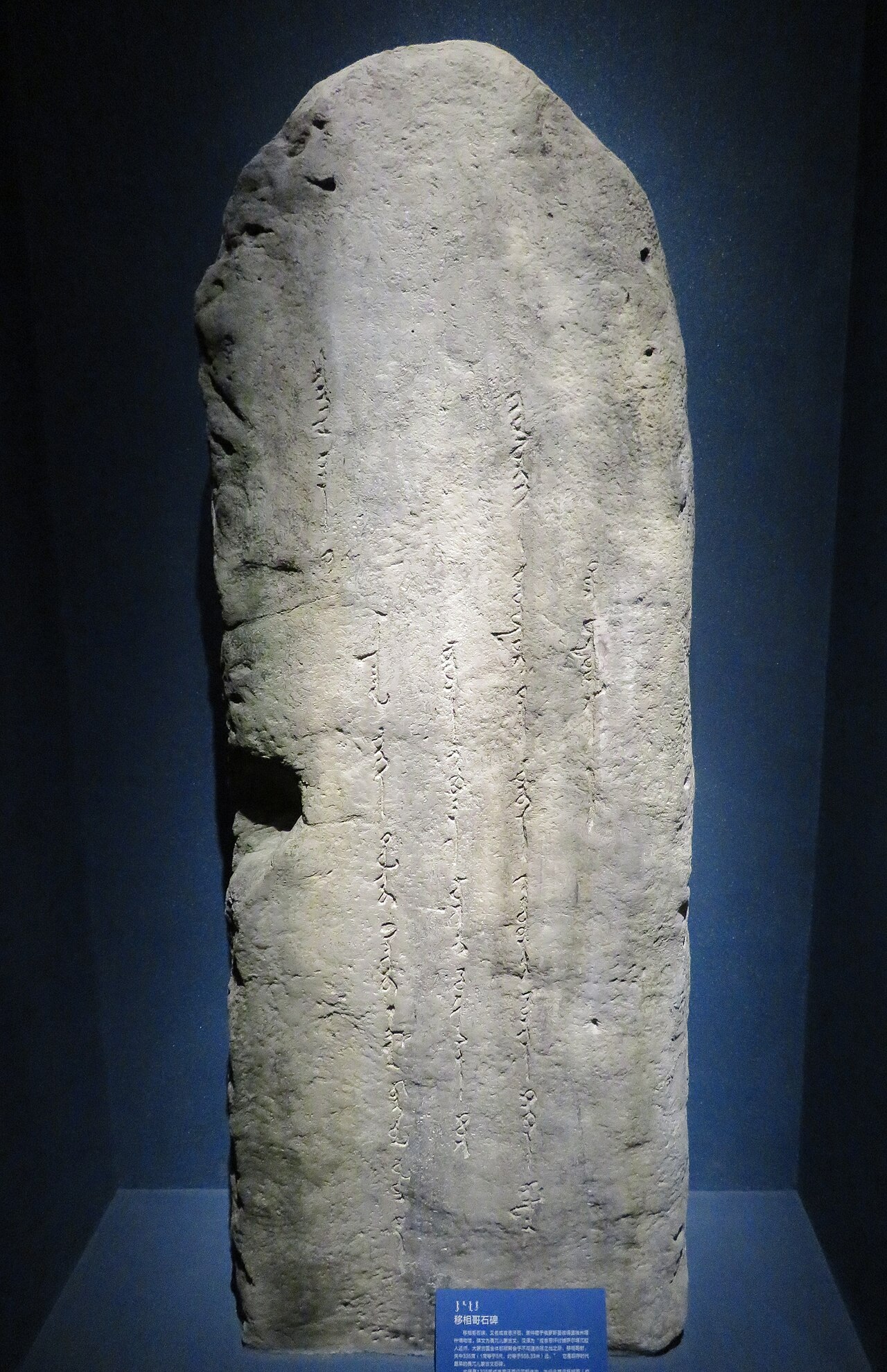 Artifact
Primary source
Stele of Genghis Khan
c. 1224-1225
Ready when you are
Start chatting with Genghis Khan now.
20 messages free · No credit card · Available in 50+ languages.