


Primary sourceArtifactc. 1221
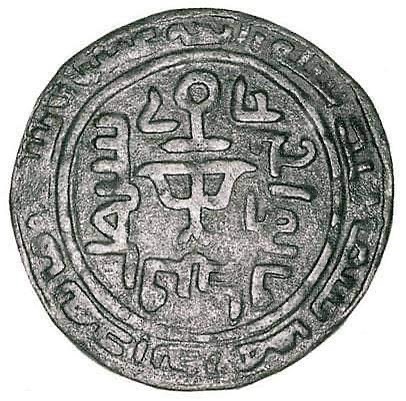
Genghis Khan Silver Coin of Samarkand
c. 1221
A silver coin struck at Samarkand around 1221, naming Genghis Khan after the Mongol conquest of the city.
Struck in Genghis Khan's name at conquered Samarkand, this coin shows his authority being imposed immediately after conquest.
About this source
What it is
This is a silver coin minted at Samarkand around 1221, shortly after Genghis Khan's conquest of the Khwarazmian Empire. Its inscription, in Arabic script, names Genghis Khan and the mint location and date. A tamga (clan emblem) is engraved in the coin's center.
Why it matters
Coins were a powerful tool for rulers to announce authority over conquered lands. This coin shows how quickly Genghis Khan's name and symbol replaced or joined existing local currency systems after conquest. Scholars believe the central emblem may represent the tamga of Genghis Khan's own Kiyad clan, making this coin a rare numismatic link to his personal lineage.
Look closer
- Why would a new ruler put his name on coins so soon after conquering a city?
- What does the use of Arabic script on a Mongol-issued coin tell us about the conquered region?
- What might the central emblem symbolize, and why might that matter to Genghis Khan personally?
This artifact is part of the curated material that grounds the AI version of Genghis Khan on Humy.ai — when students ask about related events, the AI can quote it and cite it.
More Genghis Khan sources
Meet the AI Genghis Khan →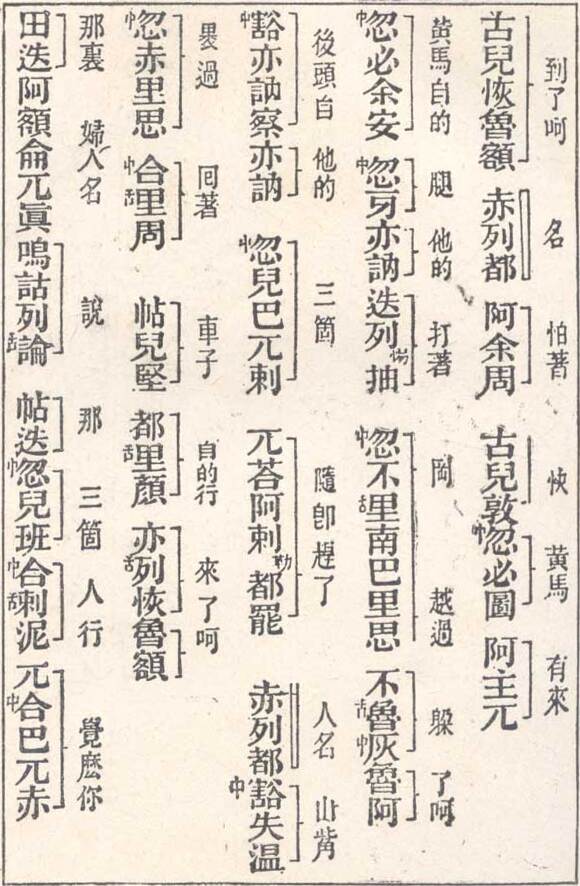 Book
Secondary source
The Secret History of the Mongols
c. 1228 (completed after 1227)
 Painting
Secondary source
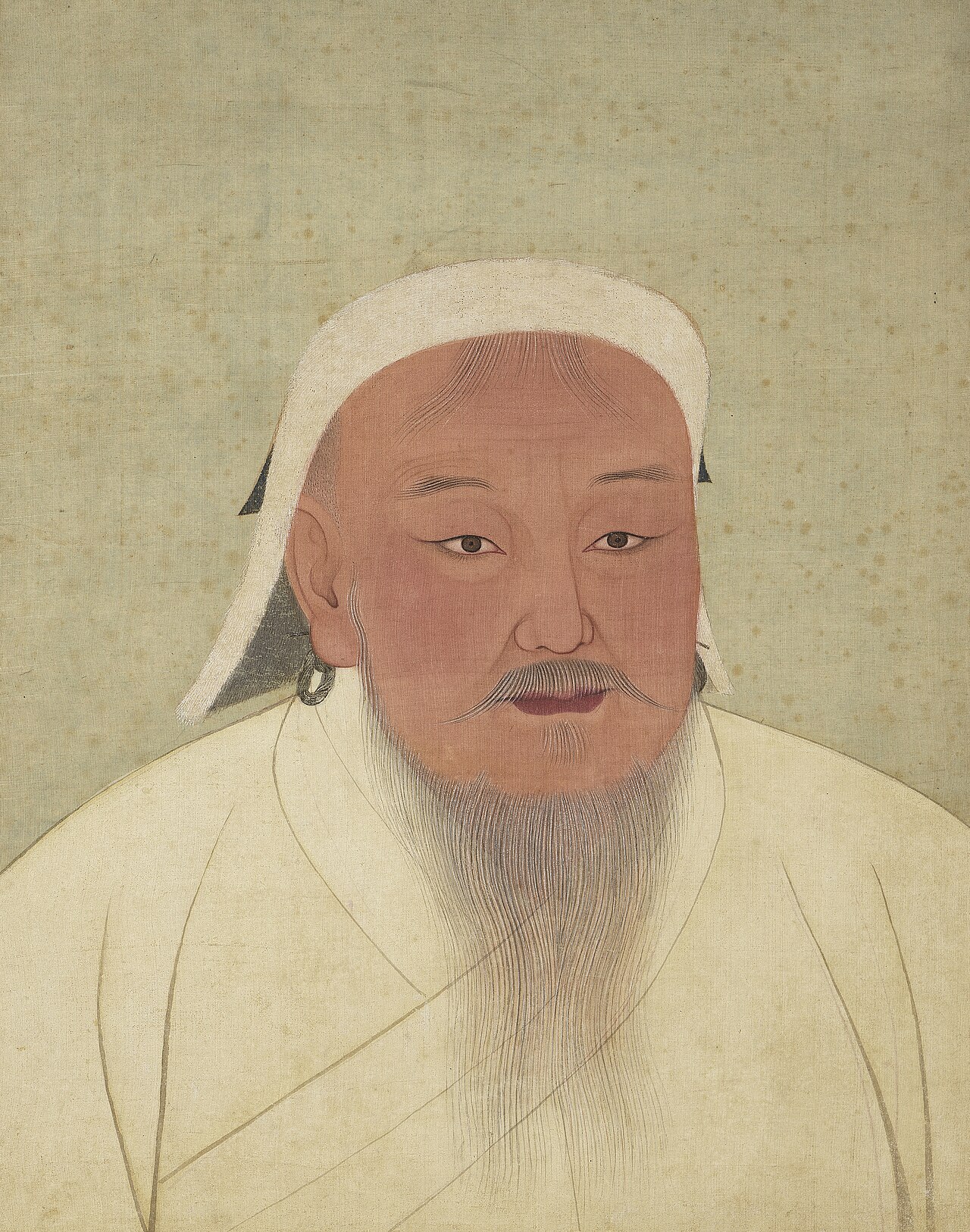
Portrait of Genghis Khan
Unknown Yuan court painter
 Book
Secondary source
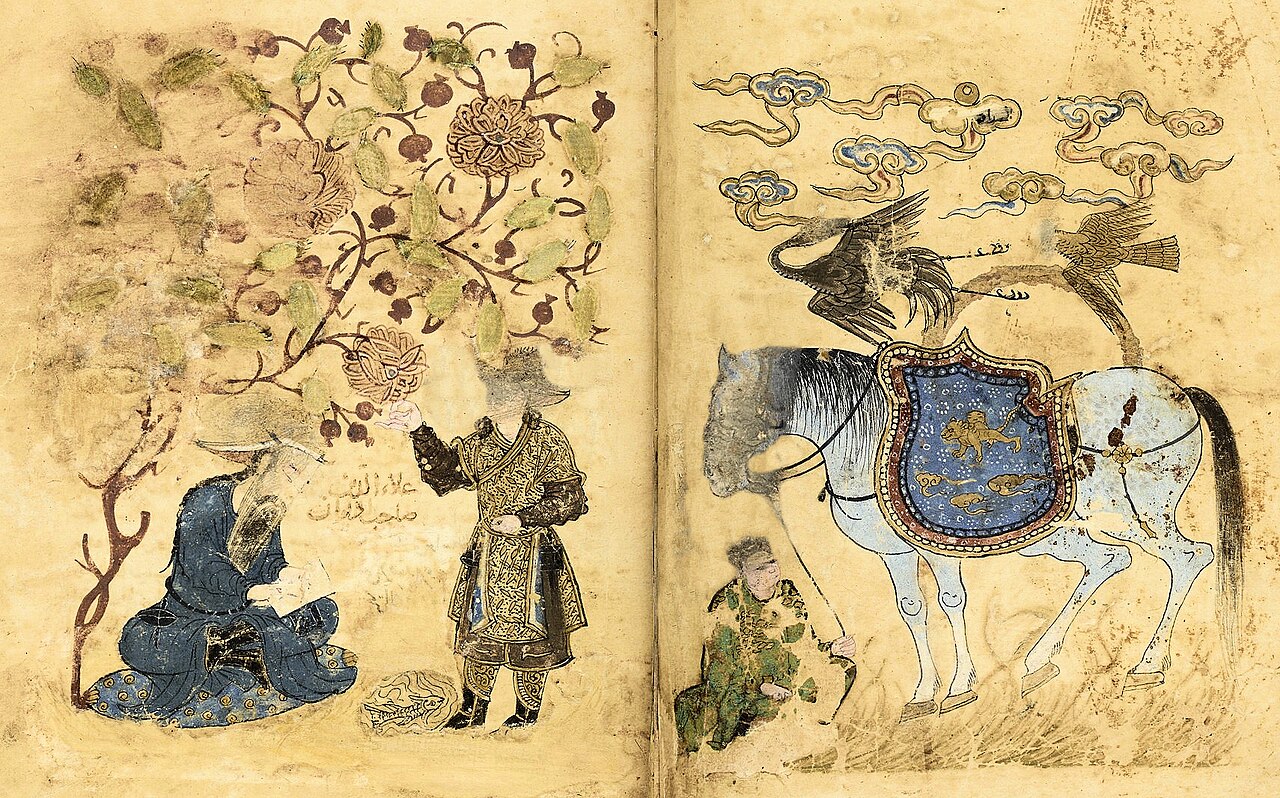
Tarikh-i Jahangushay-i Juvaini
Ata-Malik Juvayni
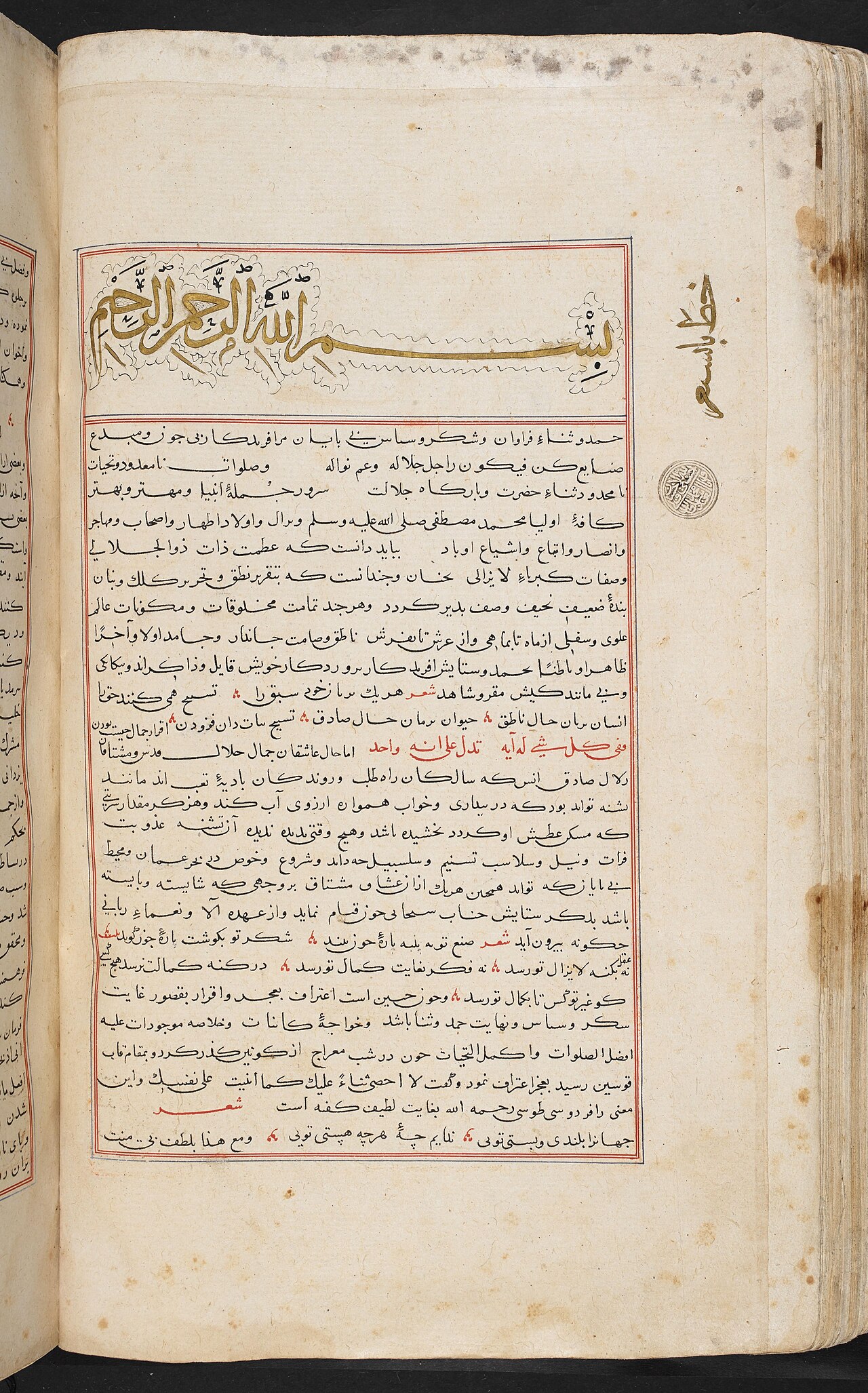 Book
Secondary source
Jami' al-tawarikh
Rashid al-Din Hamadani · c. 1400 (manuscript copy)
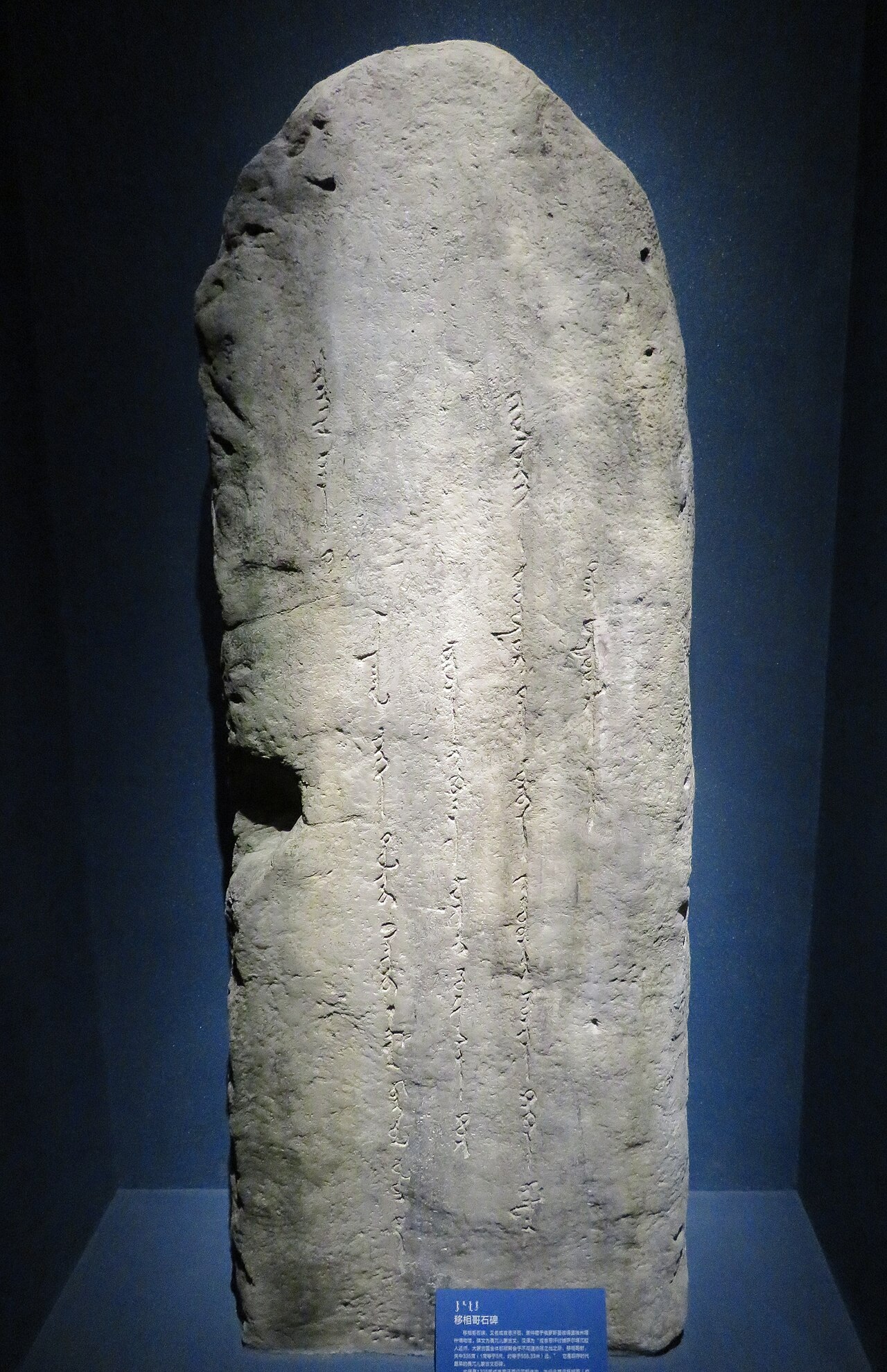 Artifact
Primary source
Stele of Genghis Khan
c. 1224-1225
Ready when you are
Start chatting with Genghis Khan now.
20 messages free · No credit card · Available in 50+ languages.