


Secondary sourcePaintingbetween 1397 and 1398
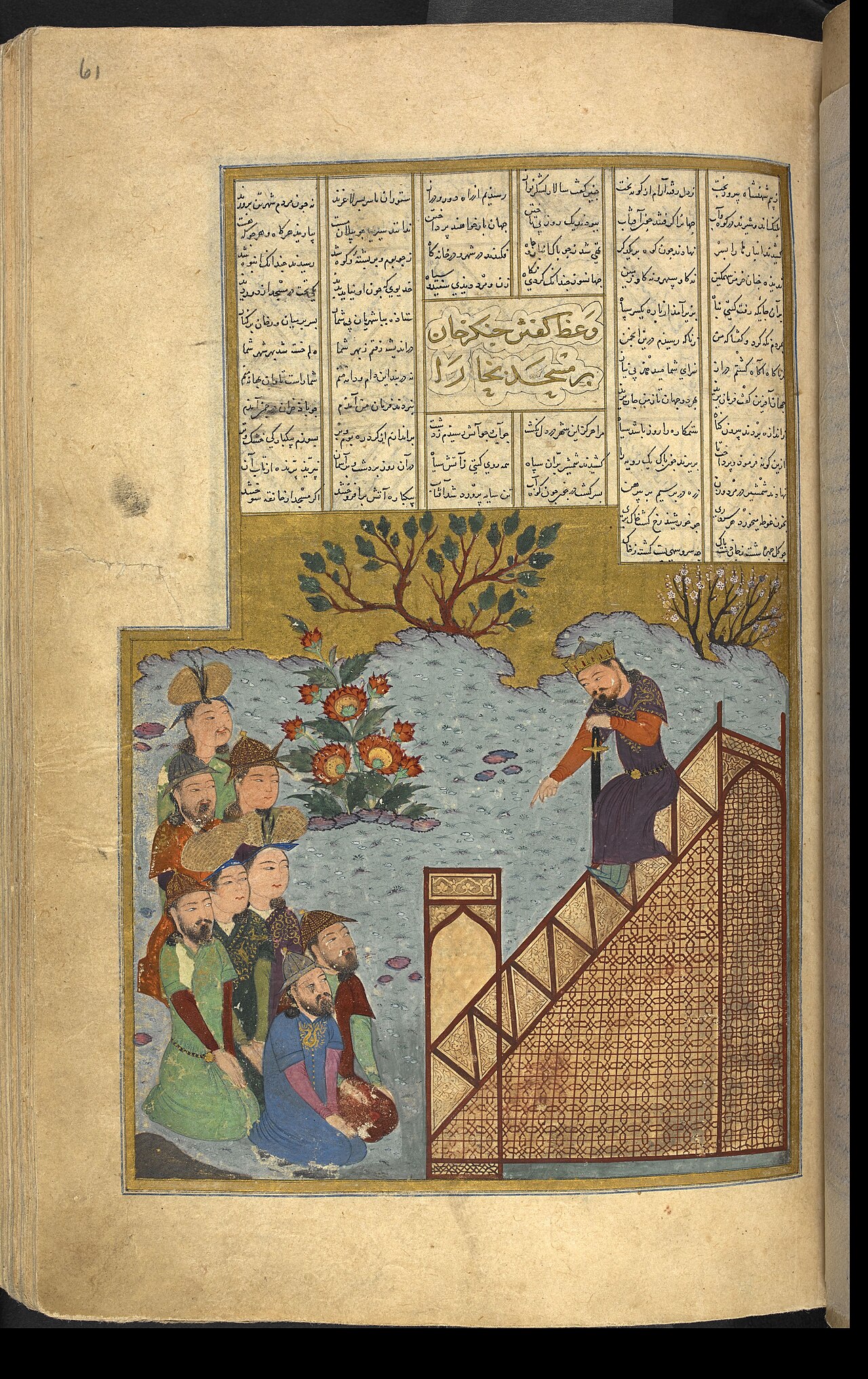
Genghis Khan's Sermon at Bukhara
between 1397 and 1398
A late 14th-century Persian manuscript miniature showing Genghis Khan preaching from a pulpit at Bukhara after its conquest.
A later Persian manuscript illustration imagining Genghis Khan preaching to the people of conquered Bukhara.
About this source
What it is
This miniature painting illustrates a scene from Ahmad Tabrizi's epic poem Shahanshahnama, made around 1397-1398. It shows Genghis Khan standing in the pulpit of the mosque at Bukhara, addressing a gathered crowd of people kneeling before him.
Why it matters
According to the scene depicted, Genghis Khan declared himself the scourge sent to punish the people for their sins. This image shows how later Persian writers and artists portrayed the Mongol conqueror's words and presence after the fall of Bukhara, blending history with legend and poetry.
Look closer
- What does the composition - Genghis Khan raised above a kneeling crowd - suggest about how the artist wanted him to be seen?
- Why might a Persian poet and illustrator, writing generations later, depict this scene this way?
- What can't a painting like this tell us about what actually happened at Bukhara?
This painting is part of the curated material that grounds the AI version of Genghis Khan on Humy.ai — when students ask about related events, the AI can quote it and cite it.
More Genghis Khan sources
Meet the AI Genghis Khan →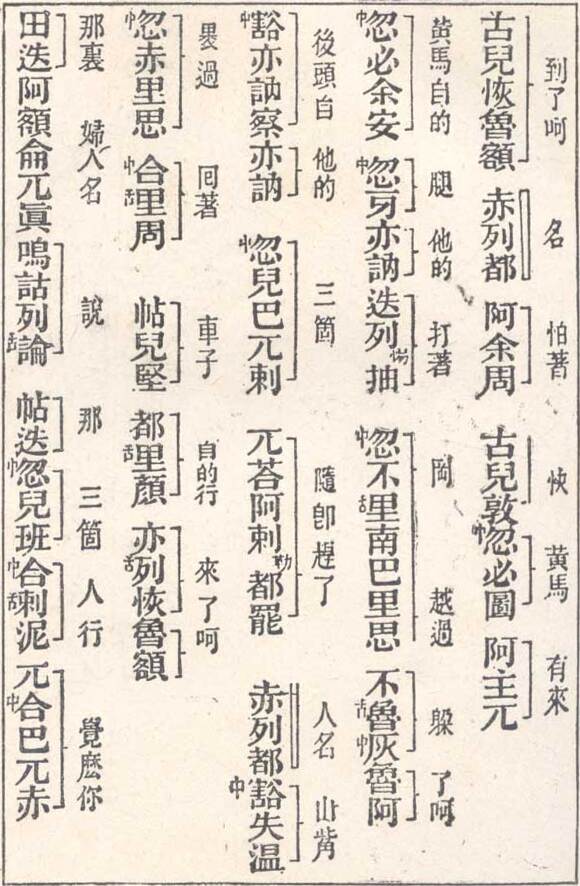 Book
Secondary source
The Secret History of the Mongols
c. 1228 (completed after 1227)
 Painting
Secondary source
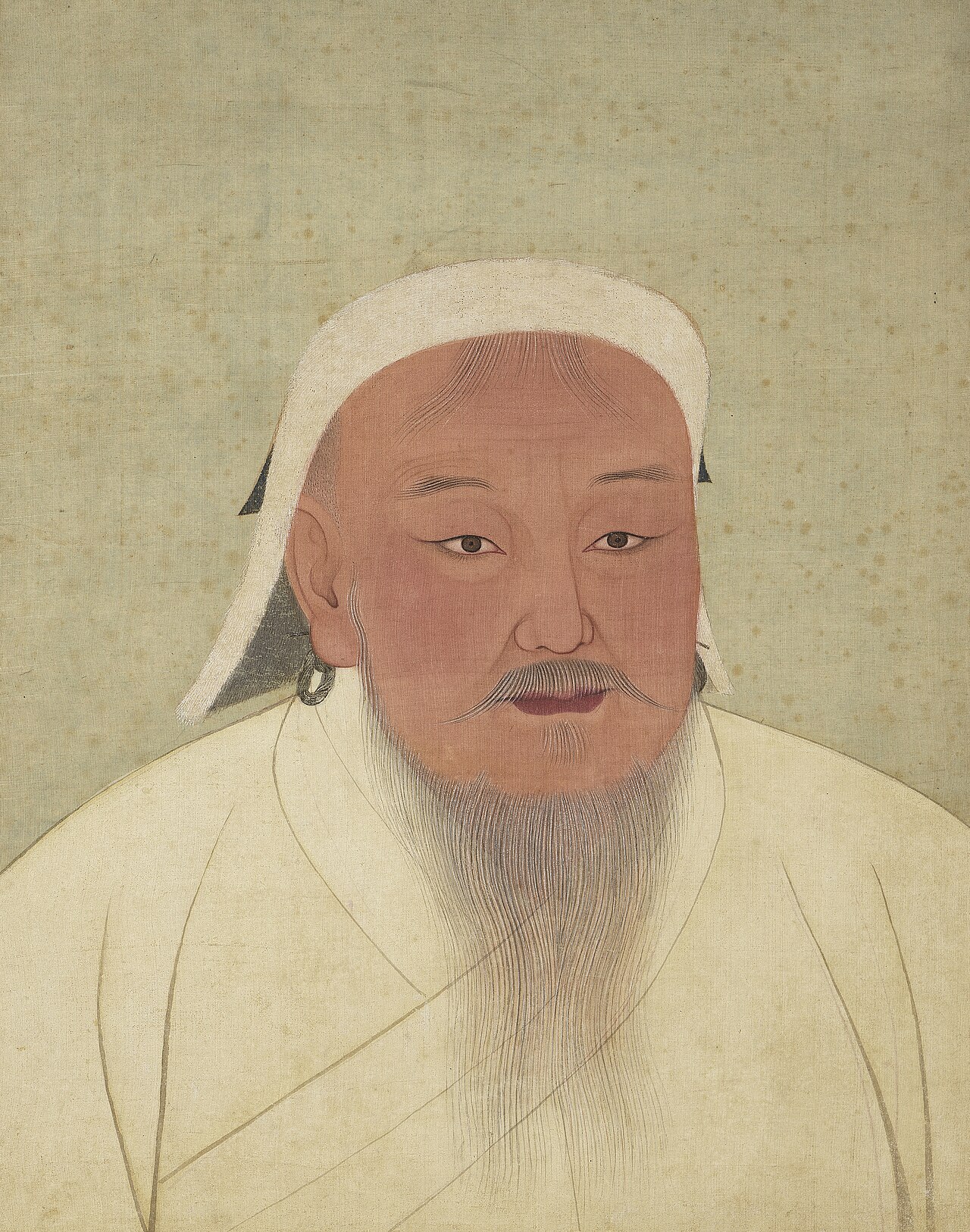
Portrait of Genghis Khan
Unknown Yuan court painter
 Book
Secondary source
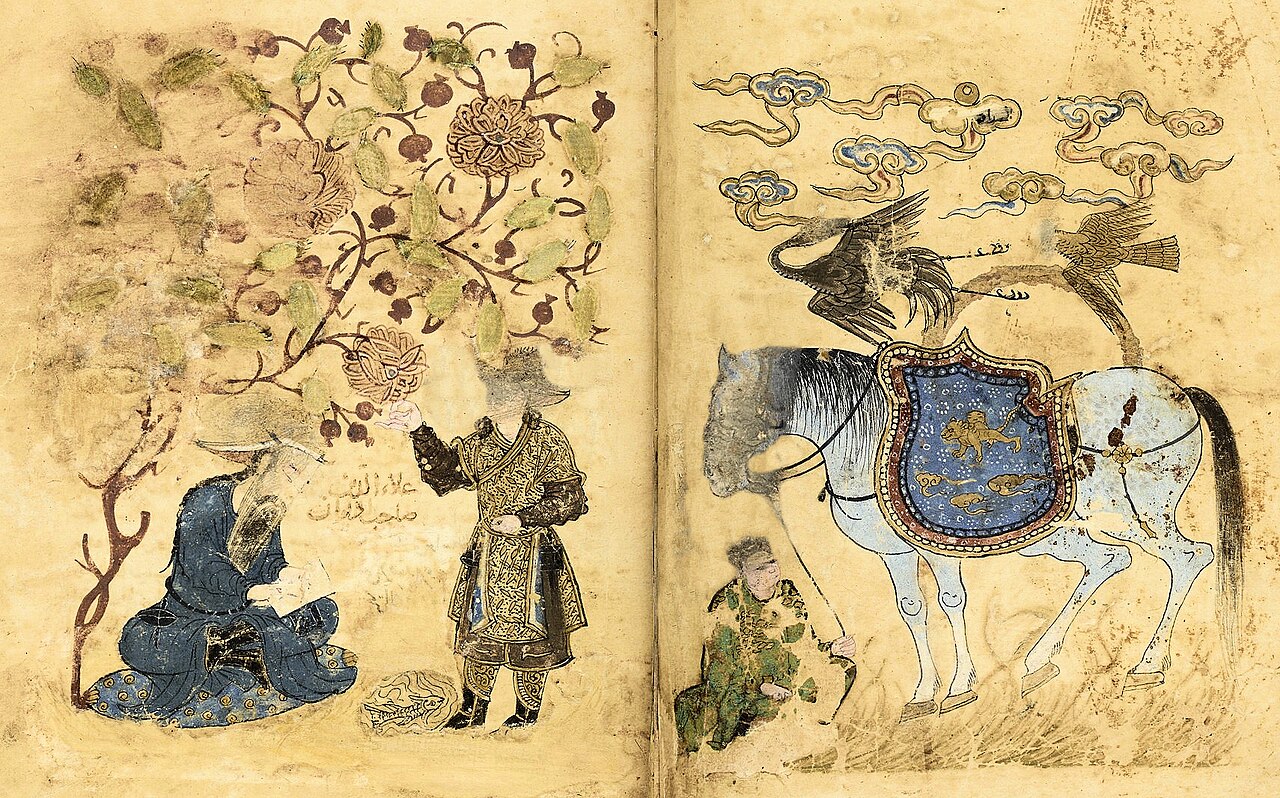
Tarikh-i Jahangushay-i Juvaini
Ata-Malik Juvayni
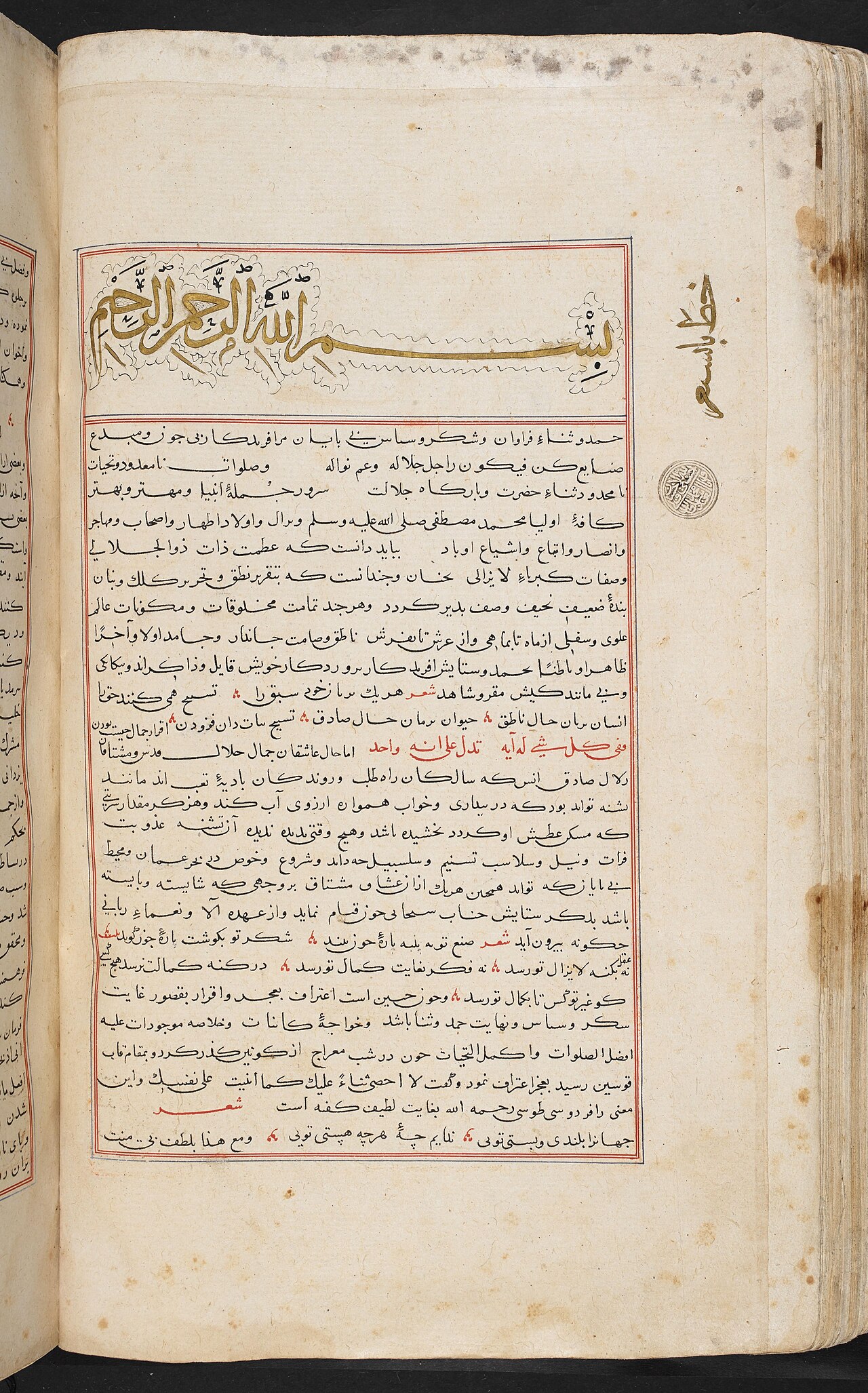 Book
Secondary source
Jami' al-tawarikh
Rashid al-Din Hamadani · c. 1400 (manuscript copy)
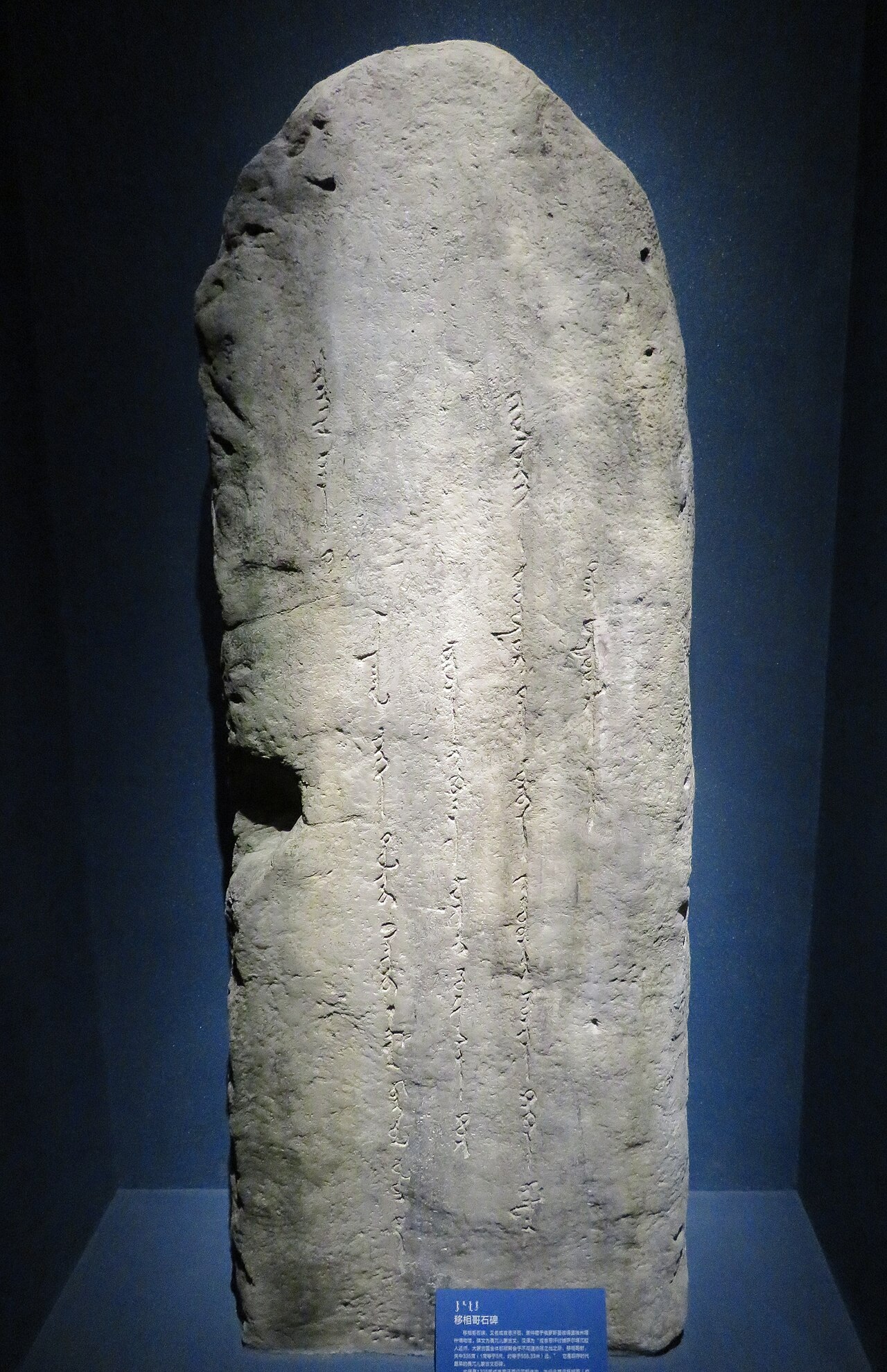 Artifact
Primary source
Stele of Genghis Khan
c. 1224-1225
Ready when you are
Start chatting with Genghis Khan now.
20 messages free · No credit card · Available in 50+ languages.