


Secondary sourceArtifact1941
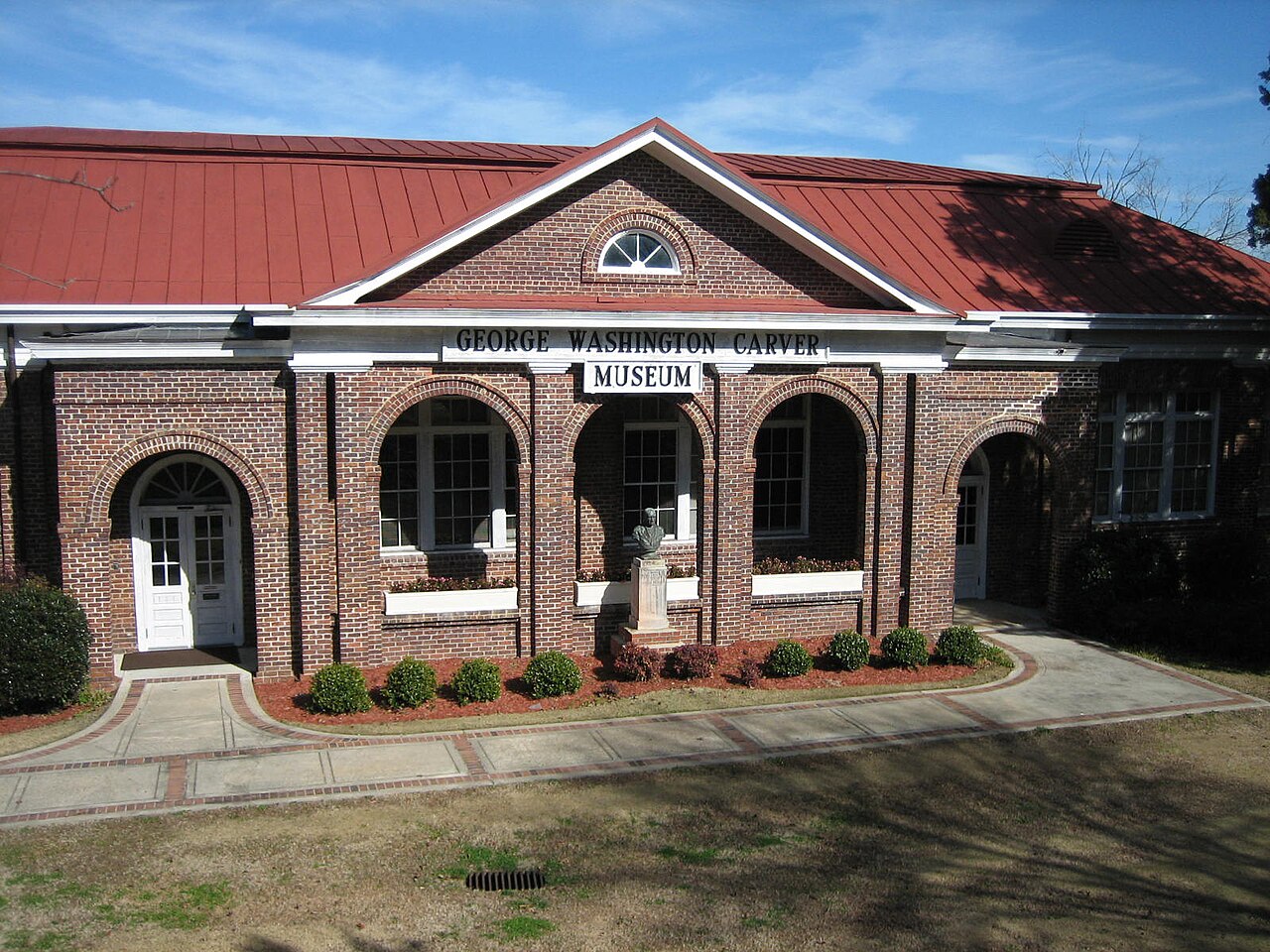
George Washington Carver Museum
1941
A museum opened at Tuskegee Institute in 1941, while Carver was still alive, to display his scientific collections, artwork and products.
Opened in Carver's lifetime to display his collections and inventions as he wanted them presented to the public.
About this source
What it is
The George Washington Carver Museum is a history museum at Tuskegee University in Alabama, now part of the Tuskegee Institute National Historic Site and managed by the National Park Service. It opened in 1941, housing Carver's collections of plants, minerals, birds, vegetables, paintings and products made from peanuts, sweet potatoes and clays.
Why it matters
The museum was built with support from industrialist Henry Ford and was formally dedicated by Ford and his wife. It mattered deeply to Carver himself, who hoped displaying his life's work would inspire children. It shows how Carver's research and inventions were valued in his own lifetime, not only after his death.
Look closer
- Why might Carver have wanted his collections shown to the public while he was still living?
- What does the involvement of a wealthy industrialist like Henry Ford suggest about Carver's reputation?
- What is missing from a museum building that a document or letter might tell us?
This artifact is part of the curated material that grounds the AI version of George Washington Carver on Humy.ai — when students ask about related events, the AI can quote it and cite it.
More George Washington Carver sources
Meet the AI George Washington Carver →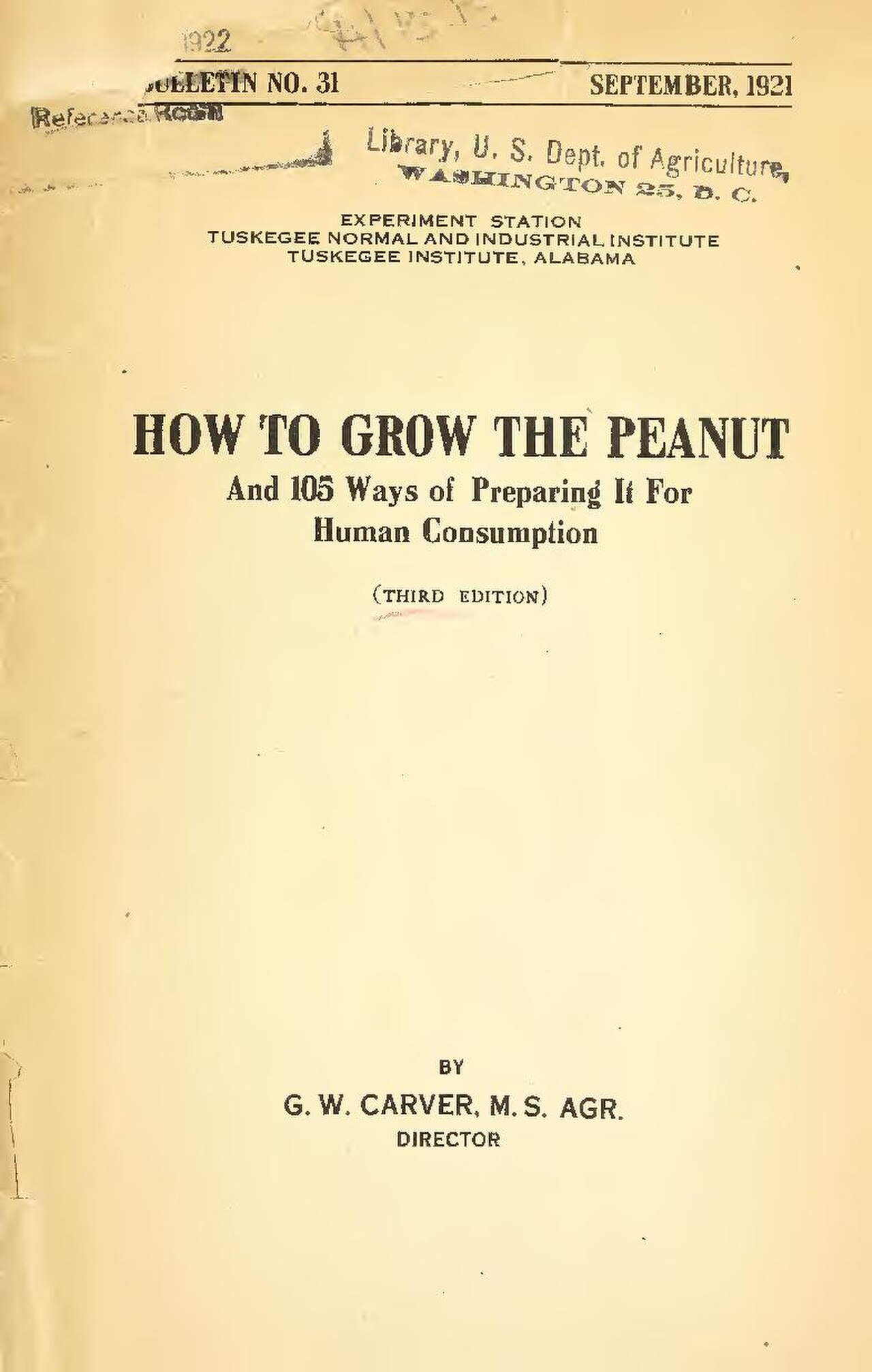 Book
Primary source
How to Grow the Peanut and 105 Ways of Preparing It for Human Consumption
George Washington Carver · 1916 (revised 1925)
Primary source
How to Build Up Worn Out Soils
George Washington Carver · 1905
 Photograph
Primary source
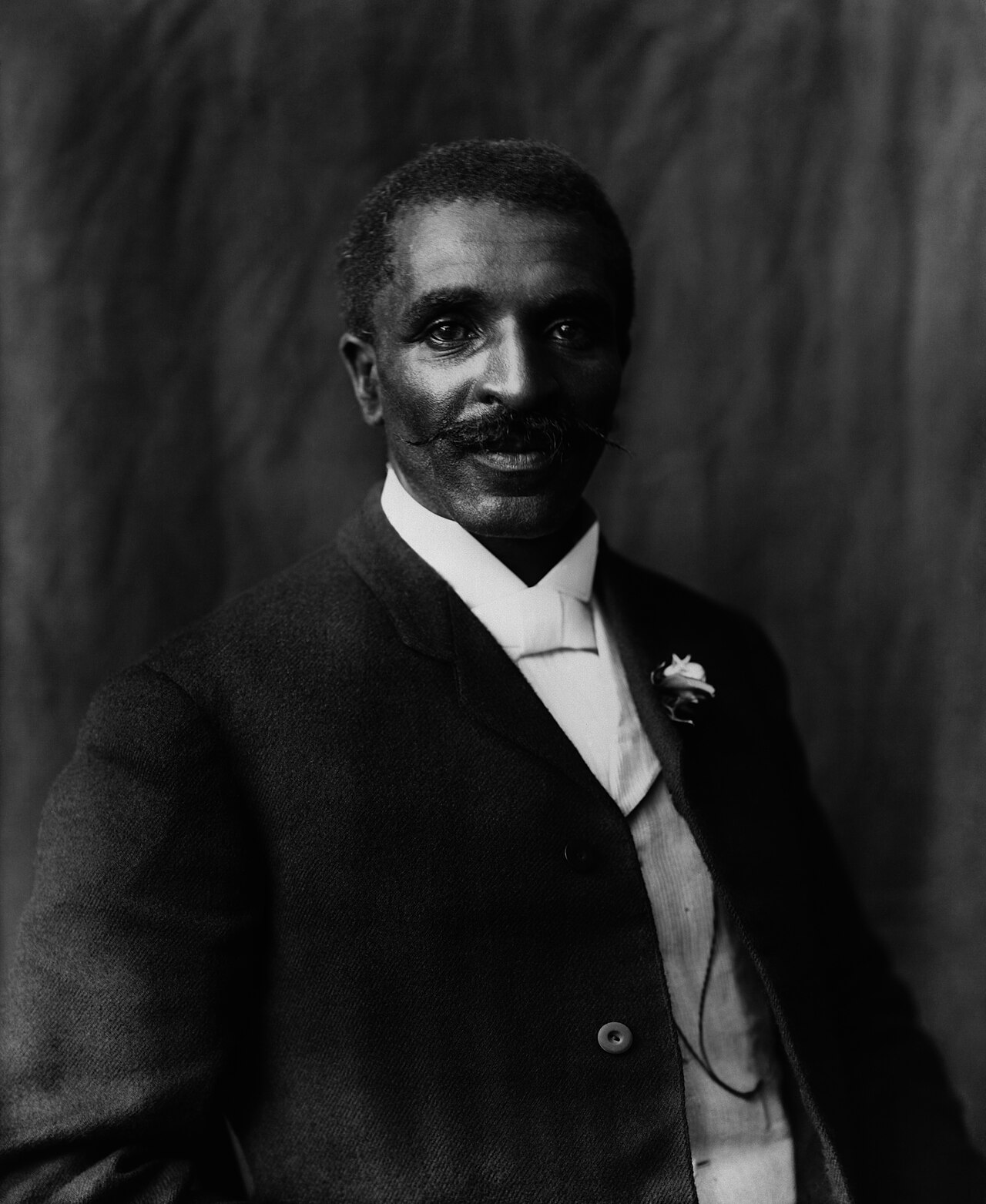
George Washington Carver by Frances Benjamin Johnston
Frances Benjamin Johnston · 1906
 Photograph
Primary source
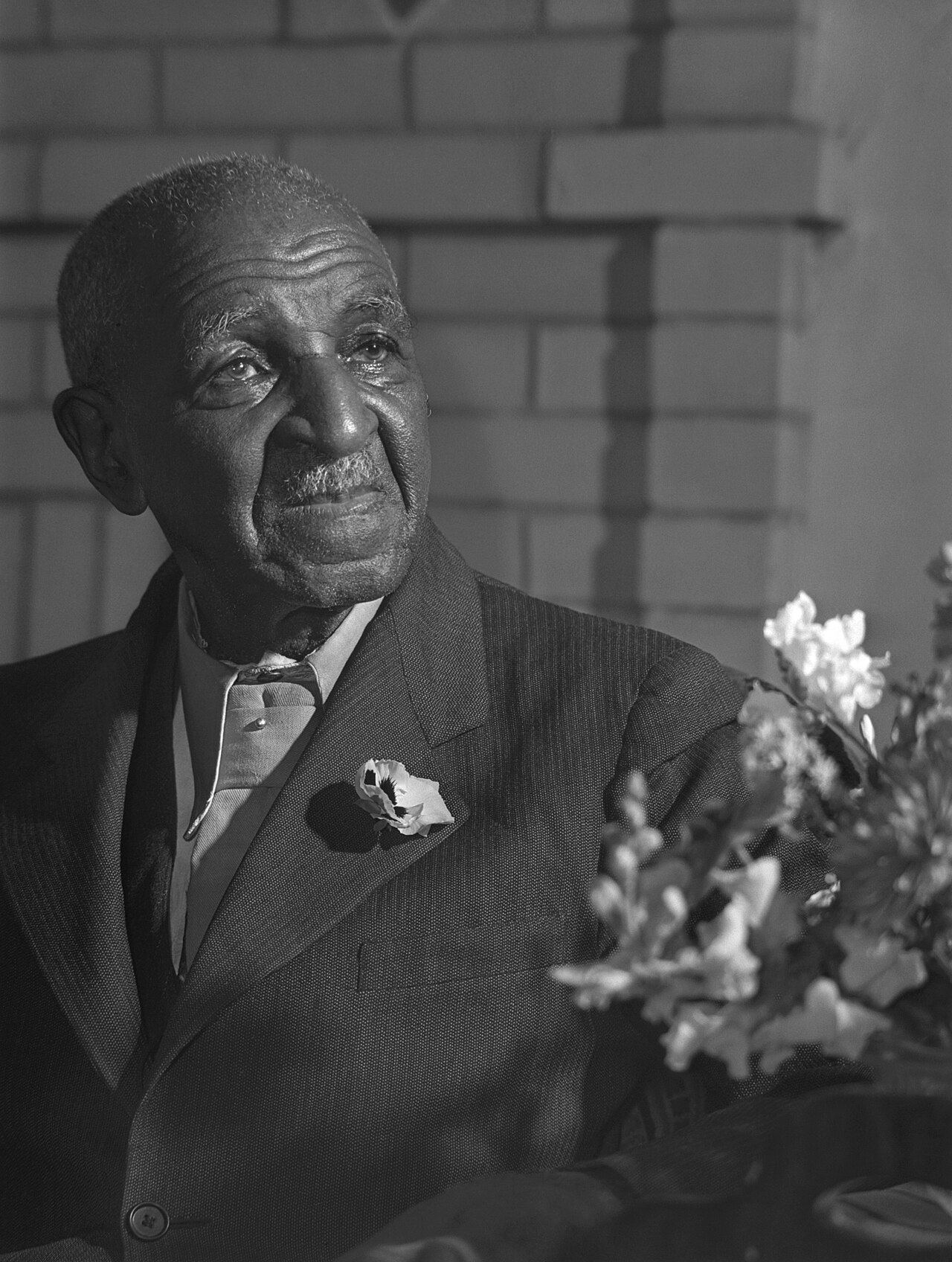
George Washington Carver Portrait by Arthur Rothstein
Arthur Rothstein · 1942
 Photograph
Primary source
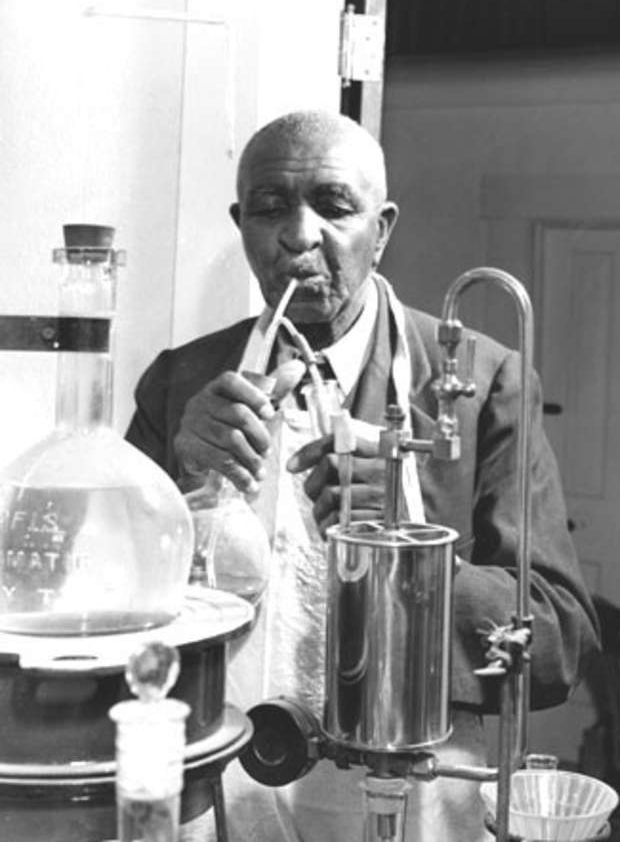
George Washington Carver at Work in His Laboratory
Ready when you are
Start chatting with George Washington Carver now.
20 messages free · No credit card · Available in 50+ languages.