


Secondary sourcePainting1943
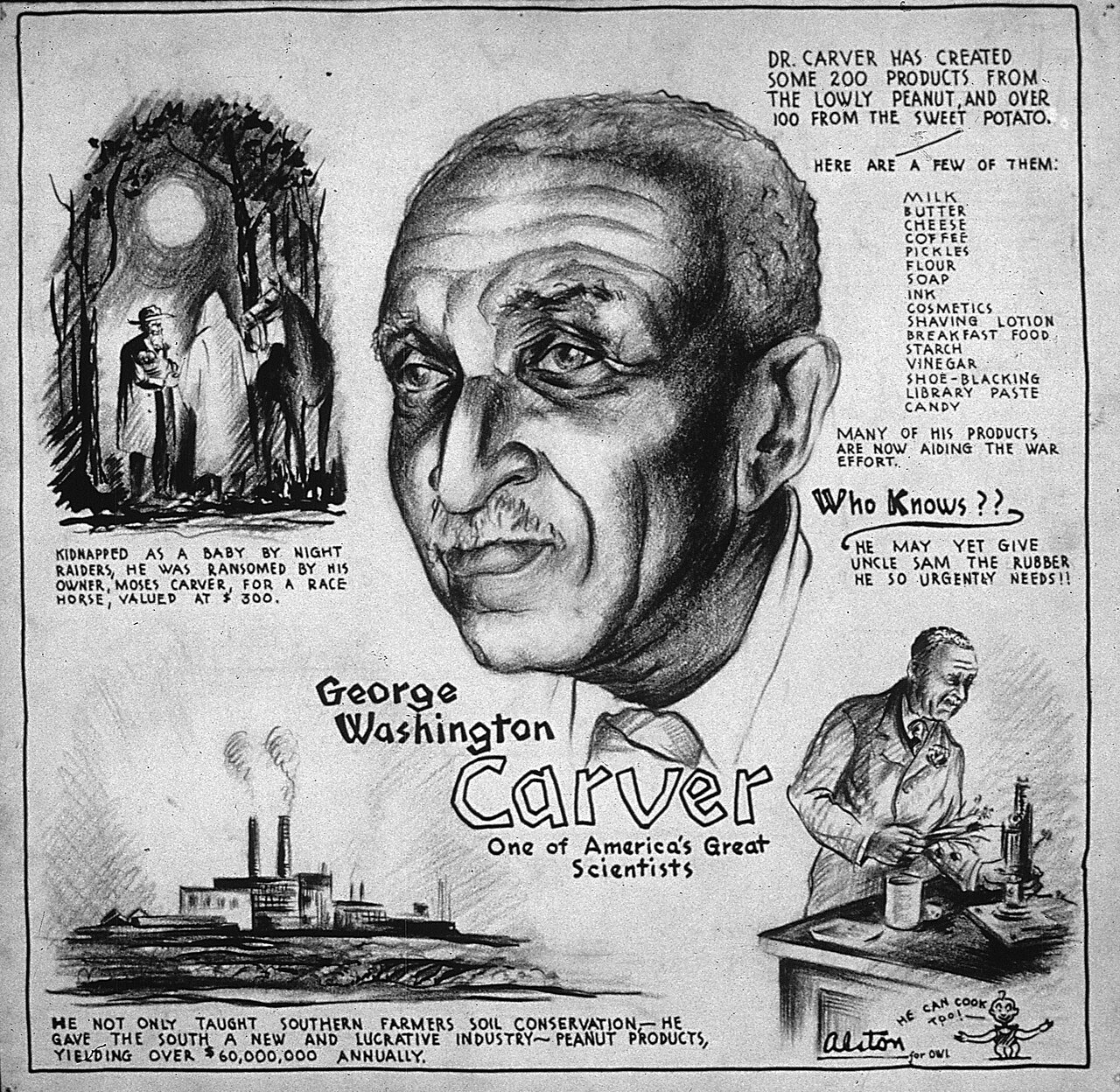
George Washington Carver, One of America's Great Scientists
Charles Alston · 1943
A 1943 black-and-white painting of Carver by Charles Alston, made near the end of Carver's life. Its side panels show scenes that include robed figures carrying off a child.
Alston's 1943 portrait depicts Carver as a scientist, and its side panels show the social world he worked within.
About this source
What it is
This is a 1943 work by the artist Charles Alston, titled George Washington Carver, One of America's Great Scientists. The image is black and white and shows a large central portrait of an older man with a mustache. The side panels show a forest scene with robed figures, a factory with smokestacks, a man at a lab bench with a microscope, and a list of products made from peanuts and sweet potatoes. The left panel shows hooded, robed night raiders carrying off a child in a forest, which the image note says refers to a kidnapping.
Why it matters
Carver was known for his work with peanuts and sweet potatoes, and this picture presents his science alongside the racial violence of his time. The image was made near the end of his life, in the year he died. Alston was an artist who was not Carver, so the picture shows the artist's interpretation of Carver's work and the world around him. Students can compare it with Carver's own bulletins to see how different sources describe the same man.
Look closer
- How does the artist place Carver's laboratory work next to the scenes in the side panels, and why might he do that?
- Who are the robed figures, and what does the image suggest about the danger faced by the child?
- What does the list of products suggest about how Carver's work was valued, and what is left out?
This painting is part of the curated material that grounds the AI version of George Washington Carver on Humy.ai — when students ask about related events, the AI can quote it and cite it.
More George Washington Carver sources
Meet the AI George Washington Carver →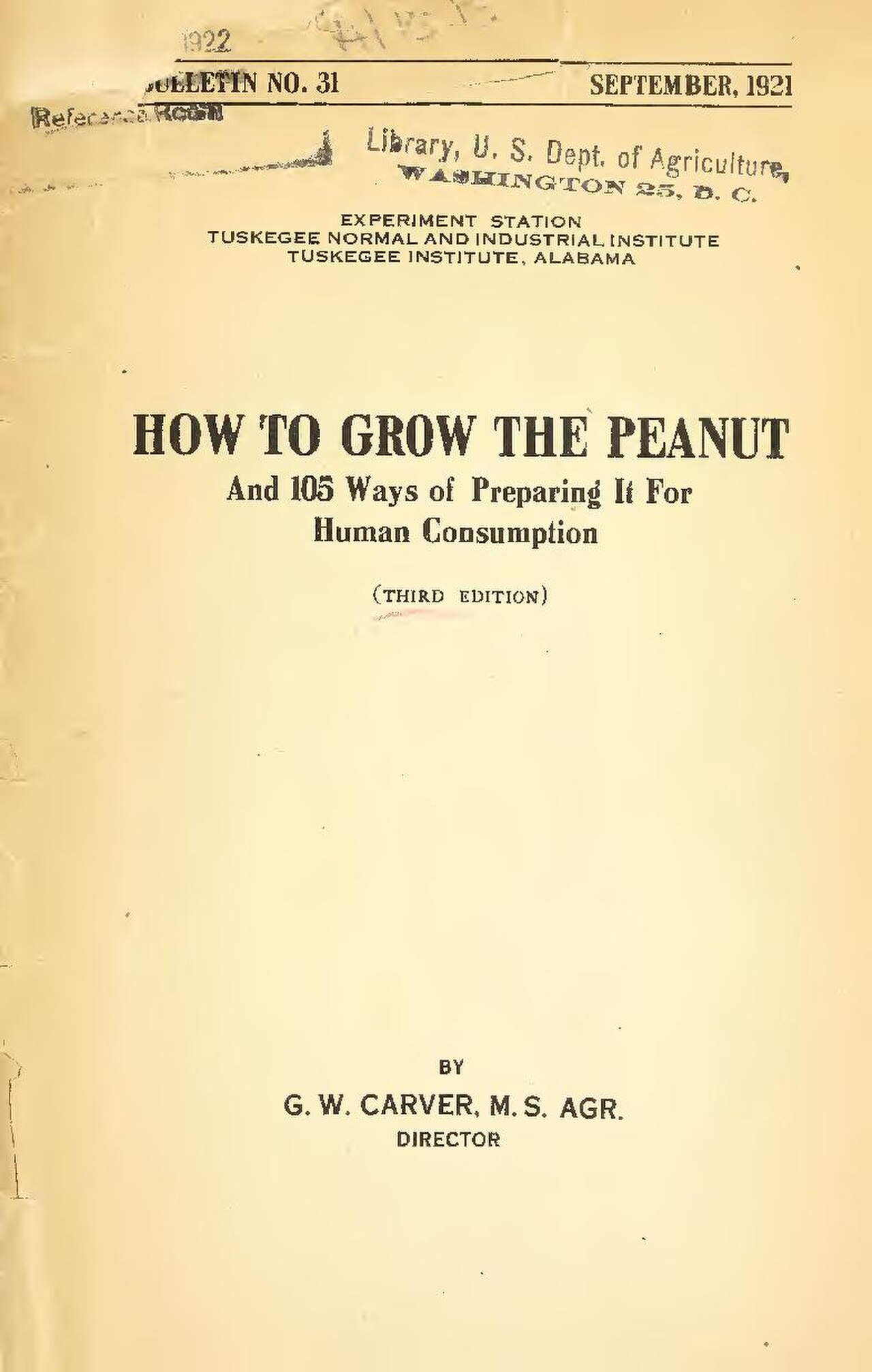 Book
Primary source
How to Grow the Peanut and 105 Ways of Preparing It for Human Consumption
George Washington Carver · 1916 (revised 1925)
Primary source
How to Build Up Worn Out Soils
George Washington Carver · 1905
 Photograph
Primary source
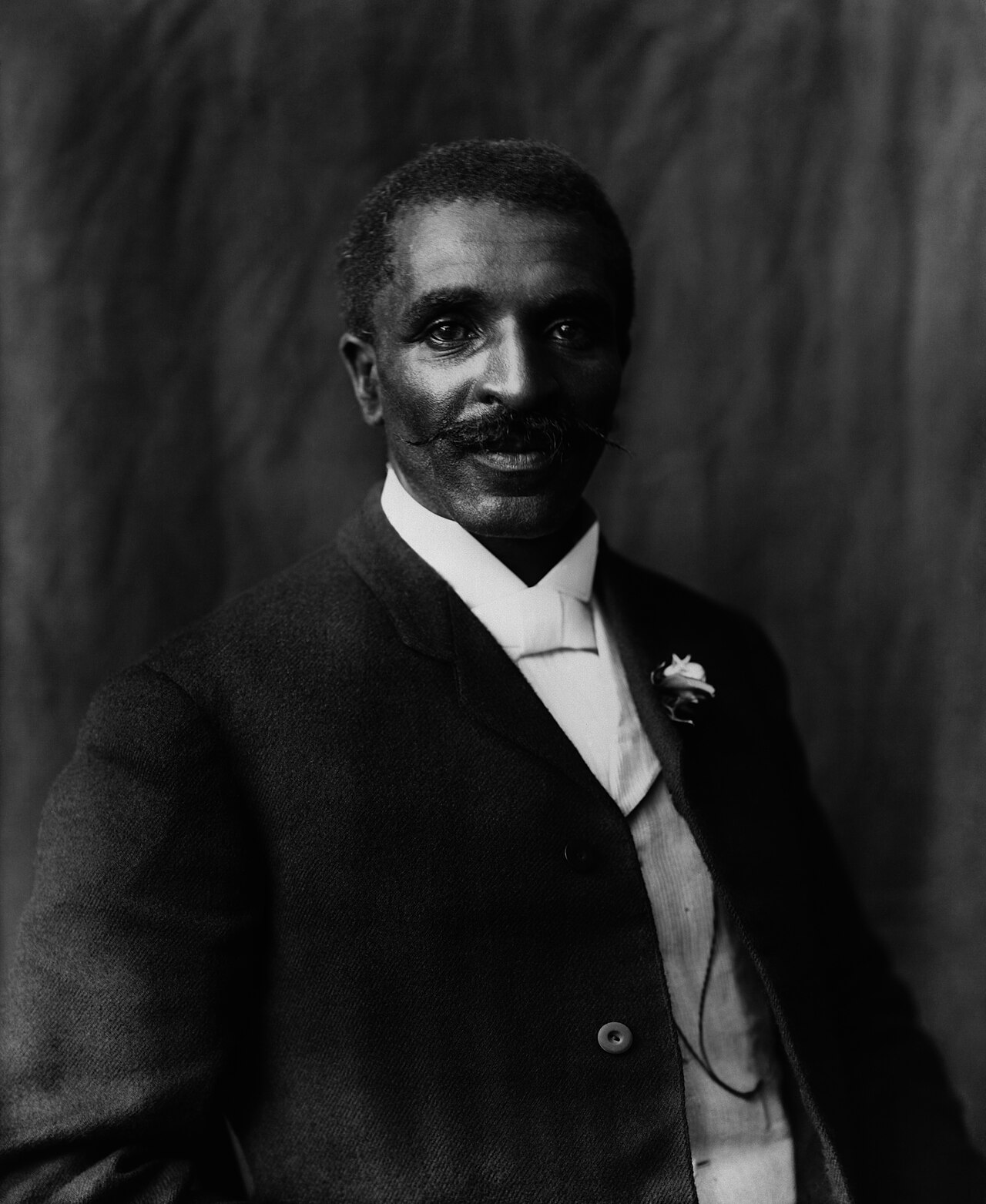
George Washington Carver by Frances Benjamin Johnston
Frances Benjamin Johnston · 1906
 Photograph
Primary source
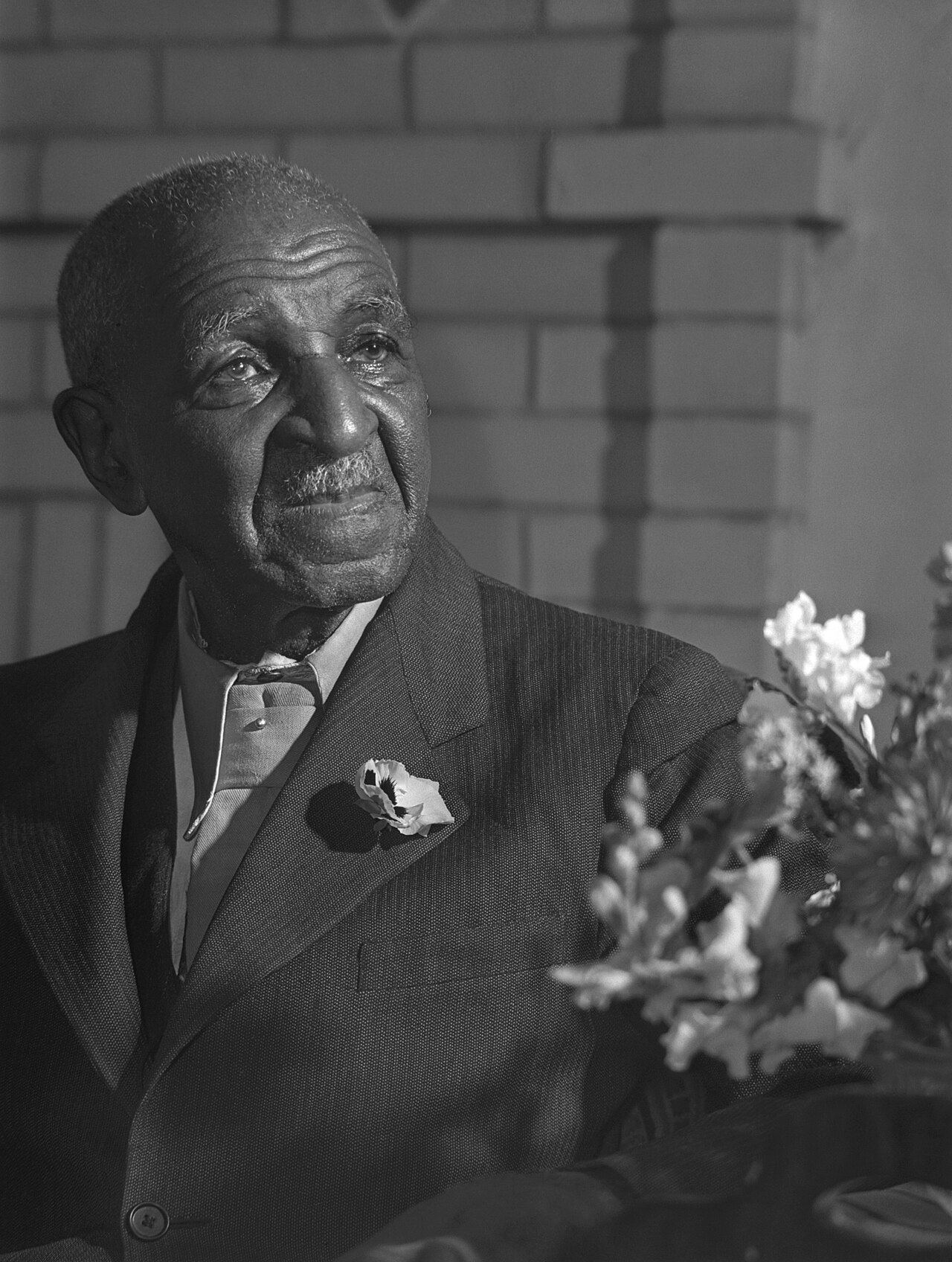
George Washington Carver Portrait by Arthur Rothstein
Arthur Rothstein · 1942
 Photograph
Primary source
George Washington Carver at Work in His Laboratory
Ready when you are
Start chatting with George Washington Carver now.
20 messages free · No credit card · Available in 50+ languages.