


Primary sourceArtifact
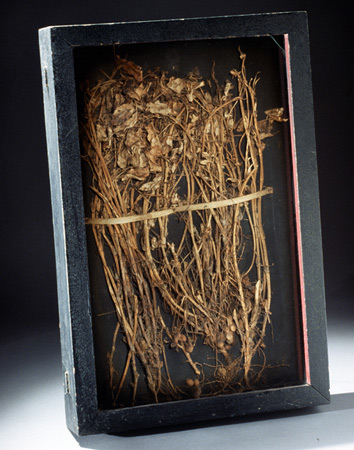
George Washington Carver Peanut Specimen
A mounted peanut plant collected by George Washington Carver, now preserved at the Tuskegee Institute National Historic Site.
Carver personally collected this peanut plant, linking his botanical training to his famous peanut research.
About this source
What it is
This is a complete mounted peanut plant collected by George Washington Carver, held at the Tuskegee Institute National Historic Site under catalog number TUIN 1811.
The specimen shows the dried plant with its roots and leaves, preserved in a glass display case.
Why it matters
Carver was trained as a botanist before becoming famous for his work on peanuts and other crops. This specimen connects his careful scientific collecting practices to the plant most associated with his public image.
Look closer
- Why might a scientist collect and preserve an entire plant rather than just study its seeds?
- What does this object tell you about Carver's training as a botanist, beyond his fame as an inventor?
- What is missing from this specimen that a photograph or document might tell us instead?
This artifact is part of the curated material that grounds the AI version of George Washington Carver on Humy.ai — when students ask about related events, the AI can quote it and cite it.
More George Washington Carver sources
Meet the AI George Washington Carver →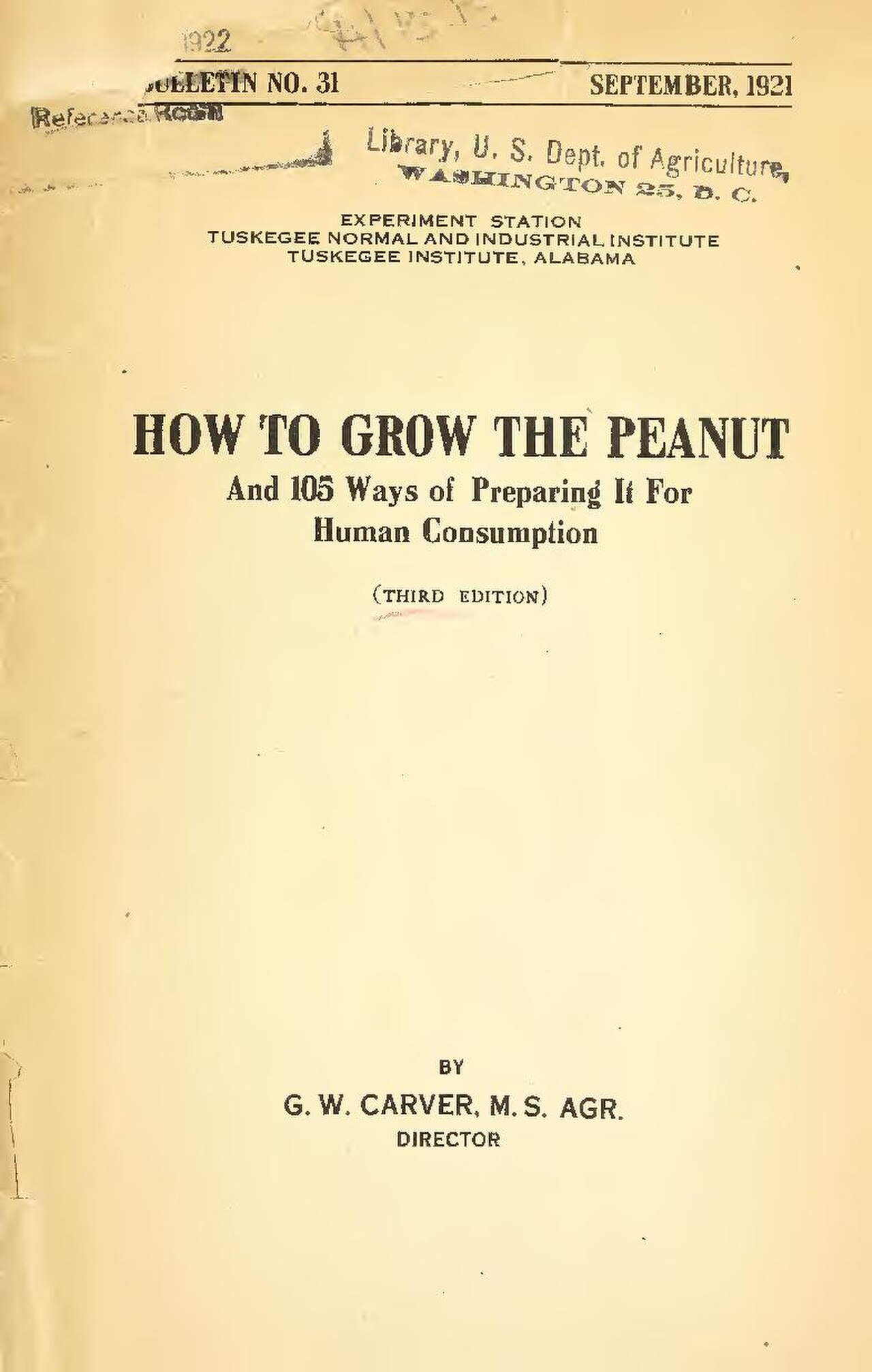 Book
Primary source
How to Grow the Peanut and 105 Ways of Preparing It for Human Consumption
George Washington Carver · 1916 (revised 1925)
Primary source
How to Build Up Worn Out Soils
George Washington Carver · 1905
 Photograph
Primary source
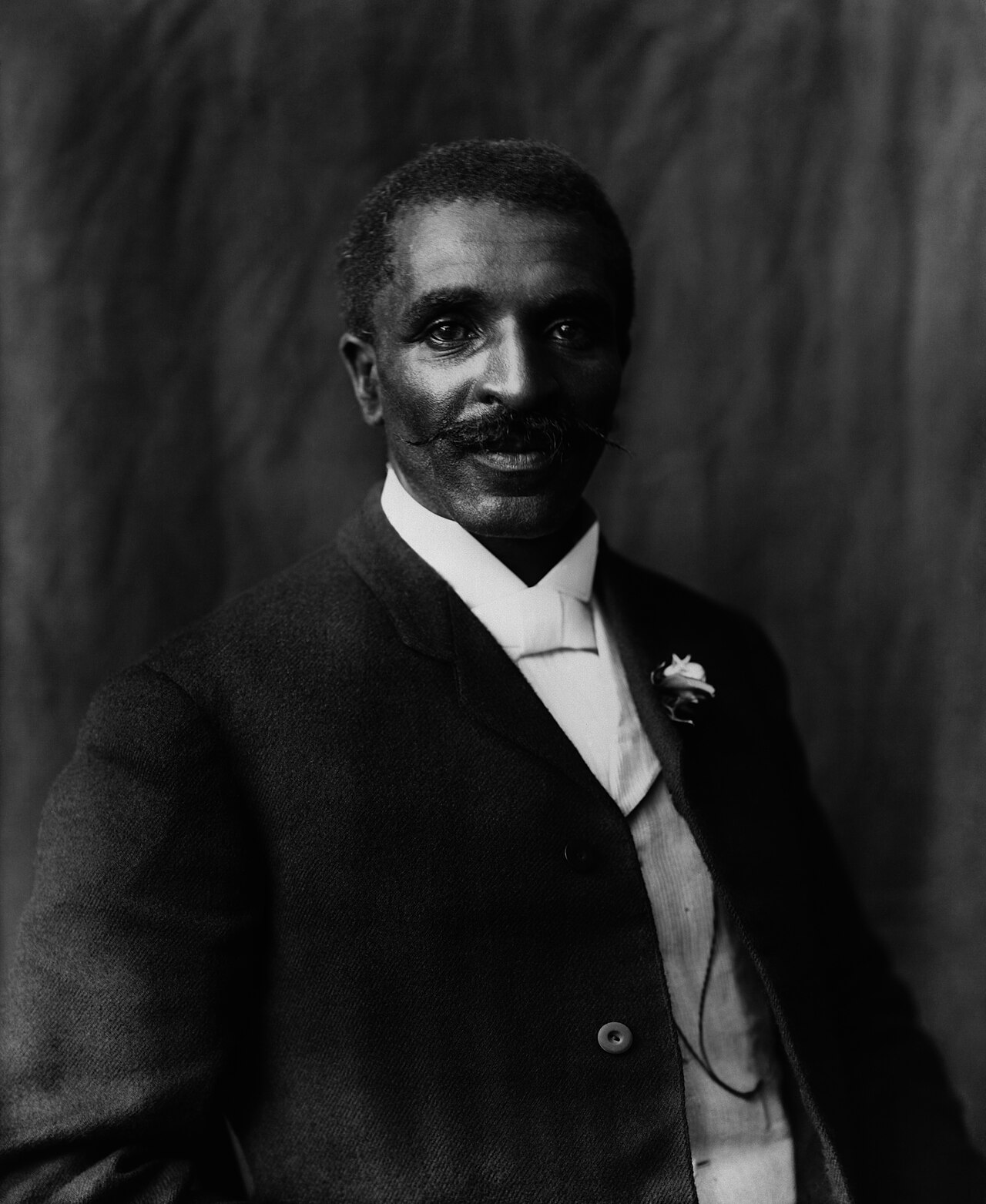
George Washington Carver by Frances Benjamin Johnston
Frances Benjamin Johnston · 1906
 Photograph
Primary source
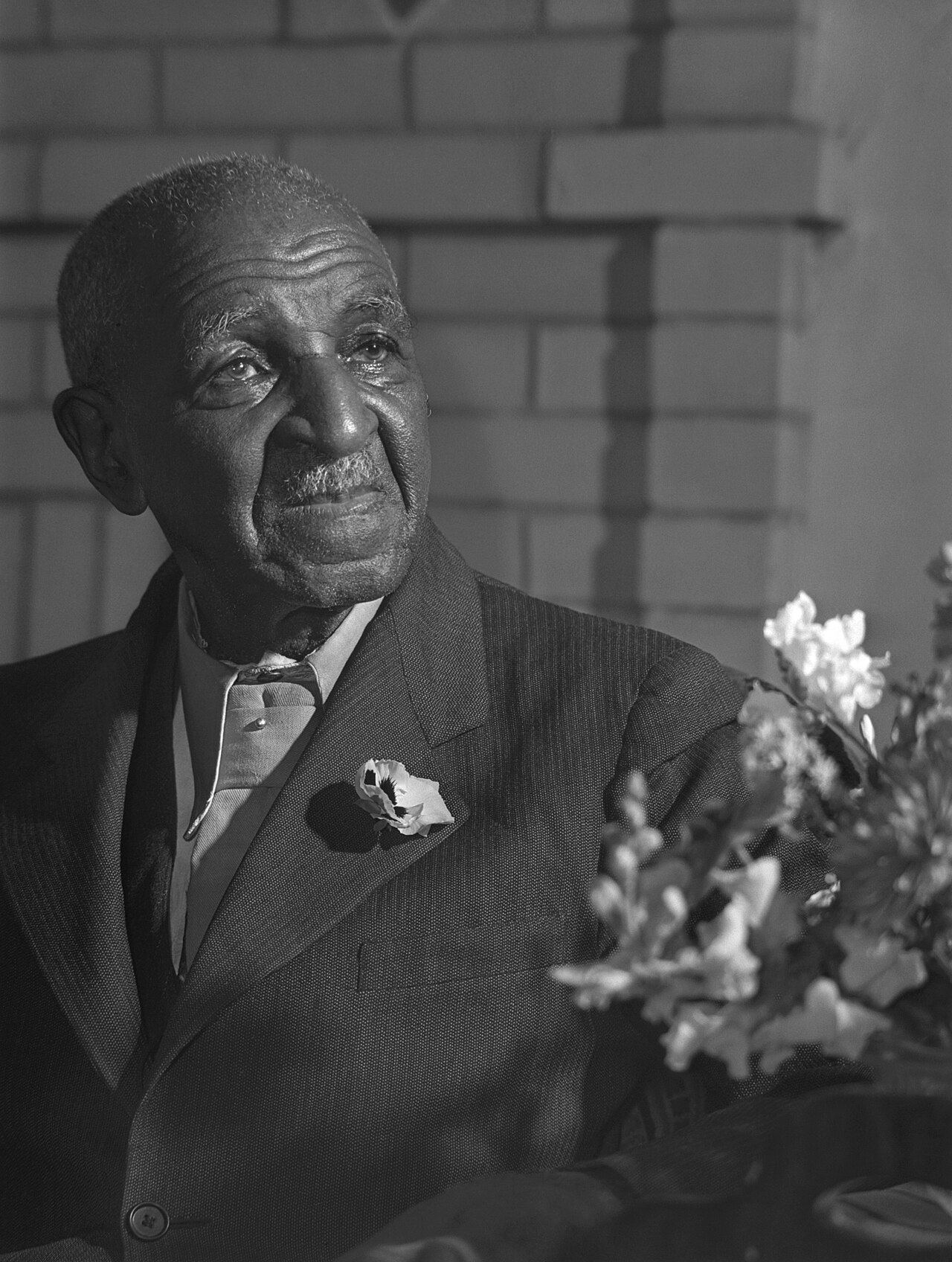
George Washington Carver Portrait by Arthur Rothstein
Arthur Rothstein · 1942
 Photograph
Primary source
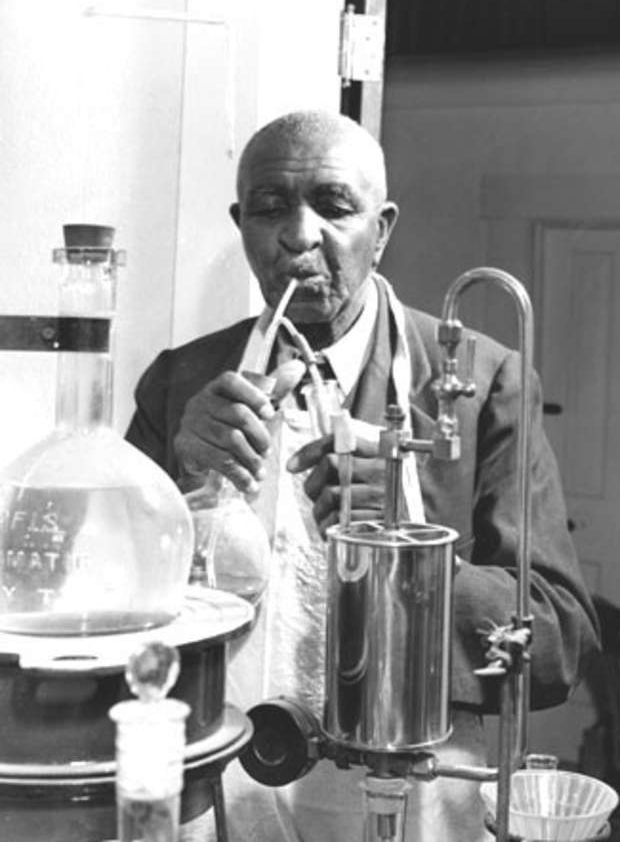
George Washington Carver at Work in His Laboratory
Ready when you are
Start chatting with George Washington Carver now.
20 messages free · No credit card · Available in 50+ languages.