


Secondary sourceSculpture1932
Georges Clemenceau
François Cogné · 1932
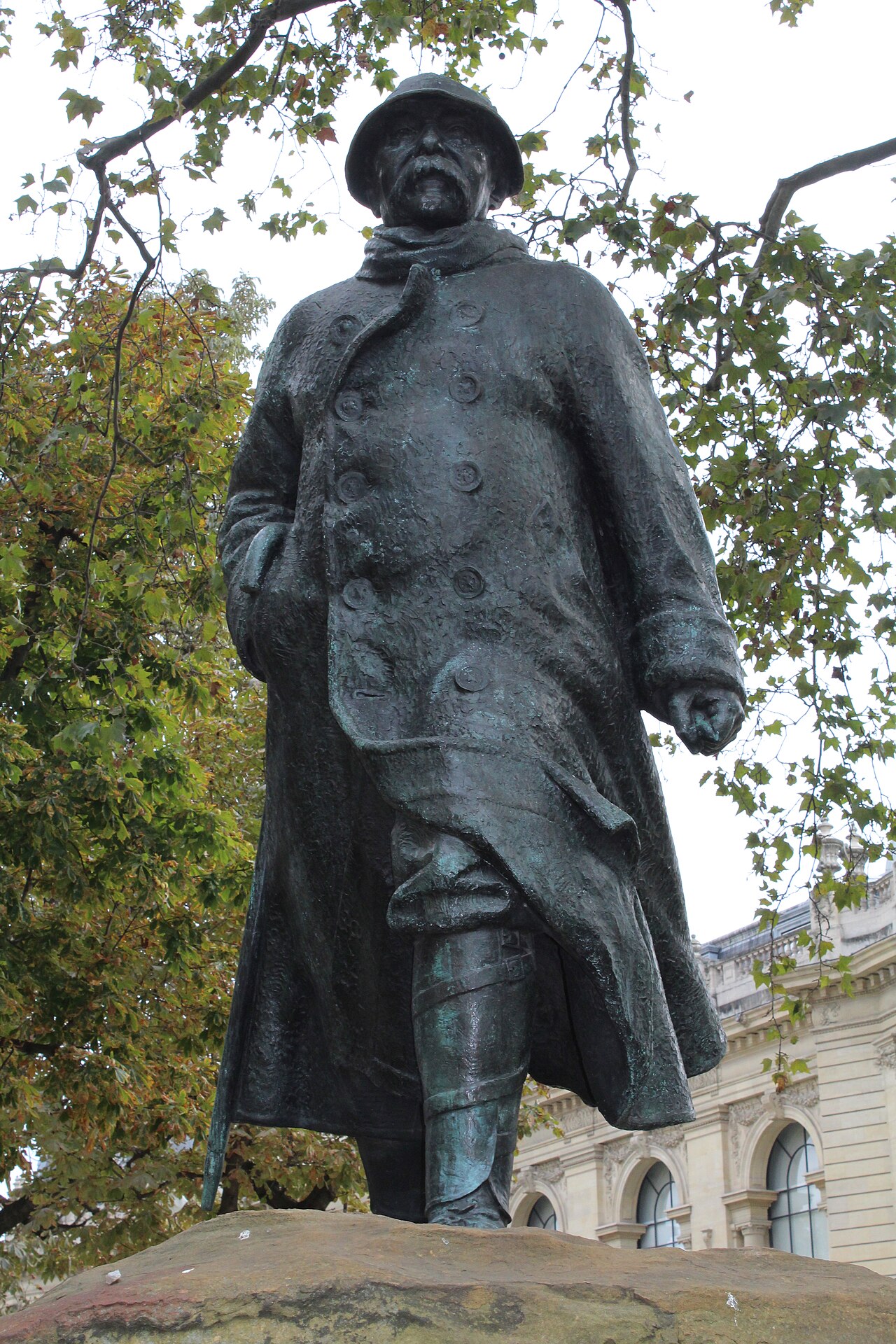
A bronze statue of Clemenceau in a soldier's greatcoat on the Champs-Élysées, made by François Cogné in 1932.
A later monument honouring Clemenceau as wartime leader, showing him in a soldier's greatcoat on the Champs-Élysées.
About this source
What it is
This is a dark green-bronze statue of Georges Clemenceau by François Cogné, set on a rough stone base at the rond-point des Champs-Élysées in Paris. It shows a man with a mustache, wearing a helmet-style hat, a scarf and a long double-breasted greatcoat, with one hand in a pocket. Trees and a cream-coloured building with arched windows stand behind it. It dates from 1932.
Why it matters
The statue commemorates Clemenceau as Père la Victoire, the nickname linked to his leadership in the First World War. Monuments like this one were set up to honour wartime leaders and to shape how the nation remembered them. The soldier's coat shows how he was linked to the common soldier's experience.
Look closer
- What does the greatcoat and helmet-style hat tell viewers about the role the statue gives him?
- Why might a city choose to place such a statue in a famous public square?
- Whose experience of the war might a single statue leave out?
This sculpture is part of the curated material that grounds the AI version of Georges Clemenceau on Humy.ai — when students ask about related events, the AI can quote it and cite it.
More Georges Clemenceau sources
Meet the AI Georges Clemenceau →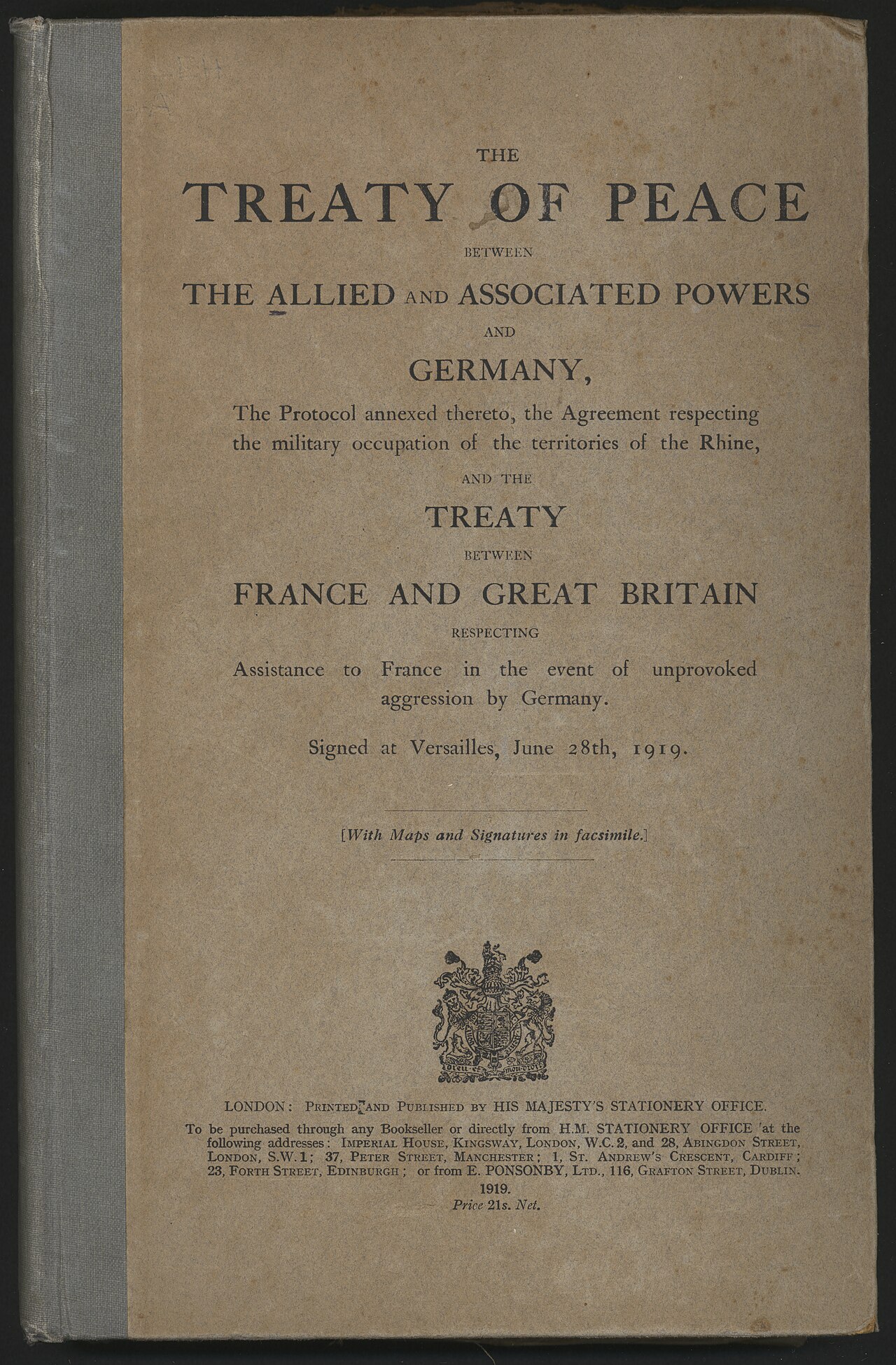 Document
Primary source
Treaty of Versailles
28 June 1919
 Photograph
Primary source
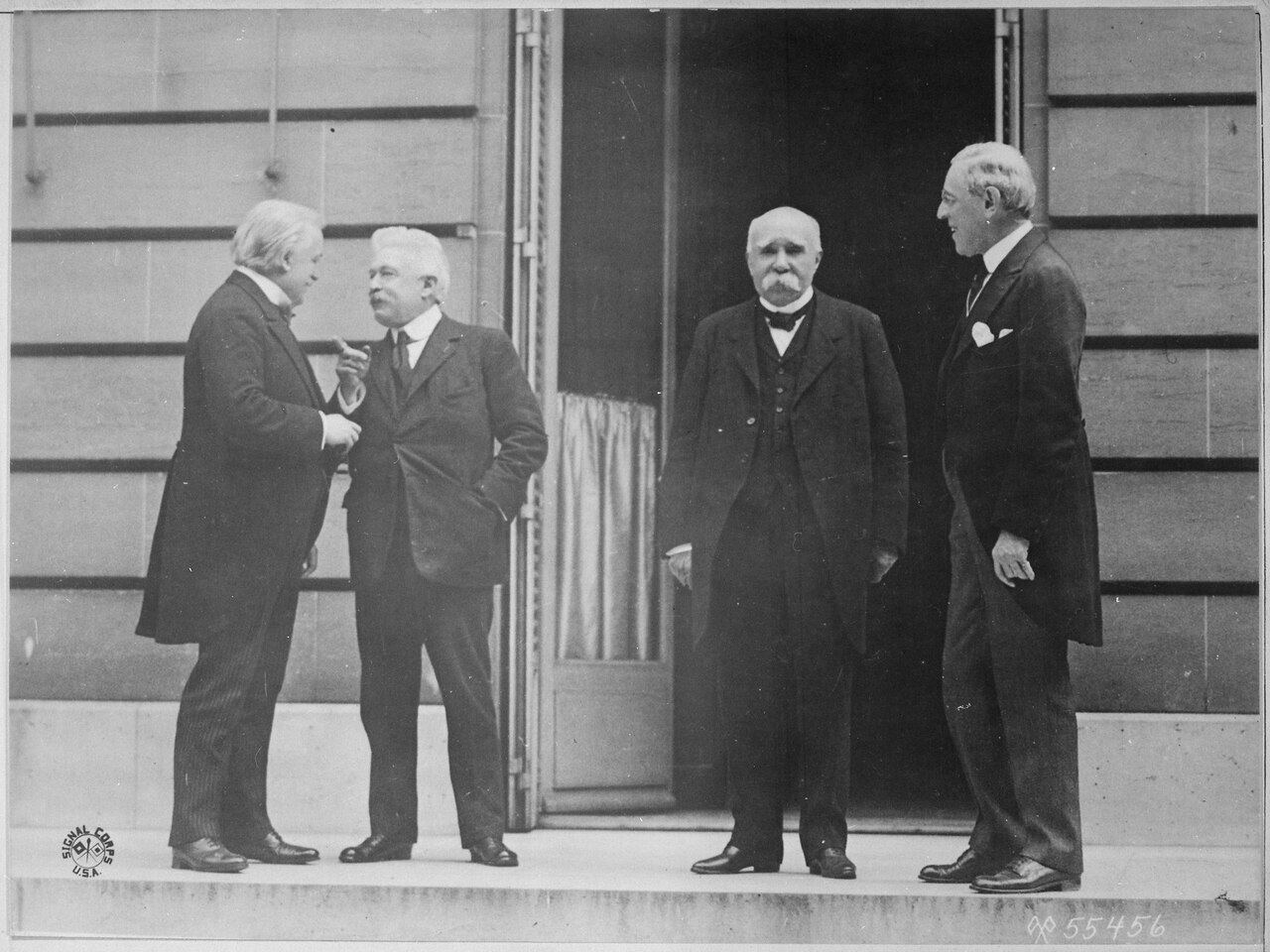
The Big Four at the Paris Peace Conference
Edward N. Jackson · 27 May 1919
 Painting
Primary source
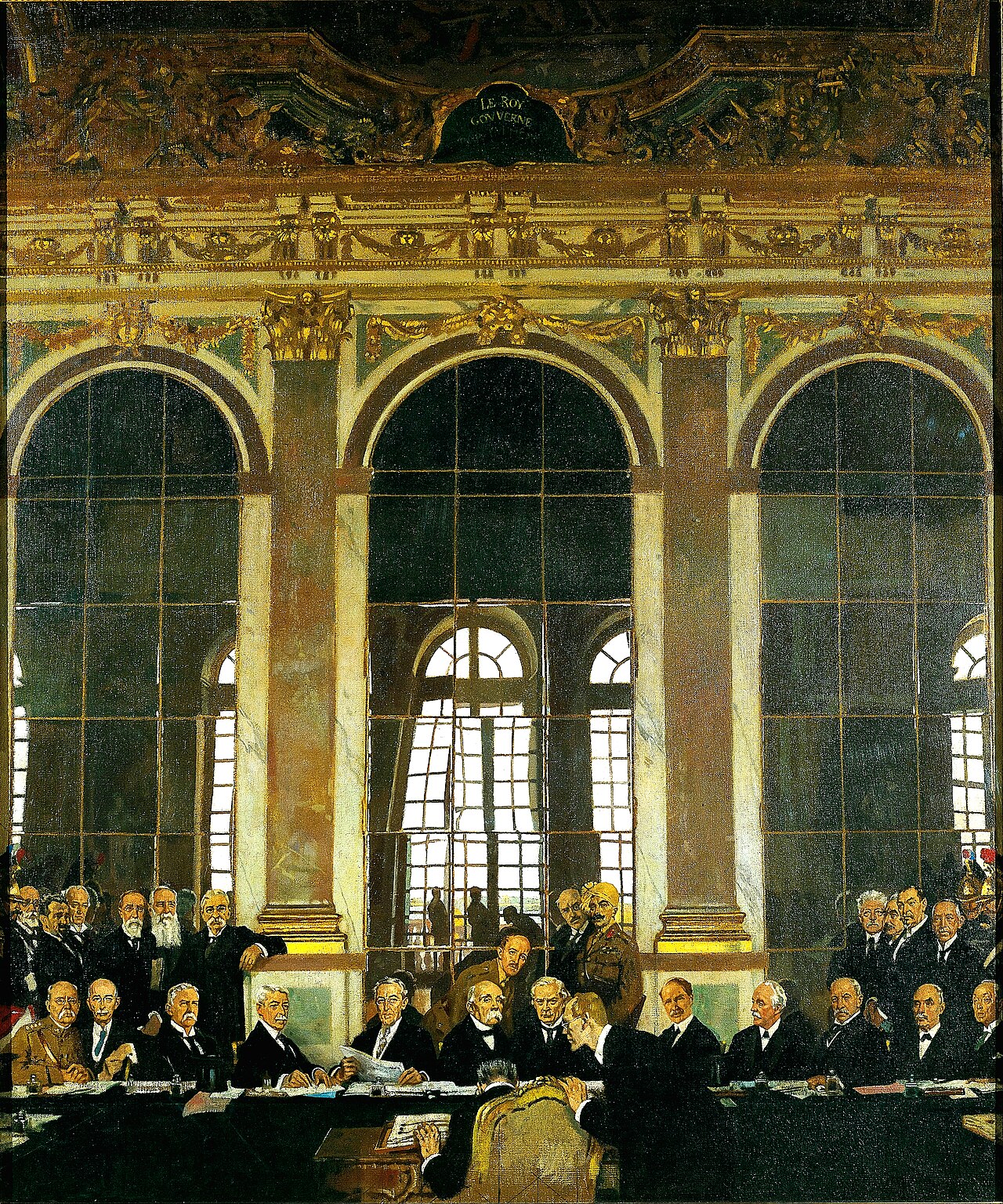
The Signing of Peace in the Hall of Mirrors, Versailles, 28 June 1919
William Orpen · 1919
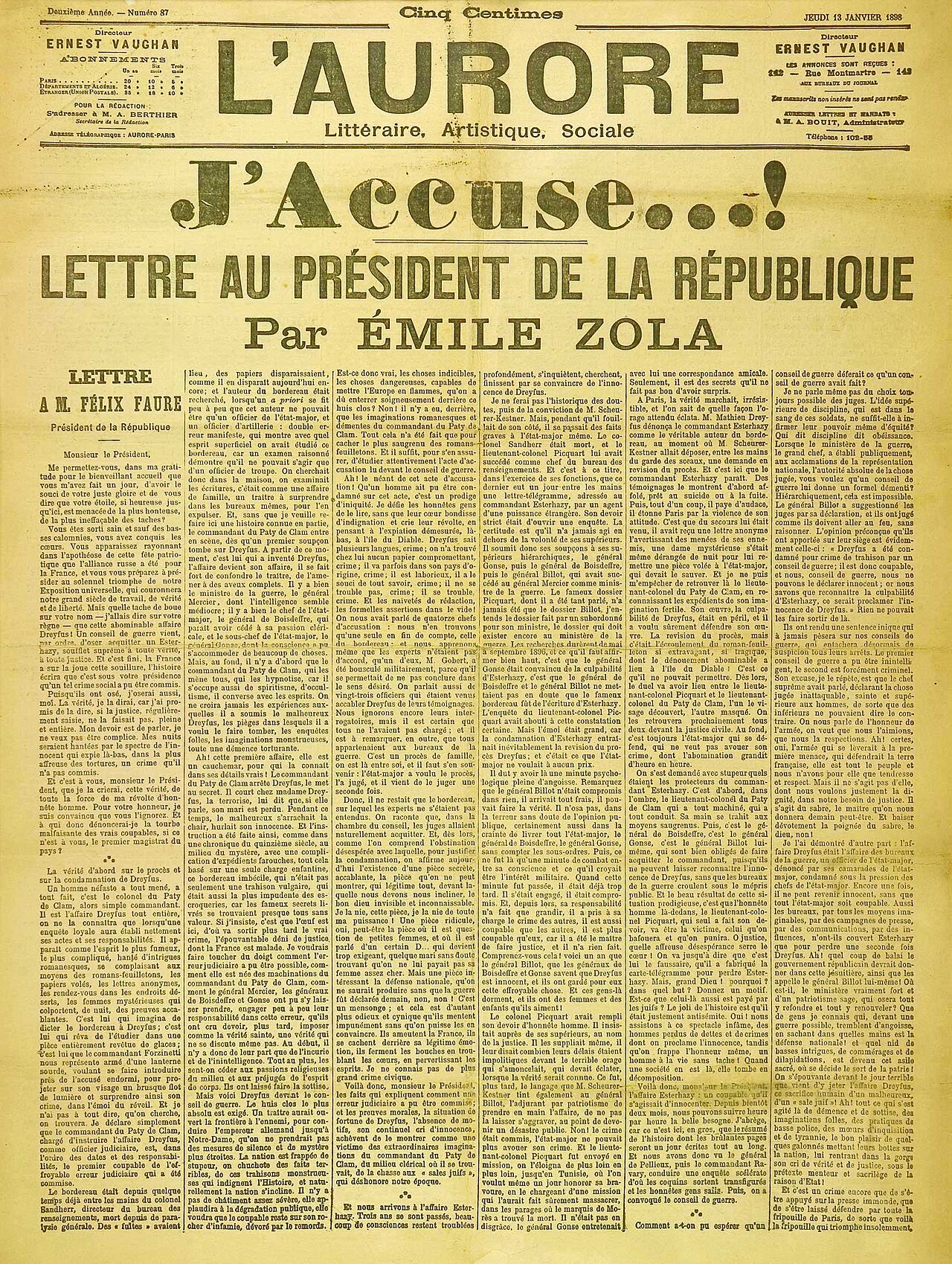 Newspaper article
Primary source
J'accuse…!
Émile Zola · 13 January 1898
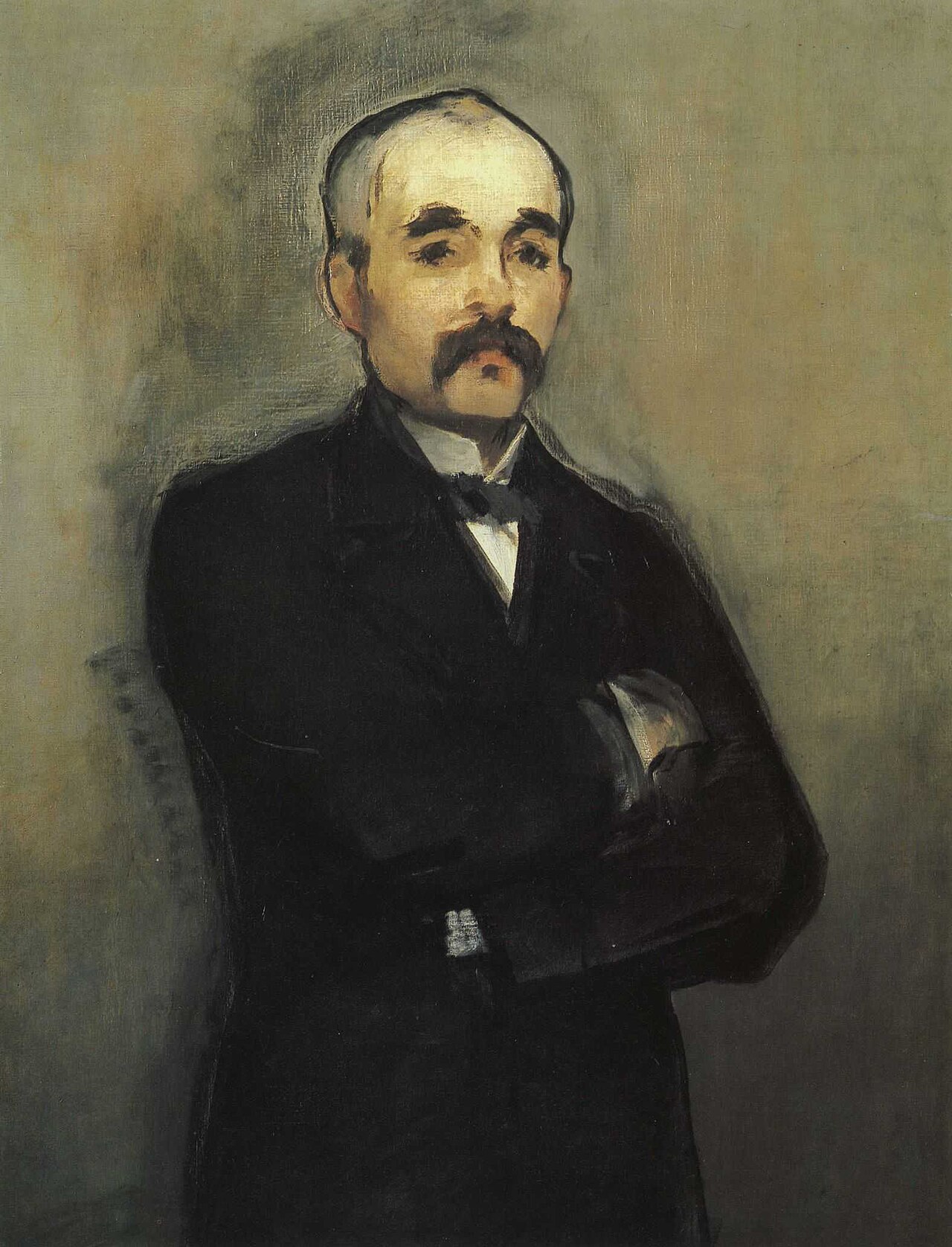 Painting
Primary source
Portrait of Georges Clemenceau
Édouard Manet · 1879-1880
Ready when you are
Start chatting with Georges Clemenceau now.
20 messages free · No credit card · Available in 50+ languages.