


Primary sourceDocument1963
Gideon v. Wainwright
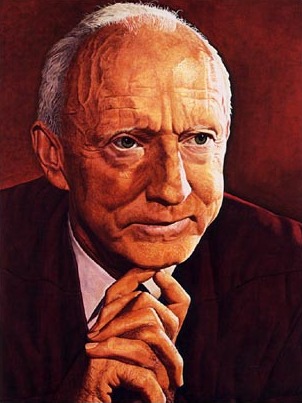
Hugo Black · 1963
Hugo Black's opinion establishing that criminal defendants have a constitutional right to a lawyer, even if they cannot afford one.
Black authored this landmark opinion establishing the right to counsel, a cornerstone of his civil liberties legacy.
Free Humy account · No credit card · 120,912 sources to read
About this source
What it is
This is the opinion of the U.S. Supreme Court in Gideon v. Wainwright (1963), written by Justice Hugo Black. It concerns Clarence Earl Gideon, who was denied a court-appointed lawyer in a Florida state court and was forced to defend himself.
Why it matters
The ruling held that the Sixth Amendment's right to counsel applies to defendants in state courts, not just federal ones. It is considered a landmark case in American criminal justice, guaranteeing legal representation to anyone accused of a serious crime regardless of income. Black's authorship reflects his long-standing commitment to applying the Bill of Rights fully to the states.
Look closer
- Why did the Florida court originally refuse to appoint a lawyer for Gideon?
- What does Gideon's own courtroom exchange, quoted in the opinion, tell us about his understanding of his rights?
- How did this decision change the experience of ordinary people accused of crimes?
This document is part of the curated material that grounds the AI version of Hugo Black and Clarence Earl Gideon on Humy.ai — when students ask about related events, the AI can quote it and cite it.
More Hugo Black sources
Browse all 96 →Primary source
New York Times Co. v. United States
1971
Primary source
Tinker v. Des Moines Independent Community School District
Abe Fortas · 1969
Primary source
Youngstown Sheet & Tube Co. v. Sawyer
Hugo Black · 1952
Primary source
Everson v. Board of Education
Hugo Black · 1947
Free account
Read every Hugo Black source
Sign up free →
Ready when you are
Start chatting with Hugo Black now.
20 messages free · No credit card · Available in 50+ languages.