


Primary sourceArtifactca. 1754–56
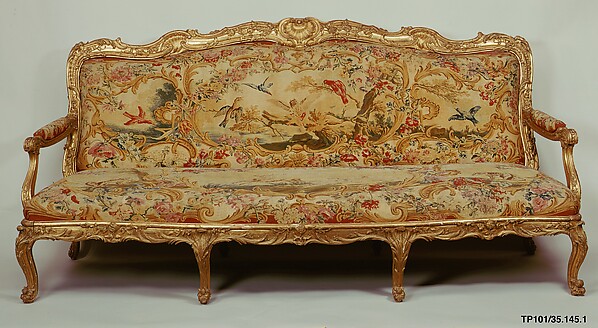
Gilded Settee by Nicolas-Quinibert Foliot
Nicolas-Quinibert Foliot · ca. 1754–56
A mid-18th-century French gilded settee showing the elegant furnishings typical of the aristocratic world du Châtelet lived in.
Period furniture illustrating the aristocratic French world du Châtelet lived in, though not known to be hers.
About this source
What it is
This is a carved and gilded wooden settee made around 1754–56 by the French furniture maker Nicolas-Quinibert Foliot. It is upholstered with tapestry featuring floral and bird patterns and is now held by The Metropolitan Museum of Art.
Why it matters
This settee was not owned by Émilie du Châtelet, but it represents the kind of luxurious rococo furniture found in the French aristocratic households of her era. It helps students picture the material world and social status surrounding figures like du Châtelet, even though it is not directly tied to her.
Look closer
- What details in the carving and fabric suggest this piece was made for a wealthy household?
- Why is it useful to look at objects like this even when they are not owned by the historical figure we're studying?
- What does this piece of furniture NOT tell us about du Châtelet's personal life?
This artifact is part of the curated material that grounds the AI version of Émilie du Châtelet on Humy.ai — when students ask about related events, the AI can quote it and cite it.
More Émilie du Châtelet sources
Meet the AI Émilie du Châtelet →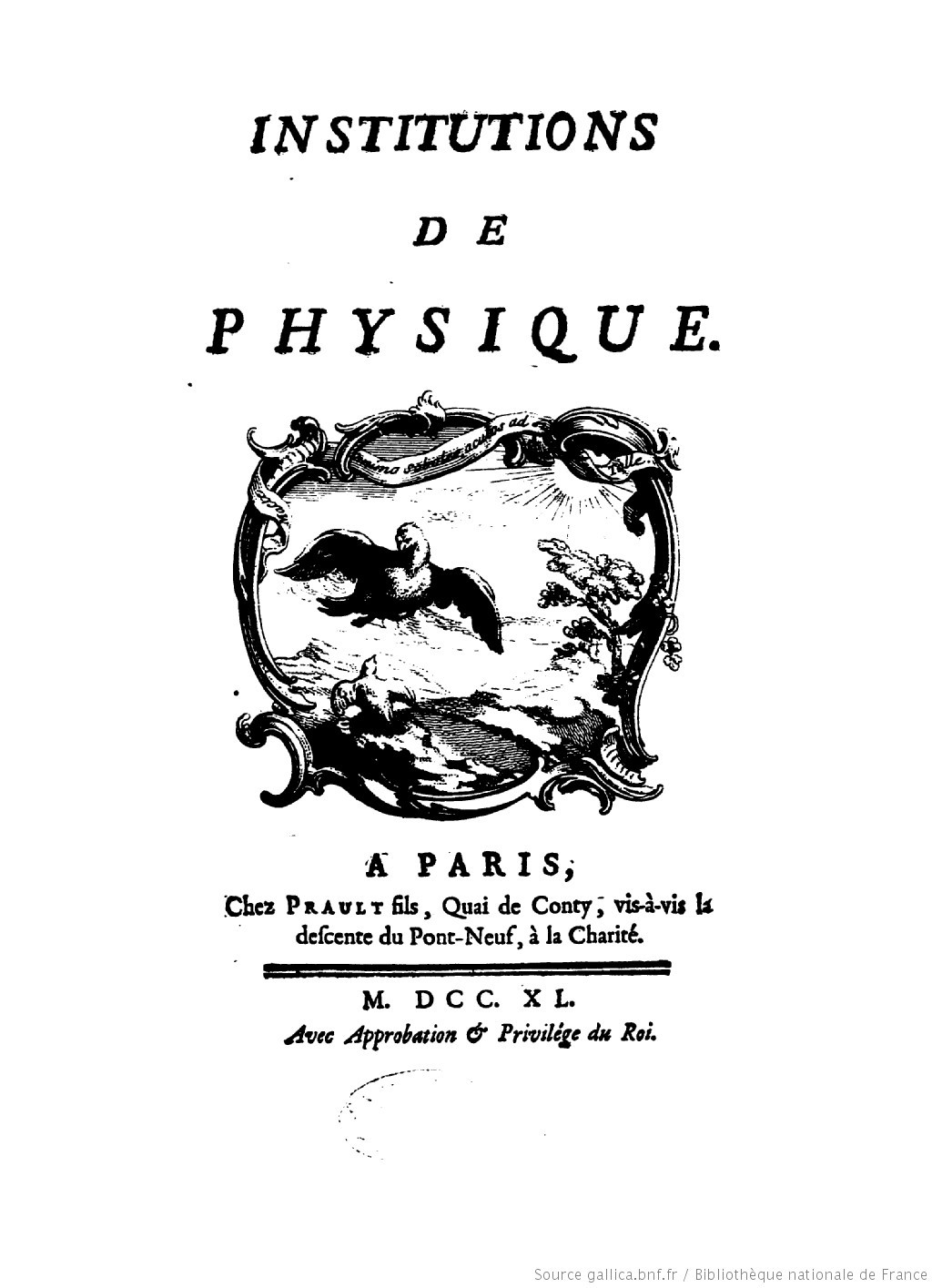 Book
Primary source
Institutions de Physique
Émilie du Châtelet · 1740
 Document
Primary source
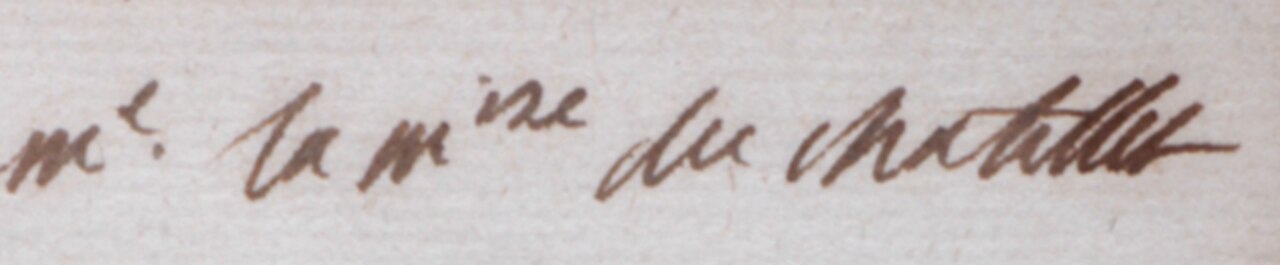
Signature of Émilie du Châtelet
Émilie du Châtelet · 1744
 Book
Primary source
Dissertation sur la nature et la propagation du feu
Émilie du Châtelet · 1744 (written 1738)
Secondary source
Frauen auf akademischem Lehrstuhle der Mathematik
Julius Löwenberg · 1885
 Painting
Secondary source
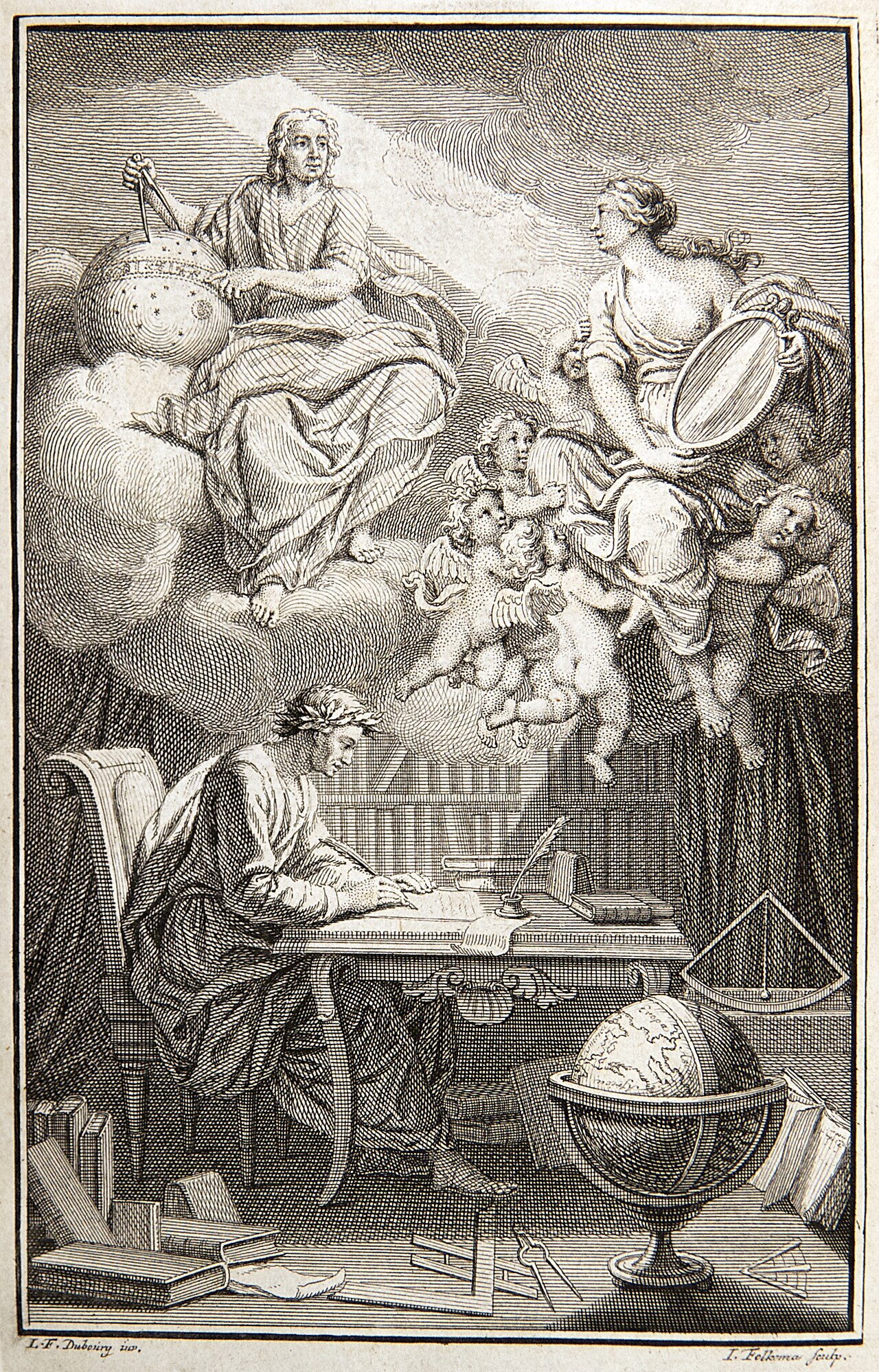
Frontispiece of Voltaire's Elemens de la philosophie de Newton
c. 1738
Ready when you are
Start chatting with Émilie du Châtelet now.
20 messages free · No credit card · Available in 50+ languages.