


Primary sourceArtifact336–323 BCE
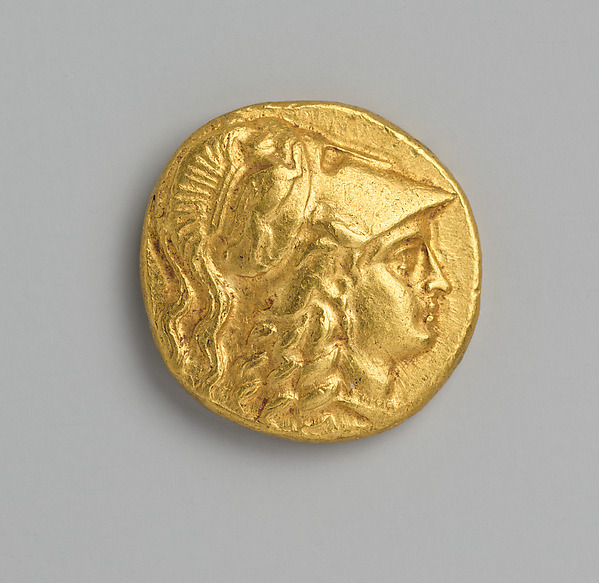
Gold Stater of Alexander the Great
336–323 BCE
A gold coin struck during Alexander's own lifetime in Macedonia, showing a helmeted figure linked to his royal coinage.
A coin minted during Alexander's own reign, giving direct contemporary evidence of his royal imagery.
About this source
What it is
This gold stater was struck in Macedonia sometime between 336 and 323 BCE, during Alexander the Great's reign. It shows a helmeted profile head with a lion-skin draped over it. The coin is held at The Metropolitan Museum of Art.
Why it matters
As coinage actually produced during Alexander's lifetime, this piece is direct, contemporary evidence of the imagery used to represent royal power in Macedonia at the time. It helps historians understand how Alexander's regime presented itself through money that circulated widely across his growing empire.
Look closer
- What symbols or features on the coin suggest strength or kingship?
- Why might gold, rather than silver, have been chosen for certain coins?
- What can a small, mass-produced object like a coin tell us that a single painting or statue cannot?
This artifact is part of the curated material that grounds the AI version of Alexander the Great on Humy.ai — when students ask about related events, the AI can quote it and cite it.
More Alexander the Great sources
Meet the AI Alexander the Great →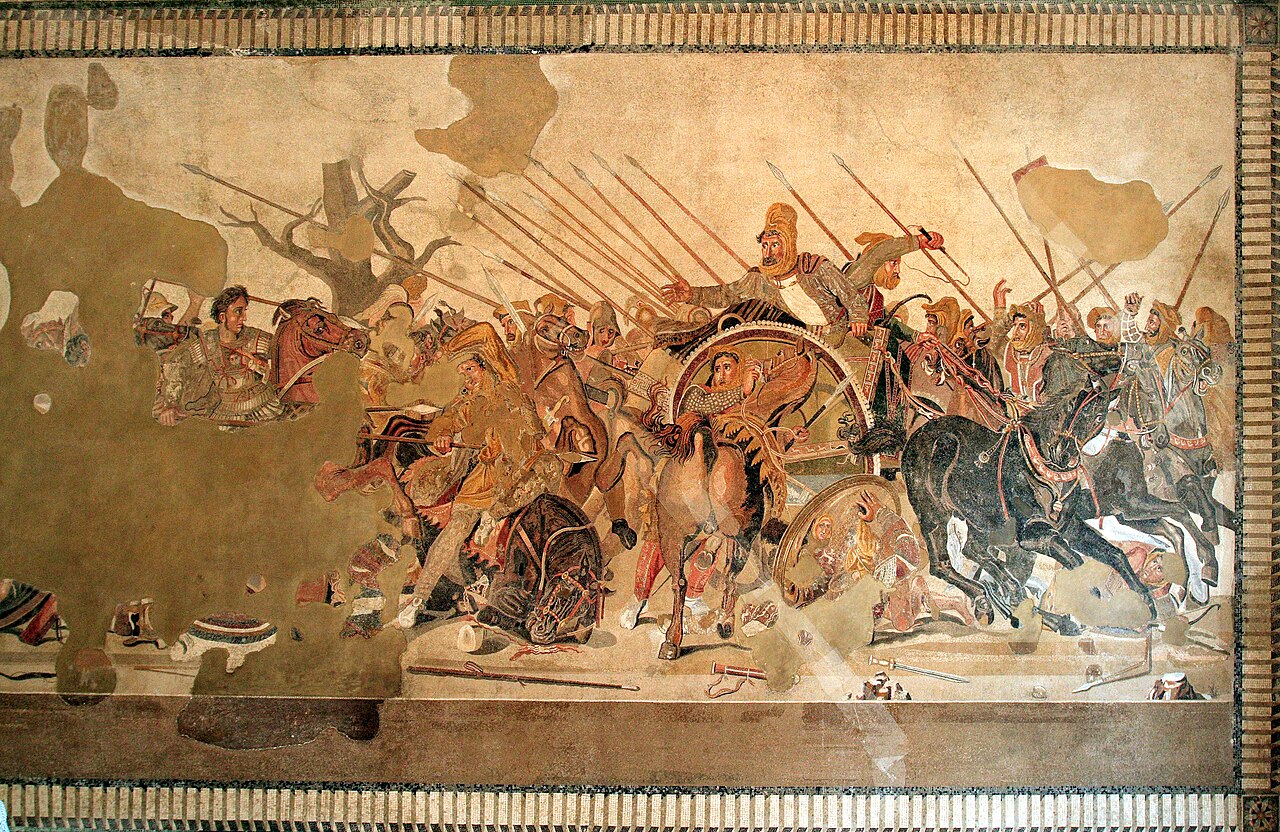 Artifact
Secondary source
Alexander Mosaic
Philoxenus of Eretria · c. 120-100 BCE (copy of an earlier Hellenistic painting)
 Painting
Secondary source
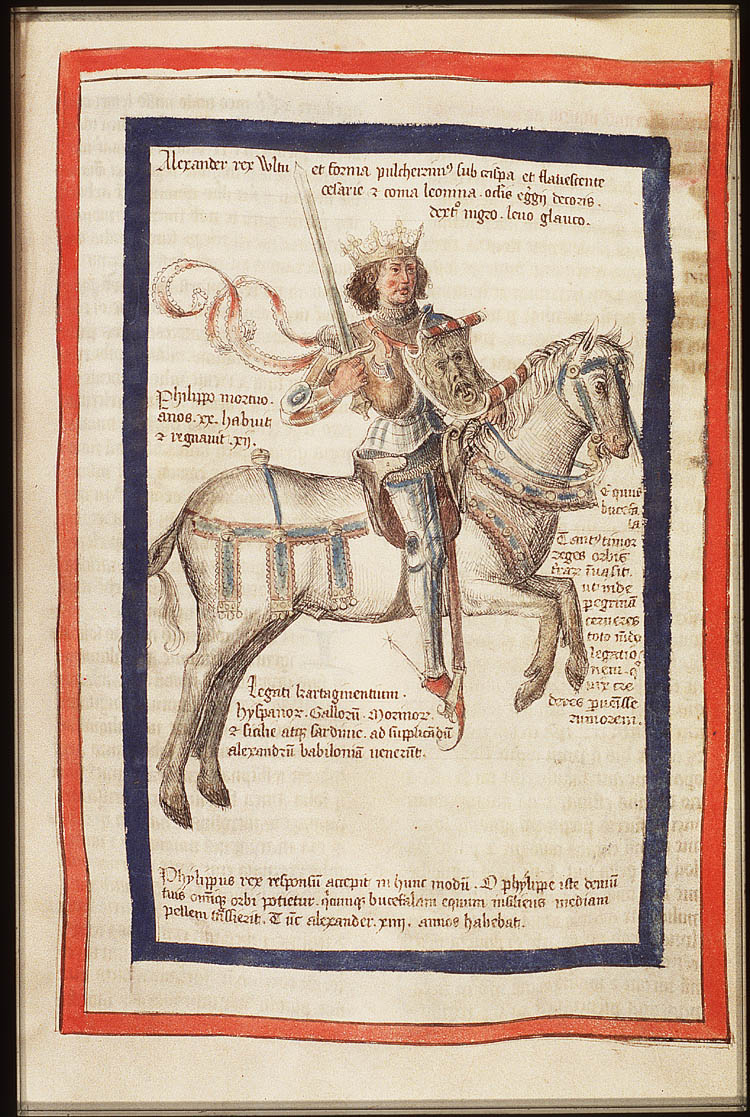
Alexander the Great riding Bucephalus
1460
 Artifact
Primary source
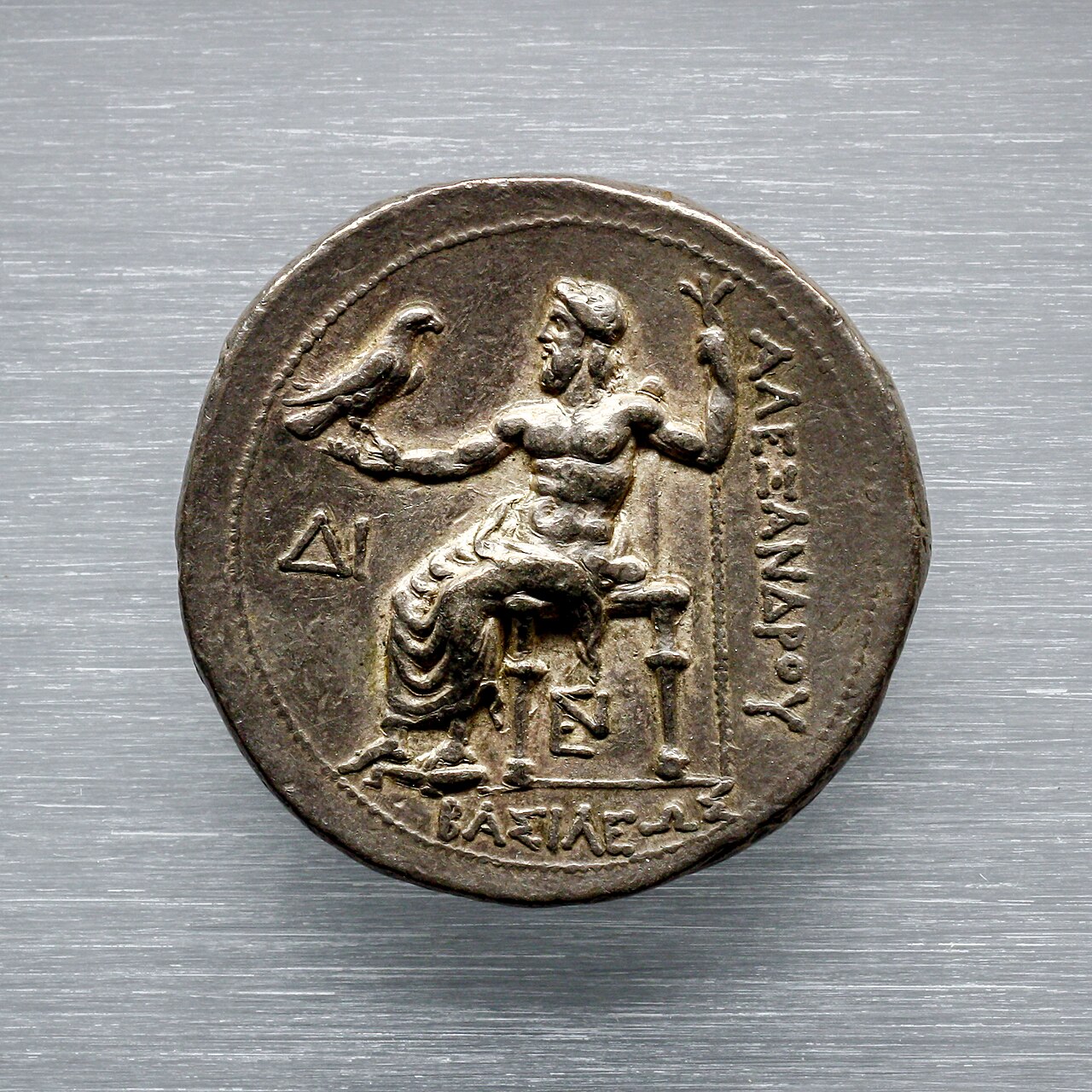
Silver Tetradrachm of Alexander the Great
Royal mints of Alexander III · c. 336-323 BCE
 Painting
Secondary source
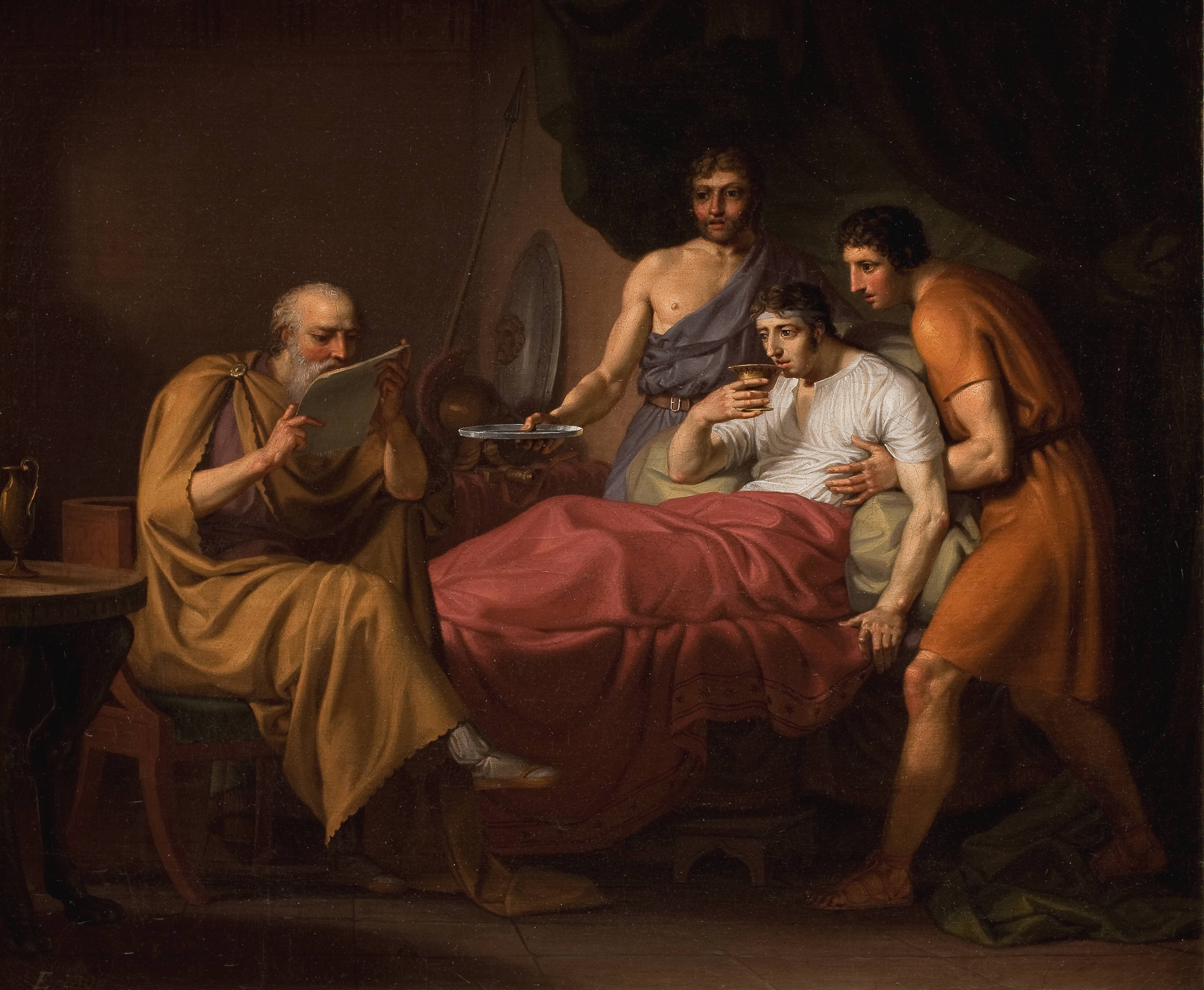
Alexander the Great on his Sickbed
1806
 Book
Secondary source
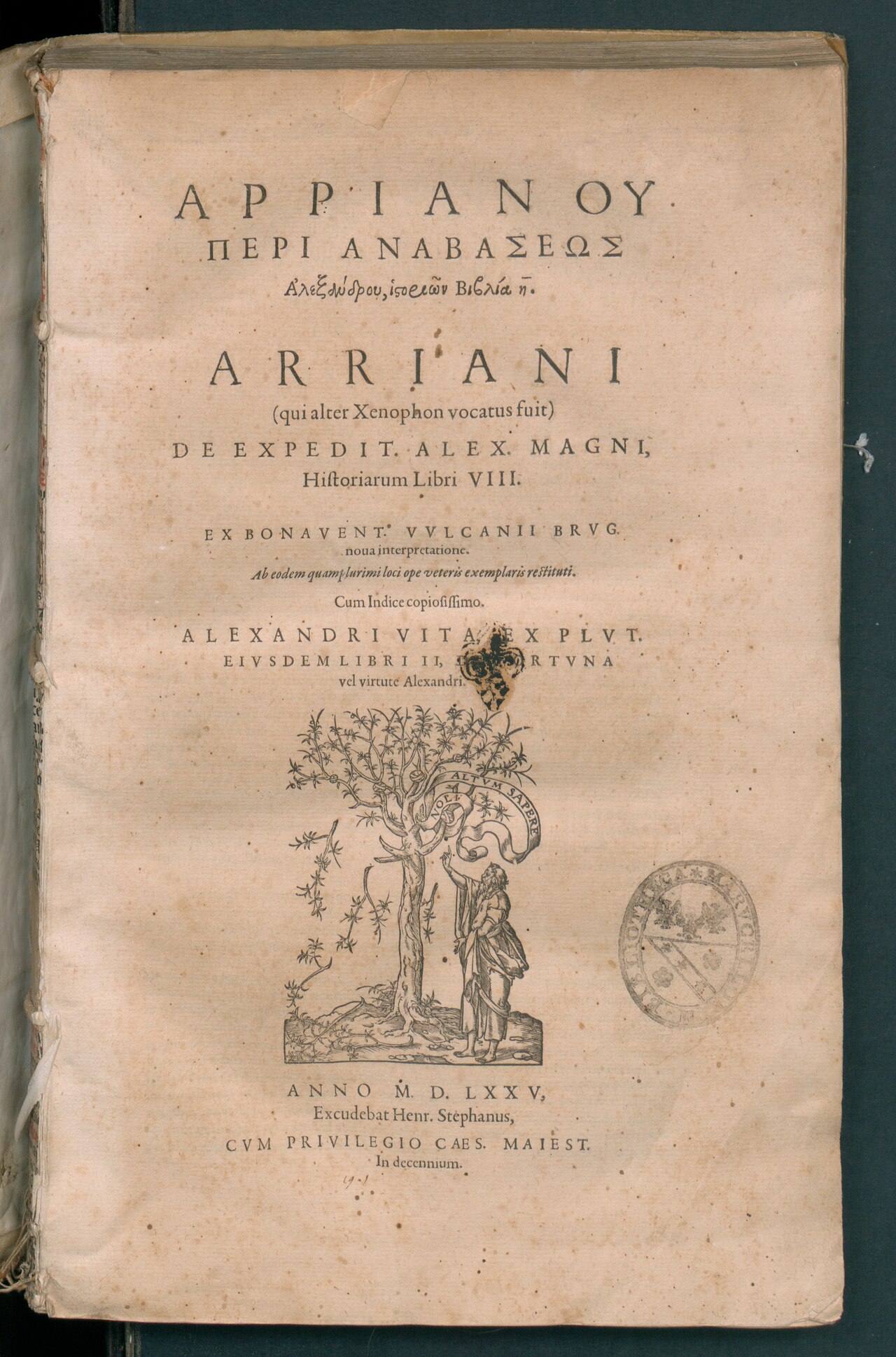
Anabasis of Alexander
Arrian · c. 150 AD
Ready when you are
Start chatting with Alexander the Great now.
20 messages free · No credit card · Available in 50+ languages.